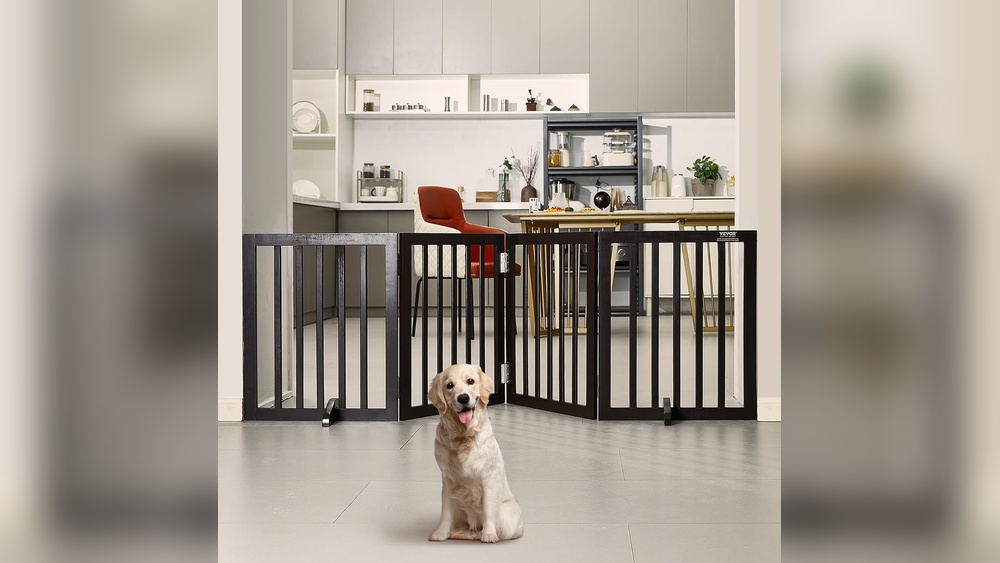

Are you tired of your pet roaming into rooms where they shouldn’t be? Creating a pet gate can be the perfect solution to keep your furry friend safe and your home organized.
Imagine having a simple barrier that stops your pet from wandering off, without making your space look cluttered. In this guide, you’ll discover easy steps to build a pet gate yourself, saving money and customizing it to fit your home perfectly.
Keep reading to learn how you can take control and create a pet gate that works for you and your pet.

Credit: cardinalgates.com
Choosing The Right Pet Gate
Choosing the right pet gate is important for your home and your pet’s safety. It helps keep pets away from certain areas and prevents accidents. The right gate fits well, lasts long, and suits your pet’s needs. This section covers the types of pet gates, materials available, and how to measure your space correctly. This guidance makes the selection easier and ensures the gate works perfectly.
Types Of Pet Gates
There are many types of pet gates for different uses. Pressure-mounted gates fit between walls without drilling. They are easy to move and install. Hardware-mounted gates attach to the wall for strong support. These gates are best for active or large pets. Freestanding gates do not attach to walls. They can be moved anywhere in the house. Some gates come with doors for easy passage. Choose a type that matches your pet’s behavior and your home layout.
Material Options
Pet gates come in various materials. Wood gates offer a natural look and feel. They are sturdy but may need more care. Metal gates are strong and durable. They suit pets that push or chew a lot. Plastic gates are lightweight and easy to clean. They work well for small pets. Each material has pros and cons. Pick one that fits your style and pet’s needs.
Measuring Your Space
Measure the area where you want to place the gate. Measure the width between walls or door frames. Add a little extra space for easy installation. Check the height needed to keep your pet safe. Small pets need shorter gates, big pets need taller ones. Accurate measurements prevent the gate from being too loose or tight. Proper fit keeps pets secure and gate stable.
Gathering Tools And Materials
Creating a pet gate starts with gathering the right tools and materials. Having everything ready makes the building process smooth and fast. It saves time and prevents stopping midway to find missing items.
Focus on simple, easy-to-use tools and materials. Choose items that fit your space and your pet’s size. Clear planning helps build a safe and strong gate your pet will respect.
Essential Tools
Prepare basic tools for cutting, measuring, and assembling. A tape measure ensures accurate size and fit for your gate. A saw helps cut wood or metal to the needed length.
A drill makes holes for screws and bolts. Screwdrivers secure the parts tightly. Sandpaper smooths rough edges to avoid pet injuries. A level checks the gate’s straightness for safe use.
Required Materials
Choose sturdy materials that hold up to pet use. Wood planks or metal bars work well for the gate frame. Hinges allow the gate to open and close smoothly.
Screws and bolts keep everything firmly attached. Paint or sealant protects the gate from wear and weather. A latch or lock stops pets from opening the gate on their own.
Preparing The Area
Preparing the area is the first step in creating a pet gate. A tidy and well-planned space helps the gate fit perfectly. It also keeps your pet safe during installation. Spend time getting the area ready before starting the build.
Cleaning The Space
Clear the space where the gate will go. Remove furniture, toys, and other items. Sweep or vacuum the floor to avoid dust and dirt. A clean area makes it easier to measure and work. It also prevents damage to the gate materials.
Marking Gate Placement
Decide the exact spot for the gate. Use a pencil or masking tape to mark the edges. Check the width and height carefully. Measure twice to avoid mistakes. Clear markings guide your work and ensure the gate fits well.

Credit: poubozic.com
Cutting And Assembling The Gate
Cutting and assembling the pet gate is an important step in this project. It shapes the gate and gives it strength. Careful measuring and precise cuts make the gate fit well and look good. Taking time during assembly helps the gate stay sturdy and safe for pets.
Measuring And Cutting Wood
Start by measuring the wood pieces for the gate frame. Measure twice to avoid mistakes. Mark the wood with a pencil where you will cut. Use a saw to cut the wood along the marks. Keep the cuts straight and smooth for easy assembly.
Cut the panels to fit inside the frame. These panels keep pets from squeezing through. Use a tape measure for exact sizes. Cut slowly and carefully to match the frame size. Sand rough edges to prevent splinters.
Assembling Frame And Panels
Lay out the frame pieces on a flat surface. Join the corners with wood glue for extra hold. Use screws to fasten the pieces securely. Drill pilot holes first to avoid splitting the wood.
Fit the panels inside the frame. Attach them with small nails or screws. Check the gate for any loose parts. Tighten all fasteners to make the gate strong. Your pet gate is now ready for finishing touches.
Installing The Gate
Installing the pet gate is a key step for safety and control. Proper installation keeps your pet secure and prevents accidents. Follow clear steps to mount the gate firmly and correctly.
Mounting Hinges
Start by attaching the hinges to the gate frame. Use screws that fit your gate material. Mark spots carefully to keep the gate level. Tighten screws so hinges hold firmly but allow smooth movement. Check hinge alignment before moving on.
Attaching To Walls Or Doorways
Choose a strong wall or door frame for mounting. Use a drill to make holes for screws. Insert anchors if walls are weak or drywall. Align the gate with hinges and secure it tightly. Test the gate’s swing to ensure it opens and closes easily.
Adding Latches Or Locks
Pick a latch that fits your gate style and size. Attach the latch on the side opposite the hinges. Use screws to secure it firmly in place. Ensure the latch locks securely to prevent your pet from opening it. Test the lock several times to confirm it works well.
Safety Checks And Adjustments
Safety checks and adjustments are key to a secure pet gate. They help keep pets safe and prevent accidents. Checking every part of the gate ensures it works well and stays strong.
Ensuring Stability
Check if the gate stands firm without shaking. Tighten screws and bolts to avoid loose parts. Make sure the gate fits well in the doorway or space. Use extra supports if needed to stop the gate from falling.
Testing Gate Functionality
Open and close the gate several times. Listen for strange sounds like creaks or clicks. Check if the latch locks tightly and is easy to use. Make sure the gate swings smoothly without sticking. Adjust hinges or latch if the gate does not close properly.
Maintenance Tips
Keeping your pet gate in good shape helps protect your pet and home. Regular care makes the gate last longer and work better. Simple maintenance tasks save time and money over time.
Regular Inspections
Check the gate every week for signs of wear or damage. Look at hinges, locks, and the frame carefully. Make sure the gate opens and closes smoothly. Tighten any loose screws or bolts to keep it sturdy. Spot problems early to avoid bigger repairs later.
Cleaning And Repairs
Clean the gate often to remove dirt and dust. Use a damp cloth and mild soap for most materials. Dry the gate well to stop rust or mold. Fix small cracks or chips quickly to stop damage from spreading. Replace broken parts right away to keep the gate safe.

Credit: myfuse.education
Frequently Asked Questions
What Materials Are Best For Building A Pet Gate?
Wood, metal, and durable plastic are ideal materials for pet gates. They provide strength, safety, and long-lasting use. Choose based on your pet’s size and behavior to ensure the gate withstands wear and tear.
How Do I Measure Space For A Pet Gate?
Measure the width and height of the doorway or opening. Ensure the gate fits snugly without gaps to prevent pets from escaping. Accurate measurements guarantee a secure and effective pet gate installation.
Can I Build A Pet Gate Without Professional Tools?
Yes, basic tools like a saw, drill, screws, and measuring tape are sufficient. Many pet gates can be DIY projects with simple equipment. Follow instructions carefully for a safe and sturdy gate.
How To Ensure My Pet Gate Is Safe For Pets?
Check for smooth edges, secure latches, and non-toxic materials. Avoid gaps that pets can squeeze through or get stuck in. Regularly inspect the gate to maintain safety and durability.
Conclusion
Creating a pet gate is easier than it seems. You only need a few tools and materials. Follow the steps carefully for a safe, sturdy gate. Your pet will stay secure and happy. This DIY project saves money and fits your space.
Try it yourself and enjoy the results. Simple, practical, and effective. Keep your pet safe with your own pet gate.