
Have you ever needed to erase a code on your smart code door lock but didn’t know where to start? Maybe you want to change your security settings or remove old access codes.
Whatever the reason, knowing how to erase a code quickly and safely is essential to keep your home secure. In this guide, you’ll learn simple, step-by-step instructions to erase codes on your smart lock without any hassle. Keep reading, and take control of your door’s security like a pro.
Types Of Smart Code Door Locks
Smart code door locks come in several types. Each type offers different ways to enter and erase codes. Understanding these types helps you manage your lock better. It also makes it easier to erase codes when needed.
Keypad Locks
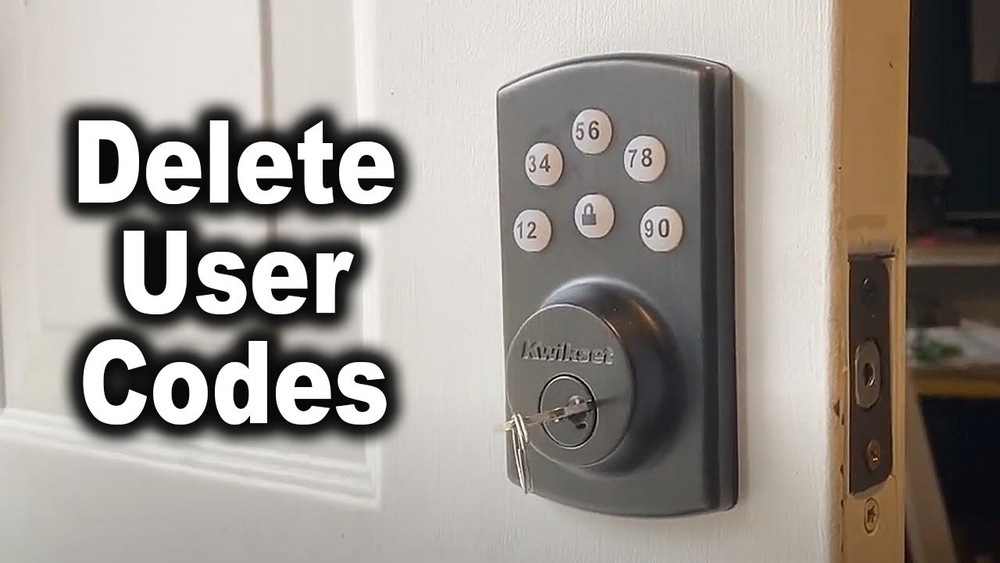
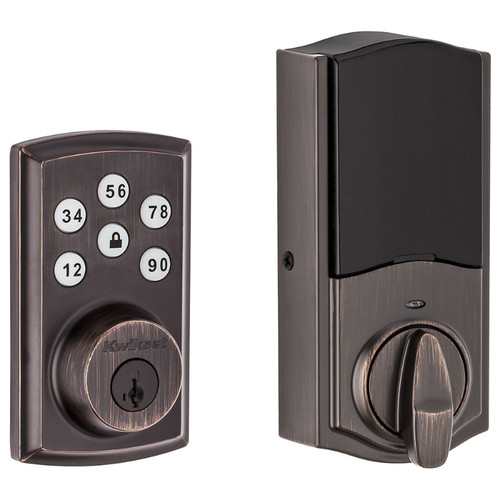
Keypad locks have physical buttons. You press numbers to enter the code. They are simple and easy to use. Erasing a code usually involves pressing a clear or reset button. This type is common in homes and offices.
Touchscreen Locks
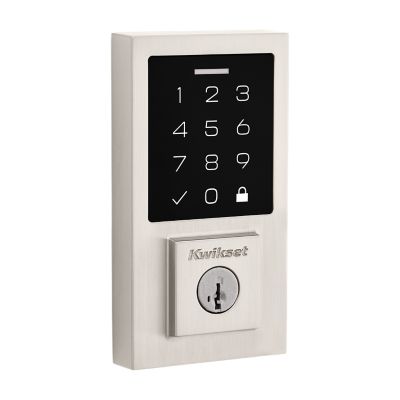
Touchscreen locks use a digital screen. You tap the screen to enter numbers. The screen often lights up in the dark. Erasing codes is done through the settings menu. These locks look modern and sleek.
Biometric Locks With Code Features
Biometric locks use fingerprints or face scans. They also allow code entry as a backup. You can erase codes through the lock’s app or control panel. These locks offer strong security and convenience.

Credit: www.youtube.com
Reasons To Erase Codes
Erasing codes on a smart code door lock is a common task. It helps keep your home or office safe. Knowing why you should erase codes can prevent problems. It also keeps access under your control. Here are the main reasons to erase codes.
Security Updates
Security is the top reason to erase codes. Old codes may be shared or lost. Removing them stops unwanted people from entering. Regularly erasing outdated codes keeps your lock secure. It reduces the risk of break-ins or misuse.
Changing Users
People move in and out of homes or offices. When users change, erase old codes. This stops former users from accessing the property. Adding new codes after erasing old ones keeps control tight. It ensures only current users can enter.
Resetting After Malfunctions
Sometimes, smart locks may not work properly. Resetting the lock and erasing codes can fix issues. This process clears errors and glitches in the system. After reset, you can add fresh codes easily. It helps the lock run smoothly again.
Preparation Before Erasing Codes
Before erasing codes on your smart code door lock, proper preparation is essential. This step ensures the process goes smoothly and avoids any issues. Taking time to prepare protects your lock and preserves important information.
Preparation helps prevent accidental lockouts and saves time later. Follow these steps carefully to get ready for erasing codes.
Gathering Tools And Manuals
Collect all tools needed for the task. This may include a screwdriver, reset pin, or battery tester. Having the user manual nearby is important. The manual contains specific instructions for your lock model. It guides you through safe code erasure.
Checking Battery Levels
Check the lock’s battery before erasing codes. Low battery can interrupt the process. Replace batteries if needed to ensure full power. A healthy battery keeps the lock working properly during code erasure. Avoid starting without enough power.
Backing Up Existing Codes
Save current codes before erasing them. Write down or store codes securely. Backing up prevents losing access to important users. It also helps restore codes if you erase by mistake. Always keep a backup to avoid future problems.
Credit: www.kwikset.com
Step-by-step Code Erasing Methods
Erasing codes on a smart code door lock is important for maintaining security. Old codes can be deleted easily using different methods. This guide breaks down simple steps for code removal. Follow these clear instructions to keep your lock secure and up to date.
Using Default Reset Button
Many smart locks include a reset button inside the lock. Open the lock cover to find this button. Press and hold it for about 10 seconds. The lock will beep or flash to confirm the reset. This action erases all saved codes and returns the lock to factory settings. You must reprogram new codes after this step.
Erasing Via Lock’s App
Some locks connect to a smartphone app for easy control. Open the lock’s app on your phone. Navigate to the code management or user settings section. Select the code you want to delete. Tap the delete or erase option. The app will send a signal to the lock to remove the code instantly.
Manual Code Deletion On Keypad
Direct code deletion on the keypad is possible for many models. Enter the master code to access programming mode. Press the code deletion command, usually marked by a specific key or sequence. Input the code number you want to erase. Confirm the deletion by pressing the confirmation key. The lock will notify you with a beep or light.
Troubleshooting Common Issues
Troubleshooting common issues with a smart code door lock helps keep your home secure and your lock working smoothly. Problems can happen even with the best locks. Knowing how to fix simple issues saves time and stress.
Here are some common problems and easy ways to solve them.
Lock Not Responding
The lock may not respond if the battery is low or dead. Check the battery first and replace it if needed. Sometimes, the lock’s buttons get stuck. Press each button a few times to loosen them. Reset the lock by following the manufacturer’s instructions. This often clears minor errors.
Forgotten Master Code
Forgetting the master code can lock you out. Most locks have a reset button hidden inside or on the back. Use a small tool to press and hold this button. After resetting, set a new code. Consult the user manual for exact steps. Keep the new code written down in a safe place.
Battery Replacement Tips
Use the battery type recommended by the lock maker. Avoid mixing old and new batteries. Replace all batteries at the same time. Clean the battery contacts with a dry cloth before inserting new ones. Check battery life regularly to avoid lock failure. A weak battery can cause the lock to act slowly or stop working.
Credit: doorlocksdirect.com
Preventing Unauthorized Code Changes
Preventing unauthorized code changes on your smart code door lock is essential. It keeps your home safe and stops strangers from entering. Protecting your lock means controlling who can erase or add codes. Follow these simple steps to keep your lock secure.
Setting Strong Master Codes
Choose a master code that is hard to guess. Use a mix of numbers that do not relate to your birthday or address. Avoid simple sequences like “1234” or “0000.” Change the master code regularly to keep it safe. Never share this code with anyone you do not trust.
Enabling Two-factor Authentication
Two-factor authentication adds an extra step to the login process. It asks for a second code sent to your phone or email. This makes it harder for others to access your lock. Turn on two-factor authentication in your lock’s app settings. This extra layer keeps your codes safer from hackers.
Regular Code Maintenance
Check your access codes often. Remove codes that you no longer need. Update codes for friends, family, or workers regularly. This prevents old codes from being used without permission. Keep a list of active codes to manage access easily.
Frequently Asked Questions
How Do I Erase A Code On A Smart Code Door Lock?
To erase a code, enter the master code first. Then, access the user code settings and select the code to delete. Confirm the deletion to remove the code successfully.
Can I Erase Multiple Codes At Once On Smart Locks?
Most smart locks require deleting codes one by one. Check your lock’s manual for batch deletion options. Usually, erasing codes individually ensures security and prevents errors.
What If I Forget The Master Code To Erase Codes?
If you forget the master code, reset the smart lock to factory settings. This erases all user codes, including the master code, allowing you to set a new master code.
Is Erasing A Code On Smart Locks Secure?
Yes, erasing codes is secure when done through the lock’s official interface or app. It prevents unauthorized access by removing unwanted user codes effectively.
Conclusion
Erasing the code on your smart door lock keeps your home secure. Follow each step carefully to avoid mistakes. Double-check the instructions in your lock’s manual. Resetting the code regularly helps protect your door. Stay patient and take your time with the process.
Simple actions can prevent unwanted access. Keep your new code private and easy to remember. This small task can give you peace of mind. Safe and secure—just how it should be.