Looking for a simple way to add style and function to your bathroom or kitchen? Making a towel rack out of wood is a great project you can do yourself, even if you’re not a woodworking expert.
Imagine having a unique, sturdy rack that fits perfectly with your space and shows off your personal touch. In this guide, you’ll discover easy steps and tips to create your own wooden towel rack that looks great and lasts long.
Ready to transform your space and enjoy the satisfaction of a DIY success? Let’s get started!
Choosing The Right Wood
Choosing the right wood is key to making a strong towel rack. Wood affects the rack’s look, feel, and how long it lasts. Some woods stand up well to moisture and weight, perfect for bathroom use. Others may look nice but wear out fast. Picking the right type helps you build a rack that works well and looks good for years.
Types Of Wood For Durability
Hardwoods like oak, maple, and cherry are very durable. They resist dents and scratches better than softwoods. These woods can hold heavy towels without bending or breaking.
Cedar and teak have natural oils that resist water and mold. These woods are great for humid bathrooms. They last long and keep their look even with moisture around.
Pine is soft and easy to work with. It is cheaper but not as strong. Pine may need extra care to avoid damage in damp places.
Wood Finishes And Treatments
Applying a finish protects the wood from water damage. Varnish and polyurethane create a hard, clear layer on the surface.
Oils like tung or linseed soak into the wood. They keep wood flexible and reduce cracking.
Sealants stop moisture from soaking into wood fibers. They help prevent warping and mold growth.
Sand the wood smooth before finishing. This helps the finish stick better and look nice.
Tools And Materials Needed
Building a wooden towel rack is a fun and useful project. Having the right tools and materials makes the work easier and the result better. Gather everything before you start. This saves time and keeps the process smooth. Here is what you need for a simple wooden towel rack.
Essential Tools List
- Measuring tape for accurate dimensions
- Pencil to mark cutting lines
- Hand saw or power saw for cutting wood
- Drill to make holes for screws
- Screwdriver for tightening screws
- Sandpaper to smooth wood edges
- Clamps to hold pieces while assembling
- Level to keep the rack straight
Materials For Assembly
- Wood boards or planks, preferably pine or cedar
- Wood screws to join parts securely
- Wood glue for extra strength
- Wall anchors if mounting on drywall
- Wood stain or paint for finishing
- Clear sealant to protect from moisture
Designing Your Towel Rack
Designing a wooden towel rack is the first step to creating a useful piece. A good design fits your space and style. It also helps you use materials wisely. Planning carefully saves time and effort later.
Think about how many towels you want to hang. Consider the wall space and the style of your bathroom. Simple designs often work best for beginners. You can add creative touches as you get comfortable.
Measuring And Planning
Start by measuring the wall space where the rack will go. Use a tape measure and write down the numbers. Measure the width and height available. Check the distance from other fixtures like sinks or shelves.
Decide how many bars or hooks your rack will have. Each towel needs enough space to dry well. Plan for about 18 inches between bars. This helps towels hang freely without crowding.
Sketching Your Design
Draw your towel rack on paper. Use simple shapes to show the frame and bars. Mark the exact measurements on the sketch. This helps you visualize the project clearly.
Try different styles on paper before building. You can make a straight bar rack or a ladder style. Choose a design that matches your bathroom’s look. Keep the sketch handy while cutting and assembling wood.

Credit: www.diypete.com
Cutting And Preparing Wood Pieces
Cutting and preparing wood pieces is the first step in making a towel rack. This step shapes the wood into the right sizes and forms. Proper preparation ensures your towel rack fits well and looks neat. Take your time to measure and cut carefully. Clean cuts and smooth edges make assembly easier. Safety is important while working with wood and tools.
Safe Cutting Techniques
Always wear safety goggles and gloves before cutting wood. Use a sharp saw for clean cuts and less effort. Secure the wood with clamps to stop it from moving. Cut slowly to keep control and avoid mistakes. Follow the marked lines exactly to get the right size. Keep your hands away from the saw blade at all times. Clear the workspace of clutter to prevent accidents.
Sanding And Smoothing Edges
After cutting, use sandpaper to smooth rough edges. Start with coarse sandpaper to remove splinters. Then, switch to finer sandpaper for a smooth finish. Sand along the wood grain to avoid scratches. Smooth edges prevent injuries and improve the towel rack’s look. Wipe the wood clean to remove dust before assembly. This step helps the paint or finish stick better.
Assembling The Rack
Assembling the towel rack is the key step to bring your wooden pieces together. This part shapes the final product. It requires care and simple tools. Following clear steps makes it easier and faster.
Joining Wood Pieces
Start by arranging the wood pieces on a flat surface. Align edges to ensure a neat fit. Use wood glue on the joints for stronger hold. Press the pieces firmly and wipe excess glue. Let the glue dry for a few minutes before moving on.
Securing With Screws And Nails
Next, secure the pieces with screws or nails. Drill small pilot holes to prevent wood from splitting. Use screws for a firmer hold, nails for quick assembly. Drive screws or nails straight for safety and strength. Check each joint to confirm it is tight and stable.
Finishing Touches
Finishing touches give your wooden towel rack a polished look. They protect the wood and add style. Small details make a big difference. Simple steps can improve both beauty and function.
Applying Paint Or Stain
Choose paint or stain that suits your bathroom style. Paint adds color and hides imperfections. Stain shows the wood’s natural grain and texture. Use a brush or cloth for smooth coverage.
Apply thin, even coats. Let each coat dry fully before adding the next. This prevents drips and uneven color. Sand lightly between coats for a smooth finish. Seal with a clear coat to protect from moisture.
Adding Hooks Or Accessories
Hooks make the towel rack more useful. Pick hooks that match your design and hold towels well. Screw them into sturdy spots on the wood. Space hooks evenly for neatness and balance.
Extras like small shelves or baskets can hold soap or toiletries. Secure these accessories tightly for safety. They add convenience and keep your bathroom tidy. Simple additions can make your rack stand out.
Mounting The Towel Rack
Mounting the towel rack is an important step in making sure it stays secure and functions well. Proper installation keeps the rack stable and safe for daily use. Follow simple steps for a strong hold on your wall.
Wall Anchoring Tips
Use wall anchors to hold the towel rack firmly. Choose anchors made for your wall type, like drywall or plaster. Drill pilot holes before inserting anchors to avoid wall damage. Screw the mounting bracket tightly into the anchors for extra support. This prevents the rack from pulling out with weight.
Checking Stability
After mounting, test the rack’s stability by gently pulling it. Make sure it does not wobble or move. Tighten screws if needed for a solid fit. Hang a towel and check that the rack supports the weight well. A stable towel rack lasts longer and keeps your towels neat.

Credit: www.youtube.com
Maintenance Tips
Taking care of your wooden towel rack helps it last longer. Simple maintenance keeps the wood strong and looking good. Spend a little time each week to clean and check your rack. This prevents damage and saves you from costly repairs later.
Cleaning And Care
Dust your towel rack often with a soft cloth. Avoid using water directly on the wood. Use a damp cloth to wipe sticky spots gently. Dry the wood immediately with a dry cloth. Apply a wood polish or oil once a month. This keeps the wood from drying out and cracking. Keep the rack away from direct sunlight and moisture. This prevents warping and fading.
Repairing Minor Damages
Small scratches or dents happen over time. Lightly sand damaged areas with fine sandpaper. Wipe away dust before applying wood finish. Use wood filler for deeper cracks or holes. Let it dry completely before sanding smooth. Touch up with matching wood stain or paint. Tighten loose screws or brackets to keep the rack stable. Fixing problems early stops them from getting worse.
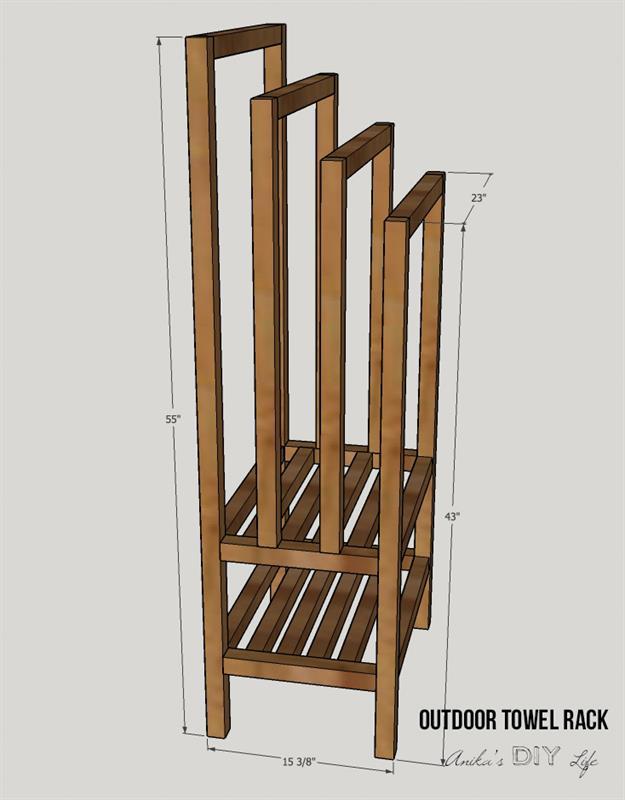
Credit: learn.kregtool.com
Frequently Asked Questions
What Type Of Wood Is Best For Towel Racks?
Cedar, pine, and oak are great choices for towel racks. They are durable, moisture-resistant, and easy to work with. Choose wood that suits your bathroom decor and budget for the best results.
How Do I Prevent Wood Towel Racks From Warping?
Seal your wooden towel rack with a water-resistant finish. Use polyurethane or varnish to protect against moisture. This prevents warping and extends the life of your towel rack in humid environments.
What Tools Are Needed To Build A Wooden Towel Rack?
You will need a saw, drill, screws, sandpaper, and measuring tape. A level and clamps help with precision. These basic tools allow you to cut, assemble, and finish your towel rack easily.
Can I Customize The Size Of My Wooden Towel Rack?
Yes, wooden towel racks can be tailored to fit any space. Measure your available wall area first. Adjust the length and number of bars according to your needs for a perfect fit.
Conclusion
Building a wooden towel rack is simple and satisfying. You only need basic tools and materials. Follow the steps carefully to ensure a strong rack. Customizing the size fits your space perfectly. This project adds a personal touch to your bathroom.
Enjoy the pride of using something you made yourself. Wooden racks last long and look great too. Try this DIY and see how easy it can be. Your towels will thank you!