Have you ever wondered what actually happens inside your smoke detector when it senses smoke? Understanding how this small device works can give you peace of mind and help you keep your home safer.
You’ll discover the simple science behind smoke detectors and why they are your first line of defense against fire. By the time you finish reading, you’ll know exactly how your smoke detector protects you and what to do to make sure it’s always ready to alert you in an emergency.
Keep reading—your safety depends on it.
Types Of Smoke Detectors
Smoke detectors come in different types. Each type uses a unique method to detect smoke. Knowing these types helps you choose the right one for safety.
Ionization Smoke Detectors
Ionization smoke detectors use a small amount of radioactive material. This material ionizes the air inside a chamber. When smoke enters, it disrupts the ion flow. The detector senses this change and sounds the alarm. These detectors respond quickly to fast, flaming fires.
Photoelectric Smoke Detectors
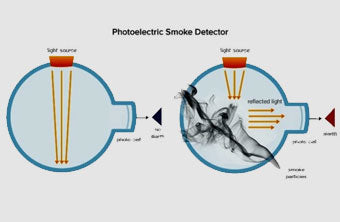
Photoelectric smoke detectors use a light beam inside a sensing chamber. Smoke particles scatter the light, triggering the alarm. They are better at detecting slow, smoldering fires. These fires produce more smoke but less flame. Photoelectric detectors reduce false alarms from cooking smoke.
Combination Models
Combination smoke detectors include both ionization and photoelectric sensors. They provide broader fire detection coverage. These models alert you to both fast flames and slow smoke. Combination detectors offer enhanced safety for homes and offices.

Credit: www.x-sense.com
How Ionization Detectors Operate
Ionization smoke detectors use a simple but effective method to spot smoke. They rely on a small amount of radioactive material to sense changes in the air. This type of detector reacts quickly to tiny smoke particles from fast-burning fires. The technology inside these detectors helps keep homes safe by alerting people early.
Role Of Radioactive Material
Inside the detector is a tiny piece of radioactive material. It gives off charged particles called ions. These ions create a small electric current between two metal plates. The radioactive source is safe and sealed inside the device.
Detection Of Smoke Particles
When smoke enters the detector, it disrupts the flow of ions. Smoke particles attach to the ions and reduce the current. Less current means there is smoke in the air. The detector senses this change quickly.
Alarm Activation Process
The drop in current triggers the alarm system. The detector sounds a loud warning noise. This alerts people to the presence of smoke or fire. Immediate action can then be taken to stay safe.
Mechanics Of Photoelectric Detectors
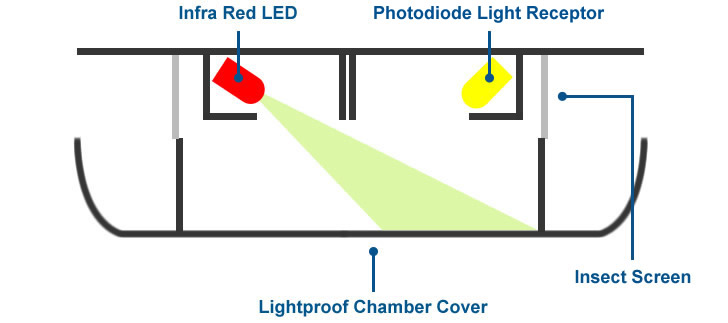
Photoelectric smoke detectors use light to find smoke early. They work differently than ionization detectors. These detectors focus on smoke particles in the air. Their design helps detect smoldering fires that produce thick smoke. Understanding their mechanics shows why they are reliable and safe.
Light Scattering Principle
Inside the detector, a light source shines into a small chamber. The light does not hit the sensor directly. It moves through the chamber in a clear path. When smoke enters, it changes the light’s path. Smoke particles scatter the light. This scattering redirects light to the sensor.
Smoke Particle Interaction
Smoke particles are tiny bits of carbon and ash. They float inside the detector’s chamber. When these particles scatter light, the sensor detects a change. More smoke means more scattered light. The sensor measures this change. It helps the detector know smoke is present.
Triggering The Alarm
The sensor sends a signal to the alarm system. The system checks if the signal is strong enough. If yes, the alarm sounds to warn people. This early warning gives time to act. It helps prevent injuries and damage from fire.
Credit: www.safelincs.co.uk
Power Sources And Maintenance
Smoke detectors need power to work properly. They get energy from different sources. Proper maintenance keeps them ready to alert you in emergencies. Understanding power sources helps you choose the right detector. Regular care extends the life of your smoke alarm.
Battery-powered Units
Battery-powered smoke detectors use replaceable or sealed batteries. They are easy to install anywhere in your home. These units work even during power outages. Replace batteries at least once a year. Some models beep when batteries run low. Always keep spare batteries nearby.
Hardwired Systems
Hardwired smoke detectors connect to your home’s electrical system. They often have battery backups for power failures. These systems link multiple alarms together. When one sounds, all alarms ring. Installation requires professional help. Hardwired units need less frequent battery changes.
Regular Testing And Replacement
Test smoke detectors monthly by pressing the test button. This checks if the alarm sounds properly. Clean detectors regularly to remove dust and debris. Replace smoke alarms every 10 years. Old units may not detect smoke effectively. Staying on top of maintenance saves lives.
Common False Alarms And Prevention
Smoke detectors are vital for home safety. False alarms can cause frustration and reduce trust in these devices. Understanding common causes helps prevent these false alerts. Proper placement and regular maintenance keep detectors working well. This section explains how to avoid false alarms effectively.
Causes Of False Alarms
Smoke detectors can trigger false alarms from steam, dust, or insects. Cooking fumes often cause alarms in kitchens. Strong smoke from candles or fireplaces may also set off alerts. Low batteries can lead to frequent beeping. Each cause affects detector sensitivity differently.
Proper Placement Tips
Place smoke detectors away from kitchens and bathrooms. Avoid spots near windows or vents where drafts occur. Install detectors on ceilings or high walls for best coverage. Keep devices at least 10 feet from cooking appliances. Proper placement reduces false alarms significantly.
Maintenance To Reduce False Alerts
Test smoke detectors monthly to ensure they work. Replace batteries at least once a year. Clean detectors regularly to remove dust and debris. Use a vacuum or soft brush for cleaning. Replace old detectors every 10 years for reliable protection.
Advancements In Smoke Detection Technology
Smoke detectors have seen many changes in recent years. These updates make homes safer and give users more control. New technology helps detect smoke faster and with fewer false alarms. Devices now connect with other smart tools in the house. This allows for better monitoring and quick action during emergencies.
Advancements also focus on making smoke detectors easy to use. They include better sensors and smarter alert systems. These improvements help protect families more effectively than older models.
Smart Smoke Detectors
Smart smoke detectors link to Wi-Fi and mobile apps. They send alerts directly to your phone if smoke is detected. This means you get warnings even when away from home. Some models also show battery life and test results on your device. This keeps the detector ready and working properly.
Integration With Home Automation
Modern smoke detectors can connect with home automation systems. They work with smart lights, alarms, and locks. If smoke appears, lights can flash to warn everyone. Doors can unlock automatically for a quick escape. This helps create a safer environment during emergencies.
Enhanced Sensitivity Features
New smoke detectors use advanced sensors for better accuracy. They can detect very small amounts of smoke quickly. These devices reduce false alarms from cooking or steam. The improved sensitivity helps catch fires early, giving more time to act. This feature is especially useful in busy homes.
Credit: www.x-sense.com
Frequently Asked Questions
How Does A Smoke Detector Sense Smoke?
A smoke detector senses smoke using optical or ionization sensors. Optical detectors detect smoke particles by light disruption. Ionization detectors detect smoke by changes in electrical current caused by smoke particles. Both types alert you by sounding an alarm to warn of potential fire.
What Powers A Smoke Detector?
Smoke detectors are powered by batteries or hardwired into the building’s electrical system. Battery-powered units offer portability and easy installation. Hardwired detectors often include battery backups for power outages, ensuring continuous operation and safety at all times.
How Often Should Smoke Detectors Be Tested?
Smoke detectors should be tested monthly to ensure proper function. Press the test button until the alarm sounds. Regular testing helps detect faults early, keeping your home safe and your detector fully operational.
What Causes False Alarms In Smoke Detectors?
False alarms can be triggered by cooking smoke, steam, dust, or insects. Improper placement near kitchens or bathrooms increases false alarms. Regular cleaning and strategic installation reduce unnecessary alerts and maintain detector reliability.
Conclusion
Smoke detectors save lives by alerting us to danger quickly. They sense smoke and sound an alarm to warn everyone. Regular testing keeps them working well. Replace batteries often to avoid false alarms. Place detectors in key areas like bedrooms and kitchens.
Understanding how they work helps us stay safe. A small device, a big difference. Stay alert, stay protected.