Your home’s safety depends on having reliable smoke detectors. If you want to protect your family and property, installing hard wired smoke detectors is one of the best steps you can take.
But you might be wondering, “How do I install these devices myself without making mistakes? ” Don’t worry. This guide will walk you through every step in a simple, clear way. By the time you finish reading, you’ll feel confident to set up your hard wired smoke detectors quickly and correctly.
Keep reading to make your home safer right now.
Credit: www.homedepot.com
Choosing The Right Smoke Detectors
Choosing the right smoke detectors is crucial for home safety. Hard wired smoke detectors offer reliable protection by connecting directly to your home’s power. Picking the best type ensures early warning during emergencies. It also makes installation easier and maintenance simpler.
Types Of Hard Wired Smoke Detectors
Photoelectric smoke detectors sense slow, smoldering fires. They react to smoke particles in the air. Ionization smoke detectors detect fast, flaming fires. Both types can be hard wired and interconnected. Combination detectors include both photoelectric and ionization sensors. Choose the type based on your home’s needs.
Key Features To Consider
Look for detectors with battery backup. This keeps them working during power outages. Interconnectivity allows all alarms to sound together. Loud alarms with clear sound help alert everyone. Some models include hush buttons to silence false alarms. Easy installation and long-lasting sensors save time and money.
Compliance And Safety Standards
Ensure smoke detectors meet national safety standards. Look for UL (Underwriters Laboratories) or equivalent certification. Follow local building codes for installation locations. Compliance guarantees the device works well and is safe. Using certified alarms reduces risk and improves reliability.
Gathering Tools And Materials
Before installing hard wired smoke detectors, gather all necessary tools and materials. This step saves time and avoids interruptions. Having everything ready makes the process smooth and safe. You will need some basic tools, extra materials, and safety gear. Prepare these items carefully.
Essential Tools List
- Electric drill with bits
- Wire stripper and cutter
- Screwdriver set (flathead and Phillips)
- Voltage tester
- Measuring tape
- Wire nuts/connectors
- Step ladder
Additional Materials Needed
- Hard wired smoke detectors
- Electrical boxes (if not already installed)
- Electrical wire (usually 14/3 gauge)
- Wire staples or clips
- Electrical tape
- Mounting screws
- Instruction manual from the smoke detector
Safety Gear Recommendations
- Insulated gloves to prevent electric shock
- Safety goggles to protect eyes from debris
- Dust mask for airborne particles
- Non-slip shoes for stable footing
- Long sleeves to protect arms
Preparing For Installation
Preparing for the installation of hard wired smoke detectors is crucial for safety and efficiency. Taking time to plan ensures a smooth process. Proper preparation avoids mistakes and saves time during the setup.
Turning Off Power
Safety starts with turning off the power at the circuit breaker. This step prevents electric shocks during installation. Use a voltage tester to confirm no electricity flows to the wires. Never skip this important safety step.
Locating Detector Positions
Choose detector locations carefully for best coverage. Place detectors in hallways, near bedrooms, and on every floor. Avoid areas near windows, fans, or kitchens to reduce false alarms. Follow local building codes for placement rules.
Planning Wiring Routes
Plan wiring routes to connect all detectors efficiently. Use the shortest path while avoiding sharp bends and obstacles. Keep wires away from heat sources and water pipes. Mark the routes on a map for easy installation.
Installing The Smoke Detectors
Installing hard wired smoke detectors is a key step to improve home safety. Proper installation ensures the detectors work correctly and alert you early in case of fire. Follow clear steps to mount, wire, and secure each unit safely.
Mounting The Detector Base
Start by choosing the right spot on the ceiling or high on a wall. Use a pencil to mark the screw holes of the detector base. Drill small holes for the wall plugs if needed. Screw the base firmly so it does not move. A steady base keeps the detector stable and reliable.
Connecting The Wiring
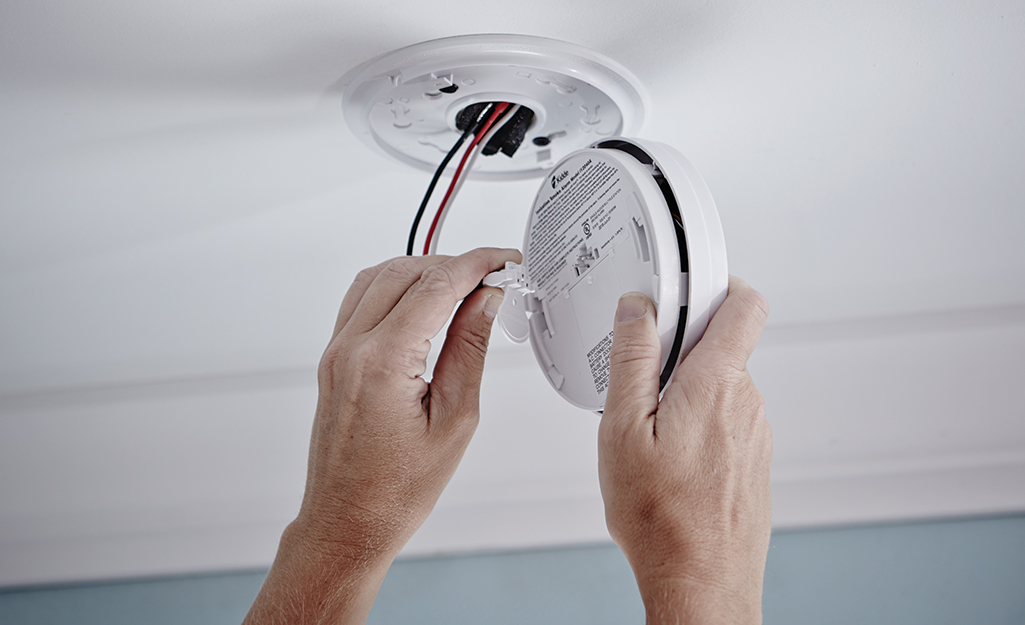
Turn off the power at the circuit breaker first. Match the wires from the detector to the home wiring by color: usually black, white, and red or yellow for interconnection. Use wire nuts to twist the wires together tightly. Double-check that no wire strands are loose or exposed. Proper wiring helps the detector receive power and link with others.
Securing The Detector Unit
Align the detector unit with the base. Twist or snap the detector into place according to the model instructions. Test the unit by pressing the test button to hear the alarm sound. Secure the unit firmly so it does not fall off. A well-secured detector works effectively and lasts longer.
Testing And Maintenance
Testing and maintenance are key to keeping your hard wired smoke detectors working well. Regular checks help ensure your home stays safe from fire risks. Simple steps can prevent problems and make sure alarms sound when needed.
Powering On And Initial Tests
After installation, power on the smoke detector from the main circuit. Check that the indicator light is on. Press the test button to hear the alarm sound. This confirms the device is working properly. If there is no sound, check wiring or call a professional.
Regular Testing Procedures
Test your smoke detectors once a month. Press the test button firmly until the alarm sounds. This ensures sensors and electronics work correctly. If the alarm is weak or silent, replace or repair the unit. Keep a log of test dates to track maintenance.
Cleaning And Battery Backup Checks
Dust and debris reduce detector sensitivity. Clean the detector housing gently with a soft brush or vacuum monthly. Check the battery backup even if wired. Replace backup batteries yearly or when low battery alerts sound. Clean detectors help maintain reliable operation.
:max_bytes(150000):strip_icc()/install-hardwired-smoke-detectors-1152329_FINAL-5233cb01c4f34ee1bae5860132624788.png)
Credit: www.thespruce.com
Troubleshooting Common Issues
Troubleshooting hard wired smoke detectors helps keep your home safe. Problems can happen during or after installation. Fixing them quickly ensures the detectors work well. This guide covers common issues and simple fixes.
Detector Not Powering On
Check the power source first. Ensure the circuit breaker is on. Look for loose wires in the detector. Tighten all connections firmly. Test with a voltage meter if possible. Replace the fuse if needed. Sometimes, the detector itself may be faulty. Try swapping with a new unit.
False Alarms
False alarms can be annoying and confusing. Clean the detector regularly to remove dust. Avoid placing detectors near kitchens or bathrooms. Steam and cooking smoke trigger alarms. Use a detector with a hush feature. Check for insects inside the detector. Bugs can cause false alarms. Replace old detectors after 10 years.
Interconnection Problems
Interconnected detectors should all sound together. Check the wiring between units carefully. Look for broken or loose wires. Test each detector individually. Replace any damaged cables. Make sure all detectors use the same voltage. Reset the system by turning off power briefly. Consult the manual for specific wiring instructions.
:max_bytes(150000):strip_icc()/install-hardwired-smoke-detectors-1152329-07-e423cc5f28c342089d65bd675e5d4e20.jpg)
Credit: www.thespruce.com
Frequently Asked Questions
How Do You Install Hard Wired Smoke Detectors Safely?
Turn off the power before installation. Follow the wiring diagram. Use a voltage tester to ensure no power. Mount the detector securely on the ceiling or wall. Connect wires using wire nuts and restore power to test.
What Tools Are Needed For Smoke Detector Installation?
You need a drill, screwdriver, wire stripper, voltage tester, and wire nuts. A ladder and pencil help with mounting. Safety gloves and goggles are recommended. These tools ensure a safe and efficient installation process.
Can Hard Wired Smoke Detectors Be Interconnected?
Yes, hard wired smoke detectors can be interconnected. This means if one detector senses smoke, all alarms sound. Interconnection enhances safety by providing whole-home alerts. Follow manufacturer instructions for proper wiring and connection.
How Often Should Hard Wired Smoke Detectors Be Tested?
Test your detectors monthly to ensure they work. Press the test button until the alarm sounds. Replace batteries annually, even if hard wired. Regular testing keeps your home safe and compliant with safety codes.
Conclusion
Installing hard wired smoke detectors improves home safety significantly. These devices provide constant power and reliable alerts. Follow all steps carefully for proper installation. Test each detector to ensure it works correctly. Regular checks keep your system effective and ready.
Protect your family with these important safety tools. Safety starts with simple, clear actions like these. Take the time to install detectors right. Peace of mind is worth the effort spent.