Have you ever wondered how to disconnect a smoke detector safely and quickly? Whether you need to replace the batteries, stop a false alarm, or upgrade your system, knowing the right steps can save you time and frustration.
But be careful—disconnecting a smoke detector the wrong way can put your home’s safety at risk. In this guide, you’ll learn exactly how to disconnect your smoke detector without causing damage or compromising your protection. Keep reading to discover simple, clear instructions that anyone can follow.

Credit: www.youtube.com
Types Of Smoke Detectors
Smoke detectors come in different types. Each type works in a unique way. Knowing the type helps you disconnect it safely. It also guides you on maintenance and replacement.
Battery-powered Models
Battery-powered smoke detectors run on batteries only. They are easy to install anywhere. No wiring is needed. You must replace batteries regularly to keep them working. Disconnecting means removing the battery first. This type is common in homes and small spaces.
Hardwired Systems
Hardwired smoke detectors connect directly to your home’s electricity. They usually have a battery backup. These detectors work even if the power goes out. Disconnecting needs turning off the power at the circuit breaker first. Then, you can safely remove the detector from its base.
Combination Units
Combination units mix features of battery and hardwired models. They are linked to the electrical system but use batteries as backup. This design gives extra safety. Disconnecting requires both power off and battery removal. These units are common in modern homes.
When To Disconnect A Smoke Detector
Knowing when to disconnect a smoke detector is important for safety and convenience. Disconnecting the device at the right time helps avoid issues and keeps your home protected. There are a few key situations when it is safe and necessary to disconnect a smoke detector.
During Maintenance
Disconnect the smoke detector before cleaning or servicing it. This prevents accidental alarms and damage to the device. Always turn off the power source or remove the battery first. This step keeps you safe and protects the detector.
Replacing Batteries
Remove the smoke detector’s power source before changing batteries. Disconnecting ensures you do not trigger false alarms. It also protects the battery contacts and wiring. Replace old batteries promptly to keep the detector working well.
Avoiding False Alarms
Disconnect the smoke detector during activities that may cause false alarms. Cooking smoke, steam, or dust can trigger the alarm unnecessarily. Temporarily turning off the detector helps prevent loud, unwanted noise. Remember to reconnect it immediately after the activity ends.
Tools Needed For Disconnection
Disconnecting a smoke detector needs the right tools. These tools make the job safe and simple. Knowing what to prepare helps avoid problems during disconnection.
Basic Tools
A small flathead screwdriver is often required. It helps to open the detector’s cover. A ladder or step stool is useful to reach ceiling-mounted detectors. A pair of needle-nose pliers can be handy for handling wires. Keep a flashlight nearby to see clearly in dim areas. These tools cover most basic disconnection tasks.
Safety Equipment
Safety is key when working with smoke detectors. Use insulated gloves to protect from electric shocks. Safety glasses shield your eyes from dust or debris. Wearing a dust mask prevents inhaling particles during removal. Ensure your ladder is sturdy and placed on a flat surface. Taking these safety steps reduces risks while disconnecting.
Credit: support.firstalert.com
Step-by-step Disconnection Process
Disconnecting a smoke detector is a simple task. It helps during maintenance or replacement. Follow the steps carefully to avoid damage or injury. Safety should come first. This guide breaks down the process into clear steps.
Turning Off Power Supply
Start by cutting power to the smoke detector. Find the circuit breaker in your home’s electrical panel. Switch off the breaker controlling the detector. This stops electricity flow. It prevents shocks while working on the device.
Removing The Detector From The Base
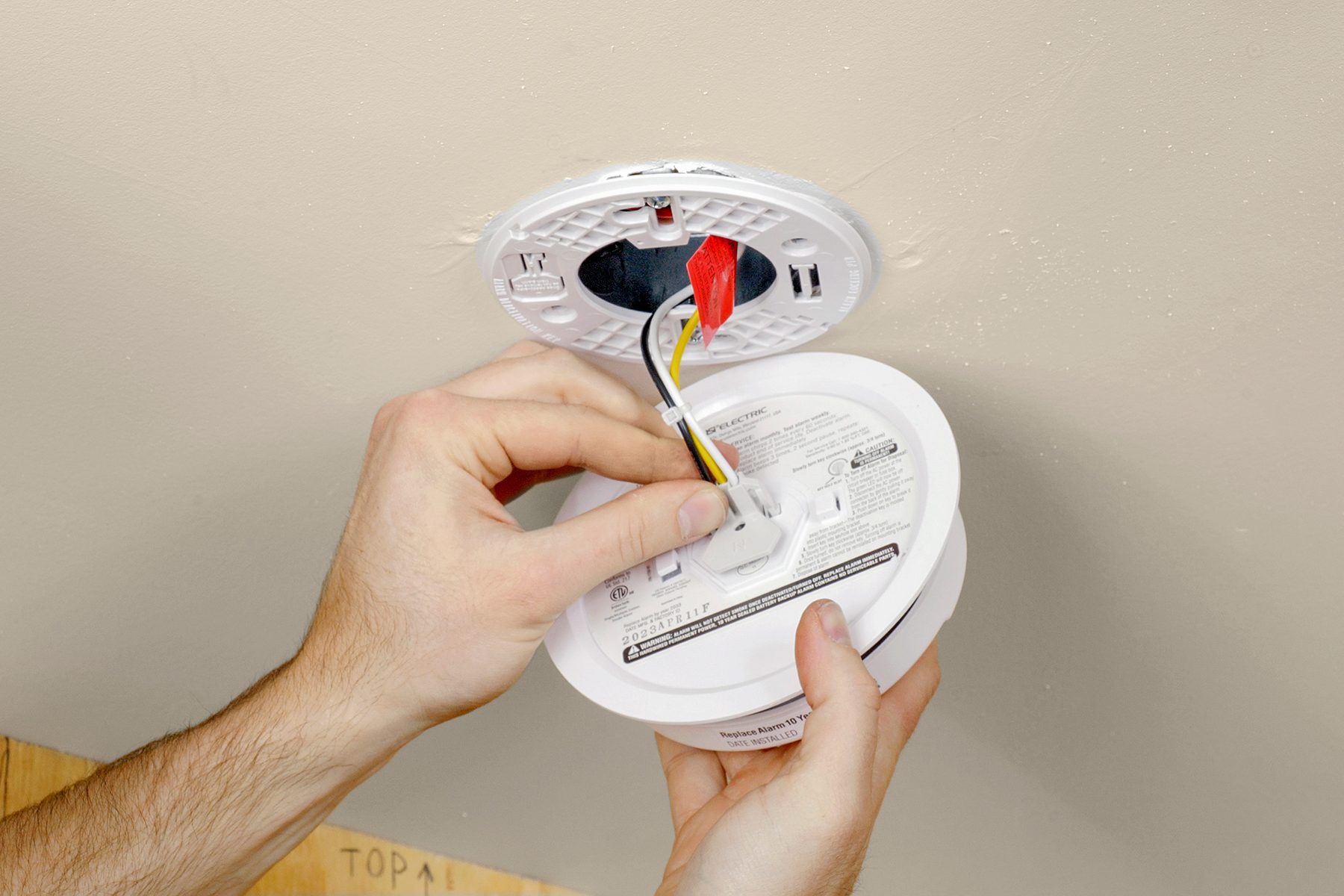
Next, gently twist the smoke detector counterclockwise. It should release from the mounting base. Pull it down slowly. Some models may have clips or screws. Use a screwdriver to loosen screws if needed. Keep the base on the ceiling or wall for later use.
Disconnecting The Battery
Locate the battery compartment on the back or side. Open it carefully. Take out the battery to cut power completely. Some detectors use a 9-volt battery. Others have AA or AAA cells. Dispose of old batteries properly.
Handling Hardwired Connections
For hardwired smoke detectors, find the wiring harness. This is a small plastic connector attached to wires. Press the tab and pull the connector apart. Do not pull on the wires directly. Keep the wires safe and away from metal objects. This avoids shorts and sparks.
Safety Tips While Disconnecting
Disconnecting a smoke detector requires care and attention. Safety matters most during this task. Follow simple tips to avoid risks and keep your home safe. Protect yourself, the device, and ensure it works well after reinstalling.
Avoiding Electrical Hazards
Turn off the power before touching the smoke detector. Use a ladder safely to reach the device. Do not pull on wires or force connections. Wear insulated gloves to protect from shocks. Check for any exposed wires and cover them immediately.
Preventing Damage To The Detector
Handle the smoke detector gently to avoid breaking parts. Avoid dropping or twisting the device during removal. Keep screws and mounting brackets safe for later use. Clean the detector with a soft cloth if needed. Store the device in a dry place until reinstallation.
Ensuring Proper Reinstallation
Mark the exact spot before disconnecting the detector. Use original screws and brackets for mounting. Connect wires firmly but without forcing them. Test the smoke detector after reinstalling to confirm function. Replace batteries with fresh ones if the device uses them.
Credit: www.familyhandyman.com
Troubleshooting Common Issues
Troubleshooting common issues with smoke detectors can save time and stress. Smoke detectors may not disconnect easily due to various reasons. Understanding these problems helps in fixing them quickly.
Detector Won’t Disconnect
Sometimes the smoke detector stays active even after pressing the disconnect button. This happens if the device is still powered. Remove the battery and cut the power supply to stop it. Some models have a lock feature; check your manual for release instructions.
Persistent Alarms
Alarms that keep sounding can be caused by dust or low batteries. Clean the detector gently with a soft brush or compressed air. Replace old batteries with fresh ones. Reset the unit by pressing the test or silence button after maintenance.
Power Supply Problems
Smoke detectors connected to home wiring may have power issues. Check the circuit breaker or fuse box for tripped switches. Ensure the wiring is intact and connected properly. If uncertain, call a professional electrician for help.
Frequently Asked Questions
How Do You Safely Disconnect A Smoke Detector?
Turn off the power at the circuit breaker first. Remove the detector from its mounting bracket. Disconnect the wiring harness carefully to avoid damage.
Can You Disconnect A Smoke Detector Without Tools?
Most smoke detectors require a screwdriver for removal. However, some models have a twist-lock mechanism for easy detachment without tools.
Why Would You Need To Disconnect A Smoke Detector?
You might disconnect it to replace batteries, perform maintenance, or upgrade to a newer model safely and efficiently.
How Long Can A Smoke Detector Stay Disconnected?
Avoid leaving it disconnected for more than a few minutes. Prolonged disconnection risks your safety and violates fire codes.
Conclusion
Disconnecting a smoke detector is simple when you follow the right steps. Always turn off the power before starting. Remove the detector carefully to avoid damage. Keep safety in mind to prevent accidents. Regular checks help keep your home safe.
Knowing how to disconnect helps during maintenance or battery changes. Stay cautious and take your time. This way, you protect yourself and your home. Safety always comes first.