Are you ready to make your home smarter and safer? Connecting your Smart Things Motion Sensor is easier than you think, and once set up, it can transform how you control lights, monitor activity, and protect your space.
In this guide, you’ll discover simple, step-by-step instructions that anyone can follow—no technical skills required. By the end, you’ll have your motion sensor up and running, giving you peace of mind and convenience at your fingertips. Keep reading to unlock the full potential of your smart home!
Choosing The Right Motion Sensor
Choosing the right motion sensor is key to a smart home that works well. The right sensor catches movement quickly and fits your home setup. It also saves energy by turning devices on and off at the right times. Not all sensors work the same way or with every system. Understanding the options helps you pick the best fit.
Types Of Smart Things Motion Sensors
SmartThings offers several types of motion sensors. Some use infrared to detect heat and movement. Others use ultrasonic waves to sense motion in a room. Some sensors combine both methods for better accuracy. Choose one based on your home size and where you want to place it. Battery-powered sensors offer easy setup without wires. Wired sensors may need professional installation but provide constant power.
Compatibility With Smart Home Systems
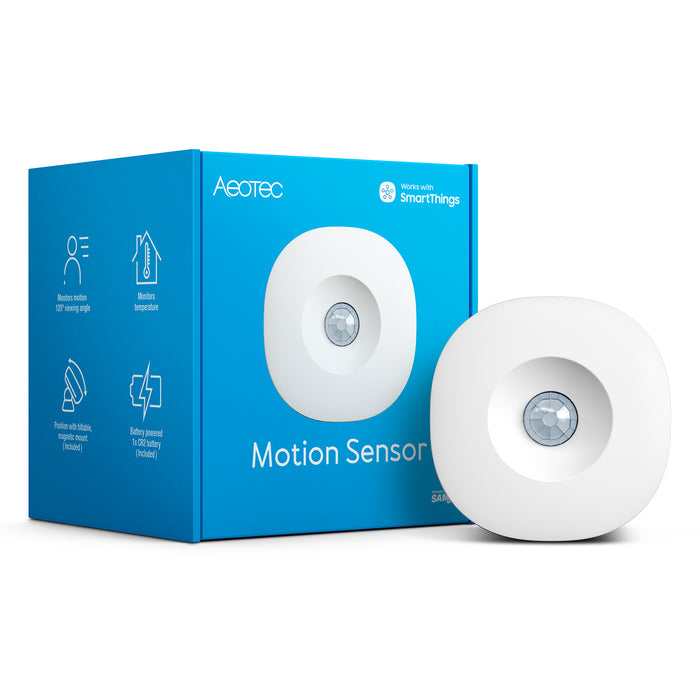
Check if the motion sensor works with your smart home hub. Some sensors connect only to specific brands or protocols. SmartThings sensors usually work with the SmartThings hub. Confirm they support protocols like Zigbee or Z-Wave used in your system. Compatibility ensures smooth setup and reliable communication. Using compatible sensors avoids connection problems and delays in alerts.
Credit: smartmatters.co
Preparing For Installation
Preparing for the installation of your Smart Things motion sensor is an important step. It helps ensure the sensor works well and lasts longer. Proper preparation makes the setup smooth and fast. Take time to get everything ready before starting the installation.
Gathering Necessary Tools
Collect all tools before you start. You will need a screwdriver to open the sensor or mount it. A ladder may help to reach high places safely. Keep the sensor’s user manual nearby for quick reference. Having batteries ready is useful if the sensor does not come pre-installed with them. A pencil can mark spots on the wall for mounting.
Selecting The Best Location
Choose a spot where the sensor can detect movement clearly. Avoid areas with direct sunlight or heat sources. These can cause false alarms or reduce sensor life. Place the sensor about 6 to 8 feet above the floor for best coverage. Corners of rooms often work well to cover wide areas. Keep the sensor away from windows and vents to avoid false triggers.
Installing The Motion Sensor
Installing the Smart Things Motion Sensor is simple and quick. Proper installation ensures accurate motion detection and smooth operation. This section explains how to install the sensor step by step.
Mounting Techniques
Choose a spot with a clear view of the area you want to monitor. The sensor works best mounted on a wall or ceiling. Use the included screws or adhesive strips to attach it firmly. Avoid placing it near heat sources or windows to reduce false alarms. Position the sensor about 6 to 8 feet high for optimal coverage.
Powering The Device
The motion sensor runs on batteries. Insert the batteries according to the polarity marks inside the compartment. Use fresh, high-quality batteries to ensure long battery life. Check the sensor’s battery level in the Smart Things app regularly. Replace batteries as needed to keep the sensor active without interruption.

Credit: community.smartthings.com
Connecting To Smartthings Hub
Connecting your Smart Things Motion Sensor to the SmartThings Hub is essential for seamless home automation. The hub acts as the central controller, allowing the sensor to communicate with other smart devices. This connection ensures your home stays secure and responsive to movement. Follow these steps for an easy setup.
Enabling Device Discovery
Start by opening the SmartThings app on your smartphone. Tap the plus icon (+) to add a new device. Select “Device” from the options. Choose “Motion Sensor” or search for your sensor model. The hub must be in discovery mode to find the sensor.
Put the SmartThings Hub into pairing mode. This allows the hub to detect new devices nearby. Usually, the hub blinks or shows a light during discovery. Keep the sensor close to the hub to improve connection chances.
Pairing The Sensor With The Hub
Press the sensor’s reset or pairing button. Hold it for a few seconds until the indicator light blinks. The hub will detect the sensor and add it to your device list. Confirm the device appears in the SmartThings app. Rename the sensor for easy identification.
Test the sensor by moving in front of it. The app should show motion detected instantly. This confirms the sensor communicates properly with the hub. If the sensor does not connect, repeat the pairing steps carefully. Keep the firmware updated for both the sensor and hub.
Configuring Sensor Settings
Configuring the sensor settings is a crucial step after connecting your Smart Things Motion Sensor. It ensures the sensor works precisely for your needs. Adjusting these settings helps you control how sensitive the sensor is and when it sends alerts. Proper setup prevents false alarms and missed detections. Let’s explore how to fine-tune these settings for the best performance.
Adjusting Sensitivity Levels
The sensitivity level controls how much motion the sensor detects. Too high sensitivity may cause false alerts from small movements. Too low sensitivity might miss important motion. Open the Smart Things app and find your motion sensor in the device list.
Look for the sensitivity option in the sensor settings. Adjust the slider or choose a level from low, medium, or high. Test the sensor by moving around the area. Change the sensitivity until it detects the right amount of motion without false triggers.
Setting Up Notifications
Notifications keep you informed when the sensor detects motion. You can choose to receive alerts on your phone or other devices. In the app, go to the notification settings for your motion sensor.
Turn notifications on or off based on your preference. Set specific times to receive alerts, like only during the night or when you are away. Customize the notification sound and vibration for quick awareness. This setup helps you stay updated without constant interruptions.
Testing The Motion Sensor
Testing the Smart Things Motion Sensor is a key step after installation. It ensures the sensor works correctly and detects movement accurately. This step saves time and avoids future issues with your smart home setup.
Begin by checking the sensor’s response to motion in different areas. Observe how well it senses movement and if it sends alerts to your smart device. This process helps confirm the sensor’s performance.
Verifying Detection Range
Stand at various distances from the motion sensor. Move slowly across its field of view. Notice the range where it detects motion clearly. The sensor should cover the area you want to monitor.
Test in both bright and dim lighting conditions. The sensor should detect movement without fail. Mark any spots where detection is weak or missed. Adjust the sensor placement to improve coverage.
Troubleshooting Common Issues
If the sensor does not detect motion, check the battery level first. Weak batteries cause poor performance. Replace batteries if needed and test again.
Make sure the sensor is clean and free from dust. Dirt can block the sensor’s view. Clean it gently with a dry cloth.
Check the sensor’s settings in the Smart Things app. Incorrect settings may prevent alerts. Reset or update the sensor if needed. Rebooting your smart hub can also fix connection problems.
Integrating With Other Smart Devices
Integrating your Smart Things Motion Sensor with other smart devices expands its functionality. This connection lets devices work together to create a smarter home. The sensor detects movement and triggers actions in other devices automatically. This setup improves convenience and saves energy. You can customize how devices respond to motion for your needs.
Creating Automation Rules
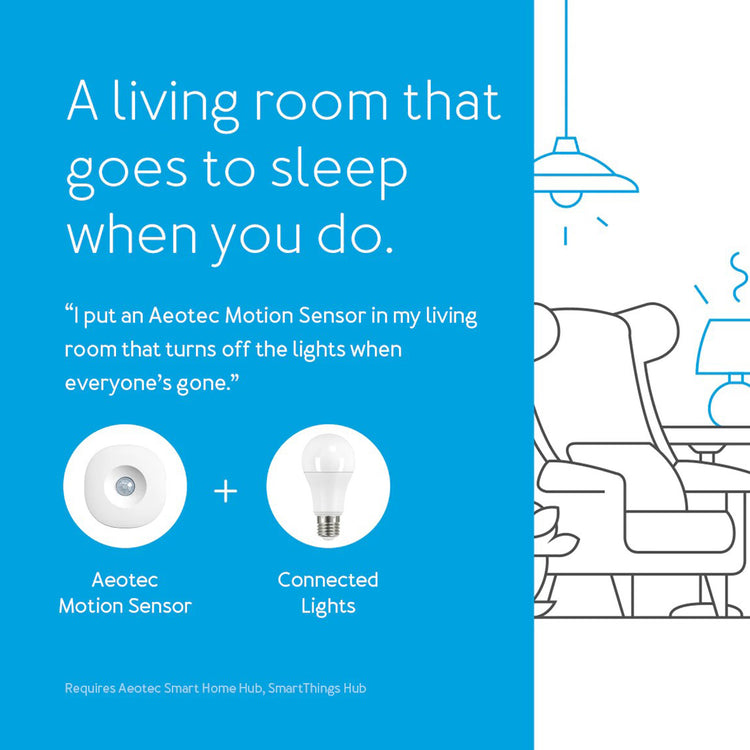
Automation rules link your motion sensor to other smart devices. For example, you can set lights to turn on when motion is detected. This rule saves you from searching for switches in the dark. You can also link the sensor to smart thermostats. The thermostat adjusts the temperature when someone enters a room. Setting these rules is simple using your smart home app. Choose the motion sensor as the trigger and select the device to control. You can create many rules for different rooms and times.
Enhancing Home Security
The motion sensor boosts home security by working with alarms and cameras. When it detects motion, the sensor can activate a security camera to record. It can also sound an alarm to warn of intruders. This setup helps you monitor your home remotely. Receive instant alerts on your phone if motion is detected. Combining these devices creates a strong security system. It gives peace of mind and protects your family and property.
Maintaining Your Motion Sensor
Maintaining your Smart Things motion sensor ensures it works well over time. Regular care helps avoid problems and keeps your home safe. Simple steps can extend the life of your sensor and keep it reliable.
Battery Replacement Tips
Check the battery level often. A low battery can cause the sensor to stop working. Use the correct battery type for your model. Remove the old battery carefully to avoid damage. Insert the new battery with the right side up. Test the sensor after changing the battery to confirm it works.
Firmware Updates
Keep your sensor’s firmware up to date. Updates fix bugs and improve performance. Use the Smart Things app to check for updates. Connect your sensor to a strong Wi-Fi signal before updating. Follow the app instructions to complete the update. Regular updates keep your sensor running smoothly.
Credit: store.aeotec.com
Frequently Asked Questions
How Do I Pair Smartthings Motion Sensor?
To pair, open the SmartThings app and select Add Device. Press the sensor’s button until it blinks. Follow on-screen instructions to complete pairing.
Where Should I Place The Smartthings Motion Sensor?
Place the sensor in high-traffic areas or entry points. Avoid direct sunlight and metal surfaces to ensure accurate detection and connectivity.
How Do I Reset Smartthings Motion Sensor?
Press and hold the sensor’s button for about 10 seconds until the LED blinks. This resets the device to factory settings.
What Batteries Does Smartthings Motion Sensor Use?
The sensor uses a CR2 lithium battery. It typically lasts up to two years under normal usage.
Conclusion
Connecting your Smart Things Motion Sensor is simple and quick. Follow each step carefully for best results. Make sure the sensor is within range of your hub. Test the sensor after setup to check it works properly. This device can help keep your home safe and smart.
Enjoy the convenience it brings to daily life. Keep your system updated for smooth performance. Stay secure, stay connected.