Is your hardwired smoke detector beeping nonstop, driving you crazy? You’re not alone.
Knowing how to turn off a smoke detector hardwired into your home can save you from unnecessary stress and noise. But it’s important to do it safely and correctly to avoid any risks. In this guide, you’ll learn simple, clear steps to silence your smoke detector quickly — without compromising your safety.
Keep reading to take control and stop that annoying alarm today.
Credit: www.familyhandyman.com
Safety Precautions
Safety is the top priority when turning off a hardwired smoke detector. This task involves electricity, which can be dangerous. Taking the right precautions protects you from shocks and damage. Follow these simple safety steps before starting.
Always prepare well. Do not rush or skip any steps. Careful actions keep you safe and make the process easier.
Gather Necessary Tools
Collect all tools before you begin. You will need a screwdriver, a voltage tester, and a ladder. Have a flashlight nearby in case the area is dark. Make sure tools are in good condition to avoid accidents.
Turn Off Power At Circuit Breaker
Go to your home’s circuit breaker box. Find the switch that controls the smoke detector’s power. Flip it to the “off” position. This stops electricity from flowing to the detector. Never work on electrical devices without cutting power first.
Test For Power Disconnection
Use a voltage tester to check if power is off. Touch the tester to the smoke detector wires carefully. No light or sound means no electricity. If the tester shows power, switch off the breaker again. Only continue once power is fully disconnected.
Credit: www.youtube.com
Locate The Smoke Detector
Before turning off a hardwired smoke detector, find its exact location. Smoke detectors are usually on ceilings or high on walls. Knowing where the unit is helps you work safely and quickly. This step is important to avoid any damage or confusion.
Hardwired smoke detectors are connected to your home’s electrical system. They look different from battery-only units. Recognizing these units makes the process easier and safer.
Identify Hardwired Units
Hardwired smoke detectors have a power cable attached. This cable runs through your home’s wiring. The detector might have a small backup battery inside.
Look for a wire running into the back of the unit. Battery-only models do not have this wire. Hardwired units often have a test button on the front.
Accessing The Detector
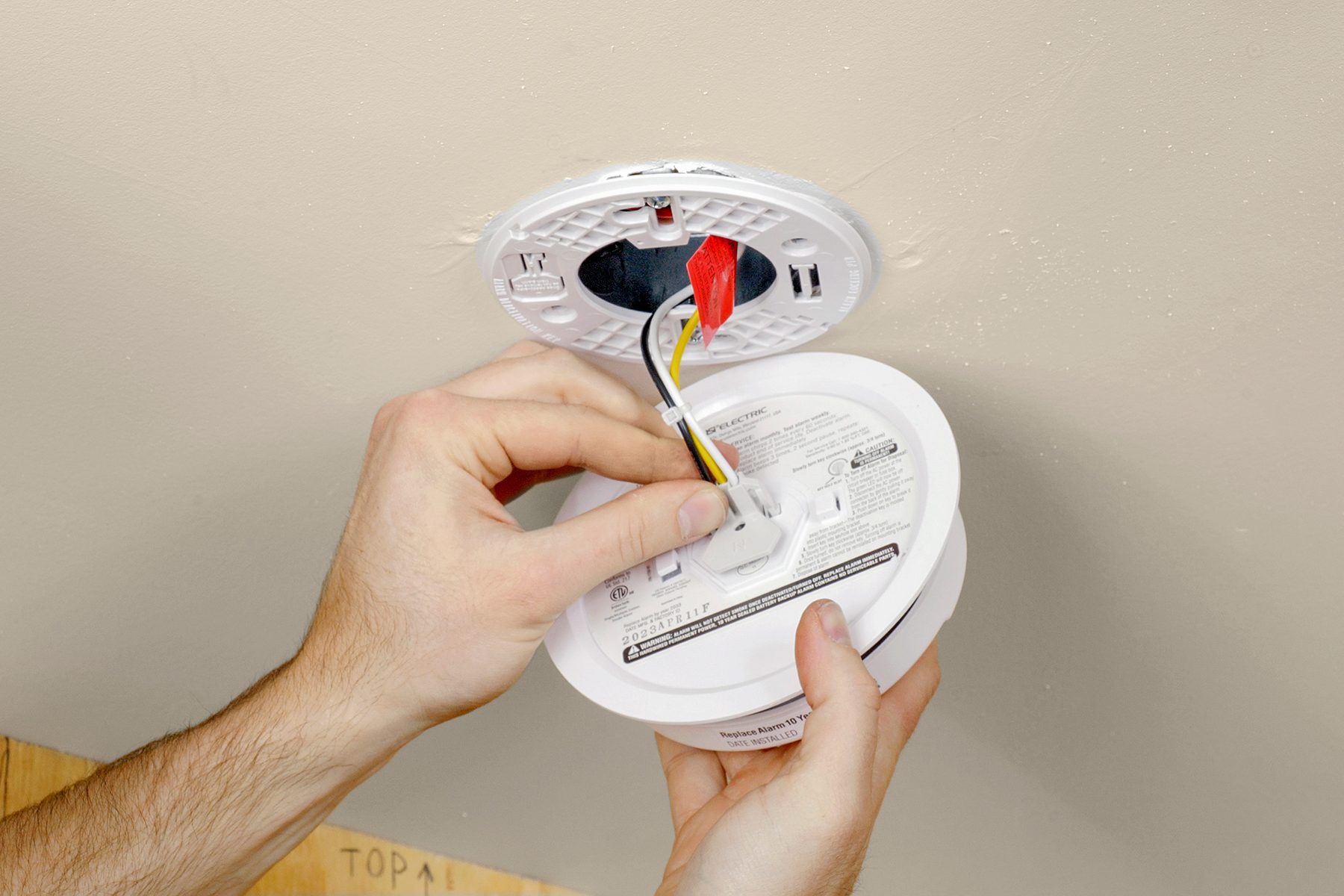
Most smoke detectors twist or slide off the mounting plate. Use one hand to hold the base. Turn the detector counterclockwise to remove it.
Be careful not to pull too hard. The wires connect the detector to the ceiling. Gently lower the detector to access the wiring plug.
Disconnect The Smoke Detector
Disconnecting a hardwired smoke detector is a key step before turning it off safely. This process stops the power supply and allows you to handle the device without risk. Follow the steps carefully to avoid damage or injury.
Remove The Detector From Mounting
First, locate the smoke detector on the ceiling or wall. Hold the base firmly and twist the detector counterclockwise. The device will release from its mounting bracket. Be gentle to avoid breaking the plastic parts.
Once loose, pull the detector down slowly. Keep it close to avoid dropping it. Set the detector on a safe surface to work on the next step.
Unplug Connector Safely
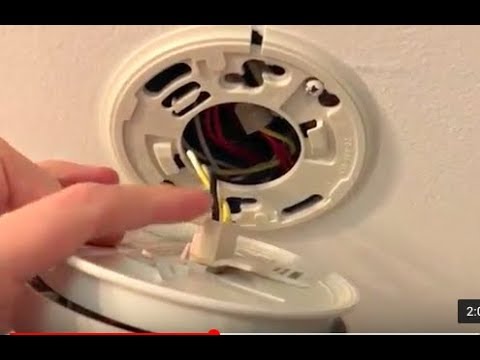
Look behind the detector for the wiring connector. This plug links the detector to the house power. Press the release tab on the connector carefully. Pull the plug straight out without twisting.
Make sure the power is off at the circuit breaker before unplugging. This prevents electric shocks. After unplugging, the detector has no power and is safe to handle or replace.

Credit: waynealarm.com
Turn Off Smoke Detector Temporarily
Turning off a hardwired smoke detector temporarily can stop annoying alarms without disconnecting power. This helps during cooking or minor smoke incidents. It is important to keep safety in mind and only silence the alarm for short periods.
Silence False Alarms
False alarms happen often with hardwired smoke detectors. Steam or dust can trigger the sensor. To silence the alarm, press the “silence” or “hush” button on the detector. This stops the sound for a few minutes. The alarm will turn back on automatically after the time ends.
Replace Batteries If Needed
Even hardwired smoke detectors have backup batteries. Low batteries cause frequent beeping or false alarms. Open the detector’s cover and remove old batteries. Insert fresh batteries, matching the type recommended by the manufacturer. Close the cover and test the alarm. This often stops the alarm from sounding unnecessarily.
Reconnecting And Testing
After turning off your hardwired smoke detector, reconnecting and testing are key steps. These ensure the device works correctly and keeps your home safe. Follow these simple instructions to put everything back in place and check its function.
Secure Detector Back In Place
First, align the smoke detector with its mounting bracket. Gently twist or snap it into position. Make sure it sits firmly and does not wobble. A loose detector can cause false alarms or fail to detect smoke.
Restore Power
Next, turn the power back on at the circuit breaker. This restores electricity to the smoke detector. Listen for a short beep or a light that turns on. These signs show the detector has power again.
Test Detector Functionality
Press the test button on the detector. Hold it for a few seconds until you hear a loud alarm. This test checks the battery and sensor. If the alarm sounds clear, your detector is working properly.
Troubleshooting Common Issues
Troubleshooting common issues with hardwired smoke detectors saves time and stress. These devices are crucial for safety but sometimes act up. Knowing how to fix simple problems helps keep your home safe.
Many problems come from power supply or sensor errors. Understanding these issues helps you turn off the alarm properly. Let’s explore common problems and easy solutions.
Detector Won’t Turn Off
Check the circuit breaker first. Sometimes the power is still on, keeping the alarm active. Turn off the breaker to cut power completely.
Look for a backup battery inside the detector. Removing or replacing it can stop the alarm. Clean the detector to remove dust or debris causing false alarms.
Press and hold the test button for 15-20 seconds. This often resets the detector and stops the sound. If the alarm stays on, the detector may need replacing.
Persistent Alarm Sounds
Smoke or steam near the detector can cause false alarms. Move the detector away from kitchens or bathrooms if possible.
Check the battery even in a hardwired unit. A weak battery can cause constant beeping. Replace it with a fresh one to stop the noise.
Inspect the wiring for loose connections. Tighten any loose wires to restore proper function. Call a professional if you do not feel safe handling electrical parts.
When To Call A Professional
Turning off a hardwired smoke detector may seem simple. But some situations need a professional’s help. Knowing when to call an expert keeps you safe and avoids damage.
Complex Wiring Issues
Hardwired smoke detectors connect to your home’s electrical system. This wiring can be tricky and hidden inside walls or ceilings. Problems like faulty wiring or unclear connections need expert skills. A professional can find and fix these safely. Trying to handle complex wiring without training can cause electrical shorts or fires.
Safety Concerns
Electricity and smoke detectors do not mix well without care. Turning off a hardwired detector wrong can cause shocks or damage. Professionals use tools and knowledge to avoid risks. They also ensure detectors work after repairs. Safety should always come first when dealing with electrical devices.
Frequently Asked Questions
How Do I Safely Turn Off A Hardwired Smoke Detector?
First, turn off the power at the circuit breaker. Then, remove the detector from its mounting bracket. Disconnect the wiring harness carefully to avoid damage. Never cut wires unless necessary and ensure power remains off during the process.
Can I Disable A Hardwired Smoke Detector Temporarily?
Yes, you can temporarily disable it by turning off the power at the breaker. Remove the detector and disconnect the wiring harness. Remember to restore power and reconnect the detector as soon as possible for safety.
What Tools Are Needed To Turn Off A Hardwired Smoke Detector?
You will need a screwdriver, usually a flathead or Phillips. Also, use a ladder to reach the detector safely. Optionally, a voltage tester can confirm power is off before handling wires.
Is It Safe To Turn Off A Hardwired Smoke Detector?
Turning off a smoke detector temporarily is safe if done properly. Always cut power at the breaker first. Avoid disabling detectors for long periods to maintain home safety and comply with fire codes.
Conclusion
Turning off a hardwired smoke detector needs care and safety. Always cut power before starting any work. Follow the steps carefully to avoid damage. Remember, smoke detectors keep your home safe. Use these tips only when needed, not often. If unsure, ask a professional for help.
Keeping your detector working well matters most. Stay safe and protect your home every day.