
Is your smoke detector constantly chirping and driving you crazy? That annoying beep can interrupt your peace and make it hard to focus.
You might wonder why it won’t stop and how to fix it quickly. The good news is, you don’t need to call a professional right away. You’ll discover simple steps to silence that chirp for good. Keep reading, and you’ll learn exactly what to do to bring back calm to your home.

Credit: www.angi.com
Reasons For Chirping
Smoke detectors chirp to alert you. This sound means something needs your attention. Understanding why your smoke detector chirps helps you fix it fast. It can keep your home safe and quiet.
Low Battery Signals
The most common reason for chirping is a low battery. Smoke detectors need power to work. When the battery runs low, the device chirps to warn you. Changing the battery often stops the noise. Use the right battery type for your model.
Dust And Dirt Buildup
Dust or dirt inside the detector can cause chirping. These particles block the sensor. The detector thinks there is smoke and starts to beep. Cleaning the device gently can solve this problem. Use a soft brush or vacuum to remove dust.
End Of Life Indicator
Smoke detectors do not last forever. Most devices work for about 8 to 10 years. After that, they chirp to show they need replacement. Check the date on the back of your detector. Replace it if it is old to keep your home safe.
Electrical Issues
Wired smoke detectors may chirp due to electrical problems. Loose wires or power surges can cause false alarms. Make sure all connections are secure. Call an electrician if you are unsure or see damage.
Preparing To Fix Chirping
Before fixing a chirping smoke detector, preparation is key. Taking the right steps helps solve the problem quickly and safely. This section explains what you need and how to stay safe during the process.
Gathering Necessary Tools
Collecting the right tools makes the repair easier. Most smoke detectors need a small screwdriver to open the cover. A fresh battery is often required to stop the chirping. A ladder or sturdy chair helps reach ceiling-mounted detectors. Keep a soft cloth ready to clean dust from the device.
Safety Precautions
Safety is important when handling smoke detectors. Turn off the power to the detector if it is wired. Use a stable ladder or chair to reach the device. Avoid using wet hands while working on electrical parts. Handle batteries carefully and dispose of old ones properly. Test the area for any loose wiring before fixing the detector.
Battery Replacement Steps
Replacing the battery is a key step to stop your smoke detector from chirping. This process is simple and quick. Follow these steps to replace the battery safely and correctly.
Locating The Battery Compartment
Find your smoke detector on the ceiling or wall. Most models have a small compartment on the back or side. Twist or slide the cover to open it. Keep the cover safely aside for later.
Choosing The Right Battery
Check the old battery for its type and size. Common types include 9-volt or AA batteries. Use the same type to ensure proper function. Buy a fresh battery from a trusted store.
Installing The New Battery
Place the new battery in the compartment. Match the positive (+) and negative (-) ends as shown inside. Close the compartment cover securely. Press the test button to check if it works.

Credit: www.youtube.com
Cleaning The Smoke Detector
Cleaning the smoke detector helps stop the annoying chirping sound. Dust and dirt can block the sensor, causing false alerts. Regular cleaning keeps the device working well and your home safe.
Removing Dust And Debris
Turn off the power to the smoke detector before cleaning. Use a soft brush or a vacuum cleaner with a soft brush attachment. Gently remove dust and debris from the surface and vents. This prevents buildup that can cause the chirping noise.
Using Compressed Air
Compressed air can reach inside the smoke detector. Hold the can upright and spray short bursts into the vents. This blows out hidden dust and particles. Avoid shaking the can or spraying too close to prevent damage.
Wiping The Sensor Area
Use a clean, damp cloth to wipe the sensor area carefully. Do not use cleaning sprays or water directly. Wiping removes any dirt that might block the sensor. Let the area dry completely before turning the power back on.
Resetting The Smoke Detector
Resetting the smoke detector can stop the annoying chirping sound. This step often solves the problem quickly. It clears any minor errors and refreshes the device. Follow these simple methods to reset your smoke detector safely.
Pressing The Reset Button
Most smoke detectors have a reset button. Press and hold this button for about 15 seconds. You should hear a beep or see a light flash. This means the detector is resetting. Release the button and wait for the chirping to stop. If it continues, try pressing the button again or use another method.
Power Cycling The Detector
Power cycling means turning off the smoke detector’s power and then turning it back on. First, remove the detector from its mounting. Take out the batteries if it uses them. Wait for 30 seconds to 1 minute. Then, put the batteries back in and reattach the detector. This process resets the device and often stops the chirping sound.
Handling End Of Life Alerts
Smoke detectors often chirp to warn about their end of life. This alert means the device no longer works properly. Handling these alerts quickly keeps your home safe. It is important to understand what causes the chirping and how to fix it.
Checking The Manufacture Date
Every smoke detector has a date on the back. This date shows when it was made. Most detectors last about 10 years. If your detector is older, it may need replacement. Look for the date first to know its age. If the unit is near 10 years old, the chirping might be an end of life alert.
Replacing The Entire Unit
When the smoke detector reaches its end of life, replace it. You cannot fix old detectors by changing batteries. Buy a new unit that fits your needs and budget. Remove the old detector carefully. Install the new one following the instructions. Test the new detector to ensure it works properly. This stops the chirping and keeps your home safe.
Dealing With Electrical Problems
Electrical issues can cause a smoke detector to chirp nonstop. These problems affect the power supply or wiring. Fixing electrical faults can stop the annoying sound and keep your home safe.
Inspecting Wiring Connections
Loose or damaged wires can trigger the chirping sound. Check the wiring at the detector carefully. Turn off the power before touching any wires. Look for disconnected or frayed wires. Secure any loose connections with wire nuts. Replace damaged wiring to restore proper function.
Consulting A Professional Electrician
Electrical systems can be complex and risky. A trained electrician can identify hidden problems quickly. They have tools and skills for safe repairs. Hiring a professional ensures the smoke detector works correctly. It also protects your home from electrical hazards.

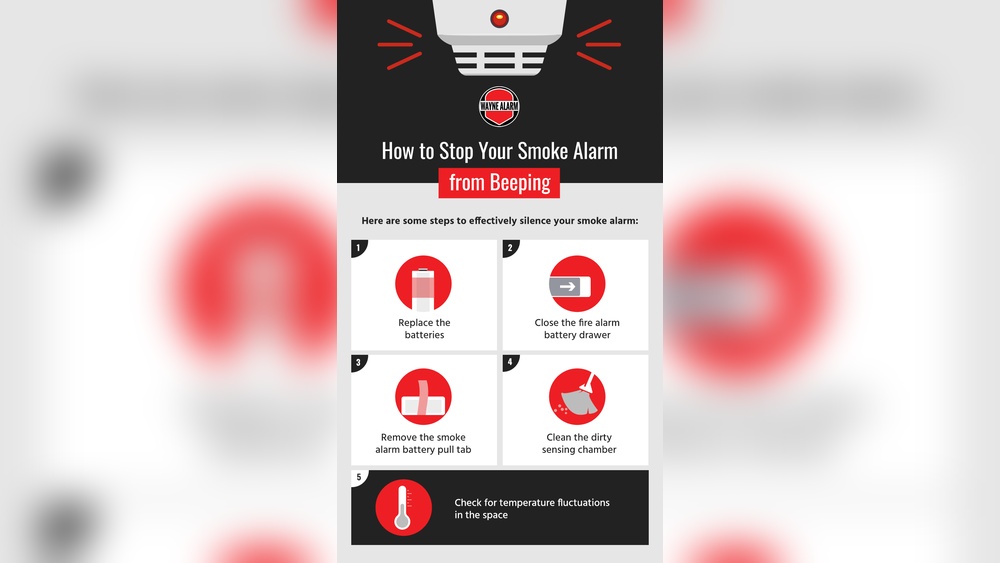
Credit: waynealarm.com
Tips To Prevent Future Chirping
Stopping a smoke detector from chirping is only half the job. Preventing future chirps is key to peace of mind. Simple steps can keep your smoke detector working quietly and well. Here are some tips to help you avoid the annoying chirping sound.
Regular Maintenance Routine
Clean your smoke detector every month. Dust and dirt can cause false alarms and chirping. Use a vacuum or soft brush to remove dust. Check for any damage or loose parts. Test the alarm after cleaning to ensure it works.
Battery Replacement Schedule
Replace batteries at least once a year. Many smoke detectors use 9-volt batteries. Use fresh, high-quality batteries to avoid early chirping. Mark the replacement date on your calendar. Change batteries immediately if you hear a warning beep.
Proper Installation Practices
Install smoke detectors in the right locations. Avoid placing them near kitchens or bathrooms where steam or smoke can cause false alarms. Mount detectors on the ceiling or high on walls. Keep them away from windows or vents that cause drafts.
Frequently Asked Questions
Why Does My Smoke Detector Keep Chirping?
A smoke detector chirps when its battery is low or faulty. It can also chirp due to dust buildup or wiring issues. Regular maintenance and battery replacement prevent these annoying chirps and ensure your device works correctly.
How To Stop A Smoke Detector From Chirping?
To stop chirping, replace the battery first. Clean the detector gently to remove dust. If chirping continues, reset the device or replace the unit. Always follow manufacturer instructions for safe handling and maintenance.
Can A Dirty Smoke Detector Cause Chirping?
Yes, dust and debris can trigger false chirps. Clean your smoke detector regularly using a vacuum or soft brush. Keeping it dust-free helps maintain proper function and prevents unnecessary alerts.
How Often Should Smoke Detector Batteries Be Replaced?
Replace smoke detector batteries at least once a year. Some models use long-life batteries that last up to 10 years. Regular checks ensure your detector stays operational and chirp-free.
Conclusion
A chirping smoke detector can be annoying and distracting. Check the battery first; it often solves the problem. Clean the detector to remove dust and debris. Make sure it is properly installed and not damaged. Regular maintenance helps keep it working well.
Staying safe at home means keeping your detectors quiet and ready. Follow these steps to stop the chirping quickly. Your peace of mind matters.