

Have you ever been startled by that annoying beep from your smoke detector in the middle of the night? That sound isn’t just a nuisance—it’s your smoke detector’s way of telling you its battery is running low.
But how do you know when it’s time to replace the battery before it’s too late? Knowing the signs can keep your home safe and give you peace of mind. You’ll discover simple, clear ways to tell if your smoke detector battery is low—so you can act fast and protect what matters most.
Keep reading to learn the easy steps that could make all the difference.
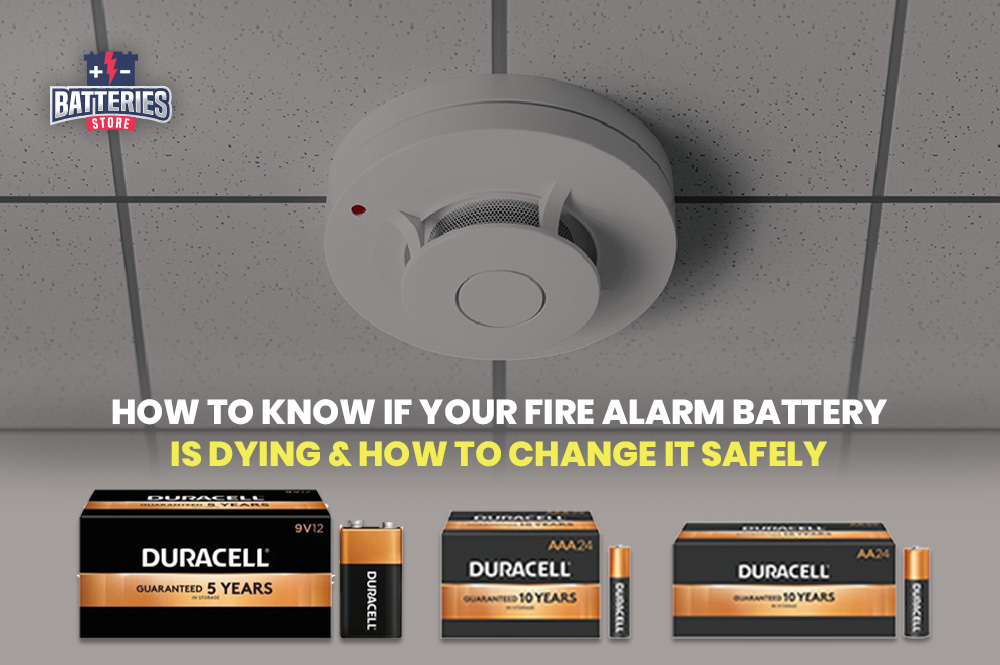
Credit: batteriesstore.ca
Common Low Battery Indicators
Knowing the common signs of a low smoke detector battery helps keep your home safe. Smoke detectors warn you with clear signals. These signals mean it is time to change the battery. Watch for these simple signs to avoid surprises.
Intermittent Beeping Sounds
A smoke detector with a low battery often makes a beeping sound. This beep is short and repeats every minute or so. The sound is not constant but comes in intervals. This is the detector’s way of saying the battery needs replacing.
Dim Or Flashing Led Lights
Smoke detectors have small lights to show their status. A low battery can cause this light to blink or become dim. The flashing light usually happens every 30 to 60 seconds. This visual sign helps you notice the low battery even in quiet places.
Test Button Response
Press the test button to check the smoke detector’s function. A weak or no sound from the test means the battery is low. The test button helps confirm if the battery needs to be changed right away. This is a quick and easy way to check.
Physical Signs On The Smoke Detector
Physical signs on a smoke detector can help you know if the battery is low. These signs are easy to spot and can save lives by keeping the alarm working. Check the smoke detector often to catch any issues early. Below are key points to look at when inspecting your smoke detector.
Battery Compartment Inspection
Open the battery compartment carefully. Look inside for any loose or missing batteries. A loose battery can cause the alarm to beep or fail. Check if the battery is seated properly in its slot. Clean the compartment if you see dust or dirt. This helps keep a good connection between battery and contacts.
Corrosion Or Leakage
Look for white or green powder around the battery terminals. This powder shows corrosion, which happens when batteries leak. Battery leakage can damage the smoke detector and stop it from working. Remove corroded batteries and clean the area with a dry cloth. Replace batteries immediately if you find any signs of leakage.
Age Of The Battery
Batteries do not last forever. Most smoke detector batteries last about one year. Check the date printed on the battery to see how old it is. Replace batteries yearly, even if there are no warning signs. Old batteries can lose power and cause the alarm to fail silently.
Tools To Check Battery Health
Knowing how to check the battery health of your smoke detector helps keep your home safe. Simple tools can show if the battery needs replacement. These tools give clear, quick results. You do not need special skills to use them. Here are two common tools to check your smoke detector battery.
Using A Multimeter
A multimeter measures the battery voltage directly. It shows if the battery power is low. Set the multimeter to the DC voltage mode. Touch the red probe to the battery’s positive end. Touch the black probe to the negative end. A healthy 9-volt battery should read around 9 volts. Below 7 volts means the battery is weak. Replace the battery to ensure your smoke detector works well.
Battery Tester Devices
Battery testers are small devices made to check batteries quickly. Insert the smoke detector battery into the tester. The device will show if the battery is good or needs changing. It uses a simple meter or lights to indicate battery health. These testers are easy to carry and use anytime. They provide a fast way to check your smoke detector battery’s status.
Best Practices For Battery Maintenance
Maintaining smoke detector batteries is key to keeping your home safe. Good battery care helps your detector work properly. It also stops false alarms and keeps your family protected.
Follow a few simple steps to keep your batteries in top shape. These steps help you avoid emergencies caused by dead batteries.
Regular Testing Schedule
Test your smoke detector once a month. Press the test button until the alarm sounds. This shows the battery and alarm work well. Mark your calendar to remember testing days. Regular tests catch battery problems early.
Replacing Batteries On Time
Change batteries at least once a year. Use a fresh battery to avoid weak power. Some alarms beep when batteries are low. Do not ignore these sounds. Replace batteries immediately to keep protection active.
Choosing The Right Battery Type
Use the battery type recommended by the manufacturer. Check your smoke detector’s manual or label for this info. Using the wrong battery can cause errors or stop the alarm from working. Stick with trusted brands for better reliability.
Troubleshooting False Low Battery Alerts
False low battery alerts can be frustrating and confusing. These alerts may sound even when the battery is fine. Troubleshooting these false alarms helps ensure your smoke detector works properly. Simple steps can fix most issues quickly.
Resetting The Detector
Resetting the smoke detector often stops false low battery alerts. To reset, press and hold the test button for 15-20 seconds. Release the button and wait for the detector to beep. This clears the alert and restarts the device. Resetting can fix minor glitches causing false alarms.
Cleaning Sensor And Contacts
Dust and dirt can cause false low battery warnings. Clean the sensor and battery contacts carefully. Use a soft brush or cloth to remove dust. Avoid using water or harsh chemicals. Clean contacts ensure a good battery connection. This simple step often stops false alerts and keeps your detector reliable.

Credit: www.youtube.com

Credit: www.wirechiefelectric.com
Frequently Asked Questions
How Do I Know If My Smoke Detector Battery Is Low?
A low battery causes the smoke detector to beep intermittently. It often chirps every minute or so. Replace the battery immediately to ensure safety.
Why Is My Smoke Detector Beeping Randomly?
Random beeping usually signals a low or dead battery. It can also mean dust or debris is inside. Clean the detector and check the battery.
How Often Should I Replace Smoke Detector Batteries?
Replace batteries at least once a year. Some recommend changing them every six months for extra safety. Regular checks prevent unexpected battery failures.
Can A Low Battery Cause False Smoke Alarms?
Yes, low batteries may trigger false alarms. The detector may malfunction or beep erratically. Always replace batteries promptly to avoid false alerts.
Conclusion
A smoke detector’s low battery can save your life. Listen for the beep or chirp sounds. Check the battery regularly to avoid surprises. Replace batteries at least once a year. Test the alarm after changing batteries to be sure. Don’t ignore warning signs; safety depends on it.
A working smoke detector gives peace of mind. Stay safe by keeping your detector ready at all times. Simple steps can protect you and your family. Keep your home safe with regular battery checks.


