Your smoke detector is one of the most important devices in your home. It keeps you and your loved ones safe by alerting you to danger.
But how often do you think about the batteries inside it? If you wait too long, you might miss a critical warning when you need it most. You’ll discover exactly how often you should change your smoke detector batteries and simple tips to keep your home protected.
Don’t leave your safety to chance—read on to make sure your smoke detector is always ready to save lives.

Credit: mltnews.com
Why Battery Replacement Matters
Changing smoke detector batteries is a small task with a big impact. It keeps your home safe from fire dangers. Batteries lose power over time. Dead batteries mean your detector cannot warn you in time. This simple step saves lives and property.
Regular battery replacement ensures your smoke detector works correctly. It helps avoid false alarms and keeps the device ready for emergencies. This habit protects your family and gives peace of mind.
Risks Of Neglecting Battery Changes
Ignoring battery changes puts your home at risk. Dead batteries stop your smoke detector from sounding an alarm. Fires can start without warning. This delay can cause serious injury or even death.
False alarms may also increase. Weak batteries cause the detector to beep randomly. This can make people ignore the alarm. Eventually, they might not react when it truly matters.
Impact On Home Safety
Working smoke detectors are vital for home safety. They alert you early to smoke or fire. Early warnings give time to escape safely. This reduces injuries and saves lives.
Changing batteries keeps detectors reliable. It protects your home and family. A small effort for a big safety gain.

Credit: blacksburgfire.org
Recommended Replacement Frequency
Knowing how often to change your smoke detector batteries keeps your home safe. Batteries lose power over time. This means your smoke detector might not work when you need it most. Changing batteries regularly is key to protection.
Manufacturer Guidelines
Every smoke detector brand has its own advice. Most suggest changing batteries once a year. Some models have long-life batteries that last up to ten years. Always check the manual that came with your detector. Follow these instructions for the best results.
General Best Practices
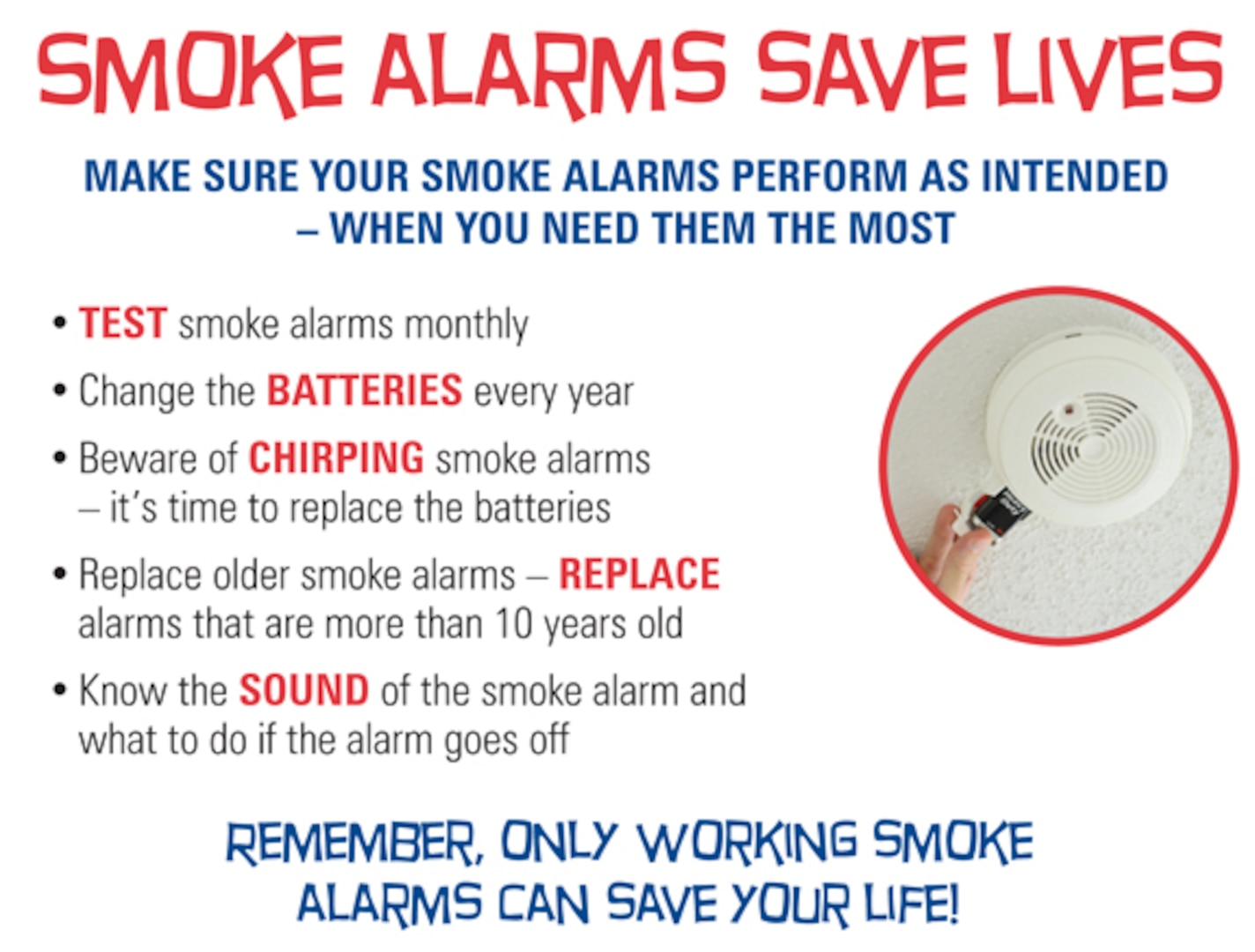
Test your smoke detector monthly to check battery life. Replace batteries at least once every year. Use fresh batteries each time. Avoid mixing old and new batteries together. Consider changing batteries during daylight saving time changes. This creates a simple, regular schedule.
Types Of Smoke Detector Batteries
Smoke detectors need reliable batteries to work well. Different types of batteries fit various smoke detectors. Choosing the right battery helps keep your home safe. Knowing about battery types can guide your replacement choices.
Each battery type has strengths and limits. Some last longer, while others cost less. The battery type also affects how often you change it. Understanding these types makes maintenance easy and effective.
Common Battery Types
Most smoke detectors use either 9-volt or AA batteries. The 9-volt battery is popular in many models. It provides enough power for a long time. AA batteries are also common and easy to find. Some detectors use lithium batteries for longer life. These batteries last up to 10 years in some models. Rechargeable batteries appear in newer detectors. They reduce waste but may need more care.
Advantages And Disadvantages
9-volt batteries are simple to replace and widely available. They offer good power but may drain quickly in older detectors. AA batteries are cheap and easy to swap. They might need changing more often than lithium types. Lithium batteries last much longer and resist leaks. They cost more but save time and effort. Rechargeable batteries reduce waste but require charging. They may stop working if not maintained properly.
Credit: www.jbsa.mil
Signs Your Battery Needs Changing
Knowing the signs that your smoke detector battery needs changing is very important. Smoke detectors keep your home safe by alerting you to fires. If the battery is weak or dead, the alarm may not work properly. Watch for clear signals that the battery is failing. Acting fast can keep your family safe.
Low Battery Alerts
Most smoke detectors beep or chirp when the battery is low. This sound repeats every minute or so. It is a warning to replace the battery soon. The light on the detector may also flash. Never ignore these alerts. They mean the battery is almost empty.
Performance Issues
The alarm might not sound as loud as before. Sometimes it fails to go off during testing. The detector might reset itself or stop working temporarily. These are signs the battery is weak. Replace the battery right away to keep the alarm reliable.
Step-by-step Battery Replacement
Changing smoke detector batteries is a simple task that keeps your home safe. Following clear steps makes the process easy and quick. This section guides you through each part of replacing your smoke detector battery correctly.
Tools Needed
Gather a few basic tools before starting. You will need a new battery, usually 9-volt or AA. A small screwdriver may help open the detector’s cover. Have a ladder or sturdy chair ready to reach the device safely.
Safety Precautions
Turn off the power to the smoke detector if it is hardwired. Use a ladder carefully to avoid falls. Handle batteries with dry hands to prevent slipping. Dispose of old batteries properly to avoid hazards.
Replacing The Battery
Open the smoke detector’s cover by twisting or sliding it. Remove the old battery and check for corrosion or dirt. Insert the new battery, matching the positive and negative ends. Close the cover securely and press the test button to check the alarm. Your smoke detector is ready to protect your home again.
Maintaining Your Smoke Detector
Maintaining your smoke detector is key to keeping your home safe. Regular care helps the device work properly. This ensures early warning during a fire. Simple steps can extend the life of your smoke detector and its battery.
Regular Testing
Test your smoke detector once a month. Press the test button until the alarm sounds. This confirms the battery and alarm are working. Replace batteries if the sound is weak or absent. Do not ignore the test results.
Cleaning Tips
Dust and debris can block smoke sensors. Clean your smoke detector every six months. Use a vacuum cleaner with a soft brush attachment. Gently remove dust from all sides. Avoid using water or cleaning sprays. Keep the detector clear for best performance.
Additional Safety Measures
Changing smoke detector batteries regularly is crucial. Yet, there are more safety steps to protect your home. Adding extra measures can save lives and reduce risk. These steps help keep your family safe from fire dangers.
Installing Multiple Detectors
Place smoke detectors in every bedroom and hallway. Install one on each floor of your home. More detectors mean better chances of early fire detection. They catch smoke faster from different areas. This gives more time to escape safely. Test each detector often to ensure they work well.
Interconnected Systems
Use interconnected smoke detectors for full home coverage. When one alarm sounds, all alarms ring together. This alerts everyone, no matter where they are. It is especially helpful in large homes. Interconnected systems increase safety by spreading the warning quickly. They require professional installation but offer great peace of mind.
Common Mistakes To Avoid
Many people make mistakes with smoke detector batteries. These errors put safety at risk. Knowing what to avoid helps keep your home safe.
Ignoring Alerts
Smoke detectors beep when batteries are low. Ignoring these sounds is dangerous. The alert means your detector may not work. Always replace batteries as soon as you hear the beep. Delaying can leave you unprotected during a fire emergency.
Using Wrong Batteries
Not all batteries fit every smoke detector. Using the wrong type can cause malfunctions. Check the manufacturer’s instructions for the right battery. Using cheap or old batteries can also cause issues. Always use fresh, correct batteries to ensure your detector works properly.
Frequently Asked Questions
How Often Should I Change Smoke Detector Batteries?
Change smoke detector batteries at least once every year. Regular replacement ensures the alarm functions properly to keep you safe.
What Happens If Smoke Detector Batteries Die?
Dead batteries cause the smoke detector to stop working. This puts your home at risk during a fire emergency.
Can I Use Rechargeable Batteries In Smoke Detectors?
Rechargeable batteries are not recommended. They may not provide consistent power, reducing the detector’s reliability.
How Do I Know When To Replace Smoke Detector Batteries?
A low battery triggers a chirping sound. Replace batteries immediately to maintain continuous smoke detection.
Conclusion
Changing smoke detector batteries every six months keeps your home safe. Test your alarms monthly to ensure they work well. Replace batteries right away when you hear a beep. Clean your detectors regularly to avoid false alarms. Staying on top of battery changes saves lives and prevents accidents.
Don’t wait for a warning signal. Protect your family with simple, regular care. Safety starts with small, steady habits.