
Have you ever wondered if your smoke detector is actually working when you need it most? Your safety depends on this small device, yet many people don’t check it often enough.
Imagine a fire starting in your home—would your smoke detector alert you in time? You’ll discover simple, effective ways to make sure your smoke detector is ready to protect you and your loved ones. Keep reading to learn how to test it, maintain it, and never be caught off guard.
Credit: support.firstalert.com
Signs Of A Working Smoke Detector
Knowing the signs of a working smoke detector is key to home safety. Smoke detectors save lives by warning you early about fire. Checking their function often keeps your family safe and secure.
There are simple ways to tell if your smoke detector works. These signs help you act before a problem grows. Pay attention to these clues to keep your detector ready.
Regular Beeping Patterns
A working smoke detector often beeps in a clear pattern. Short, regular beeps mean the device is on and active. If it beeps once every minute or so, it may need a battery change. Silence or odd sounds can mean trouble.
Test Button Functionality
Press the test button to check your smoke detector. A loud, sharp alarm means the device works well. No sound or weak noise means the detector may fail in an emergency. Test monthly to ensure full function.
Led Indicator Lights
Most smoke detectors have LED lights for status. A steady or blinking green light shows normal operation. A red light often signals alarm or trouble. Check your manual to understand what each color means.

Credit: www.wikihow.com
Testing Your Smoke Detector
Testing your smoke detector is a simple way to keep your home safe. It shows if the device can alert you during a fire. Regular checks help catch problems early. This way, you can fix or replace the detector before it stops working.
There are a few easy methods to test your smoke detector. Some use just the button on the device. Others use special sprays that mimic smoke. Knowing how often to test is also important for safety.
Manual Testing Methods
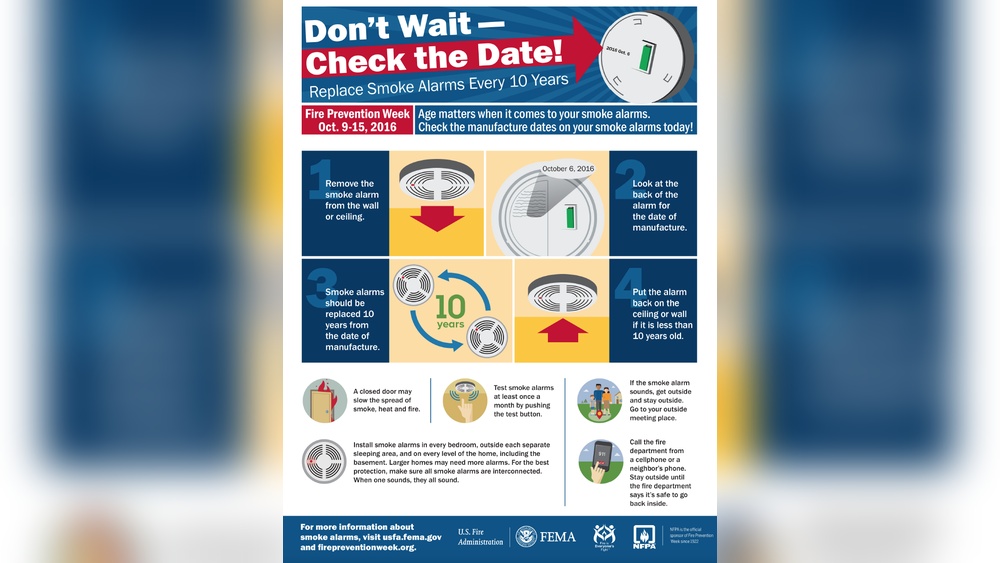
Most smoke detectors have a test button. Press and hold this button for a few seconds. The alarm should sound loudly if the device works. If not, try changing the batteries. Replace the smoke detector if it still does not work.
Test buttons do not check the sensor itself. They only check the sound and power. So, this method is a quick way to check but not a full test.
Using Smoke Test Aerosols
Smoke test aerosols simulate real smoke near the detector. Spray a small amount near the device’s sensor. The alarm should go off within seconds. This method tests the sensor’s ability to detect smoke.
Use only sprays made for smoke detectors. Other sprays can damage the device. Follow the instructions on the aerosol can carefully. This test gives a better idea if the detector can sense smoke.
Frequency Of Testing
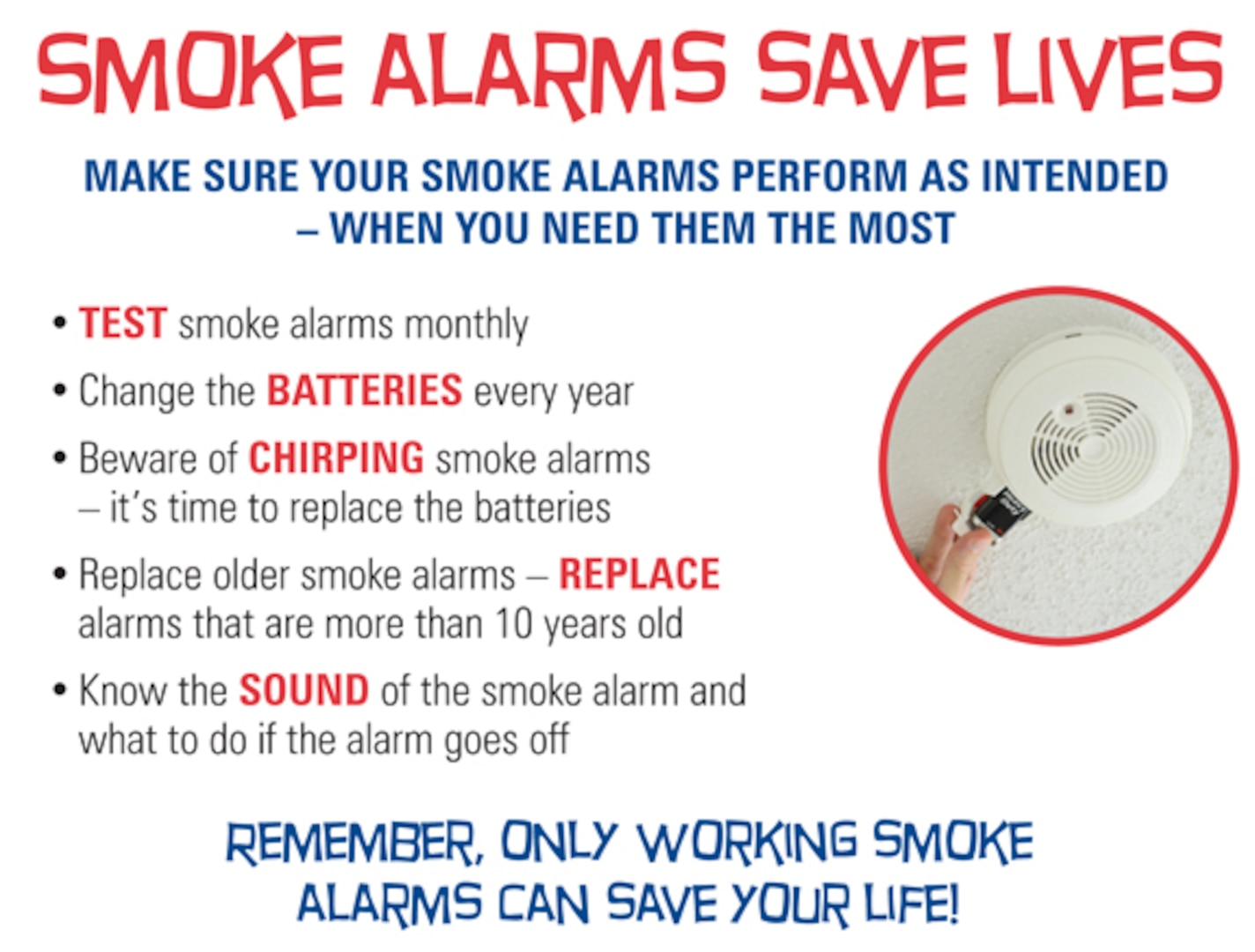
Test your smoke detector at least once a month. This keeps the device reliable and ready. Change batteries once a year or when the low battery warning sounds.
Replace smoke detectors every 10 years or as recommended. Old detectors may not work well. Regular tests and timely replacements keep your home safe from fire risks.
Maintenance Tips For Reliability
Smoke detectors save lives by warning you early about fire. Their reliability depends on regular care and checks. Simple maintenance steps keep them working well and protect your home.
Battery Replacement Guidelines
Change the smoke detector battery at least once a year. Use the type recommended by the manufacturer. Some models beep when batteries run low. Don’t ignore these sounds. Test the detector after changing batteries to confirm it works.
Cleaning And Dust Removal
Dust and dirt can block the smoke sensor. Clean the detector every six months with a soft brush or vacuum. Avoid spraying cleaners directly on it. Keep vents and openings free from debris to ensure proper function.
Replacing Old Units
Smoke detectors lose sensitivity over time. Replace units every 10 years or as advised by the manufacturer. Old detectors may not detect smoke quickly. Upgrading ensures better protection for your home and family.
Common Issues And Troubleshooting
Smoke detectors are vital for home safety. They alert you early during a fire. Sometimes, they might not work correctly. Knowing common problems helps fix them fast.
Troubleshooting smoke detectors is simple. It saves lives and prevents damage. Check the unit often to ensure it works right.
False Alarms Causes
False alarms happen when the detector senses smoke but no fire exists. Cooking smoke often triggers alarms. Steam from showers or boiling water also causes false alerts. Dust buildup inside the sensor can confuse it. Strong chemicals or sprays near the detector may trigger it too.
Sensor Malfunctions
Sensors can stop working due to old age or damage. Batteries that are dead or low cause failure. Dirt and dust block sensor lenses, making them less sensitive. Improper installation may cause the sensor to fail. Regular testing helps spot sensor problems early.
Interference From Environmental Factors
Humidity and temperature changes affect smoke detectors. High humidity can cause false alarms. Cold or hot rooms may reduce sensor accuracy. Insects inside the detector can block sensors. Electrical interference from nearby devices might cause issues. Place detectors away from these factors for best results.
Enhancing Smoke Detector Safety
Enhancing smoke detector safety is key for protecting your home and family. Smoke detectors save lives by alerting you early about fires. To make them work best, proper installation and maintenance matter. Small steps can improve their effectiveness and give you peace of mind.
Proper Placement In Your Home
Place smoke detectors in every bedroom and outside sleeping areas. Install one on each level of your house, including basements. Avoid kitchens and bathrooms to reduce false alarms. Mount detectors on ceilings or high on walls. Keep them at least 10 feet from cooking appliances for accuracy.
Interconnected Systems
Use interconnected smoke detectors for better safety. When one alarm sounds, all alarms in the home will ring. This alerts everyone, even in far rooms. Wired or wireless systems work well. Regularly test all alarms to ensure they communicate properly.
Combining With Other Safety Devices
Combine smoke detectors with carbon monoxide alarms for full protection. Both hazards need quick detection. Place carbon monoxide alarms near sleeping areas. Use fire extinguishers in key rooms. Together, these devices create a safer home environment.
Credit: www.jbsa.mil
Frequently Asked Questions
How Can I Test If My Smoke Detector Works?
Press the test button on your smoke detector. It should emit a loud alarm sound. If no sound occurs, replace the battery or the unit.
How Often Should I Check My Smoke Detector?
Check your smoke detector monthly to ensure it works. Regular testing keeps you safe from fire hazards.
What Are Signs A Smoke Detector Is Faulty?
Frequent false alarms, no sound during testing, or a chirping noise indicate faults. Replace or service the detector immediately.
Can Smoke Detectors Expire Or Lose Effectiveness?
Yes, smoke detectors usually last 8-10 years. Replace them after this period to ensure reliable operation.
Conclusion
A working smoke detector keeps your home safe. Test it monthly to be sure it works well. Replace batteries once a year or when it beeps. Clean dust and debris from the device often. Never ignore any warning sounds from the detector.
A reliable smoke detector can save lives. Stay alert and protect your family today. Simple checks make a big difference in safety.


