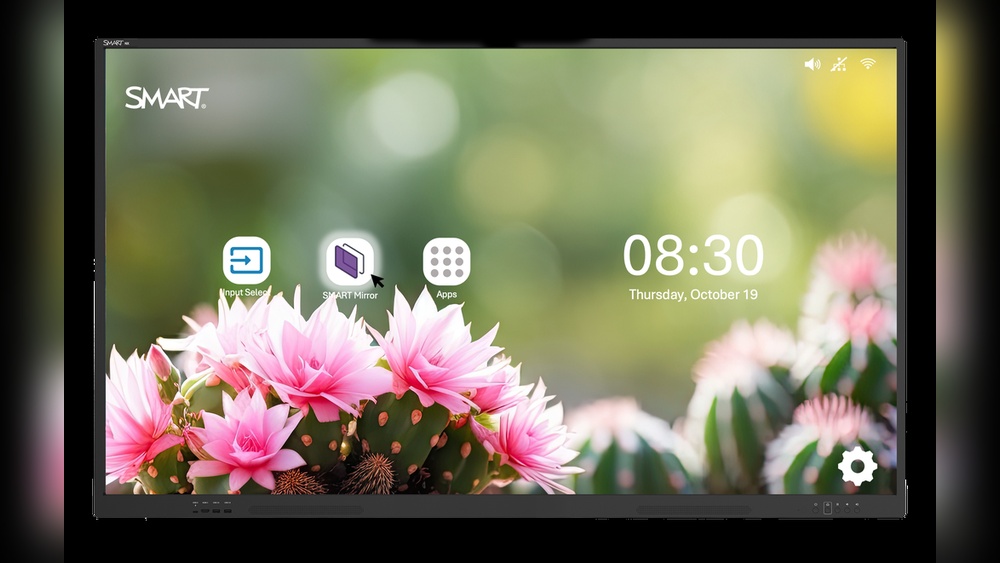

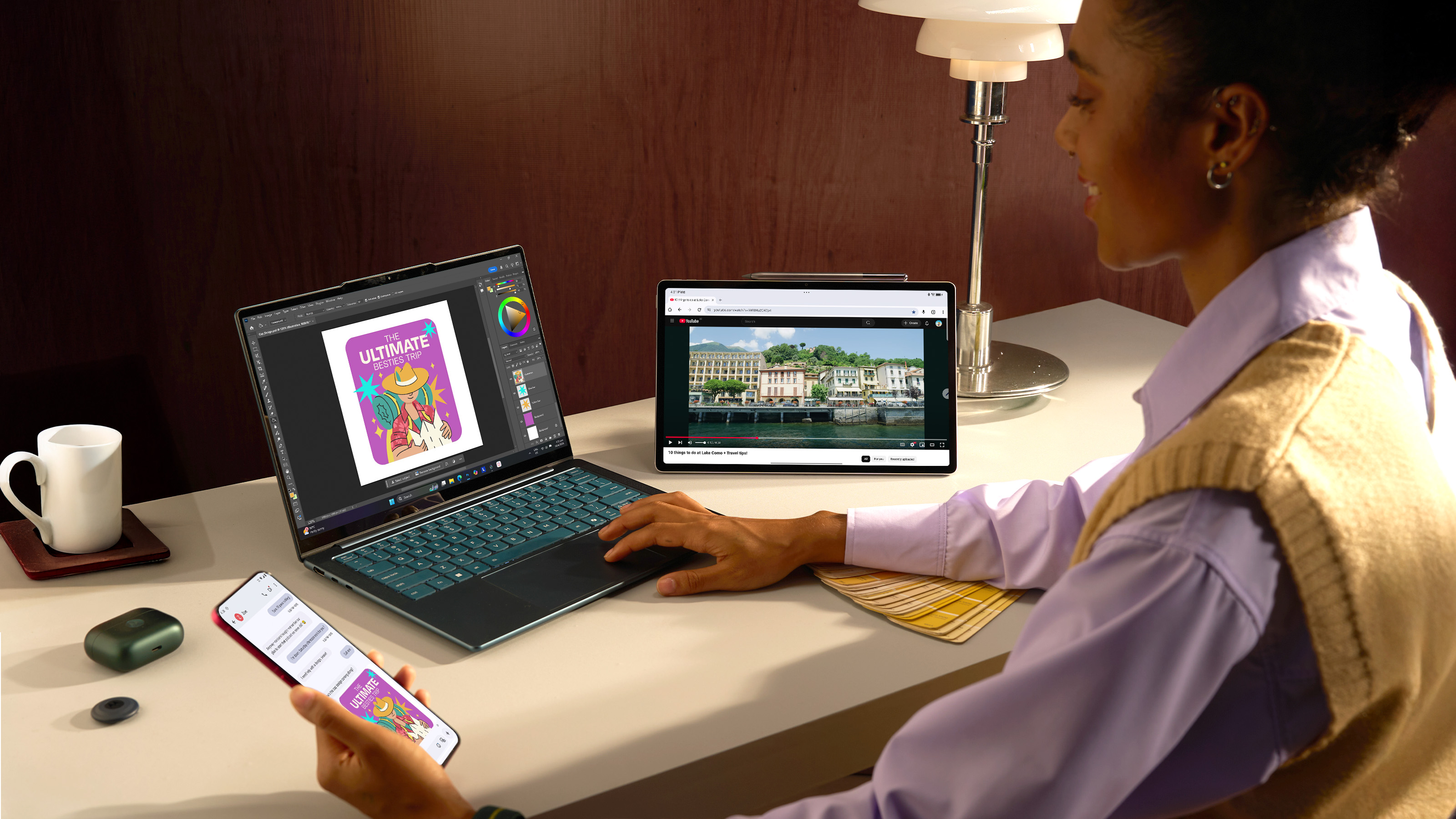
Want to share your Lenovo laptop screen on a smart board but not sure how? You’re in the right place.
Whether it’s for a classroom, meeting, or presentation, mirroring your screen can make your ideas clear and engaging. This guide will walk you through simple steps to connect your Lenovo laptop to a smart board quickly and easily. By the end, you’ll be able to display everything on your laptop with confidence—no tech headaches needed.
Keep reading to unlock the easiest way to mirror your screen and impress your audience.
Credit: www.lenovo.com
Prepare Your Devices
Preparing your devices is the first step to mirror your Lenovo laptop screen to a smart board. It helps avoid problems during connection and ensures smooth display. Take time to check compatibility, specifications, and updates. This preparation saves time and improves performance.
Check Laptop Compatibility
Not all Lenovo laptops support screen mirroring. Confirm your laptop has the necessary hardware and software. Look for features like Miracast or HDMI output. Check your laptop’s settings or user manual for screen sharing options. Compatibility ensures your laptop can send the screen signal properly.
Verify Smart Board Specifications
Smart boards differ in technology and connection types. Identify your smart board model and its supported input methods. Some smart boards use HDMI, VGA, or wireless connections. Make sure the board supports screen mirroring or casting. Knowing these details helps pick the right connection method.
Update Software And Drivers
Old software or drivers cause connection failures. Update your Lenovo laptop’s operating system and display drivers. Visit Lenovo’s official website for the latest updates. Also, check the smart board’s firmware and software version. Updated software ensures better device communication and fewer errors.
Credit: www.youtube.com
Connect Via Hdmi Cable
Connecting your Lenovo laptop to a smart board using an HDMI cable is simple and effective. This method offers clear video and sound transmission. It lets you share your laptop screen on a larger display instantly. Follow these steps to connect and mirror your screen smoothly.
Locate Hdmi Ports
First, find the HDMI port on your Lenovo laptop. It usually looks like a small, wide slot on the side or back. Next, check the smart board for its HDMI input port. It is often labeled “HDMI In” or just “HDMI.” Use a compatible HDMI cable to link the two devices.
Select Correct Input On Smart Board
Turn on the smart board. Use its remote or buttons to open the input menu. Choose the HDMI port connected to your laptop. This step ensures the board displays your laptop’s screen. Without selecting the right input, the board may show a blank screen.
Adjust Display Settings On Laptop
On your Lenovo laptop, press the Windows and P keys together. A menu will appear with screen options. Pick “Duplicate” to mirror your screen or “Extend” to use the board as a second screen. Check the display resolution in settings for the best view on the smart board.
Use Wireless Screen Mirroring
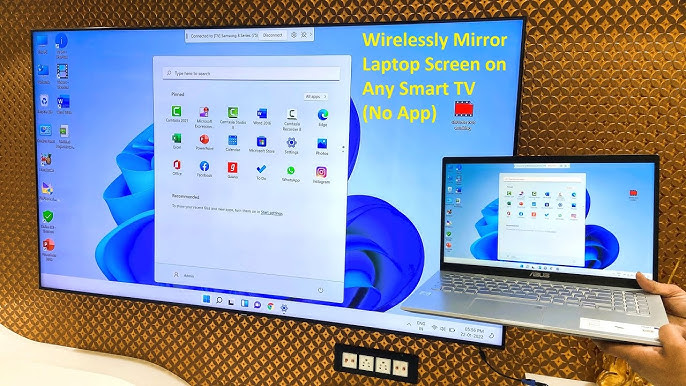
Wireless screen mirroring lets you share your Lenovo laptop screen on a Smart Board easily. It removes the need for cables and keeps your workspace clean. This method works well for presentations, teaching, and meetings. Follow these steps to connect your devices smoothly.
Enable Screen Mirroring On Smart Board
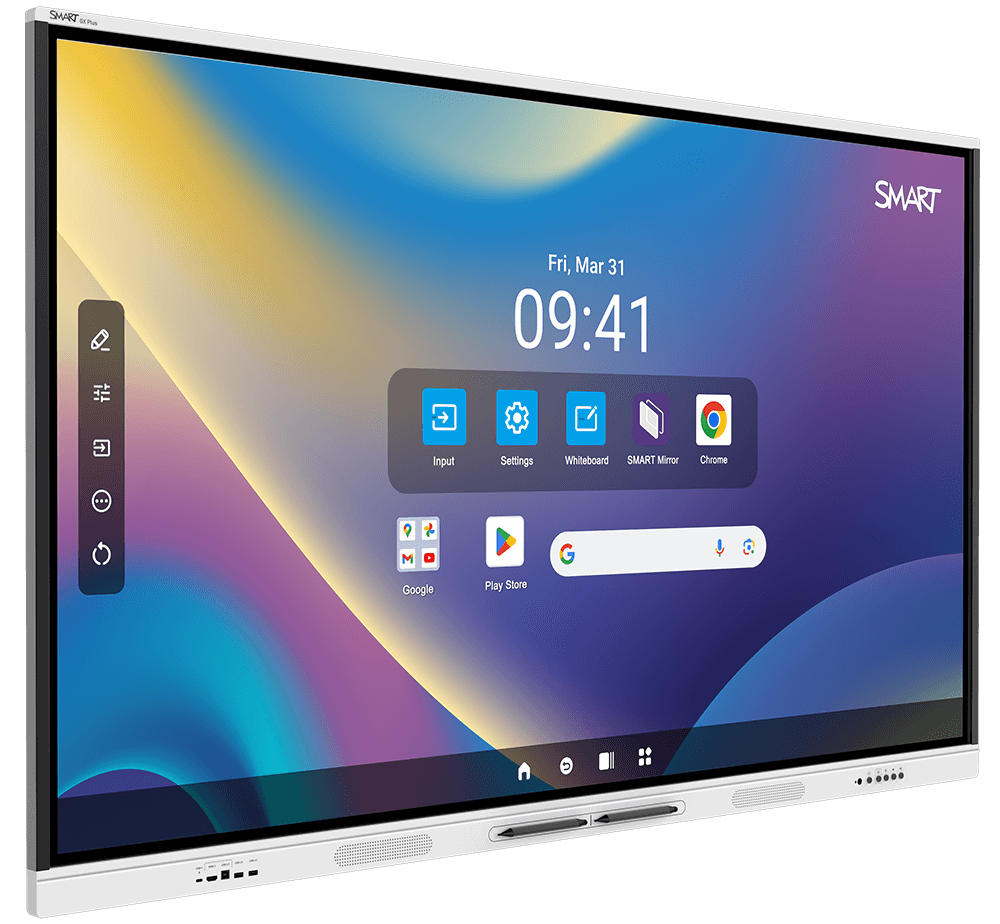
Turn on your Smart Board. Open the settings menu. Find the screen mirroring or wireless display option. Activate this feature to make the board ready to receive signals. The Smart Board will wait for your laptop to connect.
Activate Wireless Display On Laptop
On your Lenovo laptop, press the Windows key and P at the same time. Choose “Connect to a wireless display” from the menu. Select your Smart Board from the list of devices shown. Wait a few seconds for the laptop to link with the board.
Troubleshoot Connection Issues
Check if both devices are on the same Wi-Fi network. Restart the Smart Board and laptop if the screen does not appear. Make sure the Smart Board’s firmware is up to date. Disable any VPN or firewall that may block the connection. Try again after these steps for a better connection.
Credit: www.smarttech.com
Utilize Third-party Apps
Using third-party apps makes screen mirroring easier and more flexible. These apps help connect your Lenovo laptop to a smart board without complex cables. Many apps support different devices and offer smooth screen sharing. They also provide extra features like touch control and file sharing. This section explains which apps work best and how to set them up safely.
Recommended Screen Mirroring Apps
Several apps work well for mirroring a Lenovo laptop to a smart board. Miracast is built into many Windows laptops and offers wireless display options. AirServer turns your smart board into a receiver for multiple devices. ApowerMirror supports both Windows and Android with easy controls. LetsView is free and works with many smart boards. Choose an app based on your laptop’s system and the smart board model.
Setup And Configuration
Start by installing the app on both your Lenovo laptop and the smart board. Open the app on your smart board and set it to receive connections. On your laptop, open the mirroring app and search for the smart board. Connect by selecting the smart board from the list. Adjust settings like screen resolution and orientation for the best view. Test the connection by sharing your screen or a file.
Security Considerations
Screen mirroring apps can expose your data if not secured. Use apps from trusted sources only. Always update the app to the latest version for security patches. Enable password protection or PIN codes for connecting devices. Avoid mirroring over public or unsecured Wi-Fi networks. Disconnect the session after use to prevent unauthorized access.
Optimize Display Settings
Optimizing display settings enhances the screen mirroring experience from your Lenovo laptop to a smart board. Proper settings ensure clear visuals and smooth performance. Adjusting resolution, managing multiple displays, and improving stability make a big difference. These steps help your presentation look professional and run without interruptions.
Adjust Resolution And Scaling
Set the resolution to match the smart board’s native display. This avoids blurry or stretched images. Open the display settings on your Lenovo laptop. Choose the resolution that fits the smart board screen size. Use scaling options to make text and icons easy to read. Keep the scale at 100% or 125% for best results. Changing these settings improves clarity and comfort.
Manage Multiple Displays
Decide how the screen shows on the smart board. Use “Duplicate” to mirror your laptop screen exactly. Select “Extend” to use the smart board as a second screen. This lets you move windows between displays. Access display settings to pick the mode. Arrange the displays to match their physical positions. This setup saves time and avoids confusion during presentations.
Improve Performance And Stability
Close unused applications to free up memory. Lower the screen resolution if the display lags. Update your graphics drivers regularly for smooth output. Connect your laptop to the smart board using a high-quality cable. Avoid wireless connections if possible, as they can cause delays. Restart your laptop before mirroring to clear temporary issues. These tips help keep your display stable and fast.
Common Problems And Fixes
Mirroring your Lenovo laptop screen to a smart board can improve presentations and class sessions. Still, users face some common problems. These issues can stop the connection or lower the quality of the display. Knowing how to fix these problems helps keep your session smooth and productive.
No Signal On Smart Board
No signal means the smart board does not show your laptop screen. Check the cable connection first. Ensure the HDMI or VGA cable is fully plugged into both devices. Select the correct input source on the smart board. Restart both your laptop and the smart board. Update your laptop’s display drivers to fix compatibility issues. If wireless mirroring is used, confirm both devices connect to the same Wi-Fi network.
Lagging Or Stuttering Display
Lagging makes the screen freeze or move slowly. Close unused apps on your laptop to free memory. Reduce the screen resolution for smoother performance. Use a wired connection instead of wireless, if possible. Update your laptop’s graphics driver for better display support. Ensure the smart board firmware is current to avoid delays. Weak Wi-Fi signals can cause lag, so move closer to the router.
Audio Issues During Mirroring
No sound or poor audio can ruin presentations. Check the audio output settings on your laptop. Select the smart board as the playback device. Increase the volume on both the laptop and smart board. Update audio drivers to solve sound problems. Use a separate audio cable if the smart board does not support sound via HDMI. Restart devices to reset audio connections.
Frequently Asked Questions
How Do I Connect My Lenovo Laptop To A Smart Board?
To connect, use an HDMI cable or wireless screen mirroring. Enable screen sharing on both devices. Adjust display settings on your Lenovo laptop for optimal viewing.
What Software Is Needed For Lenovo To Smart Board Mirroring?
Most smart boards support Miracast or require vendor-specific apps. Lenovo laptops use Windows built-in casting features. Check your smart board’s manual for compatible software.
Can I Mirror Lenovo Laptop Screen Wirelessly To Smart Board?
Yes, if both devices support wireless display technologies like Miracast or Wi-Fi Direct. Enable screen mirroring on the smart board and select it from your laptop’s display settings.
Why Is My Lenovo Laptop Not Mirroring To The Smart Board?
Common issues include incompatible software, outdated drivers, or connection problems. Ensure both devices are on the same network and update your laptop’s display drivers.
Conclusion
Mirroring your Lenovo laptop to a smart board is simple and useful. You can share presentations, videos, or lessons easily. Make sure your devices connect to the same network. Use the right cables or wireless settings for smooth display. Practice a few times to avoid problems during use.
This skill helps in classrooms, meetings, and home setups. Start mirroring today and see the difference it makes.