
Winter is coming, and if your pet uses a door to go outside, it’s time to make sure that door can handle the cold. You don’t want chilly drafts sneaking in or your energy bills soaring because of a poorly sealed pet door.
Imagine your furry friend staying cozy inside while still having easy access to the outdoors. You’ll discover simple and effective ways to winterproof your pet door. By the end, you’ll know exactly how to keep your home warm and your pet happy all season long.
Keep reading—your pet’s comfort and your peace of mind depend on it.
Choosing The Right Pet Door
Choosing the right pet door is key to keeping your home warm during winter. A well-chosen door stops cold air from entering. It also keeps your pet comfortable and safe. Consider the material, size, and energy features for the best fit. These factors help block drafts and save energy costs.
Material Options For Insulation
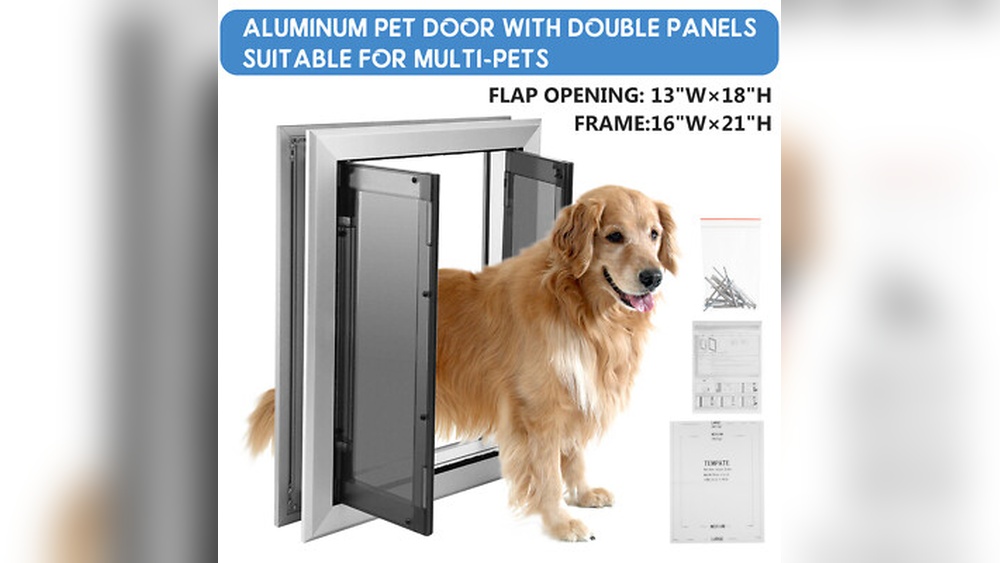
Look for pet doors made with thick, durable materials. Plastic doors often let cold air in easily. Metal frames with insulated panels work better. Some doors have double flaps or magnetic seals. These materials block cold air and keep warmth inside. A well-insulated door helps your heating system work less.
Size And Fit Considerations
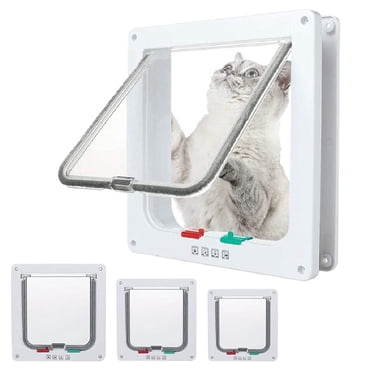
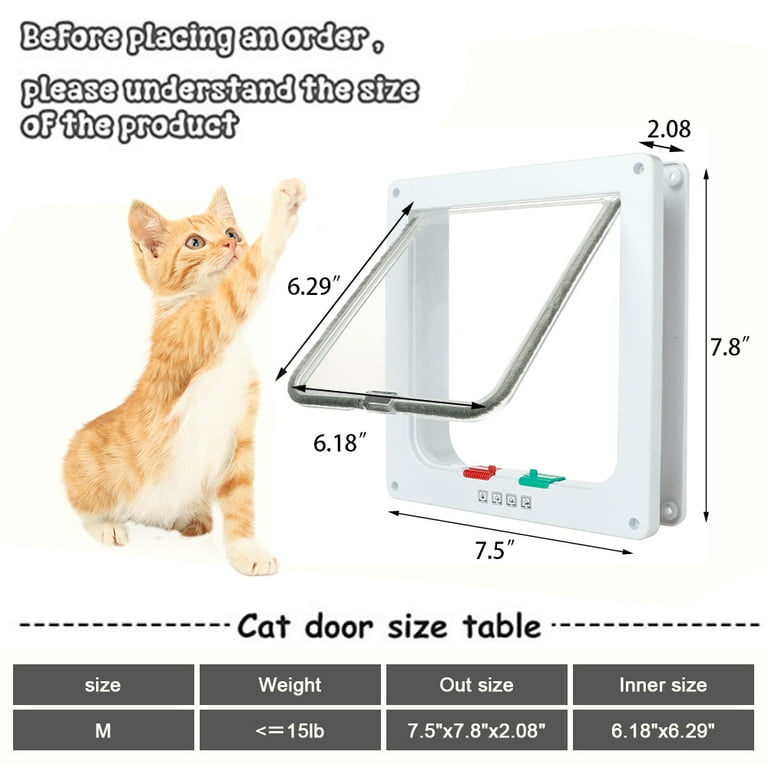
Choose a door that fits your pet’s size comfortably. Too large a door lets in more cold air. Too small a door can hurt your pet or be hard to use. Measure your pet’s height and width before buying. A snug fit reduces gaps where drafts can enter. Proper installation also matters for a tight seal.
Energy-efficient Features
Look for doors with energy-saving features. Magnetic flaps close tightly behind your pet. Some doors have weather strips to block drafts. Double flap designs add extra insulation. Energy-efficient pet doors keep your home warmer. They lower heating bills by reducing heat loss.
Credit: www.martinispa.com
Sealing Drafts And Gaps
Sealing drafts and gaps around your pet door keeps cold air out and warmth inside. This step is important to protect your home from winter chills. Small spaces let cold wind pass through. They make your heating system work harder. Sealing these areas saves energy and keeps pets cozy.
Weatherstripping Techniques
Weatherstripping is a simple way to close gaps around the pet door. Use foam tape or rubber strips for easy installation. Press the weatherstripping firmly along the edges of the door. Check for spaces where cold air might enter. Replace old or worn weatherstripping to maintain a tight seal.
Using Draft Stoppers
Draft stoppers block cold air at the bottom of the pet door. Choose a draft stopper that fits well and is easy to move. Place it snugly against the door frame. This stops drafts from sneaking in under the door. You can also use rolled-up towels as a quick fix.
Checking Door Frame Integrity
Inspect the door frame for cracks or damage. Gaps in the frame let in cold air and moisture. Fill small cracks with caulk or sealant. Replace or repair damaged parts for a secure fit. A strong frame helps keep your home warm and dry.
Adding Insulation To The Door
Adding insulation to your pet door is key to keeping cold air out during winter. It helps keep your home warm and reduces energy costs. Insulation also protects your pet from chilly drafts and harsh weather.
Simple changes can make a big difference. Use materials that block cold air and keep warmth inside. Let’s explore easy ways to add insulation to your pet door.
Installing Insulated Flaps
Insulated flaps provide a strong barrier against cold air. They are thicker than regular flaps and made from materials that trap heat. Installing one is easy and fits most pet doors.
These flaps close tightly after your pet goes through. This stops cold air from sneaking in. Choose flaps with weather-resistant edges to block wind better.
Using Thermal Curtains
Thermal curtains add an extra layer of warmth to the pet door. Hang them inside your home over the door area. They block drafts and keep warm air in.
These curtains are lightweight and easy to move. Your pet can still enter and exit without trouble. Thermal curtains also reduce noise and help save energy.
Diy Insulation Ideas
DIY options can save money and work well. Attach foam weatherstripping around the door frame to seal gaps. Use clear plastic sheets over the flap for extra wind protection.
Another idea is to line the flap with reflective insulation tape. It reflects heat back inside and stops cold air. Use soft fabric or fleece on the flap to keep it flexible.
Maintaining Pet Comfort
Keeping your pet comfortable during winter is very important. Cold weather can be hard on pets, especially when they use a pet door. Proper care helps your pet stay warm and safe. This section shows easy ways to maintain pet comfort with a winterproof pet door.
Creating A Warm Entryway
Make the area around the pet door cozy. Use weather stripping to block cold drafts. Add a small rug or mat inside the entryway for warmth. Check the door flap for gaps and seal them. A warm entryway stops cold air from coming in.
Using Heated Mats Or Pads
Heated mats keep pets warm near the door. Place a low-voltage heated pad where your pet rests. Choose mats with safety features to avoid overheating. Heated pads help pets relax and stay comfortable. Always follow the product instructions for safe use.
Monitoring Pet Health In Cold Weather
Watch your pet closely during winter months. Look for signs of discomfort like shivering or lethargy. Keep their fur clean and dry to help with insulation. Provide extra bedding in their sleeping area. Regular checkups with a vet ensure your pet stays healthy.
Winter Maintenance Tips
Winter can be tough on pet doors. Cold weather, snow, and ice can damage them. Regular care keeps your pet door working well. It also stops cold air from coming inside. Follow these winter maintenance tips to protect your pet door.
Regular Door Inspections
Check your pet door often during winter. Look for cracks or gaps around the frame. Small holes let cold air inside. Make sure the flap moves smoothly. Fix any damage quickly to keep heat in and cold out.
Clearing Snow And Ice
Remove snow and ice from the pet door area. Snow can block the flap and stop it from opening. Ice makes the flap stiff and hard to use. Use a soft brush or cloth to clear snow gently. Keep the area dry to prevent ice buildup.
Lubricating Moving Parts
Keep the pet door flap moving easily. Cold weather can make hinges stiff. Use a pet-safe lubricant on all moving parts. This helps the flap open and close without trouble. Avoid oils that attract dirt or dust.

Credit: antoniosbanquet.com
Credit: adelaideepic.org
Frequently Asked Questions
How Can I Insulate A Pet Door For Winter?
To insulate a pet door, use weather stripping and foam insulation. Install insulated flaps or magnetic seals to block cold air. Cover the door with a protective flap or curtain to retain warmth indoors.
What Materials Best Winterproof A Pet Door?
Use weather-resistant materials like heavy-duty vinyl or rubber flaps. Magnetic seals and foam insulation also improve energy efficiency. These materials prevent drafts and keep cold air from entering through the pet door.
How Do I Prevent Drafts From A Pet Door?
Seal gaps with weather stripping or foam tape around the frame. Use a double-flap design or magnetic closure to reduce air leaks. Regularly inspect and replace worn seals to maintain a draft-free pet door.
Can A Pet Door Withstand Snow And Ice?
Yes, with proper sealing and insulation, pet doors can resist snow and ice. Choose durable, weatherproof materials and install protective covers. Regular maintenance helps prevent ice buildup and ensures smooth operation during winter.
Conclusion
Winterproofing your pet door keeps your home warm and cozy. It stops cold air and snow from coming inside. Your pet stays comfortable when going in and out. Simple steps like sealing gaps and adding insulation help a lot. Choose materials that block wind and moisture well.
Regular checks make sure the door works right all season. Protect your home and pet easily this winter. Stay warm, save energy, and keep pets happy too. A small effort goes a long way for comfort and safety.