
Are your stairs a challenge for your furry friend? Whether you have a playful puppy or a curious cat, making your stairs safe and comfortable for pets is essential.
You want your pet to move freely without fear or risk of injury. In this post, you’ll discover simple, effective ways to transform your stairs into a pet-friendly zone. Keep reading to learn how small changes can make a big difference for your pet’s safety and your peace of mind.

Credit: www.wideworldofindoorsports.com
Choosing Safe Stair Materials
Choosing safe stair materials is key to making stairs pet friendly. Pets need surfaces that protect their paws and joints. The right materials prevent slips and injuries. They must also last long and feel good under paws. Careful material choice keeps pets safe and happy on stairs.
Non-slip Surfaces
Non-slip surfaces stop pets from slipping and falling. Textured materials like rubber or carpet strips work well. Avoid smooth woods or tiles that get slippery. Non-slip mats can add extra grip. These surfaces give pets confidence to climb stairs safely.
Durable And Comfortable Options
Durability matters because stairs see lots of wear. Choose materials that resist scratches and stains. Carpet is soft and gentle on paws but needs cleaning often. Rubber and vinyl are tough and easy to clean. Balance comfort with strength for the best results.
Adding Traction To Steps
Adding traction to stairs helps pets climb safely. It prevents slips and falls. Stairs can be slippery, especially for older or small pets. Simple steps can make stairs safer and easier to use.
Using Stair Treads And Rugs
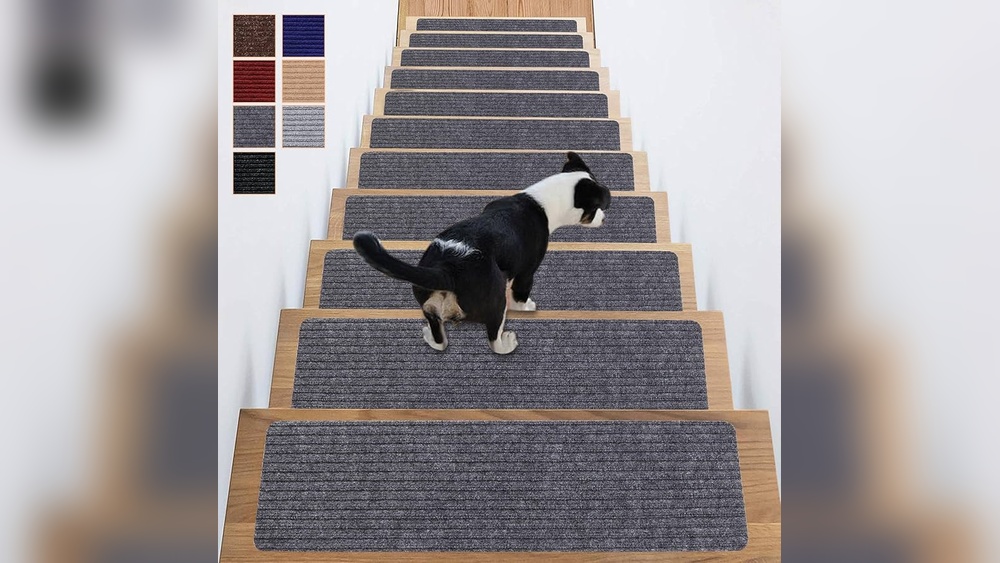
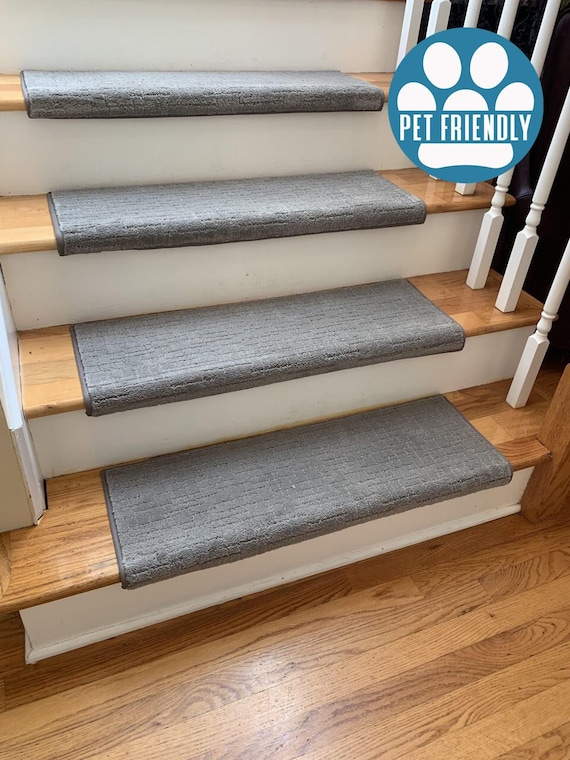
Stair treads and rugs add grip to each step. Choose materials that do not slide on the stairs. Carpeted treads provide a soft, secure surface for paws. Rugs should cover the full step width. Attach them well to avoid movement. Clean and check treads often to keep them effective.
Applying Anti-slip Tape
Anti-slip tape sticks directly to the stair surface. It offers rough texture for better traction. This tape works well on wood, tile, or laminate stairs. Cut tape to fit each step size. Press firmly to ensure it sticks well. Replace tape if it peels or wears out.
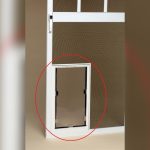
Installing Pet Gates
Installing pet gates is a smart way to keep pets safe around stairs. Gates stop pets from falling or going to unsafe places. They create clear boundaries in the home. This helps pets and owners feel calm and secure.
Selecting The Right Gate
Choose a gate that fits your pet’s size and strength. Small pets need gates with narrow bars to prevent slipping through. Large pets require strong gates that hold firm against pushing. Look for gates with easy-to-use locks for quick opening and closing. Material matters. Wood, metal, or plastic gates each have benefits. Metal gates are sturdy and last long. Plastic gates are lightweight and simple to move. Measure the stair width before buying. This ensures the gate fits well without gaps.
Proper Gate Placement
Place gates at the top and bottom of stairs for full protection. Top stair gates prevent pets from falling down. Bottom stair gates stop pets from climbing unsafely. Fix gates securely to walls or banisters. Loose gates can tip over or open by accident. Make sure the gate does not block light or create dark spots. Position gates where you can easily see and reach them. This helps when you need to open the gate quickly.
Credit: www.etsy.com
Lighting For Visibility
Good lighting on stairs helps pets see each step clearly. It lowers the risk of trips and falls. Bright, even light makes the stairs safer and easier to use. Pets feel more confident moving up and down. This also helps pet owners notice their pets quickly in dim areas.
Installing Stair Lights
Stair lights can be placed under each step or along the wall. They provide steady light on every step edge. LED strip lights are popular for this. They use little power and last long. Choose soft white or warm light to avoid glare. Proper placement stops shadows that confuse pets.
Using Motion Sensors
Motion sensor lights turn on only when someone approaches. This saves energy and adds convenience. Pets can trigger lights as they move near stairs. Sensors work best when set low to the ground. This detects small pets easily. Lights turn off after a short time, keeping energy use low.
Training Pets On Stair Use
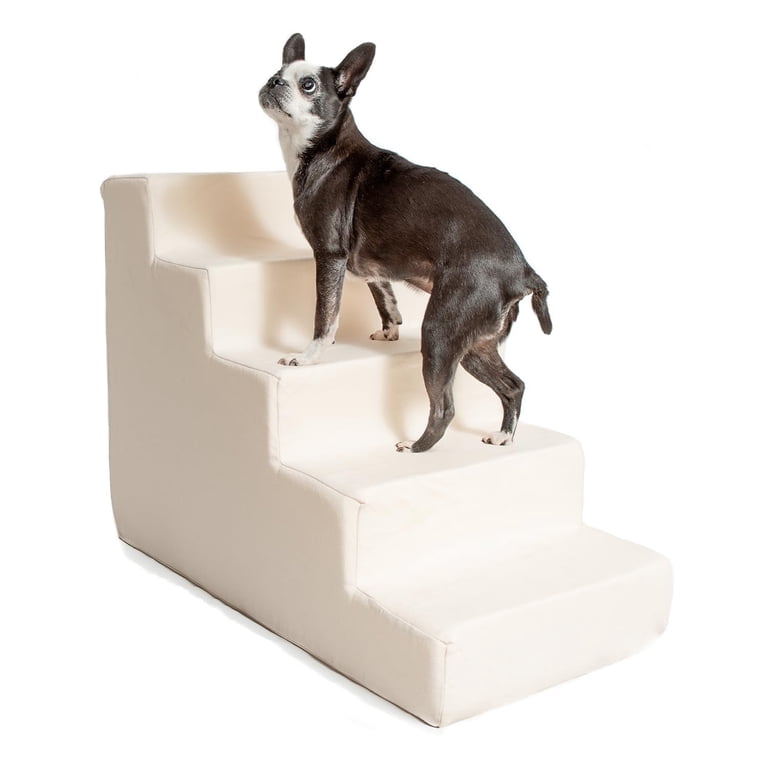
Training pets to use stairs safely is important for their well-being. Pets can feel unsure or scared at first. Teaching them step-by-step helps build confidence. This training protects pets from falls and injuries. It also makes your home safer and more comfortable for them.
Step-by-step Guidance
Start by introducing your pet to the stairs. Let them explore at their own pace. Use a leash for control and safety. Guide them to climb one step at a time. Praise your pet after each successful step. Repeat this daily to build familiarity. Move slowly to avoid overwhelming your pet. Watch their reactions and adjust the pace. Practice going up and down the stairs. Always stay calm and patient.
Positive Reinforcement Techniques
Use treats to reward good behavior on stairs. Give a small treat after each step climbed. Use a happy voice to encourage your pet. Pet and praise them for trying hard. Avoid punishment if your pet hesitates. Positive feelings help pets learn faster. Consistent rewards make pets want to repeat actions. This method builds trust and joy in learning.
Credit: www.walmart.com
Regular Stair Maintenance
Regular stair maintenance is key to keeping stairs safe for pets. It helps avoid accidents and keeps your pets comfortable. Regular care also extends the life of your stairs. Simple steps like cleaning and quick repairs make a big difference.
Cleaning And Inspection
Clean stairs often to remove dust, dirt, and hair. Dirt can make stairs slippery or sticky for pets. Use a vacuum or soft broom for best results. After cleaning, check each step carefully. Look for loose parts, cracks, or anything sharp. Early spotting of problems prevents pet injuries.
Repairing Damages Promptly
Fix broken or loose steps right away. Small cracks can grow bigger and cause falls. Tighten screws and nails to stop wobbling. Sand down rough edges to avoid scratches. Quick repairs keep stairs safe and pet-friendly. Regular care means safer stairs for your pets every day.
Frequently Asked Questions
How Can I Make Stairs Safer For My Pets?
Add non-slip stair treads or carpet runners to prevent slipping. Ensure the stairs are well-lit and free of clutter to reduce accidents.
What Materials Are Best For Pet-friendly Stairs?
Use materials like carpet, rubber, or textured wood. These provide good traction and reduce the risk of slips and injuries for pets.
How Do I Train My Pet To Use Stairs Safely?
Teach pets to use stairs slowly with positive reinforcement. Guide them step-by-step and reward calm, cautious behavior to build confidence.
Are Pet Gates Necessary For Stair Safety?
Yes, pet gates prevent unsupervised access to stairs. They help protect young, elderly, or anxious pets from falls and injuries.
Conclusion
Making stairs safe for pets helps them move freely and stay happy. Use soft mats or rugs to prevent slipping. Add gates to block stairs when needed. Keep stairs clean and clear of clutter. These small changes protect your pets from accidents.
Your home becomes friendlier for furry friends. Pet-friendly stairs create peace of mind for you. Simple steps make a big difference every day. Keep your pets safe and your home warm. A little effort brings comfort and safety to all.