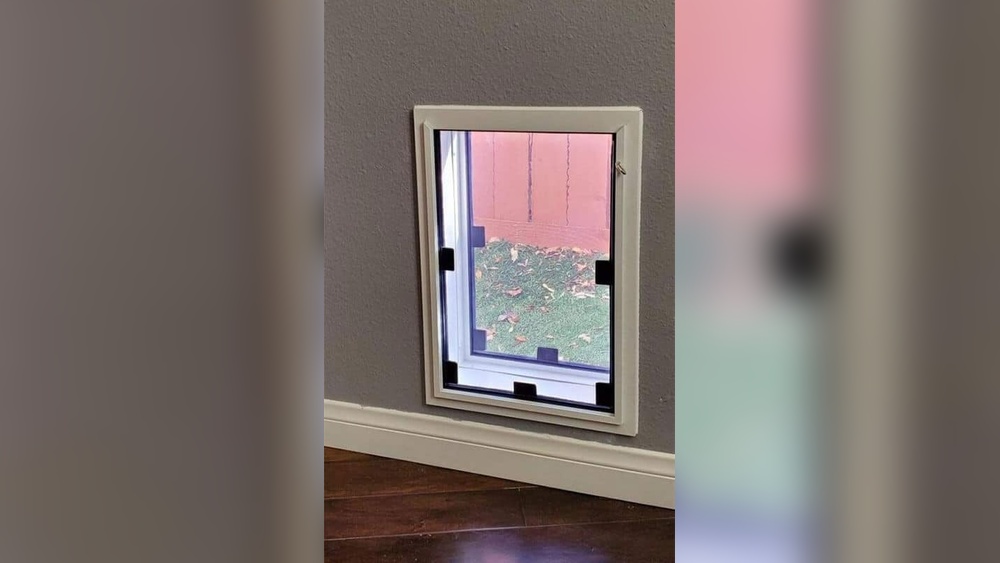

Are you tired of constantly opening the door for your pet? Imagine giving your furry friend the freedom to come and go as they please, without any hassle for you.
Buying a pet door that fits right into your wall can make this a reality. But how do you choose the right one? In this guide, you’ll discover simple steps to find the perfect pet door for your home. Keep reading, and soon your pet will enjoy their new independence while you enjoy the convenience.
Choosing The Right Pet Door
Choosing the right pet door for your wall is important for your pet’s comfort and safety. The right door lets your pet move freely while keeping your home secure. Many factors affect this choice. Size, type, material, and energy use all play a role. Understanding these helps you pick the best door for your pet and home.
Types Of Pet Doors
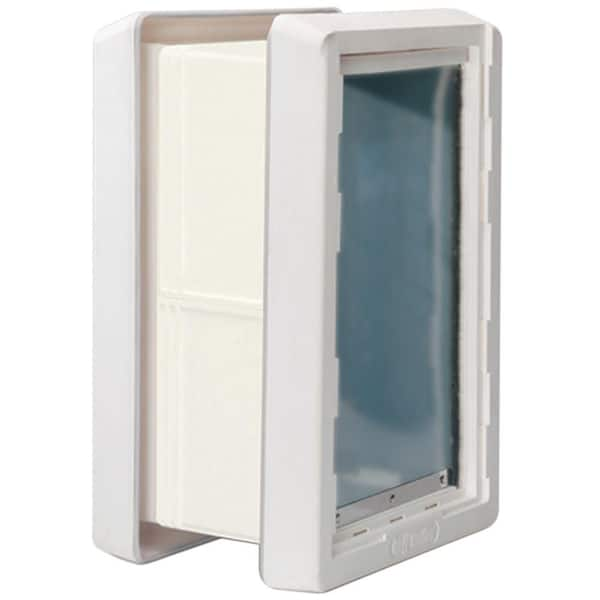
There are several types of pet doors for walls. Manual doors need your pet to push the flap open. Electronic doors use sensors or collars to let only your pet enter. Sliding glass pet doors fit into glass panels and slide open. Choose a type based on your pet’s habits and your home’s layout.
Sizing Your Pet Door
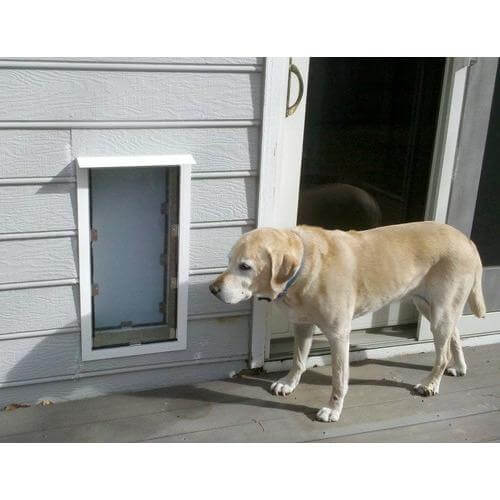
Measure your pet’s height and width carefully. The door should be tall and wide enough for easy passage. Leave extra space for your pet’s head and shoulders. A door too small will frustrate your pet. Too large a door may let in drafts or unwanted animals.
Material Options
Pet doors come in plastic, metal, or wood. Plastic doors are light and affordable. Metal doors offer more durability and security. Wood doors can match your home’s style but need more care. Pick a material that fits your budget and home’s look.
Energy Efficiency Considerations
Energy-efficient pet doors help keep your home warm or cool. Look for doors with insulated flaps or weather seals. Magnetic or spring-loaded flaps close tightly to block drafts. Proper sealing reduces energy loss and lowers your bills. A well-made door protects your home and saves energy.
Preparing The Wall For Installation
Preparing the wall for a pet door installation is an important step. It ensures a smooth fit and keeps your home safe. Proper preparation helps avoid mistakes and damage. The process involves choosing the best spot, checking the wall’s structure, and gathering the right tools.
Selecting The Ideal Location
Pick a wall area that your pet can easily reach. The spot should be low enough for your pet to use comfortably. Avoid places near electrical wiring or plumbing. Find a flat surface for a secure fit. Also, consider where your pet spends most time.
Checking Wall Structure
Know what type of wall you have: drywall, brick, or concrete. Use a stud finder to locate studs and avoid cutting through them. Check for pipes or wires behind the wall. Make sure the wall is thick enough for the pet door size. This step keeps your home safe and the door stable.
Gathering Necessary Tools
Get all tools before starting the installation. Common tools include a drill, saw, measuring tape, and level. You may also need a pencil for marking and safety gear. Having tools ready saves time and effort. It helps keep the work smooth and safe.
Step-by-step Installation Process
Installing a pet door in your wall can make life easier for your pet and you. This step-by-step guide helps you install the door safely and correctly. Follow each step carefully to get the best results.
Marking The Cut Area
Start by choosing the right spot on the wall. Measure the pet door size and mark the outline with a pencil. Double-check the measurements to avoid mistakes. Make sure the area is clear of pipes or wires.
Cutting The Wall Safely
Wear safety goggles and gloves before cutting. Use a drywall saw or a jigsaw to cut along the marked lines. Cut slowly and carefully to keep the edges smooth. Remove the cut piece and clean the hole.
Installing The Frame
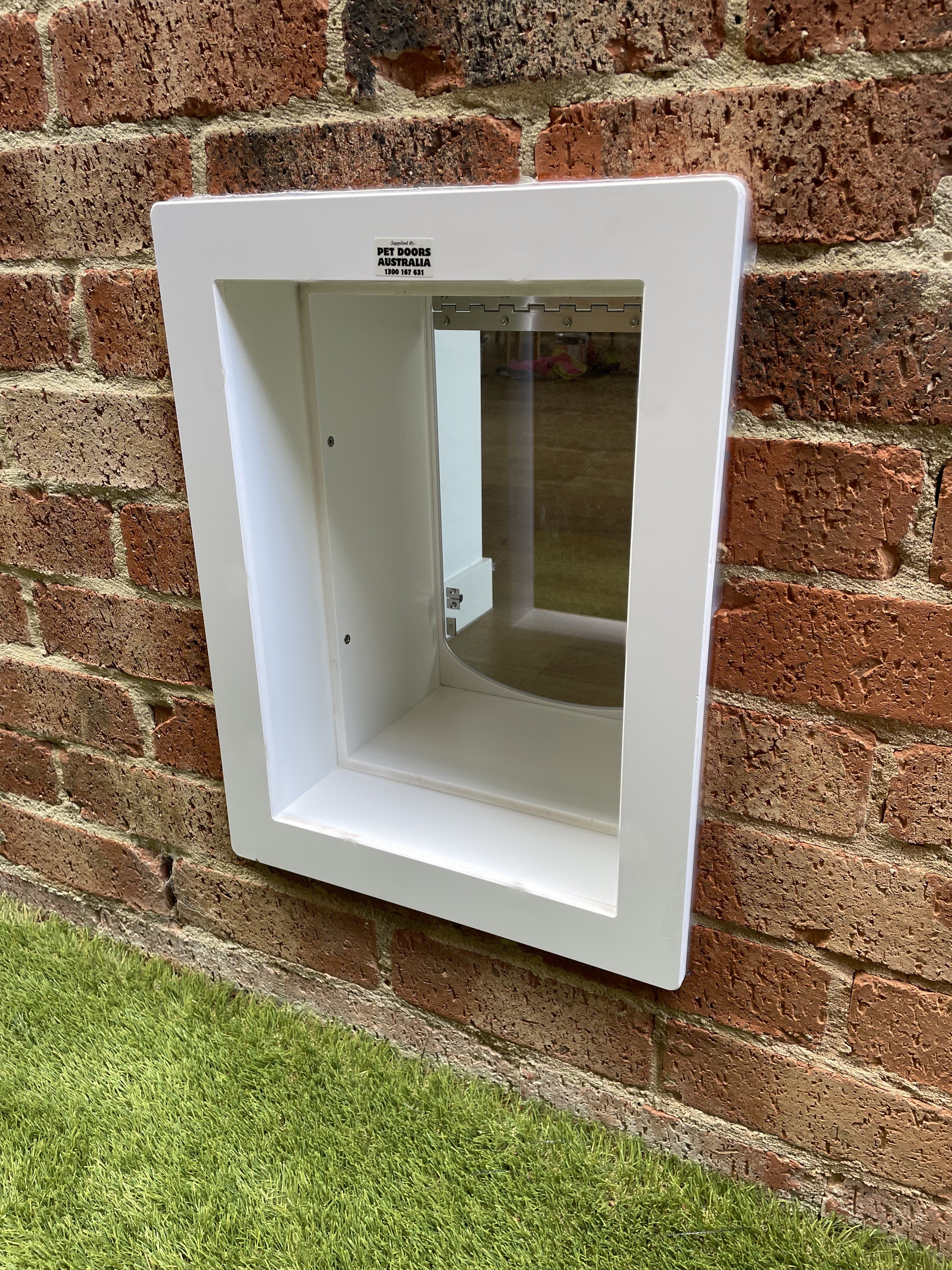
Place the pet door frame into the hole. Check if it fits snugly. Use screws or fasteners to secure the frame to the wall. Make sure the door flap moves freely without obstruction.
Sealing And Insulating
Apply weatherproof sealant around the frame edges. This stops air and water leaks. Add insulation inside the wall around the frame for better temperature control. Let the sealant dry before using the pet door.
Credit: www.liftingitalia.com
Ensuring Security And Weatherproofing
Installing a pet door in your wall can bring great convenience. It lets pets move freely between indoors and outdoors. Security and weatherproofing are key factors to consider. These features keep your home safe and comfortable. They stop cold air, rain, and unwanted visitors from entering.
Choosing the right features helps protect your home year-round. Small details make a big difference in performance. Here are some important tips to ensure your pet door is secure and weatherproof.
Locking Mechanisms
Locking mechanisms add safety to your pet door. They prevent strangers or wild animals from coming inside. Some pet doors have manual locks you slide closed. Others offer electronic locks that open only with your pet’s collar sensor. Choose a lock type that matches your security needs. A sturdy lock keeps your home protected day and night.
Weather Stripping Tips
Weather stripping stops drafts and water leaks around the pet door. Look for doors with built-in weather seals. Extra foam or rubber strips work well to block cold air. Check for gaps where wind can enter. Proper sealing helps maintain your home’s temperature. This lowers energy bills and keeps pets cozy inside.
Protecting Against Pests
Pet doors can be entry points for bugs and small pests. Use fine mesh screens or tight-fitting flaps to block insects. Regularly inspect the door for holes or damage. Repair any weak spots right away. Keeping pests out protects your home and your pet’s health.
Maintenance And Troubleshooting
Keeping your pet door in good shape helps it last longer and work well. Regular checks stop small problems from growing bigger. This guide covers easy ways to care for your pet door. Follow these steps to keep it clean and fix common issues fast.
Regular Cleaning
Clean the pet door often to avoid dirt buildup. Use a soft cloth and mild soap. Wipe both sides of the flap and frame. Dirt and dust can stop the door from closing properly. Regular cleaning keeps the door smooth and easy to use.
Checking For Damage
Look for cracks or loose parts each month. Check the flap for tears or holes. Inspect the frame for any gaps or breaks. Small damages can let cold air or bugs enter. Early spotting helps fix problems before they worsen.
Fixing Common Issues
Fix stuck flaps by cleaning the edges and hinges. Tighten loose screws or bolts with a screwdriver. Replace torn flaps with new ones from the manufacturer. For drafts, add weather stripping around the frame. Simple repairs keep your pet door safe and useful.
Credit: kdfoundation.org
Credit: www.homedepot.com
Frequently Asked Questions
What Size Pet Door Should I Buy For A Wall?
Measure your pet’s height and width at the shoulders. Choose a door slightly larger for easy access. Proper sizing ensures comfort and safety for your pet.
Can I Install A Pet Door In An Exterior Wall?
Yes, pet doors can be installed in exterior walls. Ensure proper insulation and waterproofing to prevent drafts and moisture. Professional installation is recommended for best results.
What Materials Are Best For Wall Pet Doors?
Look for durable materials like heavy-duty plastic, aluminum, or stainless steel. These resist weather damage and provide security. Choose materials that match your home’s exterior.
How Do I Secure A Pet Door Against Intruders?
Select pet doors with locking mechanisms or electronic access controls. These prevent unwanted animals or intruders from entering. Security features add peace of mind.
Conclusion
Choosing the right pet door for your wall makes life easier for you and your pet. Consider size, material, and security to match your home and pet’s needs. Measure carefully before buying to ensure a perfect fit. Installing it correctly keeps your home safe and comfortable.
A good pet door lets your pet enjoy freedom while staying protected. Take your time and pick the best option. Your pet will thank you with happy paws and wagging tails. Simple steps lead to happy pets and peaceful owners.


