
Your smoke detector could save your life, but only if it’s working properly. Do you know how to test it the right way?
Many people forget this simple step, putting themselves and their loved ones at risk without realizing it. You’ll learn easy and effective methods to check your smoke detectors, ensuring they’re ready to alert you when it matters most. Keep reading—your safety depends on it.
Credit: detectortesters.com
Why Test Smoke Detectors
Testing smoke detectors is a simple task that saves lives. These devices warn you about fire early. Regular checks ensure they work when needed most.
Many people forget to test their smoke alarms. This can lead to dangerous situations. Knowing why testing matters helps keep your home safe.
Importance Of Functionality
Smoke detectors must work properly to alert you quickly. A working alarm gives you time to escape. It can reduce injuries and save property. Testing confirms the battery and sensor are active. Without testing, you may not notice a dead alarm.
Common Risks Of Faulty Detectors
Broken smoke detectors increase fire risks in your home. They might not sound during a real fire. This delay causes more damage and danger. False alarms can also happen, causing stress and confusion. Regular testing helps find problems early. Fixing or replacing faulty alarms protects your family.
Tools Needed For Testing
Testing smoke detectors requires the right tools. Using proper equipment ensures safety and accuracy. Simple tools can check if your smoke detector works. Some extra tools help with detailed tests. This section explains the tools needed for testing smoke detectors.
Basic Testing Tools
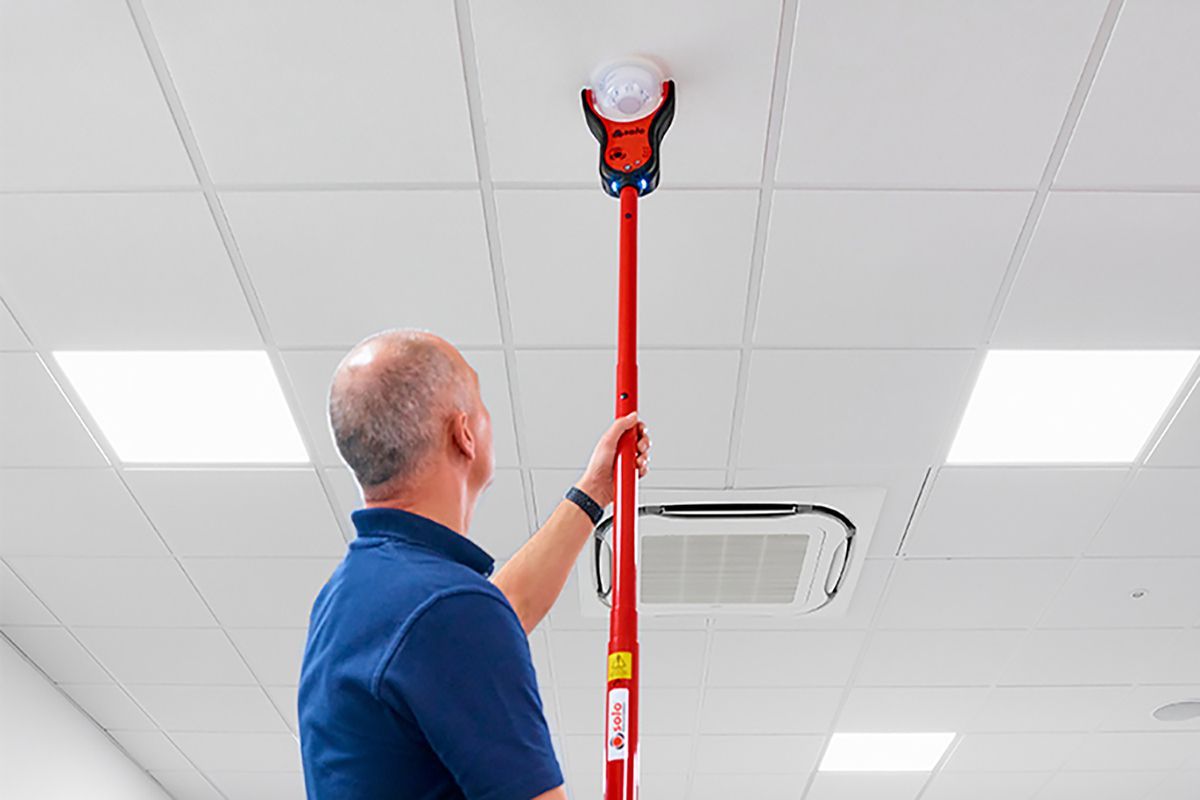
A small ladder helps you reach the smoke detector. A long stick or broom can press the test button. Pressing the button checks if the alarm sounds. A fresh battery is useful to replace old ones. A flashlight helps see the smoke detector clearly. These tools are easy to find and use.
Optional Equipment For Accuracy
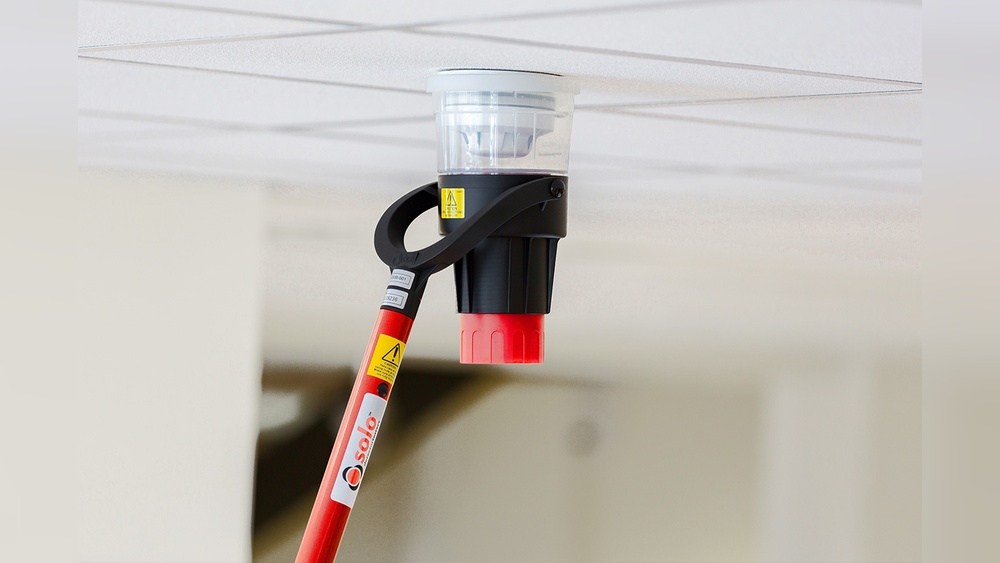
Smoke detector testers spray a small amount of smoke. This smoke checks if the sensor detects real smoke. A multimeter measures the electrical parts inside the detector. It shows if the wiring is working well. These tools are for more detailed tests. They give a better idea of the detector’s condition.
Step-by-step Testing Process
Testing smoke detectors is important for home safety. It helps ensure the device works during emergencies. The process is simple and quick. Follow these clear steps to test your smoke detector properly.
Visual Inspection
Start with a visual check. Look for dust, dirt, or damage on the detector. Clean the surface with a soft cloth if needed. Make sure the device is firmly attached to the ceiling or wall. Check the expiry date printed on the detector. Replace it if it is past its lifespan.
Using The Test Button
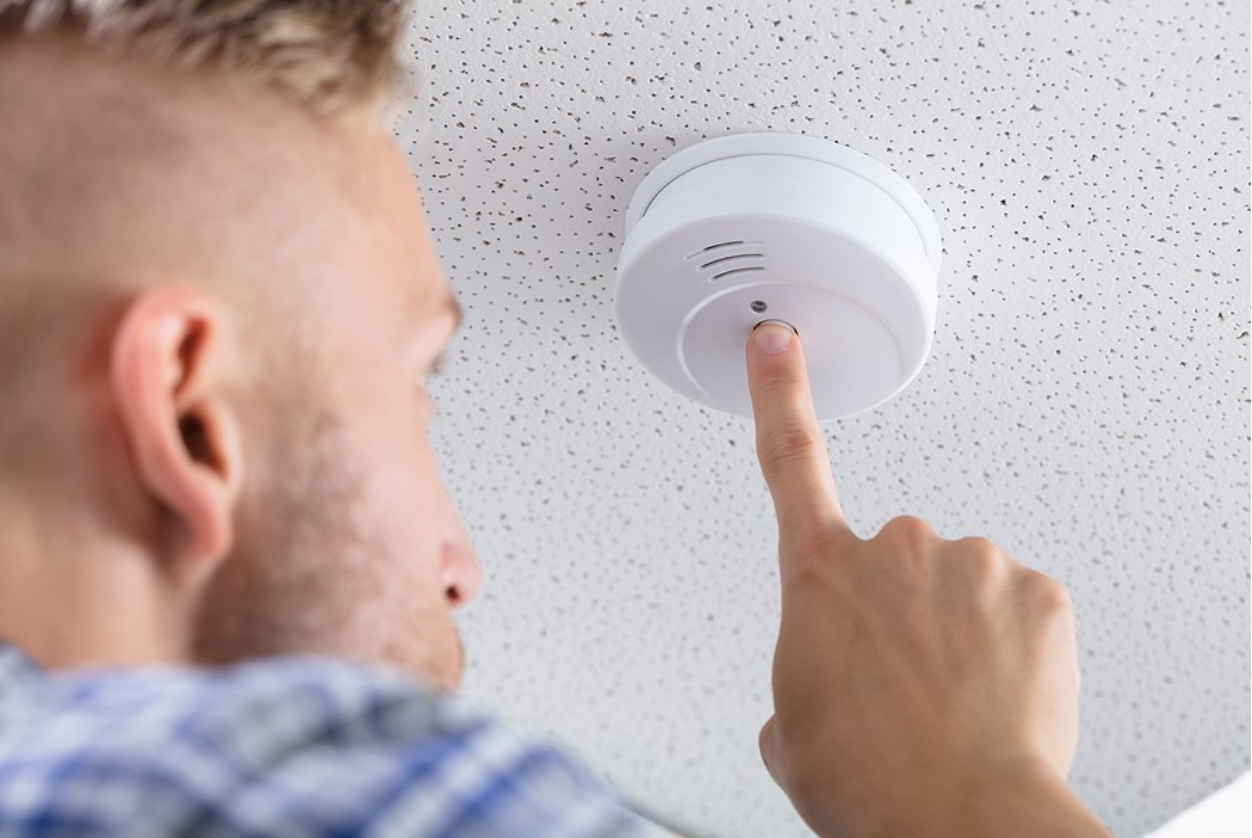
Press the test button on the smoke detector. Hold it for a few seconds until you hear a loud beep. This beep means the alarm is working. If no sound comes, the detector may have a problem. Try changing the batteries or replacing the unit.
Simulating Smoke
Light a match and blow it out near the detector. The smoke should trigger the alarm. Keep your hand close but not touching the detector. If the alarm does not sound, the sensor might be faulty. Test several times for consistency.
Battery Check
Remove the detector from its base. Open the battery compartment carefully. Check if the battery is old or leaking. Replace the battery with a new one if needed. Always use the battery type recommended by the manufacturer. After replacement, test the alarm again.
Frequency Of Testing
Testing smoke detectors often is key to keeping your home safe. Regular checks ensure the device works when needed. Over time, batteries can die or dust can block sensors. This makes testing an important part of home safety.
Recommended Testing Schedule
Test smoke detectors at least once a month. Press the test button until the alarm sounds. Replace batteries every year or as needed. Change the entire smoke detector every 10 years. Follow the manufacturer’s instructions for best results.
Signs To Test More Often
Test more often if your smoke detector is old. Test after storms, power outages, or renovations. If alarms sound weak or irregular, test immediately. Dusty or humid environments also need frequent checks. Quick action helps avoid device failure.
Maintaining Smoke Detectors
Maintaining smoke detectors ensures they work properly and keep you safe. Regular care prevents false alarms and extends their life. Simple steps like cleaning and battery checks help your detectors stay reliable. Knowing when to replace them avoids risks from old or faulty units.
Cleaning Tips
Dust and dirt can block smoke sensors. Use a soft brush or vacuum cleaner to clean your detector gently. Avoid using water or cleaning sprays. Clean at least twice a year to keep it clear. This helps the alarm detect smoke quickly and accurately.
Battery Replacement
Smoke detectors need fresh batteries to work well. Change batteries every six months or when the alarm beeps. Use the type of battery recommended by the manufacturer. Always test the alarm after replacing batteries to ensure it works. Dead batteries are a common cause of alarm failure.
When To Replace The Unit
Smoke detectors do not last forever. Replace your unit every 10 years or if it fails tests. Signs of old detectors include frequent false alarms or no sound during tests. Check the manufacturing date on the back of the unit. A new detector offers better safety with updated technology.

Credit: emcsecurity.com
Troubleshooting Common Issues
Troubleshooting common smoke detector issues helps keep your home safe. Smoke detectors can have problems that stop them from working right. Identifying and fixing these problems quickly is important. This section explains how to handle some frequent issues.
False Alarms
False alarms often happen because of dust or insects inside the detector. Clean the device gently with a soft brush or vacuum. Avoid spraying cleaner directly on the detector. Steam or smoke from cooking can trigger alarms too. Move the detector away from kitchens or bathrooms if false alarms continue. Check if batteries need replacement, as low power may cause false signals.
No Sound During Test
If the smoke detector makes no sound during testing, check the battery first. Replace old or weak batteries with fresh ones. Press the test button firmly and hold it for a few seconds. Clean the sensor area to remove any dirt or dust. If still silent, the detector might be faulty and require replacement.
Intermittent Beeping
Intermittent beeping usually signals a low battery. Replace the battery immediately to stop the noise. Sometimes, poor battery contact causes beeping. Remove the battery and reinsert it carefully. Dust inside the detector can also cause beeping. Clean the device regularly to avoid this issue. Persistent beeping after battery change may mean the detector is old and needs replacing.
Credit: www.worldinsurance.com
Frequently Asked Questions
How Often Should I Test My Smoke Detectors?
You should test smoke detectors monthly to ensure they work properly. Regular testing helps detect faults early and keeps your home safe.
What Is The Best Way To Test Smoke Detectors?
Press and hold the test button until the alarm sounds. This confirms the detector’s battery and sensor are functioning correctly.
Can I Use Smoke To Test Smoke Detectors?
Using smoke is not recommended due to safety risks. Instead, use the built-in test button for a safe and effective test.
What Should I Do If My Smoke Detector Fails The Test?
If it fails, replace the batteries first. If it still doesn’t work, replace the entire smoke detector immediately.
Conclusion
Testing smoke detectors keeps your home safe and secure. Regular checks help spot problems early. Press the test button monthly to hear the alarm. Replace batteries once a year or when low. Clean detectors gently to avoid dust buildup. Remember, working smoke detectors save lives every day.
Don’t skip this simple but vital task. Stay alert, stay protected. Your safety depends on it.