
Is your pet howling at your bedroom door night after night? It’s frustrating, exhausting, and can disrupt your sleep.
You want to enjoy peaceful nights, but your furry friend’s constant noise keeps you on edge. The good news? You can stop this behavior and bring calm back to your home. You’ll discover simple, effective steps to help your pet feel secure and quiet down.
Keep reading, and you’ll learn how to regain your nights and strengthen the bond with your pet.
Reasons Pets Howl At Doors
Pets howl at bedroom doors for several reasons. Understanding why helps solve this behavior. Each pet is unique, but common causes exist. This section explores the main reasons pets howl at doors.
Seeking Attention
Pets often howl to get your attention. They want to be near you or play. Howling is their way to say, “Notice me.” Ignoring this can make the howling worse. Giving attention at the right time helps reduce this behavior.
Separation Anxiety
Pets feel scared when left alone. Howling shows their anxiety and stress. They want you close to feel safe. This is common in dogs and cats. Helping pets feel calm can stop the howling.
Territorial Behavior
Some pets howl to guard their space. The bedroom door marks their territory. They warn others to stay away. This behavior shows they feel protective or threatened. Training can teach them to relax.
Response To Sounds
Pets hear noises you may not notice. Sirens, voices, or other animals can trigger howling. It is their natural reaction to respond. Reducing outside noise or masking sounds can help. Understanding this keeps you calm and patient.

Credit: www.amazon.com
Behavioral Training Techniques
Behavioral training techniques help stop your pet’s howling at the bedroom door. These methods focus on changing your pet’s reactions and habits. Training takes time and patience. Consistency is very important for success.
Positive Reinforcement
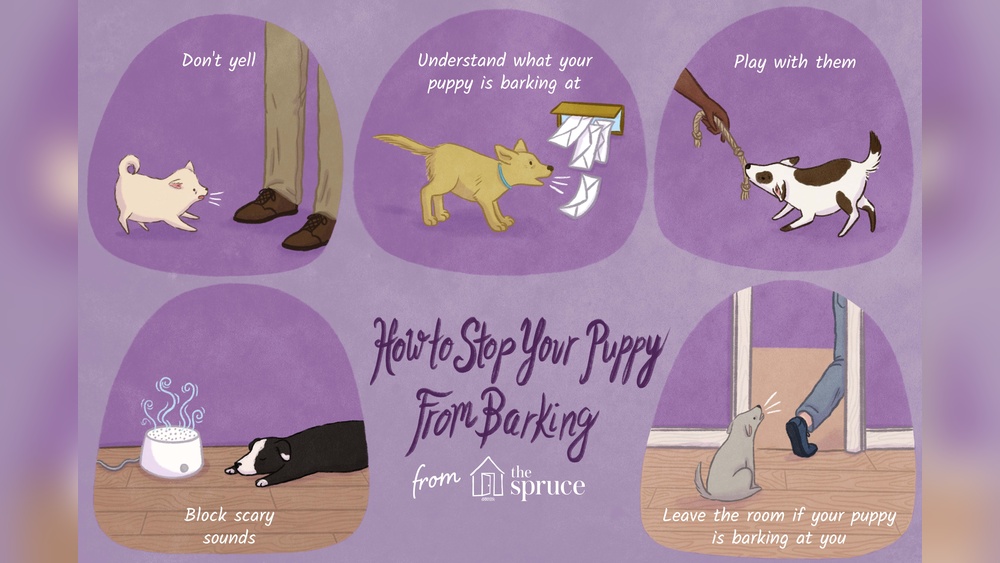
Reward your pet for quiet behavior near the door. Use treats or praise to encourage calmness. This makes your pet want to stay quiet. Avoid giving attention when your pet howls. Positive rewards build good habits fast.
Ignore The Howling
Do not respond to your pet’s howling at the door. No eye contact, talking, or touching. Your pet learns that howling does not get attention. This reduces the howling over time. Patience is key during this phase.
Teach Quiet Commands
Train your pet to understand a “quiet” command. Start when your pet is calm and quiet. Say “quiet” and give a treat immediately. Repeat this until your pet obeys the command. This helps control howling on cue.
Gradual Door Desensitization
Slowly get your pet used to the bedroom door. Open and close the door for short times. Reward your pet for staying calm near the door. Increase the time little by little each day. This reduces anxiety and stops howling.
Environmental Adjustments
Environmental adjustments play a key role in stopping your pet from howling at the bedroom door. Small changes around the sleeping area can help your pet feel calm and safe. This reduces their need to howl or seek attention. Focus on creating a peaceful and engaging space for your pet. This helps them relax and stay quiet at night.
Create A Comfortable Space
Make a cozy spot for your pet near the bedroom or in another quiet room. Use soft bedding and blankets. Keep the area warm and away from drafts. A familiar place helps your pet feel secure. A calm pet is less likely to howl for attention.
Use White Noise Machines
White noise machines can mask sounds that make your pet anxious. Gentle noise soothes pets and blocks outside noises. This helps reduce howling caused by sudden sounds. Place the machine near your pet’s sleeping spot for best results.
Provide Toys And Distractions
Give your pet toys to keep their mind busy. Chew toys, puzzle feeders, or soft balls work well. Distractions help stop boredom, a common cause of howling. Rotate toys to keep your pet interested every night.
Adjust Bedroom Access
Limit access to the bedroom at night if possible. Use a baby gate or closed door to set boundaries. Pets learn to respect these limits over time. This helps reduce howling at the door for entry. Offer a good sleeping spot outside the bedroom instead.

Credit: www.youtube.com
Health And Comfort Checks
Health and comfort play a big role in a pet’s behavior. Pets often howl at bedroom doors because they feel uneasy or unwell. Checking their health and comfort can help stop this behavior. Simple steps can make your pet feel safe and calm.
Rule Out Medical Issues
Pets may howl if they feel pain or discomfort. A visit to the vet can find hidden health problems. Ear infections, arthritis, or dental pain cause distress. Treating these issues can reduce howling. Watch for changes in eating, walking, or sleeping.
Ensure Proper Exercise
Exercise helps pets use energy and stay calm. Lack of activity can make pets anxious and noisy. Daily walks or playtime burn off extra energy. Tired pets are more relaxed and less likely to howl. Adjust exercise to your pet’s age and breed.
Maintain Regular Feeding Schedules
Pets feel secure with set meal times. Irregular feeding can cause stress and howling. Feed your pet at the same times every day. Use a quiet spot for meals to avoid distractions. Consistency helps pets feel safe and calm.
When To Seek Professional Help
Sometimes, pet howling at the bedroom door can be more than just a habit. It may signal deeper issues that need expert help. Knowing when to seek professional help can improve your pet’s behavior and your peace of mind.
If your pet howls loudly and often, or shows signs of stress, it is time to get support. Early help can prevent the problem from getting worse. Professionals can find the cause and guide you to solutions that work.
Behavioral Experts
Behavioral experts study animal actions and feelings. They help identify why your pet howls at the door. These experts create plans to change unwanted behavior gently. They teach you techniques to calm your pet and reduce howling. Using their advice often leads to long-term improvement.
Veterinary Advice
Sometimes howling means your pet feels pain or discomfort. A vet can check for health problems causing distress. Illness, injury, or hearing issues may make pets more vocal. Vets also suggest treatments or medicines to ease symptoms. Always rule out medical causes before assuming behavior issues.
Consider Pet Therapy
Pet therapy includes calming tools and activities for your animal. Therapists use massage, sounds, or exercises to reduce anxiety. This approach helps pets feel secure and less lonely. Therapy can improve your pet’s mood and lower howling episodes. It fits well with other professional guidance.

Credit: ccspca.com
Frequently Asked Questions
Why Does My Pet Howl At The Bedroom Door?
Pets often howl at bedroom doors due to separation anxiety or wanting attention. They may feel lonely or seek comfort from their owner during nighttime.
How Can I Stop My Pet From Howling At Night?
Provide your pet with toys, exercise, and a comfortable sleeping area. Consistent training and positive reinforcement help reduce nighttime howling.
Does Ignoring My Pet’s Howling Help Stop It?
Yes, ignoring howling teaches pets that noise won’t get attention. Reward quiet behavior instead to encourage calmness near the bedroom door.
Can A Bedtime Routine Reduce My Pet’s Howling?
Yes, a consistent bedtime routine helps pets feel secure. Feeding, walking, and calming activities before bed reduce anxiety and howling.
Conclusion
Stopping your pet from howling at the bedroom door takes patience and care. Give your pet attention and comfort during the day. Set clear rules for when to stay quiet at night. Use gentle training methods to encourage calm behavior.
Remember, pets feel safe with love and routine. Small steps lead to big changes over time. Keep trying, and your pet will learn to relax. A peaceful night benefits both you and your furry friend.