Imagine never having to get up to let your pet in or out again. An automatic pet door gives your furry friend freedom while keeping your home secure and energy-efficient.
If you’ve been wondering how to make one yourself, you’re in the right place. This guide will walk you through simple steps that anyone can follow, saving you money and giving your pet the independence they deserve. Keep reading, and you’ll soon have a smart pet door tailored perfectly for your home.
Choosing The Right Pet Door
Choosing the right pet door is the first step in making an automatic pet door. The door must fit your pet’s size and your home’s needs. Picking the wrong door can cause problems like letting cold air in or pets not using it. This guide helps you find the best door for your pet and home.
Types Of Pet Doors
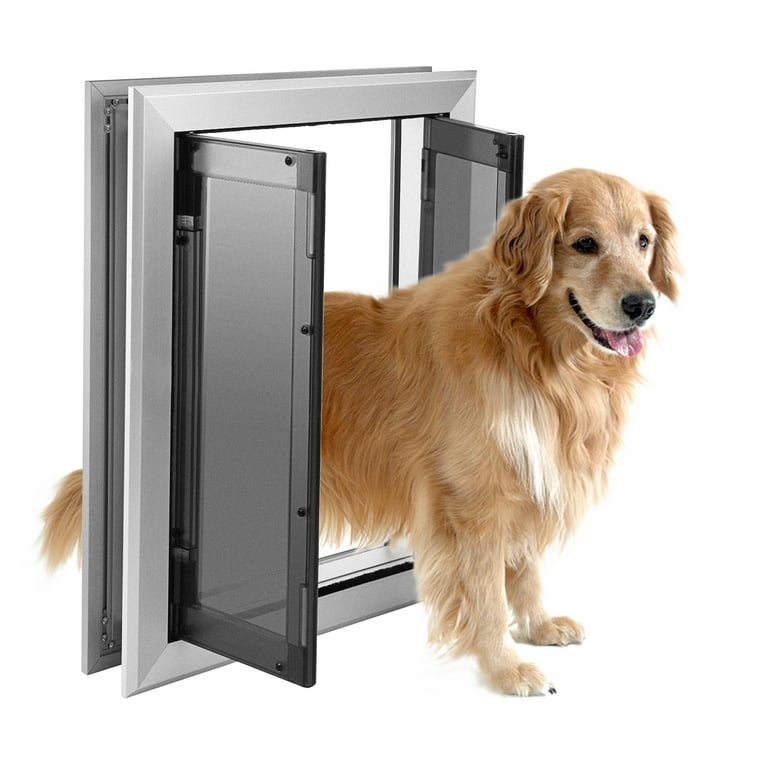
There are several types of pet doors. Manual doors need pets to push them open. Automatic doors open with sensors or microchips. Some doors use magnets or collars to unlock. Choose a type that suits your pet’s habits and your budget. Automatic doors offer more control and ease for pets.
Size And Material Considerations
Measure your pet before picking a door size. The door must be tall and wide enough for easy access. Small doors can trap bigger pets, causing stress. Materials vary from plastic to metal and wood. Plastic is light and affordable. Metal lasts longer and is stronger. Wood matches home decor but needs care.
Energy Efficiency And Security
Good pet doors keep your home warm or cool. Look for doors with tight seals to stop air leaks. Double flaps or insulated panels improve energy saving. Security is important to stop unwanted animals or intruders. Choose doors with locking options or sensors. This keeps your home safe and your pet free.

Credit: www.walmart.com
Gathering Materials And Tools
Starting your automatic pet door project means gathering the right materials and tools. Having everything ready saves time and keeps the work smooth. Knowing what you need helps avoid trips to the store mid-project. Let’s break down what to collect before you begin.
Essential Components
Get a pet door kit with an automatic sensor. Choose one that fits your pet’s size and your door type. You will need mounting hardware like screws and brackets. Batteries or a power adapter may come with the kit. Some kits include a remote or collar sensor for your pet.
Tools Required For Installation
Use a drill with bits for making holes. A screwdriver is needed to secure screws. A measuring tape helps with precise placement. A pencil marks the cutting area. A saw or jigsaw cuts the door panel. A level keeps the door straight. Sandpaper smooths rough edges after cutting.
Safety Equipment
Wear safety goggles to protect your eyes from dust. Use gloves to guard your hands during cutting. Ear protection helps if your tools are loud. A dust mask stops you from breathing in particles. Make sure your work area is well-lit and clean.
Preparing The Installation Site
Preparing the installation site is an important step for making an automatic pet door. It ensures the door fits well and works smoothly. Proper preparation saves time and effort during the installation. A good site also keeps your pet safe and comfortable.
Selecting The Perfect Location
Choose a spot that your pet uses often. Near the main door or a quiet wall works well. Avoid places with high foot traffic or obstacles. Check the ground outside for clear access. Make sure the location suits your pet’s size and habits.
Measuring And Marking
Measure your pet’s height and width carefully. Use a tape measure for accuracy. Mark the door frame or wall where the pet door will go. Draw clear lines to guide your cutting. Double-check measurements before making any cuts.
Making Necessary Adjustments
Look for any uneven surfaces around the marked area. Sand or smooth rough edges to avoid damage. Adjust your marks if needed to fit the door better. Ensure the space is enough for the pet door frame. Small changes here help the door open and close easily.
Credit: www.walmart.com
Assembling The Automatic Mechanism
Assembling the automatic mechanism is a crucial step in creating a reliable pet door. This part controls when the door opens and closes. Proper setup ensures your pet moves freely and safely. Follow clear steps to complete this process.
Sensor Options And Setup
Choose the right sensor for your pet door. Motion sensors detect your pet nearby. RFID tags on your pet’s collar allow only your pet to enter. Install the sensor at your pet’s height. Test the sensor to ensure it triggers correctly.
Motor And Power Source Installation
Select a motor that can handle the door’s weight. Attach the motor securely to the door frame. Connect the motor to a power source. Use batteries or a plug-in adapter based on your setup. Keep wires neat to avoid damage.
Testing The Automatic Function
Test the door several times after assembly. Watch the door open smoothly when the sensor activates. Check if the door closes fully without delay. Adjust settings if the door moves too fast or slow. Confirm the system works without any errors.
Installing The Pet Door
Installing the automatic pet door is a key step in this project. It requires careful work to ensure the door fits well and works smoothly. This part covers cutting the opening, fitting the frame, and sealing the door. Follow each step closely for the best results.
Cutting The Opening
Mark the door or wall where the pet door will go. Use a measuring tape for accurate size. Draw the outline of the pet door on the surface. Use a drill to make starter holes on the corners. Cut along the lines with a jigsaw or handsaw. Smooth the edges with sandpaper to prevent splinters.
Fitting The Door Frame
Place the pet door frame into the cut opening. Check if it fits snugly without gaps. Use screws to fix the frame in place. Tighten the screws evenly to avoid warping. Test the flap to make sure it swings freely. Adjust the frame if the door sticks or is loose.
Sealing And Weatherproofing
Apply weatherproof sealant around the door frame edges. This stops air and water from leaking in. Use a silicone sealant for a strong, flexible seal. Check both inside and outside surfaces for full coverage. Let the sealant dry completely before use. Good sealing keeps the home warm and dry.

Credit: www.petdoorstore.com
Training Your Pet
Training your pet to use an automatic pet door takes patience and care. Pets need time to understand how the new door works. This section guides you through steps to help your pet feel comfortable and confident with the door.
Introducing The New Door
Start by showing the door to your pet while it is open. Let them sniff and explore it without pressure. Use calm words and gentle petting to create a positive mood. Keep the door open at first so your pet sees no barrier. Let them walk through freely a few times.
Encouraging Use With Positive Reinforcement
Give treats or praise when your pet approaches or uses the door. Use a favorite toy or food to guide them through the door. Repeat this often to build a good habit. Always reward your pet right after they use the door correctly. This helps your pet connect the door with good things.
Troubleshooting Common Issues
Some pets may hesitate or ignore the door. Try moving treats closer to the door’s threshold. Check if the door moves easily and does not scare your pet. If your pet gets stuck, gently help them through once or twice. Stay calm and patient. Avoid forcing your pet through the door.
Maintaining Your Pet Door
Maintaining your automatic pet door helps keep it working well for years. Regular care stops small problems from becoming big issues. It also keeps your pet safe and happy. Follow simple steps to keep your pet door clean and in good shape.
Regular Cleaning Tips
Clean the door frame and flap often. Use a damp cloth to wipe away dirt and dust. Check for mud or hair stuck in corners. Clear away debris that can block the flap from moving. Clean sensors gently with a soft brush or cloth. This helps the door open and close smoothly.
Checking Mechanical Parts
Look at hinges and locking parts every few weeks. Make sure screws are tight and parts are not loose. Test the door to see if it opens and closes easily. Listen for strange noises that might mean wear or damage. Replace worn parts quickly to avoid bigger repairs later.
Upgrading And Repairs
Keep your pet door updated with new features if possible. Check the battery or power source regularly and change if needed. Fix cracks or broken parts to keep the door safe. Use parts made for your pet door model for best results. Regular fixes keep your door working like new.
Frequently Asked Questions
What Materials Are Needed For An Automatic Pet Door?
You need a pet door kit, microcontroller, sensors, motor, and power supply. Additional tools include a drill, screwdriver, and measuring tape. Choose durable materials for safety and longevity.
How Do Sensors Work In An Automatic Pet Door?
Sensors detect your pet’s presence using RFID or motion detection. They trigger the door to open and close automatically, ensuring only your pet enters or exits.
Can I Install An Automatic Pet Door Myself?
Yes, with basic DIY skills and proper tools, you can install it. Follow the manufacturer’s instructions carefully. Ensure the door fits your pet’s size for safety.
What Power Sources Can Operate An Automatic Pet Door?
Automatic pet doors can use batteries, solar power, or AC adapters. Choose a power source based on convenience and location. Battery operation allows more flexible placement.
Conclusion
Building an automatic pet door can save time and help pets stay independent. The process is simple with basic tools and clear steps. You can customize the door to fit your pet’s size and home style. Remember to test the door to ensure it works smoothly and safely.
Enjoy the convenience and freedom it brings to your pet’s daily routine. This project offers both fun and function for pet owners everywhere.