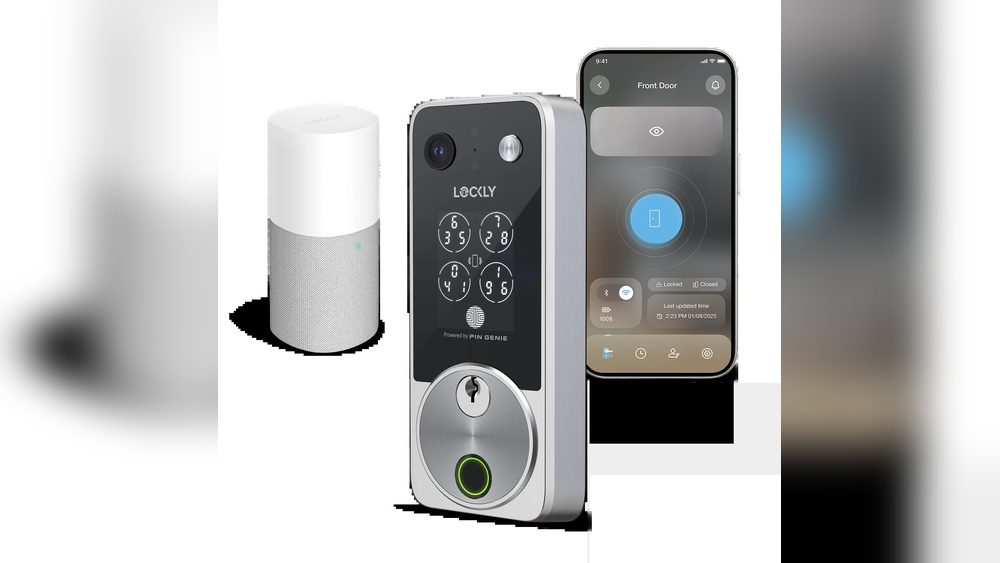

Moving to a new home is exciting, but it comes with important tasks—like transferring your smart door lock to the new owner. You want to make sure the process is smooth, secure, and hassle-free.
If you’re wondering how to hand over control without compromising security, you’re in the right place. Keep reading to learn simple steps that will protect your home and give the new owner peace of mind from day one.
Credit: lockly.com
Prepare For Transfer
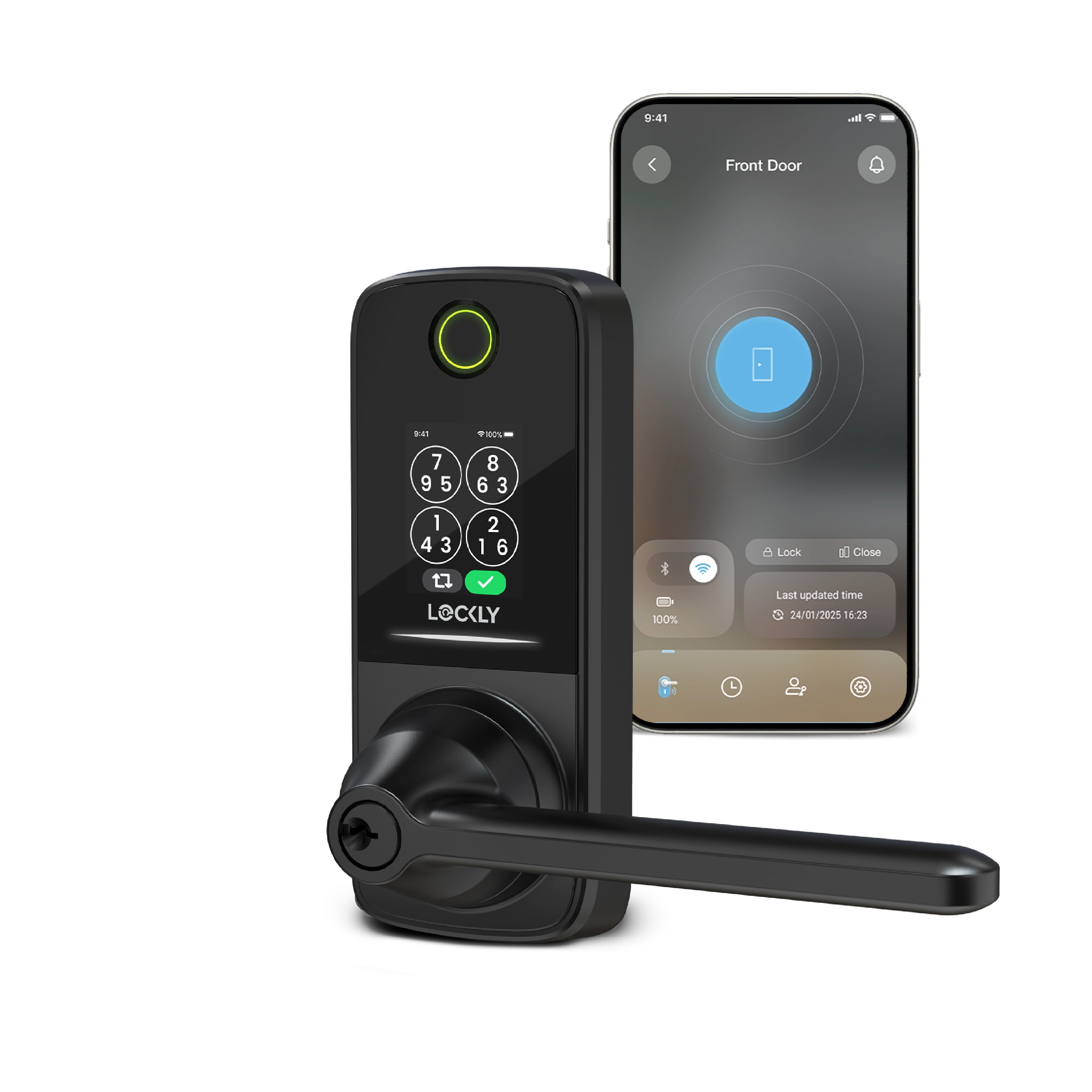
Preparing to transfer your smart door lock to a new home owner takes some steps. These steps help make the handover smooth and secure. You need to get ready before the new owner starts using the lock.
Preparation includes checking documents, lock compatibility, and informing the right people. Each part is important to avoid problems later.
Gather Required Documents
Collect all papers related to your smart door lock. These might include the user manual, purchase receipt, and warranty details. Also, get any app or account information linked to the lock. These documents help the new owner understand and use the lock easily.
Check Lock Compatibility
Make sure the smart lock fits the new home’s door. Check the lock’s size and type against the door frame. Confirm it works with the home’s Wi-Fi or smart home system. Compatibility ensures the lock will function properly after transfer.
Notify Relevant Parties
Tell the smart lock company about the ownership change. Some companies require an update in their system. Inform your internet provider if the lock connects to their network. Let any family members or roommates know about the transfer too.

Credit: www.zillow.com
Reset The Smart Lock
Resetting your smart door lock is a key step before handing it over to a new home owner. This process clears all previous settings and keeps the lock secure. It also ensures the new owner starts fresh with their own access.
Resetting can vary by brand and model. Follow the steps carefully to avoid any issues. This section explains how to reset your smart lock in three simple parts.
Factory Reset Procedure
Locate the reset button on your smart lock. Usually, it is inside the battery compartment or on the back. Press and hold the button for 10 to 20 seconds. The lock will flash or beep to show the reset is complete. This step erases all settings and returns the lock to its original state.
Remove User Access Codes
After factory reset, manually check if user codes are gone. Some models require deleting codes separately. Access the lock’s app or keypad menu. Find the option to delete user codes. Remove all stored codes to prevent old users from entering.
Clear Connected Devices
Disconnect the smart lock from all connected devices. Remove it from the mobile app or smart home system. This stops notifications and remote control from previous owners. The new owner can then pair the lock with their own devices without trouble.
Update Lock Settings
Updating the lock settings is a key step in transferring your smart door lock. This ensures the new owner has full control and secure access. It helps protect their home and privacy from the start.
Follow clear steps to set up the new owner profile, adjust permissions, and sync devices. This process makes the transition smooth and safe.
Set Up New Owner Profile
Create a new profile specifically for the new owner. Use their name and contact details in the lock system app. This separates their access from previous users.
Delete or disable old profiles to avoid confusion. It stops anyone unauthorized from entering the home.
Configure Access Permissions
Control who can use the lock by setting clear permissions. Choose which codes or devices can unlock the door. This helps limit access to trusted people only.
Set time limits if needed. For example, allow access only during certain hours. This adds extra security for the new owner.
Sync With New Devices
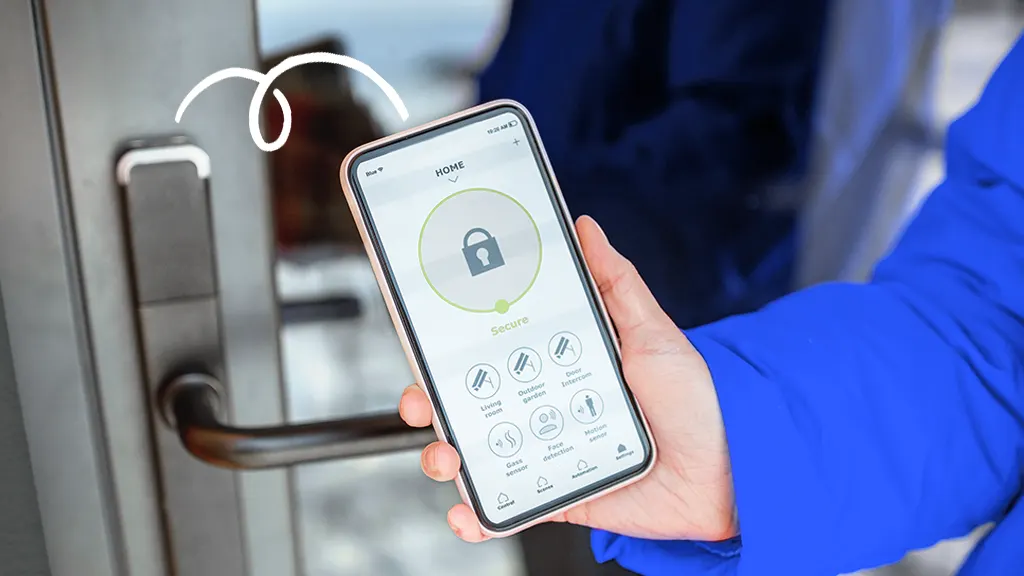
Connect the smart lock with the new owner’s smartphone and other devices. Follow the lock manufacturer’s instructions for syncing. This lets the owner manage the lock remotely.
Remove old devices from the system. It prevents others from controlling the lock after the sale.
Credit: www.asurion.com
Provide Transfer Information
Providing clear transfer information is key when handing over a smart door lock. It makes the transition smooth for the new owner. Sharing essential details helps them understand and use the lock properly. It also reduces confusion and saves time later.
Share User Manuals
Give the new owner the user manuals for the smart lock. Manuals include setup steps and troubleshooting tips. They help users learn the lock’s functions at their own pace. If paper manuals are missing, digital copies from the manufacturer’s website work well too.
Explain Features And Usage
Walk the new owner through the lock’s main features. Show how to lock, unlock, and program codes. Explain any app controls or voice commands available. This hands-on guide builds confidence and avoids mistakes. Keep instructions simple and clear.
Offer Technical Support Contacts
Provide phone numbers or emails for technical support. This helps the new owner get help if problems arise. Mention the manufacturer’s support hours and any online chat options. Knowing who to contact reduces stress and ensures quick fixes.
Legal And Security Considerations
Transferring a smart door lock to a new home owner involves more than just handing over the device. Legal and security factors play a big role in this process. These ensure the new owner’s privacy and safety are protected. Understanding these points helps avoid future problems.
Check Privacy Policies
Review the smart lock’s privacy policy carefully. It explains how personal data is collected and used. Look for any terms about transferring data to another person. Confirm that the new owner’s information will be protected. Some companies require account deletion before transfer.
Ensure Data Protection
Remove all your personal data from the smart lock system. This includes user codes, fingerprints, and app access. Reset the lock to factory settings if possible. Secure data prevents unauthorized access to your previous home. The new owner should set up their own secure credentials.
Confirm Ownership Transfer
Check if the smart lock manufacturer requires you to notify them about the transfer. Some brands have a process for changing ownership in their app or website. Confirm the new owner has full control of the device. This step avoids conflicts and ensures warranty coverage continues.
Frequently Asked Questions
How Do I Reset A Smart Door Lock For New Owners?
To reset a smart lock, follow the manufacturer’s reset instructions. Usually, this involves pressing a reset button or removing batteries. Resetting clears old access codes, ensuring only new owners can program the lock securely.
Can I Transfer Digital Keys To New Homeowners?
Most smart locks do not allow direct transfer of digital keys. Instead, remove old users and add new ones through the app. This method protects security and ensures only authorized users have access.
What Information Should I Provide To New Owners?
Provide new owners with the lock’s user manual and app access details. Share reset instructions and any master codes if applicable. This helps them manage the lock confidently and maintain home security.
Is Professional Help Needed To Transfer Smart Locks?
Professional help isn’t usually required; most smart locks are user-friendly. However, for complex models, hiring a locksmith or technician can ensure proper setup and security transfer to new owners.
Conclusion
Transferring a smart door lock to a new owner is simple and quick. Start by deleting your codes and resetting the lock. Share all instructions and access details clearly with the buyer. Make sure the new owner tests the lock before moving in.
This helps keep the home safe and secure. Taking these steps saves time and avoids confusion later. A smooth transfer gives peace of mind to both parties. Everyone can enjoy the convenience of smart home security right away.