
Is your smoke detector beeping nonstop and driving you crazy? That constant sound can be annoying, but it’s also your device’s way of telling you something needs attention.
Ignoring it isn’t safe, and fixing it is easier than you might think. You’ll discover simple, step-by-step solutions to stop that beeping for good. Keep reading—your peace of mind and safety depend on it.
Reasons For Beeping
Smoke detectors beep to alert you about issues or dangers. Understanding why they beep helps you fix the problem quickly. The beeping could mean different things. Some are easy to solve, while others need more attention.
Low Battery Signals
The most common cause of beeping is a low battery. Smoke detectors use batteries to work. When power runs low, they beep to warn you. Replace the battery to stop the noise. Use fresh batteries to keep your detector working well.
Dust And Dirt Issues
Dust and dirt can block the smoke detector’s sensors. This causes false alarms or beeping sounds. Clean the detector regularly with a soft brush or cloth. Avoid spraying water or cleaners inside the device. Keeping it clean helps it work properly.
Malfunctioning Sensor
Sensors can fail due to age or damage. A broken sensor might cause constant beeping. Check if the detector reacts when you test it. If not, it might need repair or replacement. Do not ignore these signs to stay safe.
End Of Life Warning
Smoke detectors have a lifespan, usually 8 to 10 years. After this, they beep to signal they need replacement. Old detectors may not detect smoke well. Check the manufacture date on the device. Replace it if it is past its lifespan.

Credit: www.wirechiefelectric.com
Safety First
A beeping smoke detector signals a low battery or a need for cleaning. Quickly replacing the battery or wiping dust off can stop the noise. Staying alert helps keep your home safe.
Fixing a beeping smoke detector requires care. Safety is the top priority to avoid accidents. Smoke detectors work with electricity and batteries. Handling them without caution can cause shocks or falls. Taking simple safety steps helps protect you and your home.
Turn Off Power
Before starting, cut power to the smoke detector. Find the circuit breaker and switch it off. This stops electricity from flowing. You lower the risk of electric shock. Even if the detector uses batteries, turning off power is safer. Always check twice to confirm the power is off.
Use A Ladder Safely
Most smoke detectors are on ceilings or high walls. Use a stable ladder to reach them. Place the ladder on a flat surface. Avoid slippery or uneven floors. Keep three points of contact with the ladder at all times. Do not overreach or lean sideways. Climb down carefully after fixing the detector.
Replacing The Battery
A beeping smoke detector often signals a low battery. Replacing the battery can stop the noise and keep your home safe. This task is quick and simple with the right steps. Use the correct battery type to ensure proper function. Follow the steps carefully to replace the battery safely.
Choosing The Right Battery
Check the smoke detector label or manual for battery type. Most detectors use 9-volt or AA batteries. Use fresh, high-quality batteries to avoid frequent beeping. Avoid mixing old and new batteries in the device. Match the battery size and voltage exactly for safety.
Step-by-step Replacement
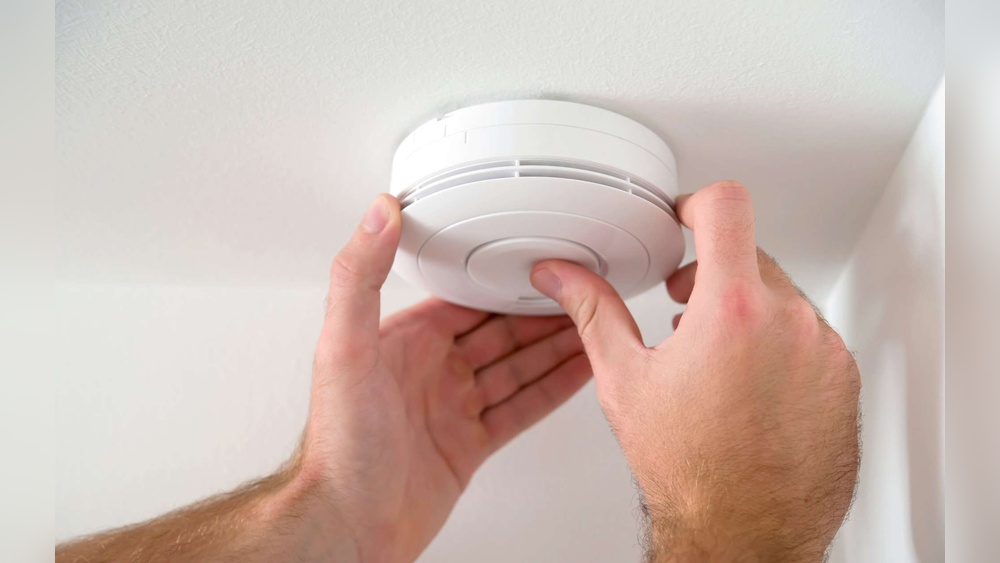
Turn off the smoke detector by twisting or sliding it off the mount. Remove the battery cover carefully. Take out the old battery and dispose of it properly. Insert the new battery with correct polarity (+ and -). Close the battery cover securely. Attach the detector back to the mounting plate. Test the smoke detector by pressing the test button. The beeping should stop, confirming the battery change.

Credit: waynealarm.com
Cleaning The Detector
Cleaning the smoke detector is a simple way to stop the beeping. Dust and dirt can build up inside. This stops the sensor from working well. Regular cleaning keeps the detector ready to protect your home. It also helps avoid false alarms and constant beeping sounds.
Tools Needed
You need a few basic tools for cleaning. Get a soft brush or a small paintbrush. A vacuum cleaner with a soft brush attachment helps remove dust. Use a dry cloth to wipe the outside. Avoid using water or cleaners on the detector.
Proper Cleaning Techniques
Turn off the power to the smoke detector first. Remove the detector from the ceiling or wall. Use the soft brush to gently clean vents and sensor openings. Vacuum around the detector to catch loose dust. Wipe the outer surface with a dry cloth carefully. Let the detector dry completely before putting it back. Restore power and test the smoke detector to check it works well.
Resetting The Smoke Detector
Resetting the smoke detector is an important step to stop the beeping sound. This process clears any errors and can make the device work properly again. Sometimes, the detector beeps because it needs a reset, not just a battery change. Knowing how and when to reset helps keep your home safe and quiet.
When To Reset
Reset the smoke detector after changing the battery. The beep may continue until you reset it. Also, reset if the alarm sounds without smoke or fire. Dust or dirt might cause false alarms. A reset clears these false signals. Reset after testing the alarm to stop beeping.
Reset Methods
Most smoke detectors have a reset button on the front. Press and hold this button for 15-20 seconds. The beeping should stop after this. If no button, remove the battery first. Then press the test button for 15 seconds. Put the battery back and test the alarm. Some models reset by disconnecting power for a few minutes. Check your smoke detector’s manual for exact steps.

Credit: www.angi.com
Dealing With Persistent Beeping
Persistent beeping from a smoke detector can be annoying and worrying. It often signals a problem that needs quick attention. Fixing this issue keeps your home safe and quiet. The next steps help you deal with the constant noise effectively.
Inspecting For Damage
Start by checking the smoke detector for visible damage. Look for cracks, dirt, or dust on the device. These can cause false alarms or beeping sounds. Clean the detector gently with a soft cloth or vacuum. Remove any cobwebs or dust inside the vents. Check the battery contacts for corrosion or rust. Replace the battery if it looks worn or old. Make sure the battery fits tightly. A loose battery often causes beeping.
When To Replace The Detector
Smoke detectors do not last forever. Most units need replacement every 8 to 10 years. Check the manufacturing date on the back of the device. If the beeping continues after changing batteries and cleaning, it may be time to replace it. Old detectors may fail to work properly in an emergency. New detectors offer better safety and features. Choose a model with a long battery life and clear alerts. Installing a new smoke detector can restore peace and safety to your home.
Preventive Tips
Preventive tips help stop smoke detectors from beeping unnecessarily. They keep your home safe and avoid annoying sounds. Simple steps can save time and protect your family.
Regular Maintenance
Clean your smoke detector every month. Dust and dirt cause false alarms and beeping. Use a soft brush or vacuum cleaner to remove debris. Test the alarm after cleaning to ensure it works well.
Battery Replacement Schedule
Change the batteries twice a year. Old batteries cause low power beeps. Mark your calendar to remember the replacement dates. Always use the right battery type for your smoke detector.
Frequently Asked Questions
Why Is My Smoke Detector Beeping Intermittently?
Your smoke detector beeps intermittently to signal low battery or a malfunction. Replace batteries first. If it continues, clean dust or replace the unit.
How Do I Stop A Smoke Detector Beeping At Night?
To stop nighttime beeping, replace the battery immediately. Also, check for dust buildup and ensure proper installation to avoid false alarms.
Can A Dirty Smoke Detector Cause Beeping?
Yes, dust and debris can trigger false beeps. Clean your detector gently with a vacuum or soft brush regularly to prevent this issue.
How Often Should I Replace Smoke Detector Batteries?
Replace smoke detector batteries at least once a year. Change them immediately if the unit starts beeping to ensure continuous protection.
Conclusion
Beeping smoke detectors need quick attention to keep your home safe. Start by checking the battery; often, that fixes the issue. Clean the detector gently to remove dust or dirt. Reset the device if the beeping continues. Replace old detectors every 10 years for best safety.
A quiet smoke detector means your home is protected. Stay alert and fix beeping sounds promptly to avoid risks. Safety first, always.