
Are you ready to transform your outdoor space with glowing LED lights but unsure where to start? Stringing outdoor LED lights might seem tricky, but with the right steps, you can easily create a warm, inviting atmosphere that brightens up your evenings.
Imagine your backyard or patio sparkling just the way you want it—no more guessing or messy setups. In this guide, you’ll learn simple, clear instructions to hang your lights safely and beautifully. Keep reading, and by the end, you’ll have the confidence to light up your nights like a pro.
Credit: www.walmart.com
Choosing The Right Led Lights
Choosing the right LED lights is key for a great outdoor setup. The right lights create the perfect mood and last long in all weather. Picking the best LED lights takes some thought. You need to know the types, brightness, color, and weatherproof features. This helps you find lights that fit your space and style.
Types Of Outdoor Led Lights
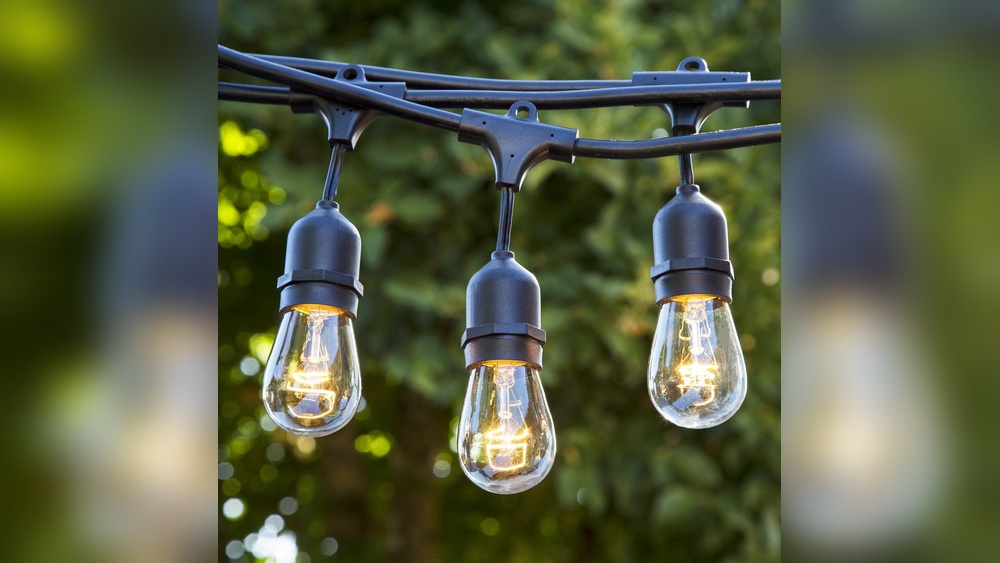
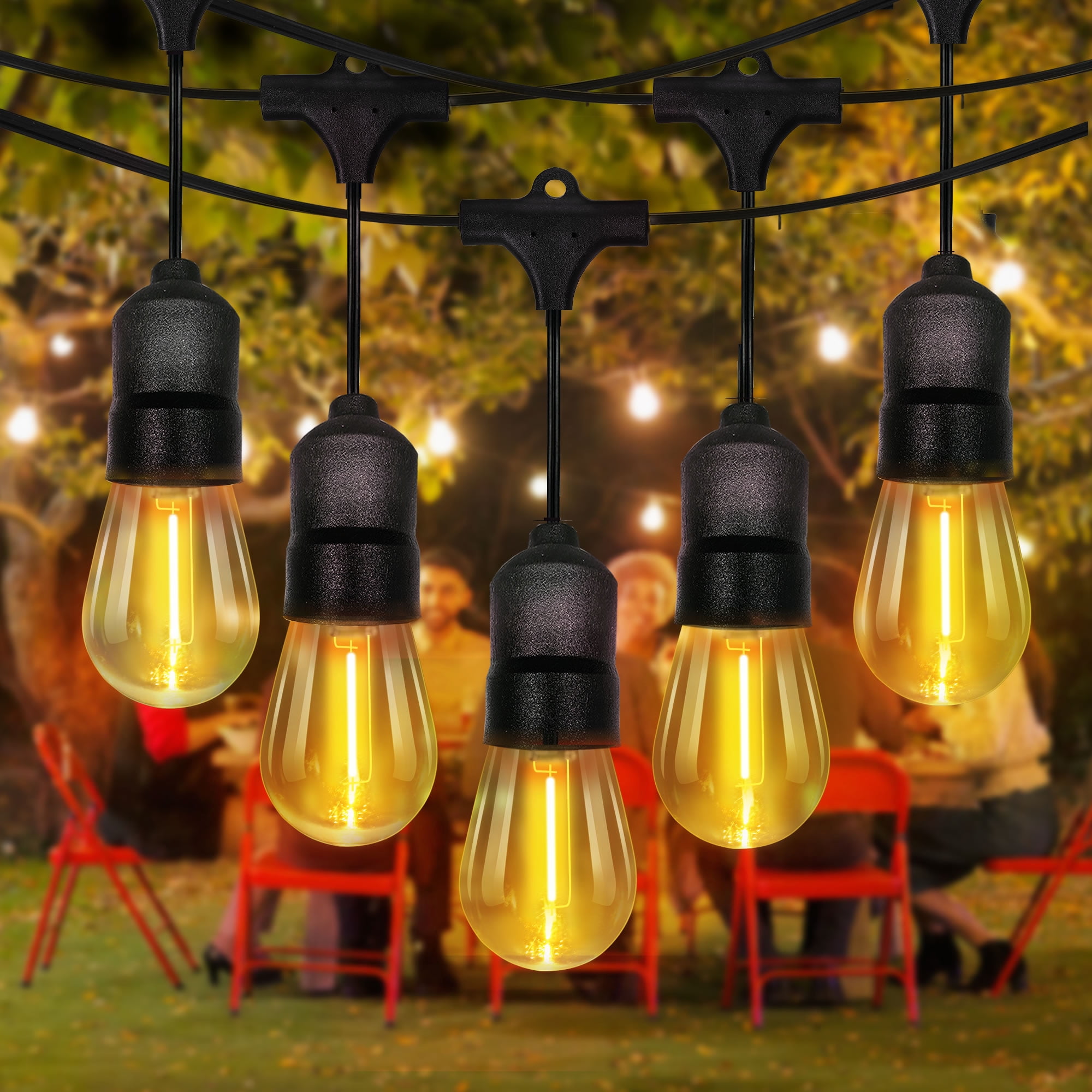
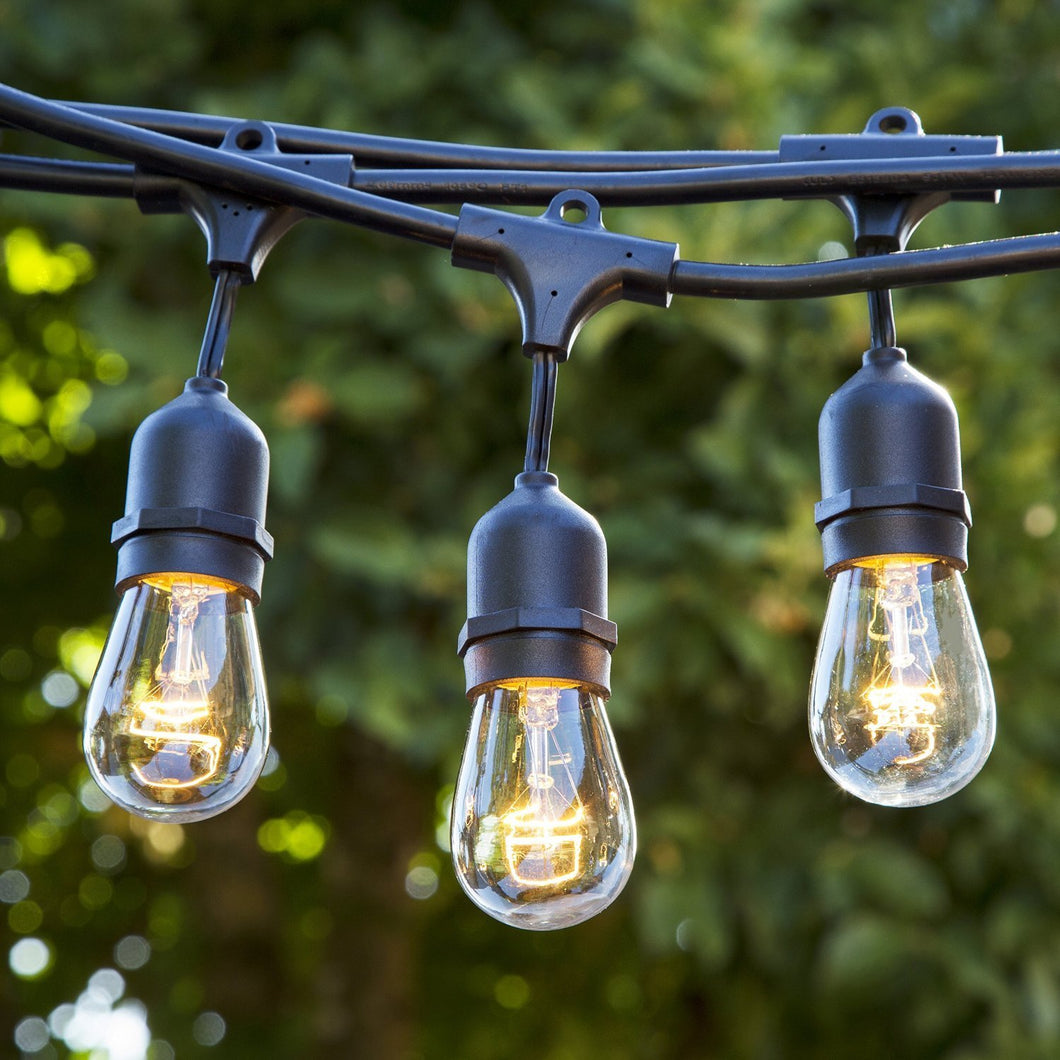
String lights are popular for patios and gardens. They come in various styles like globe, fairy, and lantern shapes. Spotlights highlight trees or decorations. Path lights line walkways for safety and charm. Solar LED lights save energy and are easy to install. Choose a type that matches your outdoor space and use.
Assessing Brightness And Color
Brightness is measured in lumens. Higher lumens mean brighter lights. For cozy spaces, pick lower brightness. For security or task lighting, choose brighter bulbs. Color temperature affects mood. Warm white creates a soft, inviting feel. Cool white looks crisp and modern. Select brightness and color to fit your setting and purpose.
Weatherproof Features
Outdoor lights must resist rain, wind, and dust. Look for lights with an IP rating. IP65 or higher means strong water and dust protection. Durable materials like plastic or coated metal last longer. Check if the cord and plug are weatherproof too. These features help your lights work well in tough outdoor conditions.
Credit: bioluzled.com
Planning Your Layout
Planning your layout is the first step to string outdoor LED lights well. It saves time and avoids mistakes later. A good plan helps you see how many lights you need. It also shows the best spots to place them. This makes your outdoor space look bright and beautiful.
Measuring The Space
Start by measuring the area where you want to hang lights. Use a tape measure or a long rope. Write down the length of walls, fences, or trees. Measure twice to avoid errors. Knowing the exact size helps you buy enough lights. It also prevents extra cables from hanging loose.
Mapping The Light Path
Draw a simple map of the area on paper. Mark the spots where lights will go. Think about the shapes you want to create. Straight lines, zigzags, or circles work well. Plan the path so lights cover the whole space. This step makes sure your lights look even and neat.
Identifying Power Sources
Find where you can plug in your lights. Check for outdoor outlets near the area. If none are nearby, consider using extension cords made for outside use. Note the distance from the outlet to the farthest light. This helps you pick the right length of cords. Safe power access keeps your lights working well.
Gathering Tools And Materials
Before stringing outdoor LED lights, gather all necessary tools and materials. Having everything ready saves time and prevents interruptions. It also helps keep the work safe and smooth. This section covers the key items you need to start your project.
Essential Tools
Start with basic tools needed for the job. A ladder helps reach high places safely. Wire cutters trim excess wire cleanly. A tape measure ensures correct spacing between lights. A screwdriver may be needed for mounting brackets. A drill might be useful for making holes if required.
Safety Gear
Safety is important. Use gloves to protect your hands from sharp edges. Safety glasses shield your eyes from debris. Wear non-slip shoes for good footing, especially on ladders. Avoid loose clothing that may catch on objects. Keep a first-aid kit nearby, just in case.
Additional Supplies
Gather extra items to complete your setup. Outdoor-rated extension cords provide power where needed. Zip ties or clips hold lights in place securely. Weatherproof tape protects connections from rain. A voltage tester can check electrical safety. Have spare bulbs ready for quick replacements.
Preparing The Installation Area
Preparing the installation area is the first step for a smooth outdoor LED light setup. A clean, safe space helps the lights look great and last longer. Taking time now saves effort later.
Clearing Obstacles
Remove any objects that block the path for your lights. Branches, leaves, and garden tools can get in the way. Clear the area to prevent damage and ensure the lights hang evenly.
Checking Support Structures
Look at fences, walls, and poles where you plan to attach the lights. Make sure they are strong and stable. Weak supports can cause lights to fall or wires to break.
Testing Power Outlets
Find outdoor power outlets near your installation area. Test each outlet to confirm it works well. Use an outdoor-safe extension cord if needed. Proper power ensures your lights shine bright without issues.
Installing The Led Lights
Installing outdoor LED lights is a simple task with the right steps. Proper installation keeps your lights secure and working well. It also makes your outdoor space look beautiful. Follow these clear instructions to install your LED lights safely and effectively.
Securing Lights With Clips And Hooks
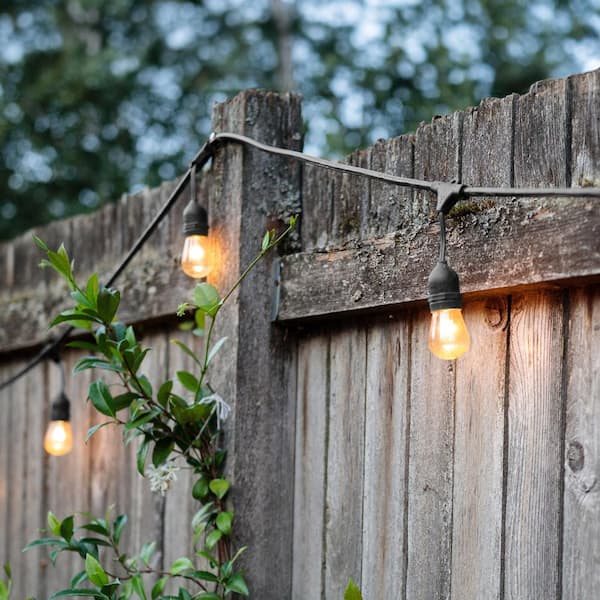
Use clips or hooks to hold the lights in place. Attach them evenly along the string to avoid sagging. Choose clips that match your surface, like wood or brick. Make sure clips fit the light wire snugly. This prevents damage and keeps lights stable during wind.
Connecting Multiple Strands
Link strands carefully to cover larger areas. Check that each strand’s connector matches the next. Avoid forcing plugs together to prevent damage. Connect strands one at a time and test the lights. This helps find any faulty connections early.
Managing Power Connections
Use outdoor-rated extension cords for safety. Keep all plugs and sockets dry and off the ground. Use weatherproof covers to protect connections from rain. Connect lights to a timer or switch for easy control. Check cords for damage before plugging in.
Ensuring Safety And Durability
Ensuring safety and durability is key when stringing outdoor LED lights. Proper care keeps your lights working longer. It also protects your home and family from hazards. Simple steps make a big difference.
Weatherproofing Connections
Outdoor lights face rain, wind, and dust. Protect connections with weatherproof covers. Use waterproof tape to seal plugs and sockets. Keep moisture away to stop shorts and rust. Check seals regularly for damage or wear.
Avoiding Overloading Circuits
Each circuit can handle only so much power. Too many lights cause overload and tripped breakers. Know the wattage of your LED lights. Add up the total before plugging in. Use multiple circuits if needed to spread the load.
Using Timers And Sensors
Timers save energy by turning lights off automatically. Sensors can switch lights on only at night. Both reduce electrical use and extend bulb life. Set timers for the hours you want lights on. Sensors react quickly to changing light conditions.
Troubleshooting Common Issues
Troubleshooting common problems with outdoor LED lights helps keep them shining bright. Small issues can stop your lights from working well. Fixing these problems is easy with a few simple steps. This guide covers how to solve flickering lights, replace broken bulbs, and fix power issues.
Fixing Flickering Lights
Flickering lights often mean a loose connection. Check if all bulbs are tightly screwed in. Loose bulbs cause unstable light flow. Inspect the wiring for any damage or cuts. Damaged wires can cause flickering. Try plugging the lights into a different outlet. Sometimes, power supply issues cause flickers. Using a surge protector can help stabilize the power.
Replacing Damaged Bulbs
Damaged bulbs need quick replacement to keep the string working. Turn off the power before removing any bulb. Remove the faulty bulb carefully by twisting it out. Match the replacement bulb with the same type and size. Using the wrong bulb can cause damage. After inserting the new bulb, test the lights. Replace multiple bulbs if several are broken.
Resolving Power Problems
Power problems stop the entire string from lighting. Check if the outlet has power by plugging in another device. If no power, reset the circuit breaker or try a different outlet. Inspect the plug and cord for damage. Frayed cords need replacement for safety. Avoid overloading the outlet with many devices. Use outdoor-rated extension cords for longer distances.
Credit: www.homedepot.com
Creative Lighting Ideas
Creative lighting ideas make outdoor spaces inviting and beautiful. Stringing LED lights outdoors offers many ways to brighten gardens and patios. Simple tricks can turn ordinary yards into cozy, magical places. Use lighting to highlight special areas, set moods, and mix colors and patterns.
Accentuating Garden Features
Place LED lights near trees, statues, or flower beds. Lights draw attention to these spots at night. Use soft white lights to keep a natural look. Wrap string lights around tree trunks or hang them above garden paths. This enhances shapes and textures without harsh glare.
Creating Ambiance Zones
Divide outdoor areas with different lighting styles. Use warm lights in dining spots for comfort. Cool white lights work well for walkways or work areas. Layer lights at different heights to add depth. This creates cozy zones for relaxing or entertaining guests.
Combining Colors And Patterns
Mix LED lights in various colors to add fun and style. Use patterns like zigzags or loops to make designs. Color changes can match seasons or celebrations. Blend steady and twinkling lights for lively effects. Keep the color mix balanced to avoid overwhelming the space.
Frequently Asked Questions
How Do I Safely String Outdoor Led Lights?
First, check that your lights are rated for outdoor use. Use weatherproof extension cords and secure lights with clips. Avoid overloading circuits and keep plugs off the ground to prevent moisture damage.
What Tools Are Needed To String Outdoor Led Lights?
You will need outdoor-rated LED string lights, weatherproof extension cords, mounting clips or hooks, a ladder, and possibly zip ties for extra support. A timer or smart plug can help automate the lights.
Can I Connect Multiple Led Light Strings Outdoors?
Yes, but follow the manufacturer’s guidelines for maximum connection length. Overloading can cause power issues. Use appropriate connectors and ensure all connections are secure and weatherproof.
How Do I Prevent Led Lights From Damage In Bad Weather?
Choose lights with waterproof ratings like IP65 or higher. Secure cords and connections tightly to avoid wind damage. Unplug lights during severe storms to protect electrical components.
Conclusion
Stringing outdoor LED lights can brighten any space quickly and safely. Choose the right lights and plan your layout before you start. Secure the lights well to avoid damage from wind or rain. Check the connections to keep everything working smoothly.
Enjoy your cozy, well-lit outdoor area every evening. Simple steps make your space inviting and warm. Now, your outdoor area looks great and feels safe. Try these tips for easy, beautiful lighting next time.