
Are you wondering how many strands of LED lights you can safely connect together without causing problems? Whether you’re decorating your home for the holidays or adding ambiance to your space, knowing the right number of strands to string is key.
Too few, and you might not get the effect you want. Too many, and you risk blown fuses or even electrical hazards. This guide will help you understand exactly how to string your LED lights for the best, safest results—so you can shine bright without worry.
Keep reading to find out the simple rules that make all the difference.
Types Of Led Light Strands
LED light strands come in many types. Each type fits different needs and places. Knowing these types helps you choose the right lights. This choice also affects how many strands you can string together. Let’s explore the main types of LED light strands.
Indoor Vs Outdoor Lights
Indoor LED lights are made for dry places. They are not water-resistant. Use these lights inside your home or office. Outdoor LED lights can handle rain and wind. They have strong covers to protect the bulbs. Outdoor lights are safer for gardens and patios.
Battery Operated Vs Plug-in
Battery-operated LED lights do not need a socket. They are easy to move around. Perfect for places without power outlets. Plug-in LED lights need a wall socket. They usually shine brighter and last longer. These lights are good for fixed decorations.
Single Color Vs Multicolor
Single color LED lights shine in one color only. They create a simple and clean look. Multicolor LED lights change colors or have many colors. These lights add fun and excitement to decorations. Choose the color type based on your style.

Credit: www.christmas-light-source.com
Power Limits And Safety
Power limits and safety are key when stringing LED lights together. Knowing how much power your lights use helps prevent hazards. Too many strands can cause overheating or electrical problems. Understanding power basics and following rules keeps your setup safe and bright.
Wattage And Voltage Basics
Each LED light strand has a wattage and voltage rating. Wattage shows how much energy the lights use. Voltage is the electric force needed to run the lights. Adding more strands increases total wattage and voltage demand. Exceeding power limits can cause wires to heat up and fail.
Manufacturer Guidelines
Check the instructions that come with your lights. Manufacturers state how many strands you can connect safely. These rules consider the power limits and wiring inside the lights. Ignoring these guidelines risks fire and damage. Always follow the recommended strand limits for safety.
Avoiding Overloads
Do not connect more strands than allowed. Use a power strip with overload protection. Keep connections neat and dry to avoid shorts. Unplug lights if they feel hot or flicker. Use a multimeter to check voltage and current if unsure. Safety means stopping power overload before it starts.
Maximum Number Of Strands
Knowing the maximum number of LED light strands you can string together is important for safety and performance. Too many strands can cause electrical problems or make lights dim. This section explains typical limits and what affects the length of your LED light string.
Typical Limits For Standard Leds
Most standard LED light strands allow about 3 to 5 strings to connect. This limit depends on the brand and model. Manufacturers set limits to keep the lights safe and working well. Exceeding this limit can cause overheating or short circuits.
Factors Affecting Strand Length
Several things change how many strands you can add. The power source size matters. Higher voltage power supplies can handle more strands. The wire thickness also affects the length. Thicker wires reduce resistance and allow longer strings. Quality of the LEDs and connections plays a role too.
Voltage Drop And Brightness
Voltage drop happens when electricity travels through wires. The more strands, the bigger the drop. This causes lights at the end to look dimmer. Keeping strands within limits helps maintain brightness. Using power boosters or multiple plugs can reduce voltage drop.
Extension Options
Extending your LED light strands allows you to cover more space and create brighter displays. Extension options give flexibility to your lighting setup. Choosing the right method keeps your lights safe and efficient. This section explains common ways to extend LED light strands.
Using Connectors And Couplers
Connectors and couplers join multiple LED strands easily. They provide a secure link without cutting wires. These tools maintain electrical flow and prevent damage. Many LED sets come with special connectors for extension. Choose connectors that fit your specific LED strand type.
Power Supplies And Transformers
Extending LED strands may require stronger power supplies. Transformers adjust voltage to match the lights’ needs. Using the right power source avoids dim or flickering lights. Overloading a power supply can cause failure or hazards. Always check the total wattage before connecting more strands.
Smart Controllers And Timers
Smart controllers help manage longer LED light setups. They control brightness, color, and patterns remotely. Timers automate when lights turn on and off. These devices save energy and add convenience. Make sure your controller supports the number of strands you use.
Troubleshooting Common Issues
Troubleshooting common problems with LED light strands helps keep your decorations bright. Simple issues can stop your lights from working well. Understanding these problems saves time and effort. Here are some typical issues and ways to fix them.
Flickering Lights
Flickering lights often mean a loose connection. Check each bulb carefully. Make sure bulbs are firmly in place. Sometimes, a bad bulb causes flicker. Replace any broken or damaged bulbs. Also, inspect the power source and plug. A weak power supply can cause flickering. Try using a different outlet if needed.
Dim Sections
Dim sections usually happen from poor wiring. Look for worn or broken wires. Damaged wires reduce power to some bulbs. Replace any damaged wiring immediately. Dirty or loose bulb sockets also cause dim lights. Clean the sockets gently and secure bulbs tightly. Using too many strands together can lower brightness. Keep strand limits in mind for best results.
Strands Not Turning On
Strands not turning on might have a blown fuse. Check the fuse box on the plug. Replace any blown fuses with the right type. Also, check the power outlet for issues. Test the outlet with another device. Faulty outlets need professional repair. Make sure all plugs connect fully and correctly. Faulty bulbs can stop entire strands too.
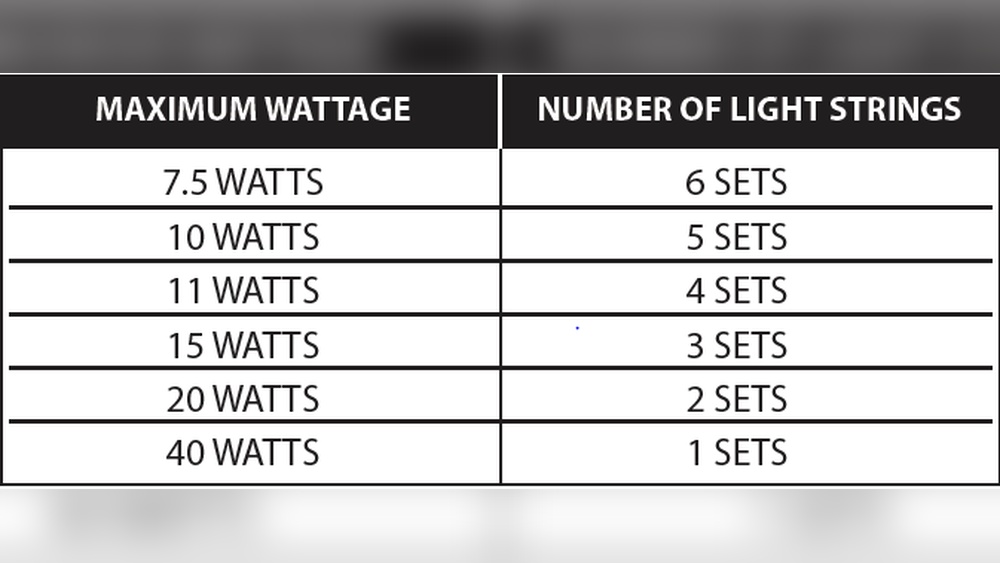
:max_bytes(150000):strip_icc()/how-many-lights-per-christmas-tree-per-foot-chart-2000-536e7ddc38bb4619b5c847a0271fef03.jpg)
Credit: www.realsimple.com
Tips For Safe And Effective Setup
Setting up LED light strands safely ensures a bright and worry-free display. Following simple tips can protect your home and lights. Proper care helps the lights last longer and work better.
Proper Installation Practices
Use the correct power source for your LED lights. Check the maximum number of strands allowed on one outlet. Avoid overloading electrical circuits to prevent hazards. Secure wires with clips or hooks, not nails or staples. Keep cords away from sharp edges and heat sources.
Weatherproofing Connections
Cover all plugs and connections with waterproof tape or covers. Use outdoor-rated extension cords and lights for outside use. Make sure connections stay dry to avoid short circuits. Place lights where rain or snow cannot soak them. Regularly inspect for any damage or wear on wires.
Storage And Maintenance
Turn off lights and unplug before storage. Wrap strands loosely to avoid tangles and wire damage. Store lights in a cool, dry place away from sunlight. Check bulbs and wires before each use. Replace broken bulbs and damaged wires immediately to keep safety high.
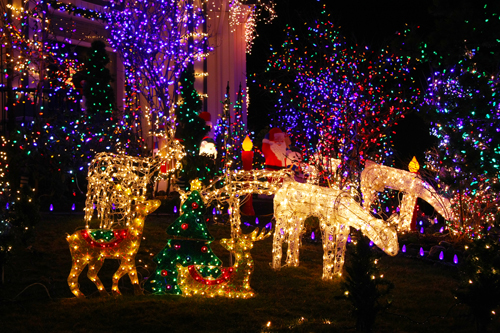
Credit: rytecelectric.com
Frequently Asked Questions
How Many Led Light Strands Can I Safely Connect?
You can safely connect 3 to 5 LED light strands, depending on their wattage and power source. Always check the manufacturer’s guidelines for maximum connections to avoid overheating and electrical hazards.
What Limits The Number Of Led Light Strands?
The main limits are the power supply capacity and wire gauge. Exceeding limits can cause voltage drops, dim lights, or risk fire. Using proper extension cords and connectors ensures safe and efficient linking.
Can I Connect Different Types Of Led Light Strands?
It is not recommended to connect different types or brands of LED strands. Variations in voltage and current requirements may cause malfunctions or damage the lights. Always use identical strands for stringing together.
How Do I Know If Led Strands Are Overloading?
Signs of overloading include flickering lights, dimming, or warm connectors. If you notice these, reduce the number of connected strands immediately. Using a surge protector and regular inspection helps maintain safety.
Conclusion
Knowing the limit on LED light strands keeps your setup safe and bright. Too many strands can cause power issues or dim lights. Check the product’s label for max strands to connect. Use the right power source to avoid overloads.
Keep your decorations glowing without risking damage. Enjoy creating a festive look with safe, clear guidelines. Bright lights, safe wiring—that’s the key to happy decorating.