
If you love adding a splash of color and texture to your indoor space, ornamental kale is a perfect choice. But to keep its vibrant leaves looking fresh and beautiful, you need to know the right way to care for it indoors.
You might wonder how to give your ornamental kale the right light, water, and nutrients without turning your home into a jungle. Don’t worry—this guide will make caring for your ornamental kale simple and rewarding. Keep reading, and you’ll discover easy tips that will help your plant thrive and brighten up your room all year long.

Credit: www.reddit.com
Choosing The Right Ornamental Kale
Choosing the right ornamental kale is key to successful indoor growing. These plants need specific traits to thrive inside your home. Picking varieties that fit your space and light levels makes care easier. The right kale also adds beauty with its color and texture. Understanding the types available helps you select the best one.
Popular Varieties For Indoors
Some ornamental kale types do well indoors. ‘Nagoya’ is a favorite for its compact size. It fits well in small pots and needs moderate light. ‘Dwarf Green’ grows slowly and stays small, perfect for tabletops. ‘Peacock’ offers bright colors and curly leaves. These varieties tolerate indoor conditions better than others.
Color And Texture Options
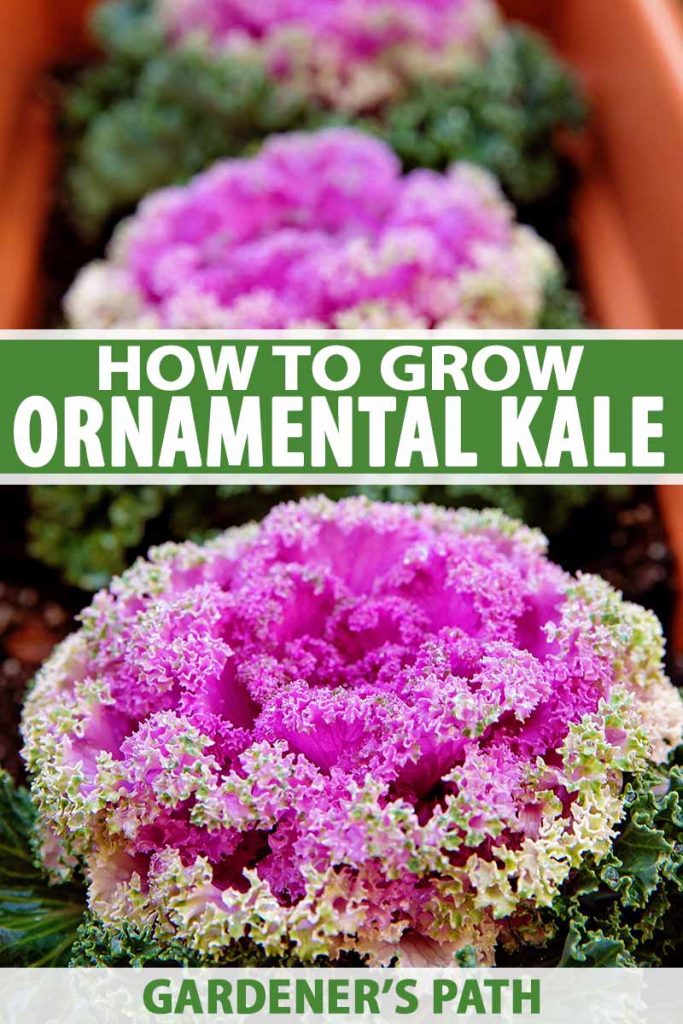
Ornamental kale comes in many colors and textures. Shades range from deep purple to bright white and green. Some have smooth leaves, others have frilly, curly edges. These differences add interest and style to your indoor garden. Choose colors that match your room’s decor or your mood. Textures create a lively, natural look.
Credit: gardenerspath.com
Ideal Indoor Environment
Creating the right indoor environment helps ornamental kale thrive. This plant needs specific conditions to stay healthy and colorful. Keeping the environment balanced promotes strong growth and vibrant leaves.
Lighting Requirements
Ornamental kale needs bright light to grow well indoors. Place it near a window with plenty of sunlight. East or west-facing windows work best. Avoid direct sunlight for long hours to prevent leaf burn. If natural light is low, use a grow light for 12 to 14 hours a day.
Temperature And Humidity
Keep indoor temperatures between 60 and 70 degrees Fahrenheit. Cooler temperatures help the colors stay bright. Avoid placing kale near heaters or air conditioners. Humidity levels should be moderate, around 40 to 60 percent. Use a humidifier if the air is too dry.
Air Circulation
Good air flow prevents mold and pests on ornamental kale. Open windows or use a small fan for gentle air movement. Avoid strong drafts that can dry out the plant. Proper air circulation keeps the leaves healthy and fresh.
Planting And Pot Selection
Choosing the right pot and soil sets the stage for healthy ornamental kale indoors. Proper planting helps the plant grow strong and vibrant. Paying attention to soil type and pot features ensures good root health.
Soil Type And Drainage
Ornamental kale prefers soil that drains well but holds some moisture. Use a mix of potting soil and sand or perlite. This mix stops water from sitting in the pot.
Good drainage prevents root rot and keeps the plant healthy. Make sure the soil feels loose and crumbly, not packed tight.
Pot Size And Material
Select a pot that is at least 8-10 inches wide for one plant. This size allows roots to spread comfortably. A pot too small will stunt growth.
Choose pots with drainage holes to avoid water buildup. Terracotta pots are great because they breathe. Plastic pots hold moisture longer and are lightweight. Pick what fits your space and watering style best.
Watering Techniques
Watering ornamental kale indoors requires care and attention. Proper watering keeps the plant healthy and vibrant. Too little water can dry the leaves. Too much water can cause root problems. Learning the right watering techniques helps your kale thrive inside your home.
Frequency And Amount
Water ornamental kale once or twice a week. The soil should stay moist but not soggy. Check the top inch of soil before watering. If it feels dry, it’s time to water. Use enough water to soak the soil evenly. Let excess water drain out from the pot’s bottom.
Avoiding Overwatering
Overwatering harms ornamental kale more than underwatering. Too much water causes roots to rot. Leaves may turn yellow or wilt. Use pots with drainage holes to prevent water buildup. Water only when the soil surface feels dry. Remove any standing water from the saucer under the pot.
Feeding And Fertilizing
Feeding and fertilizing are essential for healthy ornamental kale indoors. These plants need nutrients to grow vibrant leaves and strong stems. Proper feeding helps maintain their bright colors and keeps them looking fresh.
Ornamental kale benefits from balanced nutrients. Too much or too little fertilizer can harm the plant. Follow the right feeding routine for best results.
Best Fertilizer Types
Choose a balanced, water-soluble fertilizer with equal parts nitrogen, phosphorus, and potassium. A 10-10-10 or 20-20-20 formula works well. Organic options like fish emulsion or seaweed extract are gentle and effective. Avoid fertilizers with too much nitrogen, which can cause leafy growth but dull colors.
Feeding Schedule
Feed ornamental kale every two weeks during the growing season. Start fertilizing one month after planting. Use half the recommended fertilizer strength to avoid overfeeding. Stop feeding in late fall as the plant slows down. Water the plant before applying fertilizer to protect the roots.
Pruning And Maintenance
Pruning and maintenance are key to keeping ornamental kale vibrant indoors. Regular care helps the plant stay healthy and beautiful. It prevents problems like mold and pests. Light pruning encourages new growth and keeps the plant full. Maintaining ornamental kale is simple with just a few steps.
Removing Dead Leaves
Check your kale often for dead or yellow leaves. Remove them carefully to stop decay. Use clean scissors or pinch leaves off by hand. Removing dead leaves improves air flow around the plant. This lowers the risk of disease and keeps the plant fresh. Clean up fallen leaves from the soil surface too.
Encouraging Healthy Growth
Pinch back the tips of the plant to promote bushier growth. This makes the kale look fuller and more colorful. Avoid cutting too much at once—only trim a few leaves. Keep the plant in bright, indirect light to support growth. Water regularly, but do not let the soil stay soggy. Feed with a mild fertilizer every few weeks for best results.
Pest And Disease Control
Ornamental kale adds beauty to indoor spaces. Keeping it healthy means watching for pests and diseases. These can harm your plant quickly. Early care helps you avoid big problems. Understanding common pests and natural treatments keeps your kale strong.
Common Indoor Pests
Indoor ornamental kale can attract small pests. Aphids are tiny insects that suck plant juice. They cause leaves to curl and yellow. Spider mites are hard to see but leave fine webs. They make leaves look dusty and dry. Whiteflies are small white bugs that fly when disturbed. They feed on leaves and weaken the plant. Mealybugs look like small cottony spots on stems and leaves. They also suck plant fluids and cause damage.
Natural Remedies
Use water spray to remove pests gently. Wipe leaves with a soft cloth or sponge. Soap water works well against aphids and whiteflies. Mix mild soap with water and spray the plant. Neem oil is a natural pesticide that stops many pests. Spray it on leaves every week for best results. Introduce beneficial insects like ladybugs to eat harmful bugs. Keep plants clean and remove dead leaves regularly. This lowers the chance of pests and diseases.
Seasonal Care Adjustments
Ornamental kale needs special care as seasons change indoors. Adjusting your care routine helps keep the plant healthy and vibrant. Different seasons bring new challenges and needs for your kale. Follow these tips to help your plant thrive year-round.
Adapting To Winter Conditions
Winter means less light and colder temperatures indoors. Move your kale to a brighter spot near a window. Keep it away from drafts or heating vents. Water less often but do not let the soil dry out. Cooler air helps the kale keep its color and shape. Avoid overfeeding during winter months to prevent stress.
Preparing For Growth Cycles
Ornamental kale grows in cycles and needs support to bloom well. Start increasing water and light as spring approaches. Use a balanced fertilizer every few weeks to boost growth. Prune dead or yellow leaves to encourage new growth. Rotate the plant regularly for even light exposure. This prepares your kale for a fresh, healthy growth phase.
Propagation Methods
Propagation is the process of growing new ornamental kale plants. It helps expand your indoor garden easily. You can start new plants from seeds or cuttings. Both methods work well for indoor care.
Seed Starting Indoors
Start ornamental kale seeds in small containers. Use seed-starting mix, which drains well and holds moisture. Plant seeds about ¼ inch deep. Keep soil moist but not wet. Place containers where they get bright, indirect light. Seeds usually sprout in 5 to 10 days. Thin seedlings so only the strongest remain. This gives young plants room to grow healthy leaves.
Cuttings And Transplants
Take cuttings from healthy, mature kale plants. Cut a 4-inch stem just below a leaf node. Remove lower leaves to expose the stem. Place the cutting in water or moist soil. Roots should form in 2 to 3 weeks. Transplant cuttings into pots with well-draining soil. Keep soil moist and provide indirect light. Transplants adapt quickly and grow strong indoors.

Credit: pasquesi.com
Frequently Asked Questions
How Often Should I Water Ornamental Kale Indoors?
Water ornamental kale when the top inch of soil feels dry. Typically, watering once a week is sufficient. Avoid overwatering to prevent root rot. Ensure good drainage in the pot for healthy growth.
What Light Conditions Does Ornamental Kale Need Indoors?
Ornamental kale thrives in bright, indirect sunlight. Place it near a south or west-facing window. Avoid direct harsh sunlight as it can damage the leaves. At least 6 hours of light daily is ideal.
How Do I Prevent Pests On Indoor Ornamental Kale?
Keep ornamental kale clean by wiping leaves regularly. Use natural insecticidal soap if pests appear. Inspect plants weekly for aphids or spider mites. Maintaining good airflow reduces pest issues effectively.
Can I Use Fertilizer For Indoor Ornamental Kale?
Yes, use a balanced, water-soluble fertilizer every 4-6 weeks. Dilute fertilizer to half strength to avoid root burn. Fertilizing encourages vibrant leaf color and healthy growth indoors.
Conclusion
Caring for ornamental kale indoors brings beauty to your home. Keep the plant in bright, indirect light. Water it only when the soil feels dry. Avoid cold drafts and sudden temperature changes. Use well-draining soil to prevent root problems. With regular care, your kale will stay vibrant and healthy.
Enjoy its colorful leaves all year round. Small efforts lead to big rewards in indoor gardening. Your ornamental kale will brighten any room with ease.