
When was the last time you checked your smoke detector’s batteries? You might be surprised to learn that many people forget this simple but crucial task.
Your smoke detector is your first line of defense against fire, and its batteries need regular attention to keep you and your loved ones safe. Wondering how often you should replace those batteries to avoid any risk? Keep reading—this article will give you clear, easy-to-follow advice to ensure your home stays protected.
Don’t leave your safety to chance.

Credit: mammothsecurity.com
Smoke Detector Battery Lifespan
Smoke detectors protect homes and save lives. Their batteries keep them working properly. Knowing the battery lifespan helps avoid surprises. It ensures the alarm works when needed. This section explains how long these batteries usually last and what can change their life.
Typical Battery Life Span
Most smoke detector batteries last about one year. Some models use long-life lithium batteries. These can work up to 10 years without a change. Regular alkaline batteries need replacing every 6 to 12 months. Check your smoke detector’s manual for exact details. Replace batteries promptly to keep your home safe.
Factors Affecting Battery Life
Several things affect how long a battery lasts. Frequent alarm tests use up battery power faster. High humidity or extreme temperatures reduce battery life. Low battery warnings mean it’s time to replace soon. Using a quality battery extends the lifespan. Smoke detectors with built-in low battery alerts help avoid failure.
Types Of Smoke Detector Batteries
Smoke detectors use different types of batteries. Each type affects how often you need to replace them. Knowing these types helps keep your home safe and sound.
Standard Alkaline Batteries
Standard alkaline batteries are common in many smoke detectors. They usually last about six to twelve months. These batteries are easy to find and affordable. Many homes use them because they work well and are simple to replace.
Lithium Batteries
Lithium batteries last much longer than alkaline ones. They can power smoke detectors for up to ten years. This means fewer battery changes and less worry. Lithium batteries are more expensive but offer great convenience and reliability.
Rechargeable Batteries
Rechargeable batteries can be reused many times. You charge them using a special charger. These batteries save money over time. They need regular charging to stay effective. Some smoke detectors are designed specifically for rechargeable power.
Signs Battery Replacement Is Needed
Knowing the signs that your smoke detector battery needs replacement is important. It helps keep your home safe. Batteries do not last forever. Detecting the signs early can prevent dangers.
Here are the common signs that signal it is time to change your smoke detector battery.
Low Battery Chirping
A soft chirping sound means the battery is low. The chirp is usually short and repeats every minute. This sound warns you to replace the battery soon. Ignoring it can cause the detector to stop working.
Detector Malfunction
If the smoke detector stops responding or behaves strangely, the battery may be weak. Sometimes, the alarm may not sound during a test. Replace the battery to fix these problems quickly. A working detector is key for safety.
Regular Testing Alerts
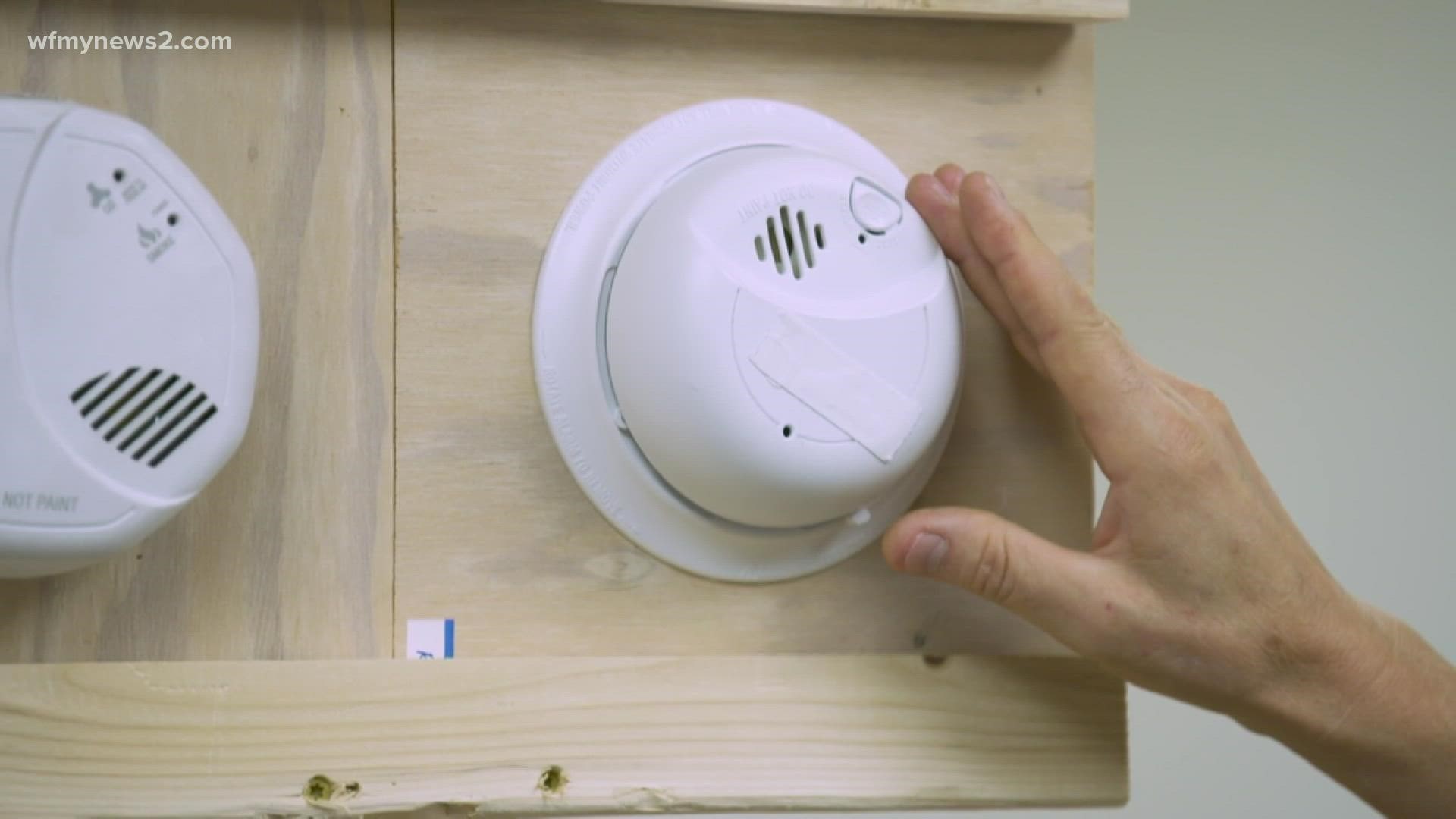
Smoke detectors should be tested monthly. A test button usually makes the alarm sound. If the alarm is weak or does not sound, the battery might be dead. Testing helps catch battery issues early. Keep your detector ready at all times.
Credit: www.wfmynews2.com
Best Practices For Battery Replacement
Replacing smoke detector batteries is vital for home safety. Regular care ensures detectors work well during emergencies. Following best practices helps avoid missed signals and false alarms. Keep your home safe by staying on top of battery changes.
Recommended Replacement Schedule
Change smoke detector batteries at least once a year. Many experts suggest doing this every 12 months. Some newer models use long-life batteries that last up to 10 years. Still, check the manufacturer’s instructions for specific advice. Never wait for the low battery beep to replace them.
Seasonal Battery Checks
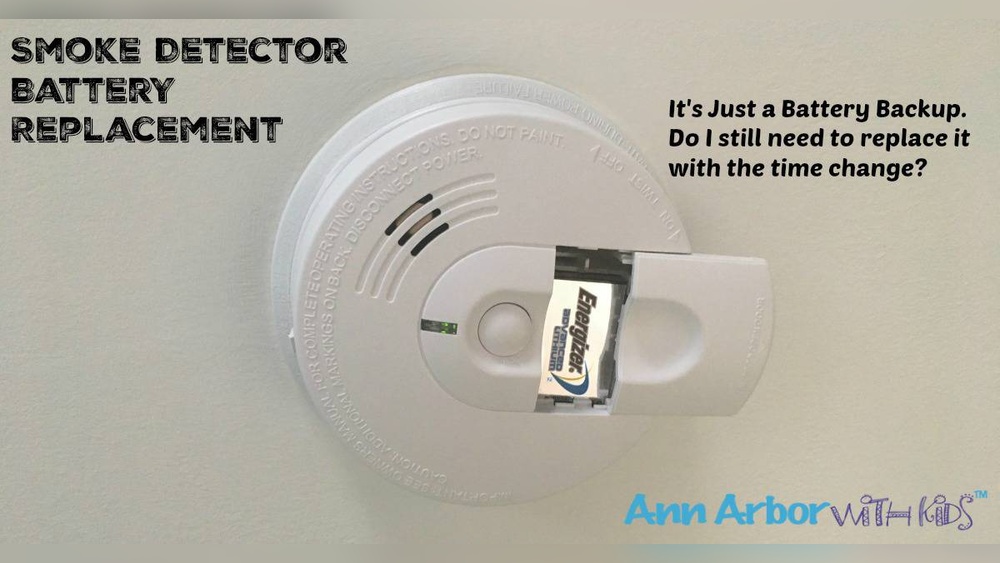
Check batteries twice a year during daylight saving time changes. This is an easy way to remember. Test the alarm by pressing the test button each time. Replace batteries immediately if the alarm sounds weak or chirps. Regular checks keep your smoke detector reliable all year.
Using The Right Battery Type
Always use the battery type recommended by the smoke detector maker. Common types include 9-volt or AA batteries. Using the wrong battery can cause the detector to fail. Buy fresh, high-quality batteries from trusted brands. Proper batteries ensure your alarm works at its best.
Maintenance Tips For Smoke Detectors
Proper maintenance keeps smoke detectors working well. It helps protect your home and family. Small steps make a big difference in safety. Follow these tips to keep your smoke detectors ready.
Regular Cleaning
Dust and dirt can stop smoke detectors from working. Clean them every six months. Use a soft brush or vacuum cleaner with a soft nozzle. Avoid spraying water or cleaners on the device. Clean sensors carefully to avoid damage.
Proper Installation
Place smoke detectors on every floor of your home. Install them near bedrooms and living areas. Keep them away from kitchens and bathrooms to avoid false alarms. Mount detectors on the ceiling or high on walls. Follow manufacturer instructions for the best results.
Battery Storage Guidelines
Use fresh batteries for your smoke detectors. Store spare batteries in a cool, dry place. Keep batteries away from heat and direct sunlight. Replace batteries at least once a year or when low battery warnings sound. Do not use old or damaged batteries.

Credit: www.firstalert.com
Safety Precautions
Replacing smoke detector batteries is vital for home safety. Proper handling and precautions ensure your detector works well. Knowing how to dispose of batteries and avoid false alarms helps maintain safety. Backup power options provide extra protection during power outages. These steps keep your home safe and your detector reliable.
Disposing Old Batteries Safely
Never throw old batteries in regular trash. They contain chemicals harmful to the environment. Take used batteries to a recycling center. Many stores accept batteries for safe disposal. This helps protect soil and water from damage.
Avoiding False Alarms
False alarms cause stress and waste time. Replace batteries before they run out. Clean the detector regularly to remove dust. Avoid placing detectors near kitchens or bathrooms. Steam and cooking smoke can trigger false alarms.
Backup Power Options
Some detectors have backup batteries for power loss. Choose models with a long-lasting battery backup. Test backup power regularly to ensure it works. This keeps your home protected during blackouts or power cuts.
Frequently Asked Questions
How Often Should Smoke Detector Batteries Be Replaced?
Smoke detector batteries should be replaced at least once a year. Regular replacement ensures the device functions properly and keeps your home safe.
What Are Signs Of A Dying Smoke Detector Battery?
A chirping or beeping sound usually signals a low battery. Replace batteries immediately to maintain smoke detector effectiveness and home safety.
Can Rechargeable Batteries Be Used In Smoke Detectors?
Yes, rechargeable batteries can be used but may require more frequent charging. Always check the manufacturer’s recommendations for battery types.
How Long Do Smoke Detector Batteries Typically Last?
Standard batteries last about 6 to 12 months, while lithium batteries can last up to 10 years. Battery life varies by type and usage.
Conclusion
Smoke detector batteries need changing at least once a year. Testing alarms monthly ensures they work properly. Replace batteries immediately if the alarm beeps. Using fresh batteries keeps your home safe. Don’t wait for the battery to die. Safety depends on working smoke detectors.
Small effort. Big peace of mind. Keep your family protected by staying alert. Simple steps save lives.