When was the last time you thought about replacing your smoke detector? You might not realize it, but having a working smoke detector can save your life and protect your home from fire damage.
But how often should you actually replace it to stay safe? If you’re unsure or haven’t checked in a while, this article will guide you through everything you need to know. Keep reading to make sure your smoke detector is always ready to protect you and your loved ones.
Credit: support.firstalert.com
Smoke Detector Lifespan
Smoke detectors save lives by warning you about fire early. They do not last forever. Knowing their lifespan helps keep your home safe. Replace smoke detectors on time to avoid risks. Understanding their wear and tear signs is important.
Typical Replacement Timeline
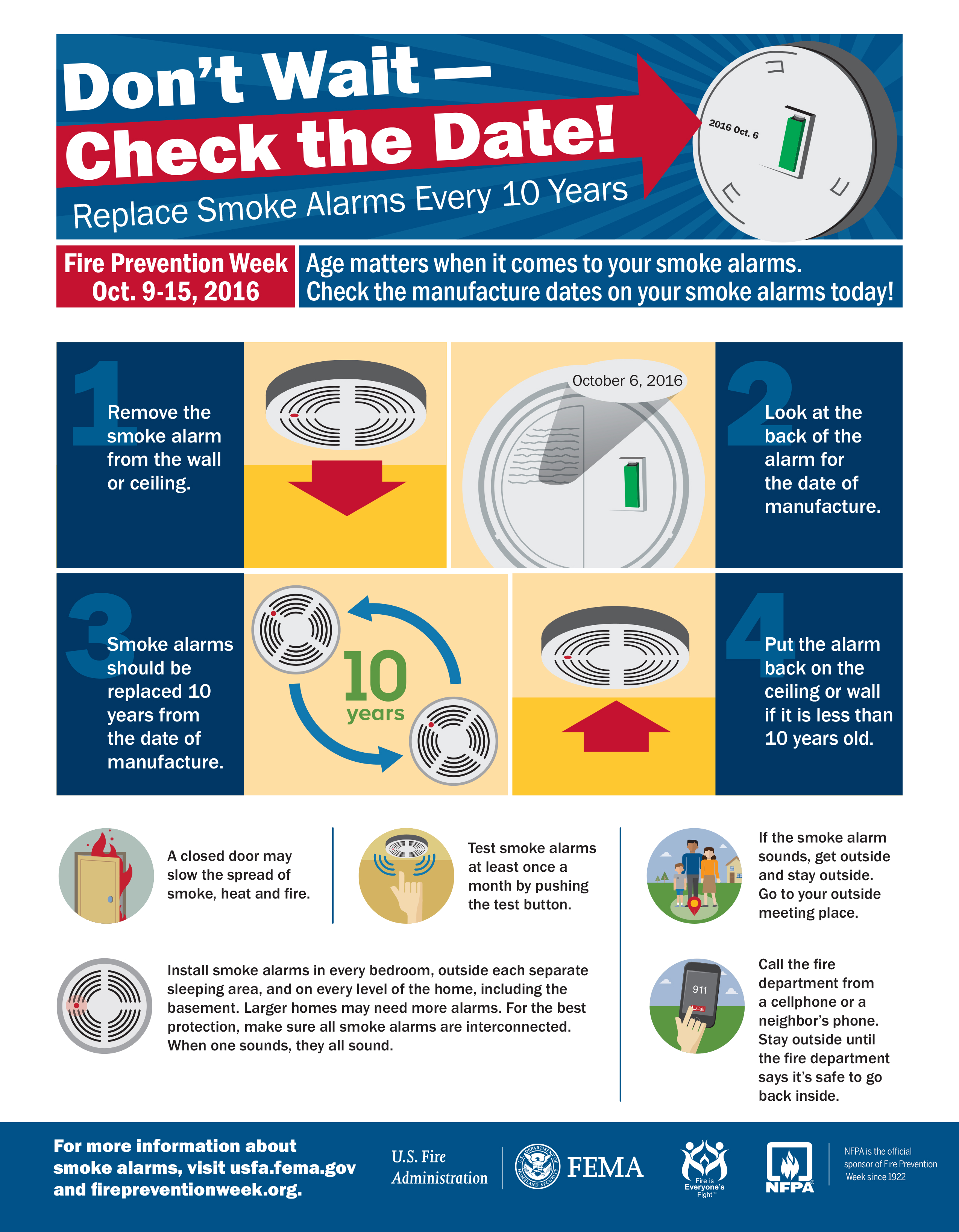
Most smoke detectors last about 10 years. After this period, sensors may fail to work well. Check the manufacture date on the device. Replace it once it reaches 10 years old. Some newer models might have different timelines. Always follow the manufacturer’s instructions for your model.
Signs Of Wear And Tear
Look for warning signs that show your detector is old. Frequent false alarms can indicate sensor problems. The test button might stop working properly. Yellowing or discoloration can mean sensor damage. Dust or dirt buildup also reduces effectiveness. If you notice these signs, replace the detector soon.
Battery Maintenance
Battery maintenance is key for smoke detector safety. A working battery keeps the alarm ready to alert you. Dead or weak batteries can fail during a fire. Regular checks and changes protect your home and family.
When To Change Batteries
Change batteries at least once a year. Some alarms beep when batteries run low. Replace batteries right after hearing the beep. Test your smoke detector monthly to ensure it works. Never wait for a battery to die completely.
Choosing The Right Battery Type
Use batteries recommended by the smoke detector maker. Most detectors use 9-volt or AA batteries. Avoid cheap or old batteries. High-quality batteries last longer and work better. Check the battery label for expiration dates before buying.
Types Of Smoke Detectors
Smoke detectors play a vital role in home safety. Different types detect smoke using distinct methods. Knowing these types helps you choose the right one. It also guides you on replacement timing. Below are common smoke detector types and their features.
Ionization Vs Photoelectric
Ionization smoke detectors react quickly to fast, flaming fires. They use a small amount of radioactive material. This helps detect tiny smoke particles. Photoelectric detectors spot slow, smoldering fires better. They use light beams to sense smoke particles. Both have strengths and weaknesses. Choosing one depends on your home’s needs.
Combination Alarms
Combination alarms include both ionization and photoelectric sensors. They offer broader fire detection coverage. These alarms reduce false warnings and increase safety. They are more reliable in various fire situations. Combination alarms might cost more but provide extra protection. Consider them for peace of mind in your home.
Installation Best Practices
Proper installation of smoke detectors ensures they work well and keep you safe. Follow best practices to place and mount detectors correctly. This boosts their ability to detect smoke fast and alert you early.
Ideal Locations
Install smoke detectors in every bedroom and outside each sleeping area. Put one on every level of your home, including basements. Mount detectors on the ceiling or high on walls, about 4 to 12 inches from the ceiling. Avoid placing them near windows, doors, or vents where air flow can affect detection.
Avoiding Common Mistakes
Do not install smoke detectors in kitchens or bathrooms to prevent false alarms. Avoid placing them near ceiling fans or heating vents. Never paint over detectors or cover them with decorations. Test detectors monthly and replace batteries yearly for best performance.
Testing And Upkeep
Testing and upkeep of smoke detectors keep them working properly. Regular checks ensure safety and early warning in case of fire. Neglecting maintenance can cause the alarm to fail at critical moments.
Routine Testing Procedures
Test your smoke detector once a month. Press the test button until the alarm sounds loudly. If it does not sound, replace the batteries or the unit.
Keep the test button clean from dust or debris. Use a ladder safely to reach ceiling-mounted detectors. Record testing dates to track regular maintenance.
Cleaning Tips
Clean smoke detectors every six months. Use a vacuum cleaner with a soft brush attachment to remove dust. Avoid spraying cleaners or water directly on the device.
Dust and dirt can block sensors, causing false alarms or no alarms. Gently wipe the outside with a dry cloth. Proper cleaning extends the detector’s life and reliability.
Legal And Safety Regulations
Smoke detectors save lives by warning about fires early. Laws and safety rules guide how often to replace these devices. Following these rules keeps homes safe and avoids legal trouble. Understanding these regulations helps homeowners stay protected and compliant.
Local Codes And Standards
Local laws set rules for smoke detector installation and replacement. Many areas require replacing smoke detectors every 10 years. Some places may have stricter rules depending on building type. Always check local codes to know the exact requirements. These codes ensure smoke detectors work properly and protect people.
Liability And Insurance Considerations
Failing to replace old smoke detectors can cause legal problems. Insurance companies may deny claims if detectors are outdated. Proper maintenance, including timely replacement, reduces fire risks. Keeping detectors updated helps avoid liability in accidents. Insurance policies often require compliance with safety standards for coverage.
Upgrading Your System
Upgrading your smoke detector system improves home safety and peace of mind. Older detectors may not work well after years of use. New models offer better technology and features. Keeping your system up-to-date helps catch smoke early and alert you faster.
When To Upgrade
Replace smoke detectors every 10 years. If alarms beep or fail tests, consider upgrading sooner. Damage or missing parts also mean it’s time for a new device. Upgrading after a fire or electrical work is wise. New detectors reduce false alarms and improve reliability.
Smart Smoke Detectors
Smart smoke detectors connect to your phone or home system. They send alerts even if you are away. These detectors often include carbon monoxide sensors too. Many models offer voice alerts and easy battery checks. Smart detectors help protect your family with modern technology.

Credit: mammothsecurity.com
Credit: yubanet.com
Frequently Asked Questions
How Often Should I Replace Smoke Detectors?
Smoke detectors should be replaced every 10 years. Over time, sensors lose sensitivity. Regular replacement ensures reliable fire detection and safety.
Can I Extend Smoke Detector Lifespan With Maintenance?
Proper maintenance like battery replacement helps but doesn’t extend lifespan. Smoke detectors still need replacement every 10 years for optimal performance.
What Happens If I Don’t Replace Old Smoke Detectors?
Old detectors may fail to detect smoke timely. This increases fire risk and jeopardizes household safety. Replacing ensures early warning and protection.
How Do I Know When To Replace A Smoke Detector?
Check the manufacture date on the device. Replace it if it’s older than 10 years. Frequent false alarms also indicate replacement is needed.
Conclusion
Smoke detectors save lives by warning you early of fire. Replace them every 10 years to keep them working well. Test your smoke detectors monthly to check they work. Change batteries at least once a year or when low. Old or faulty smoke detectors may fail in emergencies.
Stay safe by following these simple steps. Regular care helps protect your home and family. Don’t wait—make smoke detector maintenance a habit today. Your safety depends on it.