Have you ever wondered how much power your LED string lights actually use? Whether you’re decorating your home for a special occasion or adding cozy ambiance to your space, knowing the energy consumption can help you save money and make smarter choices.
Imagine lighting up your room beautifully without worrying about a huge electricity bill. You’ll discover exactly how much power LED string lights consume and how that impacts your energy costs. Keep reading to learn simple tips that will brighten your space and protect your wallet.
Credit: pressbooks.cuny.edu
Led String Lights Basics
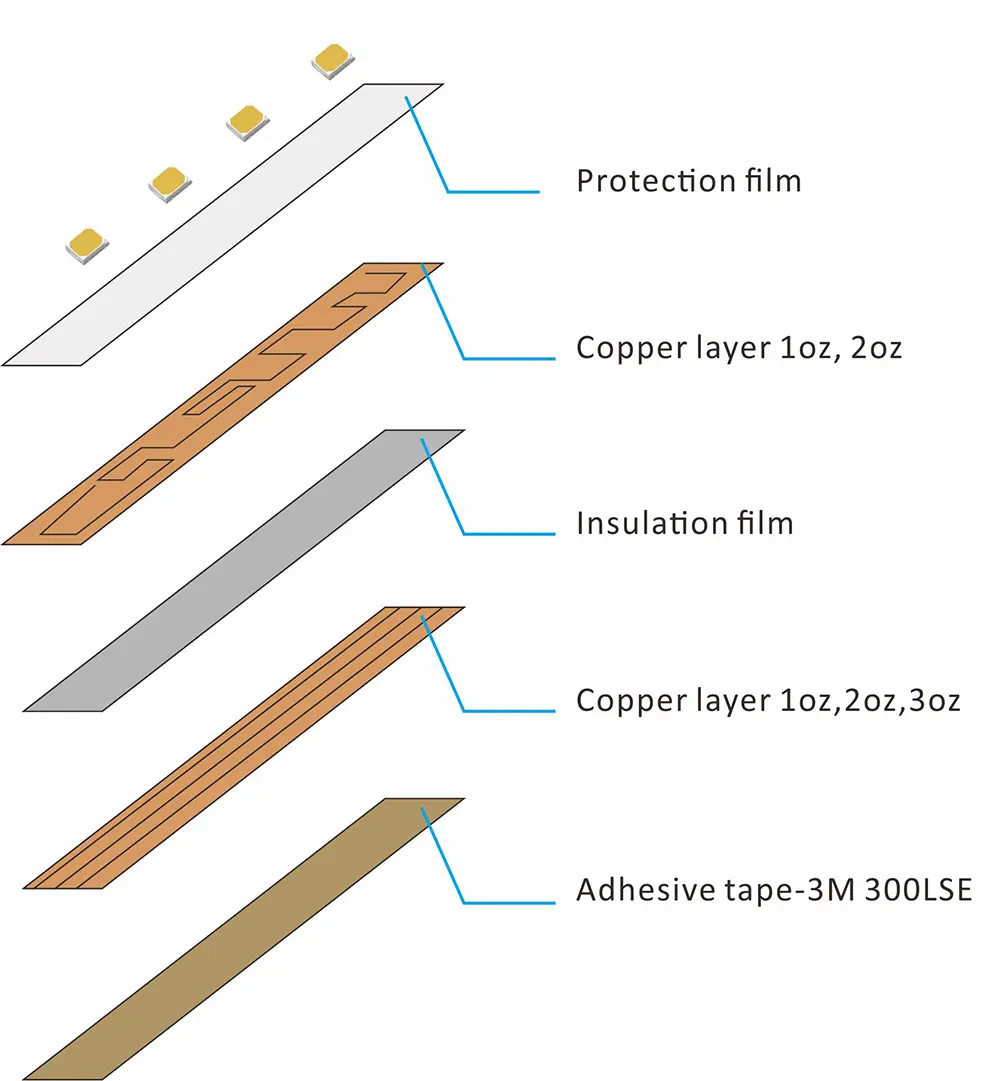
LED string lights are popular for decoration and lighting. They use small light-emitting diodes (LEDs) that save energy. These lights run cooler and last longer than traditional bulbs. Understanding their basics helps you choose the right lights and manage power use efficiently.
LED string lights come in many shapes and sizes. Each type suits different needs and spaces. Knowing the types and common uses helps you pick the best option for your project.
Types Of Led String Lights
LED string lights vary by size, color, and design. Mini lights are small and bright, ideal for detailed decoration. Globe lights have larger bulbs and offer a soft glow. Curtain lights create a wall of light, perfect for events. Net lights form a grid, good for bushes and plants. Some LED strings are battery-powered, others plug into outlets.
Common Uses And Settings
People use LED string lights indoors and outdoors. They decorate homes, gardens, and patios. These lights add charm to holidays and parties. Restaurants and cafes use them for cozy lighting. They also work well in bedrooms for a warm feel. LED string lights brighten spaces without using much power.
Credit: www.waveformlighting.com
Power Consumption Factors
Understanding what affects the power use of LED string lights helps save energy and money. Several factors change how much electricity these lights need. Knowing these can guide your choice and usage for better efficiency.
Wattage Per Bulb
Each LED bulb uses a certain amount of watts. This number shows how much power the bulb needs to shine. Lower wattage means less energy used. Most LED bulbs use between 0.04 and 0.1 watts per bulb. Choosing bulbs with lower wattage cuts overall power consumption.
Number Of Bulbs
The total bulbs on the string affects power use. More bulbs mean more power is needed. A string with 100 bulbs uses more watts than a string with 50 bulbs. Count the bulbs to estimate total energy use. Fewer bulbs reduce electricity consumption.
Length Of The String
Longer strings have more bulbs and use more power. Short strings use less electricity. The length also affects how much voltage the string needs. Longer strings may need higher voltage, which can change power use slightly. Pick the right length to save energy.
Calculating Energy Usage
Calculating the energy usage of LED string lights helps you understand their cost and impact. Knowing how much power these lights use allows you to manage your electricity bills better. It also helps in choosing the right lights for your needs. Let’s break down the steps to find out how much energy these lights consume.
Watts To Kilowatt-hours
LED string lights show power use in watts (W). Watts tell you how much energy the lights need each second. To compare with your electric bill, convert watts to kilowatt-hours (kWh). Kilowatt-hours measure energy used over time.
To convert, divide the watts by 1,000 to get kilowatts (kW). Then, multiply kilowatts by hours the lights run. For example, a 10-watt string light used for 5 hours:
0.01 kW × 5 hours = 0.05 kWh
This means the lights use 0.05 kilowatt-hours in 5 hours.
Estimating Daily And Monthly Consumption
Estimate daily energy use by multiplying kWh per hour by hours used each day. If you use the 10-watt lights for 5 hours daily, energy use is 0.05 kWh per day.
To find monthly use, multiply daily use by days in a month. For 30 days:
0.05 kWh × 30 days = 1.5 kWh
This shows the lights use 1.5 kilowatt-hours in a month. You can use this number to estimate the cost by checking your electricity price per kWh.
Credit: hitlights.com
Comparing Led To Traditional Lights
Comparing LED string lights to traditional lights shows clear differences in power use and cost. Traditional lights use more electricity and produce more heat. LED lights use less power and last much longer. This makes LEDs a better choice for energy savings and safety.
Energy Efficiency
LED string lights use about 75% less energy than traditional bulbs. They convert most energy into light, not heat. Traditional lights lose much energy as heat, wasting power. This efficiency helps reduce electricity bills and environmental impact. LED lights stay cool, which lowers fire risk. Their long life means fewer replacements and less waste.
Cost Savings Over Time
Though LED string lights cost more at first, they save money later. Lower energy use means smaller electricity bills. LEDs last up to 25 times longer than traditional bulbs. This reduces the cost of buying new lights. Less frequent replacements also save time and hassle. Over time, LED lights are more affordable and practical.
Tips To Reduce Power Usage
Reducing power use for LED string lights saves money and helps the environment. Small changes make a big difference. Smart choices keep lights bright and bills low.
Using Timers And Sensors
Timers turn lights off automatically. Set them to run only at night or special times. Sensors detect light or movement. They switch lights on only when needed. This avoids wasting electricity all night long.
Choosing Low Wattage Options
Low wattage LED string lights use less power. They still shine well and create a cozy feel. Choose lights with lower watt ratings for long use. This reduces energy use without losing brightness.
Environmental Impact
LED string lights use far less energy than traditional lights. This lower power use means a smaller impact on the environment. Using LED lights helps reduce pollution and saves resources.
Choosing LED string lights supports a cleaner planet. Less electricity use means fewer fossil fuels burned. This helps protect air quality and slows climate change.
Carbon Footprint Reduction
LED string lights produce less carbon dioxide than regular bulbs. They use up to 80% less electricity. Lower energy use means fewer greenhouse gases released. This reduces your home’s carbon footprint.
Running LED lights for hours costs much less energy. This leads to less demand on power plants. Power plants often burn coal or gas. Burning these fuels adds carbon dioxide to the air.
Sustainability Benefits
LED string lights last longer than traditional lights. They need fewer replacements, which lowers waste. Less waste means less pollution from trash and production.
LEDs contain no harmful chemicals like mercury. They are safer for the environment when thrown away. Many LED lights are recyclable, helping conserve materials. Choosing LEDs supports long-term environmental health.
Common Myths About Led Power Use
Many people have wrong ideas about LED string lights and their power use. These myths can confuse those who want to save energy and money. Clearing up these myths helps you understand how LED lights really work. Knowing the truth can help you make better choices for your home lighting.
Leds And Electricity Bills
Some think LED string lights cause big electricity bills. This is not true. LEDs use very little power compared to old bulbs. They turn electricity into light more efficiently. Using LED string lights will not make your bill rise much. In fact, they save money over time.
Brightness Vs. Power Consumption
People often believe brighter LED lights use more power. Brightness and power use do not always match. LED lights can be very bright but still use little energy. This is because LED technology is advanced and efficient. You get good light without high electricity costs.
Frequently Asked Questions
How Much Electricity Do Led String Lights Consume?
LED string lights typically use between 5 to 20 watts per 100 bulbs. This low power consumption saves energy and reduces electricity costs compared to traditional lights.
Are Led String Lights Energy Efficient?
Yes, LED string lights are highly energy efficient. They use up to 80% less energy than incandescent bulbs, making them eco-friendly and cost-effective for long-term use.
Can Led String Lights Run On Low Voltage?
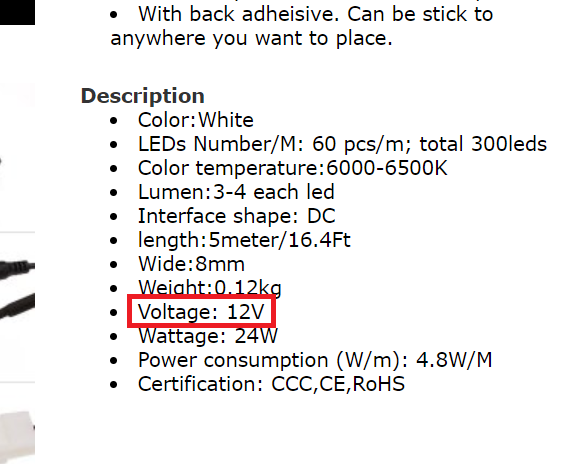
Most LED string lights operate on low voltage, usually 12V or 24V. This makes them safer to use and reduces power consumption significantly.
How Long Can Led String Lights Run Without High Electricity Costs?
LED string lights can run for hours daily with minimal impact on your energy bill. Their low wattage ensures cost-effective, extended use for decorations or ambiance.
Conclusion
LED string lights use very little power compared to traditional bulbs. They help save energy and lower electricity bills. Choosing LED lights means bright decoration without high costs. Small watts add up, so check power ratings before buying. Bright, long-lasting, and efficient—that’s why many prefer LED string lights.
Using them smartly can create a cozy, inviting space. Bright ideas with low energy use. Simple and smart lighting for any occasion.