
Is your old pet door letting in drafts, sticking, or just not working like it used to? You’re not alone, and fixing it might be easier than you think.
Imagine your pet slipping in and out smoothly without you worrying about cold air or damage to your door. In this guide, you’ll discover simple steps to bring your worn-out pet door back to life. Keep reading, and you’ll learn how to save money, improve comfort, and make your furry friend happier—all with just a few easy fixes.

Credit: www.youtube.com
Identify Common Pet Door Problems
Old pet doors often stop working well. They may let cold air in or become hard to open. To fix your pet door, first find what is wrong. This helps save time and money. Check the door carefully for common problems. Below are key points to look at.
Check For Drafts And Air Leaks
Drafts make your home colder and increase energy bills. Feel around the pet door for cold air. Look at the edges of the door flap and frame. Use your hand or a small piece of paper to see if air moves. Air leaks mean seals are worn or missing. Fixing these stops drafts and keeps your home warm.
Inspect Door Flap Damage
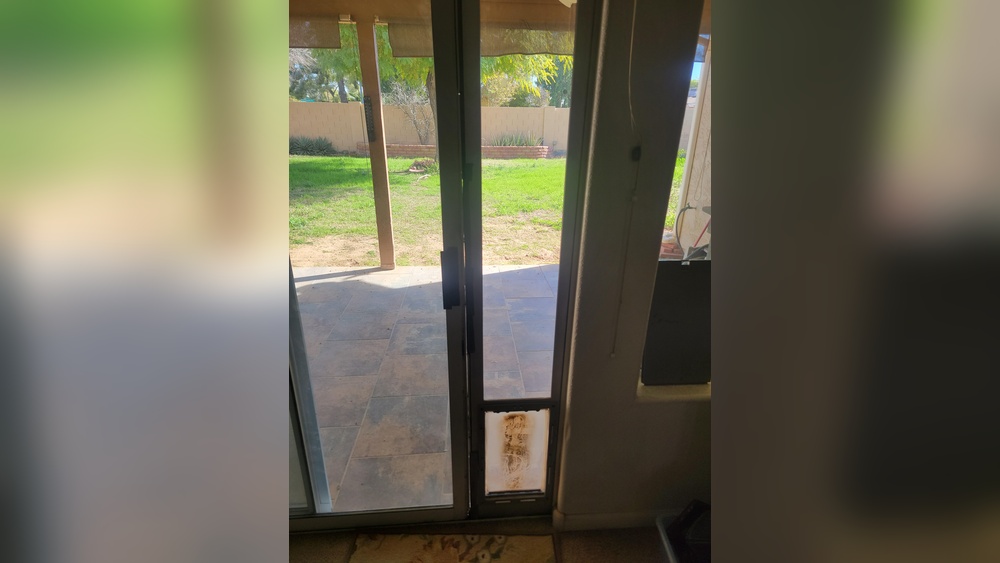
Look closely at the door flap for tears or cracks. Flaps that are bent or stiff can block your pet’s way. Damage can let bugs or rain inside. Soft flaps work best for pets to push open easily. Replace or repair the flap if it shows wear. This keeps the door safe and easy to use.
Assess Frame Wear And Tear
Frames hold the door in place. Check for cracks, warping, or loose screws. Old frames may not fit tightly anymore. This causes the door to wobble or not seal well. Tighten screws or replace parts to fix the frame. A strong frame keeps the pet door stable and secure.

Credit: www.reddit.com
Gather Essential Repair Tools
Before fixing an old pet door, gather the right tools. Having the proper tools makes the job easier and faster. It ensures a neat, long-lasting repair. Start by collecting all essential items in one place.
Basic Hand Tools Needed
Prepare simple tools like a screwdriver and hammer. A tape measure helps check door size. A utility knife cuts old seals or patches. Pliers remove nails or staples. A drill may be needed for screws. These tools cover most common repair tasks.
Materials For Sealing And Patching
Use weatherstripping to seal gaps around the door. Silicone caulk stops drafts and water leaks. Sandpaper smooths rough edges before patching. Wood filler fills cracks or holes in the frame. Replacement flap or plastic panels fix broken parts. These materials improve door function and durability.
Safety Equipment
Wear safety glasses to protect your eyes. Use gloves to avoid splinters or cuts. A dust mask helps when sanding old paint or wood. Keep a first aid kit nearby for minor injuries. Safety gear keeps you safe during repairs.
Fixing Drafts And Sealing Gaps
Drafts and gaps around an old pet door let cold air in and warm air out. This causes discomfort inside your home and raises energy costs. Fixing these leaks improves comfort and saves money. Small repairs often stop big problems.
Focus on sealing the edges and any cracks around the door frame. Use simple tools and materials to do the job. The right approach depends on the type and size of the gaps. Weatherstripping, caulk, and new seals work best for most pet doors.
Applying Weatherstripping
Weatherstripping blocks air from passing through gaps. Choose foam or rubber strips for easy installation. Clean the door frame before applying strips. Press the weatherstripping firmly along the edges. This creates a tight seal that reduces drafts quickly.
Using Caulk For Small Cracks
Caulk fills small cracks that let air leak. Use a caulking gun or squeeze tube for smooth application. Remove old caulk and dirt before applying new caulk. Smooth the caulk with a finger or tool. Let it dry completely for best results.
Replacing Worn Seals
Old seals often crack or lose shape over time. Remove damaged seals carefully from the pet door. Measure the old seal to buy the correct replacement. Install the new seal tightly to stop air flow. Check for any gaps and adjust as needed.
Repairing Or Replacing The Door Flap
The door flap is the part your pet pushes to go outside. Over time, it can get torn or worn out. Fixing or changing the flap makes the pet door work well again. It keeps your pet safe and stops drafts from coming inside.
Patch Small Tears And Holes
Small tears or holes in the flap can be fixed easily. Use a strong, clear tape or patch made for plastic or rubber. Clean the flap first to help the patch stick well. Press the patch firmly and let it set for a few hours. This stops cold air and bugs from entering.
Installing A New Flap
Replacing the flap is simple and may last longer. Remove the old flap by unscrewing or unclipping it. Measure the opening to get the right size flap. Attach the new flap using the same screws or clips. Test the flap to make sure it swings smoothly for your pet.
Choosing Durable Flap Materials
Choose flap materials that last longer and resist damage. Heavy-duty vinyl or flexible rubber works best. These materials stay soft in cold weather and do not crack easily. Clear flaps help pets see outside, which they like. Picking strong materials saves money and time on repairs.
Restoring The Door Frame
Restoring the door frame of an old pet door improves its function and appearance. A strong frame keeps the door stable. It also prevents drafts and pests from entering your home. Simple fixes can extend the life of your pet door.
Tightening Loose Screws And Hinges
Loose screws and hinges cause the door to wobble. Use a screwdriver to tighten all screws. Check the hinges carefully and secure them firmly. Replace any screws that are rusty or stripped. This step ensures the door swings smoothly and stays in place.
Filling Cracks And Rot Spots
Cracks or rot weaken the frame and let in cold air. Clean the damaged areas first by removing loose wood. Use wood filler or epoxy to fill cracks and holes. Smooth the surface with sandpaper once dry. This repair stops further damage and keeps the frame strong.
Repainting And Finishing Touches
Paint protects the wood and freshens the look of the frame. Choose a paint that suits outdoor use and matches your home. Apply a primer before painting for better adhesion. Use two coats of paint for a smooth finish. Let the paint dry completely before using the pet door again.

Credit: www.amazon.sg
Preventive Maintenance Tips
Preventive maintenance helps keep your old pet door working well for years. Small efforts now save big repairs later. Regular care stops dirt, damage, and wear from building up. Simple steps improve your pet’s comfort and safety. Follow these tips to keep the door smooth and reliable.
Regular Cleaning Routines
Clean the pet door every week. Use a soft cloth to wipe away dust and dirt. Check for any hair or debris stuck in the flap. Remove buildup that can block the door from closing properly. Clean both sides of the door. This keeps the moving parts working freely and prevents damage.
Seasonal Inspections
Check your pet door before each season change. Look for cracks, loose screws, or worn seals. Test the flap to make sure it opens and closes smoothly. Replace parts showing wear to avoid bigger problems. Inspect weather stripping to keep cold air out. Small fixes during inspections extend the door’s life.
Upgrading To Modern Pet Doors
Consider upgrading if the door is old and damaged. Modern doors have better seals and stronger materials. Some include locking features for extra security. Newer designs reduce drafts and save energy. Choose a size that fits your pet comfortably. Upgrading can reduce future maintenance and improve your pet’s experience.
Frequently Asked Questions
How Do I Fix A Stuck Old Pet Door Flap?
Clean the flap and hinges from dirt and debris. Lubricate the hinges with a pet-safe oil. Check for warped or damaged parts and replace if needed.
What Tools Are Needed To Repair An Old Pet Door?
You will need a screwdriver, lubricant, replacement screws, weather stripping, and possibly a new flap or frame. Have a measuring tape for accurate fitting.
Can I Replace The Flap On An Old Pet Door?
Yes, most pet doors allow flap replacement. Measure your flap size and buy a compatible one. Follow installation instructions carefully for a proper fit.
How To Seal Gaps In An Old Pet Door?
Use weather stripping or foam tape around the frame. This prevents drafts and improves insulation. Ensure the flap closes tightly without gaps.
Conclusion
Fixing an old pet door can save money and time. Small repairs often solve common problems quickly. Check hinges, seals, and the door flap first. Keep tools handy and follow simple steps carefully. Regular care helps the door last longer.
Your pet will enjoy easy access again. A little effort goes a long way. Try these tips and see the difference.