
Your safety at home starts with one simple device: a smoke detector. But do you know how to install a new smoke detector properly?
Installing it the right way can save your life and protect your loved ones from unexpected fire dangers. In this guide, you’ll learn easy, step-by-step instructions that anyone can follow. Don’t wait until it’s too late—make sure your home is ready and secure by putting in a reliable smoke detector today.
Keep reading, and you’ll discover how quick and simple this important task can be.

Credit: www.youtube.com
Choosing The Right Smoke Detector
Choosing the right smoke detector is very important for home safety. Smoke detectors come in different types and styles. Picking the best one helps protect your family and property. This section explains how to choose the right smoke detector for your needs.
Types Of Smoke Detectors
There are two main types of smoke detectors: ionization and photoelectric. Ionization detectors sense fast, flaming fires. Photoelectric detectors detect slow, smoldering fires. Some models combine both types for better protection. Choose a type based on the common fire risks in your home.
Battery Vs. Hardwired Models
Battery-powered smoke detectors are easy to install and move. They work even during power outages. Hardwired models connect to your home’s electrical system. They often have battery backup for safety. Hardwired detectors need professional installation but offer constant power. Decide on the model that fits your home setup and budget.
Features To Consider
Look for features like loud alarms and easy testing buttons. Some detectors have voice alerts or interconnectivity with other alarms. A low battery warning is essential. Some models include a hush button to silence false alarms. Choose features that make the detector simple to use and reliable.

Credit: www.youtube.com
Gathering Necessary Tools
Before installing a new smoke detector, gather all the tools needed for a smooth process. Having the right tools ready saves time and avoids frustration. It also helps you complete the job safely and correctly.
Basic Tools Needed
Start with a screwdriver. Most smoke detectors require a Phillips head screwdriver. A drill can help if you need to make new holes for mounting. A pencil is useful to mark drilling spots. A ladder or step stool lets you reach high ceilings easily. Have fresh batteries on hand, unless your detector is hardwired. A voltage tester checks if wires carry current, ensuring safety.
Safety Equipment
Wear safety goggles to protect your eyes from dust and debris. Use gloves to avoid cuts or scrapes. A dust mask can prevent inhaling dust particles. Make sure your ladder is stable and on a flat surface. Turn off power at the circuit breaker before working with wires. Safety first keeps accidents away.
Selecting The Installation Location
Selecting the right spot for your new smoke detector is very important. It helps the device work well and keeps your home safe. This step needs careful thought and attention.
Choosing a good location means the detector can sense smoke quickly. It should also avoid false alarms that can be annoying or confusing. Below are tips to help you pick the best place for installation.
Ideal Placement Tips
Place smoke detectors on the ceiling or high on a wall. Smoke rises, so detectors catch smoke best there. Keep them at least 10 feet from cooking areas to avoid false alarms.
Install detectors in every bedroom and outside sleeping areas. Put one on each level of the house, including the basement. Avoid corners and areas near windows or vents.
Avoiding False Alarms
Do not put detectors near kitchens, bathrooms, or heating devices. Steam and cooking smoke can trigger false alarms. Avoid placing them near fans or air conditioners.
Make sure detectors are away from dusty or dirty areas. Dirt can block sensors and cause false alerts. Regular cleaning helps keep detectors working well.
Preparing For Installation
Preparing for the installation of a new smoke detector is a key step. It helps ensure safety and smooth setup. Taking time now prevents problems later. Follow clear steps before starting the work.
Turning Off Power
First, turn off the power to the smoke detector circuit. This stops any electric shocks during removal or installation. Find your home’s circuit breaker panel. Switch off the breaker that controls the smoke detector. Double-check by testing the old detector to confirm power is off.
Removing Old Detector
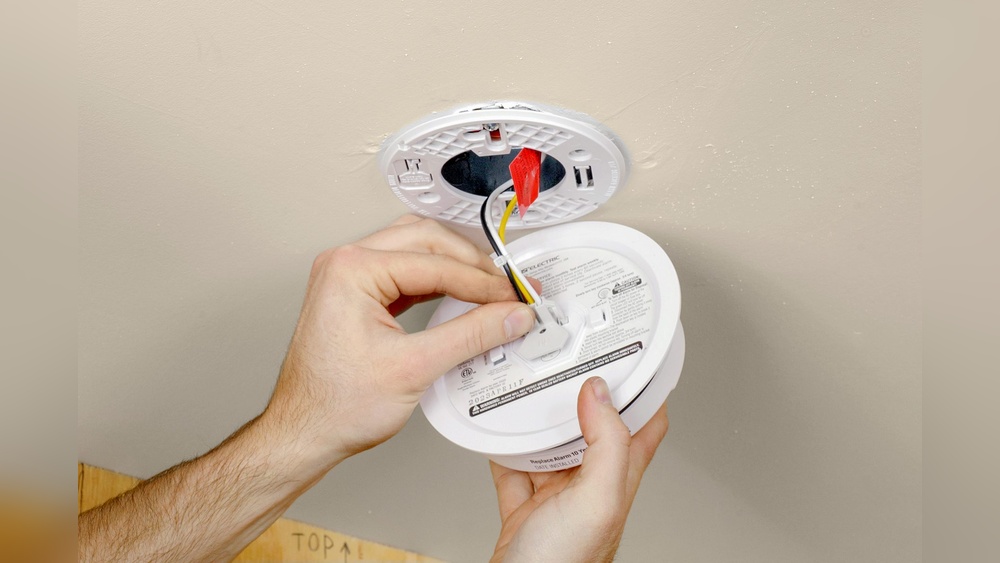
Next, remove the old smoke detector carefully. Twist or unclip the device from its mounting bracket. Disconnect any wires attached to the detector. Keep track of wire connections for the new installation. Remove the mounting bracket if needed to install the new one.
Installing The Smoke Detector
Installing a smoke detector is a simple task that improves home safety. It needs careful steps for proper function. Follow these instructions to install your new smoke detector correctly.
Mounting The Base
Start by choosing the right spot on the ceiling or wall. Use a pencil to mark the screw holes on the mounting surface. Drill small holes if needed. Attach the base using screws and anchors. Ensure the base is secure and flat against the surface.
Connecting Wires
Turn off the power from the circuit breaker to stay safe. Match the smoke detector wires with the house wires by color. Connect the black wire to black, white wire to white, and ground wire if present. Use wire nuts to secure each connection tightly. Tuck the wires neatly inside the electrical box.
Securing The Detector
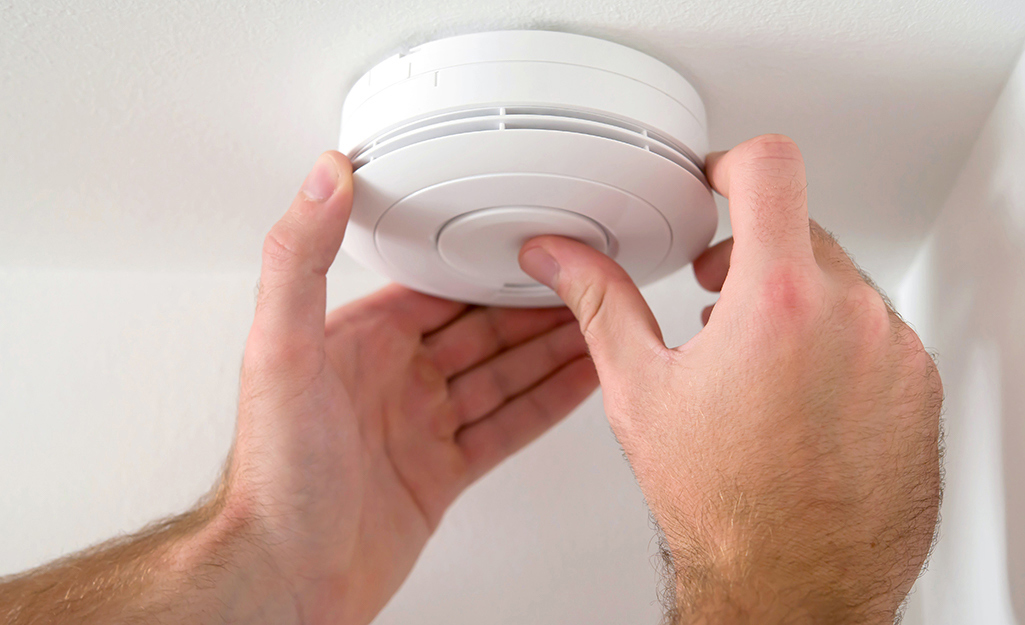
Align the smoke detector with the mounted base. Twist or snap it into place depending on the model. Press the test button to check the battery and wiring. Make sure it beeps or flashes to confirm it works. Your smoke detector is now ready to keep you safe.
Credit: www.homedepot.com
Testing And Maintenance
Testing and maintenance keep your smoke detector working right. A working smoke detector alerts you early in case of fire. It helps protect your home and family. Regular checks ensure it stays reliable and ready to act.
Initial Testing
After installing the smoke detector, test it immediately. Press the test button until you hear a loud beep. This sound means the alarm works well. If no sound comes, check the battery or wiring. Do not skip this step. It confirms your detector is ready to protect.
Regular Maintenance Tips
Clean your smoke detector every month. Dust and dirt can block the sensor. Use a soft brush or vacuum cleaner. Avoid water or cleaning sprays. Also, keep smoke detectors away from kitchens and bathrooms to reduce false alarms. Test the alarm once a month to ensure it works.
Battery Replacement Schedule
Change the battery at least once a year. Some models beep when the battery is low. Do not ignore this sound. Use fresh batteries and avoid mixing old and new ones. Keep spare batteries at home for quick replacement.
Troubleshooting Common Issues
Troubleshooting common issues helps keep your smoke detector working well. Some problems may stop it from protecting your home. Knowing how to fix these issues saves time and worry. Below are common problems and easy ways to solve them.
False Alarms
False alarms happen when the detector senses smoke but there is none. Dust or steam can cause this problem. Clean the detector gently with a soft brush or cloth. Avoid placing it near kitchens or bathrooms. These areas often have steam or smoke from cooking. Test the alarm after cleaning to ensure it works properly.
Detector Not Working
Sometimes, the smoke detector does not sound at all. Check the batteries first and replace them if needed. Make sure the battery contacts are clean and tight. Press the test button to check the alarm. If it still does not work, the unit may be old or faulty. Replace the smoke detector to stay safe.
Interference Problems
Other devices can interfere with your smoke detector. Wireless signals, electrical noise, or metal objects nearby may cause issues. Keep the detector away from large metal surfaces and strong electronics. Avoid placing it near Wi-Fi routers or cordless phones. Move the detector to a better location if interference occurs. Test it after moving to confirm proper function.
Frequently Asked Questions
How Do I Install A New Smoke Detector Safely?
Turn off power before installation. Mount the detector on the ceiling. Connect wires following the manufacturer’s instructions. Test the detector after installation to ensure it works correctly.
Where Is The Best Place To Install Smoke Detectors?
Install smoke detectors inside bedrooms, outside sleeping areas, and on every floor. Avoid kitchens and bathrooms to reduce false alarms. Place detectors on the ceiling or high on walls.
How Often Should Smoke Detectors Be Replaced?
Replace smoke detectors every 10 years. Over time, sensors become less sensitive. Check the manufacturing date on the detector to know its age.
What Tools Do I Need To Install A Smoke Detector?
You need a screwdriver, drill, ladder, and wire stripper. Also, have the smoke detector and mounting hardware ready before starting installation.
Conclusion
Installing a new smoke detector keeps your home safe. Follow the steps carefully to ensure it works well. Test the detector regularly and change batteries yearly. Place detectors in every bedroom and hallway. Stay alert and protect your family from fire risks.
Simple actions can save lives. Stay safe and prepared with a working smoke detector.