
Are you wondering how many non-LED Christmas lights you can safely string together? You’re not alone.
When decorating your home, it’s easy to get caught up in creating a dazzling display. But knowing the right number of lights to connect is key to keeping your decorations bright and, more importantly, safe. You’ll discover simple tips that help you avoid blown fuses, overheating, and power problems.
Keep reading to make sure your holiday lights shine brightly all season long without any hassle.
Types Of Non Led Christmas Lights
Non LED Christmas lights come in several types. Each type has unique features and uses. Knowing these types helps you choose the right lights for your decoration needs. Here is a simple guide to the most common non LED Christmas lights.
Incandescent Bulbs
Incandescent bulbs are the classic Christmas lights. They use a small wire inside that heats up to produce light. These bulbs give a warm, soft glow that many people love. They use more energy compared to LED lights. But they are often less expensive upfront.
Miniature Lights
Miniature lights are small incandescent bulbs. They come in long strands, perfect for wrapping around trees or railings. These lights are bright and colorful. They work well both indoors and outdoors. Miniature lights create a traditional holiday look that feels cozy.
C7 And C9 Bulbs
C7 and C9 bulbs are larger incandescent bulbs. They are often used for outdoor decorations. These bulbs shine brightly and last for a long time. C7 bulbs are smaller than C9 bulbs but both give a strong light. They are great for outlining roofs or windows.

Credit: www.christmaslightsetc.com
Power Requirements
Understanding power requirements is key to safely stringing non-LED Christmas lights. Each bulb uses electricity, so adding many lights increases the total power. Knowing how much power your lights need prevents overload and keeps your display safe.
Voltage And Amperage Basics
Voltage is the pressure that pushes electricity through the lights. Most household lights use 120 volts in the US or 230 volts in Europe. Amperage shows how much electricity flows through the wires.
Each light string has a limit for voltage and amperage. Exceeding these limits can cause wires to overheat. Check the label on your light set for these values. Match your power source to the lights’ needs.
Wattage Considerations
Wattage measures how much energy each bulb uses. Multiply the wattage by the number of bulbs to find total power use. For example, a 5-watt bulb times 50 bulbs equals 250 watts.
Power outlets have limits, usually 1800 watts for a standard US outlet. Stay below this limit to avoid tripping breakers. Use a power meter or calculator for accuracy. This helps you decide how many strings to connect safely.
Maximum String Lengths
Knowing the maximum length of non-LED Christmas light strings helps keep your decoration safe. Too many lights on one string can cause overheating or even a fire. It also stops the lights from working properly. Each type of bulb and brand has its own limit. Understanding these limits helps you plan your holiday display better.
Manufacturer Guidelines
Manufacturers set rules about how many bulbs fit on one string. These rules come from safety tests. Following them protects your home and lights. You can find these guidelines on the light packaging or instruction manual. Some brands allow more bulbs per string than others. Always check before connecting multiple strings together.
Common Limits For Different Bulbs
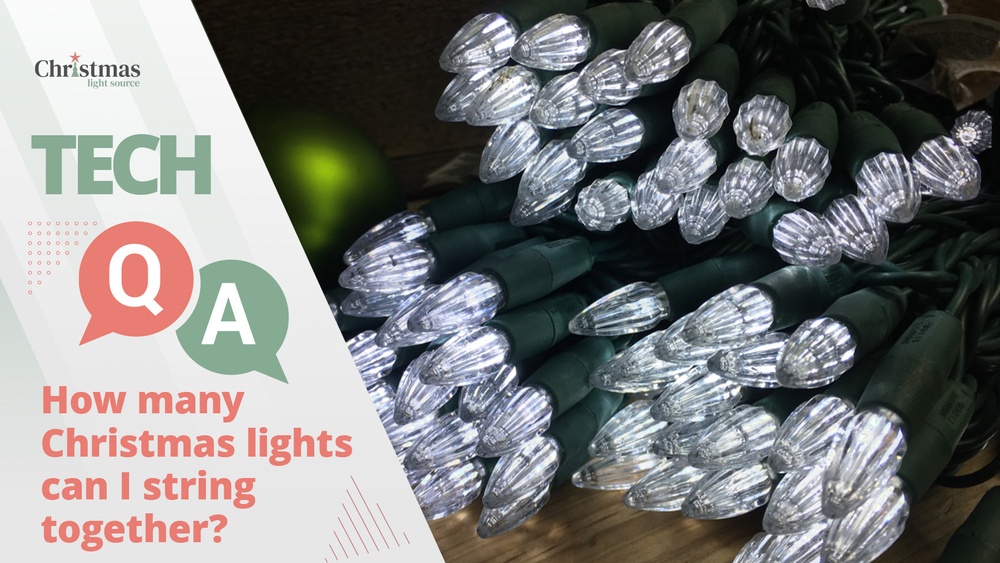
Incandescent bulbs usually allow fewer bulbs per string. Common limits are 50 or 100 bulbs per string. This is because they use more electricity and get hotter. Non-LED bulbs need thicker wires for longer strings. Miniature bulbs often have a limit of 50 to 70 bulbs. C7 and C9 bulbs, which are bigger, usually allow fewer bulbs per string. Following these limits keeps the lights safe and working well.
Credit: www.christmas-light-source.com
Safety Risks Of Overloading
Overloading non-LED Christmas lights can cause serious safety risks. Many people do not realize the dangers of connecting too many strands. The wires and sockets can only handle a certain amount of electricity. Exceeding this limit puts your home at risk of accidents and damage.
Understanding these risks helps keep your holiday decorations safe. Knowing what can go wrong makes it easier to prevent problems. Here are two main safety issues from overloading your Christmas lights.
Fire Hazards
Overloaded lights can cause wires to overheat. Hot wires may melt insulation and start fires. Old or damaged cords increase this risk. A small spark can ignite nearby decorations or furniture. This danger grows with the number of strings connected. Fire hazards are the most serious risk of overloading lights.
Electrical Failures
Too many lights on one circuit can cause electrical failures. The circuit breaker may trip or fuses blow. This stops your lights from working suddenly. Faulty wiring can also create shocks or short circuits. Electrical failures might damage your home’s wiring system. Keeping the load low avoids these problems and keeps lights shining.
Tips For Connecting Multiple Strings
Connecting several non-LED Christmas light strings can brighten your home beautifully. Doing it safely and correctly helps avoid problems like flickering or short circuits. Follow simple tips to connect your lights and keep the display shining bright all season.
Proper connections and managing power are key. Small steps make a big difference in light performance and safety.
Using Proper Connectors
Always use connectors made for Christmas lights. They fit securely and prevent loose connections. Loose plugs can cause sparks or lights to go out. Do not force connectors that do not match.
Check each connector for damage before use. Replace any with cracks or bent prongs. Proper connectors keep electricity flowing safely through your light strings.
Avoiding Voltage Drops
Voltage drops happen when too many strings connect in one line. Lights at the end grow dimmer or flicker. To avoid this, limit how many strings you connect together.
Divide long runs into smaller groups. Use extension cords with thicker wires for longer distances. This keeps power steady and lights bright.
Watch the manufacturer’s guide. It shows the maximum number of strings to connect safely. Stay within this limit to protect your lights and home.

Credit: www.christmas-light-source.com
Alternatives To Long Strings
Long strings of non-LED Christmas lights can be tricky to manage. They may cause power problems or safety issues. Alternatives to long strings help avoid these troubles. These options also add flexibility and creativity to your holiday decor. Explore ways to enjoy festive lights without worrying about string length.
Using Multiple Circuits
Divide your lights into smaller groups. Each group connects to a different power circuit. This reduces the load on any single circuit. It prevents overheating and blown fuses. Use multiple outlets to spread the power safely. Ensure each circuit matches the light string’s voltage needs. This method lets you use many lights without risk.
Battery-powered Options
Battery-powered lights offer great freedom. No wires limit where you place them. They work well for outdoor and indoor spots. Choose LED batteries for longer life and brightness. These lights run on AA or AAA batteries. Replace batteries easily to keep lights shining. Battery-powered options suit small areas or delicate setups.
Maintaining And Troubleshooting
Maintaining and troubleshooting non-LED Christmas lights helps keep your display bright and safe. Proper care extends the life of your lights and avoids common problems. Simple checks and fixes save time and frustration during the holiday season.
Spotting Faulty Bulbs
Faulty bulbs cause sections of your light string to go dark. Look for bulbs that are dim or broken. Replace any bulb that flickers or does not light. Always use bulbs made for your light set. Check bulbs one by one for a quick fix. A single bad bulb can affect many lights.
Replacing Fuses
Fuses protect your light string from electrical damage. If lights stop working, check the fuse inside the plug. Remove the fuse cover to inspect the fuse. Replace blown fuses with the same type and rating. Keep spare fuses handy to avoid delays. Proper fuse replacement ensures safe and reliable lighting.
Frequently Asked Questions
How Many Non-led Christmas Lights Can I Safely Connect?
You can safely string together about 3 to 5 sets of non-LED lights. This depends on the wattage and the manufacturer’s recommendations. Exceeding this can cause overheating or electrical hazards.
Why Can’t I Connect Too Many Non-led Light Strings?
Connecting too many strings increases electrical load, risking overheating and fire. Non-LED lights consume more power, so limits ensure safety and prevent circuit damage.
What Determines The Maximum Non-led Light Strings Limit?
The limit depends on the wire gauge, bulb wattage, and power source. Manufacturers set a max number to avoid electrical overload and hazards.
Can I Use Extension Cords With Non-led Christmas Lights?
Yes, but use heavy-duty extension cords rated for outdoor use. Avoid overloading cords to prevent electrical shorts or fire risks.
Conclusion
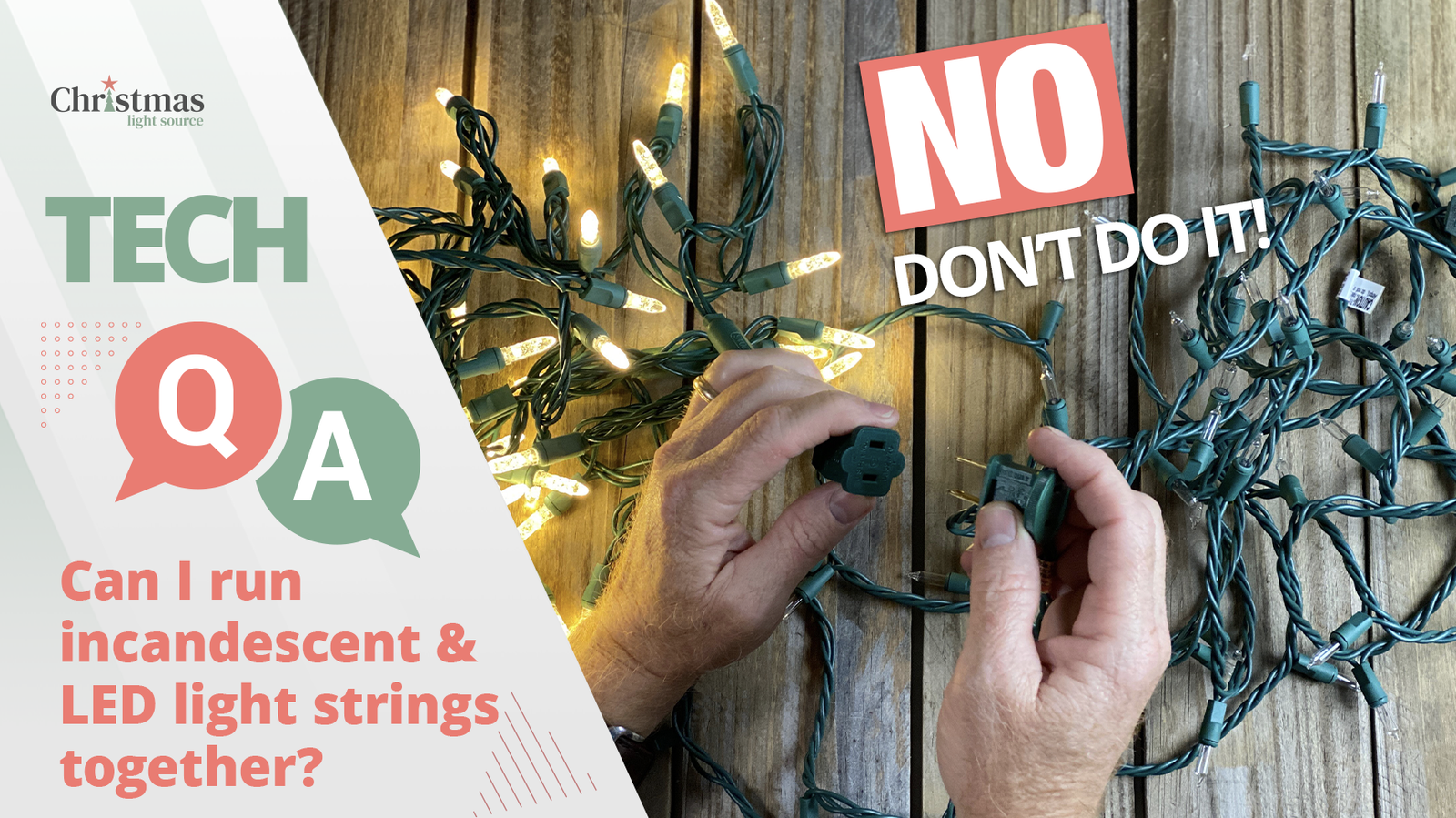
Stringing non-LED Christmas lights needs care and attention. Too many lights can cause wires to overheat and break. Always check the manufacturer’s limit for safe connections. Use proper extension cords and avoid mixing different types. Keep your display bright and safe for everyone.
Enjoy decorating with lights that shine just right. Safety first, fun always.