
Is your smoke detector beeping nonstop, and you just want to get that battery out quickly? You’re not alone.
Removing the battery from a smoke detector might seem tricky if you’ve never done it before. But don’t worry—this guide will show you simple, step-by-step instructions to get the job done safely and easily. By the time you finish reading, you’ll feel confident handling your smoke detector’s battery without any hassle.
Keep reading to learn how to take control of your home safety devices like a pro.
Tools Needed
Removing the battery from a smoke detector is simple with the right tools. Gathering these tools before starting saves time and effort. Most tools needed are common and easy to find.
Small Flathead Screwdriver
A small flathead screwdriver helps open the battery compartment. It fits into the slot and gently pries the cover off. This tool is useful for smoke detectors with a locked battery cover.
Ladder Or Step Stool
Use a sturdy ladder or step stool to reach the smoke detector safely. Smoke detectors are often on ceilings or high walls. Standing on a stable platform prevents falls and accidents.
Replacement Battery
Keep a new battery ready for replacement. Most smoke detectors use 9-volt or AA batteries. Check the battery type before removal to have the right one on hand.
Soft Cloth Or Gloves
A soft cloth or gloves protect your hands and the smoke detector. Gloves keep oils from your skin off the device. A cloth can gently clean dust from the detector before opening.
Safety Precautions
Removing the battery from a smoke detector needs care and attention. Safety comes first to avoid damage or injury. Follow some simple steps to stay safe during the process.
Turn Off The Power Source
Before opening the smoke detector, switch off the power. This stops electric shocks. If the detector is wired, turn off the circuit breaker linked to it. This step is vital for safety.
Use A Stable Ladder
Most smoke detectors are on ceilings or high walls. Use a sturdy ladder to reach the device. Make sure the ladder is steady and placed on a flat surface. Avoid standing on chairs or unstable objects.
Handle The Detector Gently
Smoke detectors are sensitive devices. Avoid dropping or hitting them. Hold the detector firmly but gently. Rough handling can break the unit or cause false alarms.
Wear Protective Gear
Wear gloves to protect your hands from dust and debris. Use safety glasses if dust is visible. This protects your eyes and skin during battery removal.
Check For Battery Type
Know the battery type before removal. Some detectors use sealed batteries that need special care. Using the wrong method can damage the detector or battery.
Locate The Smoke Detector
Finding the smoke detector is the first step to remove its battery safely. Smoke detectors are usually mounted on ceilings or high on walls. Knowing where they are helps you act quickly and avoid damage.
Smoke detectors can be in different rooms. Common places include hallways, kitchens, and bedrooms. They are often near sleeping areas for safety reasons.
Sometimes, smoke detectors might be hidden behind smoke vents or in corners. Take your time to look carefully. Use a step stool or ladder if needed to reach high spots.
Check Common Locations
Start by checking the ceiling in main rooms. Look above doors and near light fixtures. Smoke detectors usually sit in visible spots to detect smoke early.
Use A Flashlight
A flashlight helps you spot the smoke detector easily. Light shines on it and reveals any hidden or dusty areas. This step is important for safety checks.
Look For The Test Button
Most smoke detectors have a test button on the front. Finding this button confirms you have located the device. It also helps to test the alarm after battery change.
Credit: www.swflelectric.com
Remove The Smoke Detector
Removing the smoke detector is the first step to get the battery out. This process helps you access the battery safely and quickly. Follow simple steps to avoid damage or injury.
Always handle the smoke detector carefully to keep it working well. Make sure to work in a well-lit area so you can see clearly.
Turn Off Power Source
Start by turning off the power to the smoke detector. This step stops any electric shock risk. Locate your home’s circuit breaker panel.
Switch off the breaker connected to the smoke detector. Confirm the power is off by pressing the test button. The alarm should not sound.
Detach From Mounting
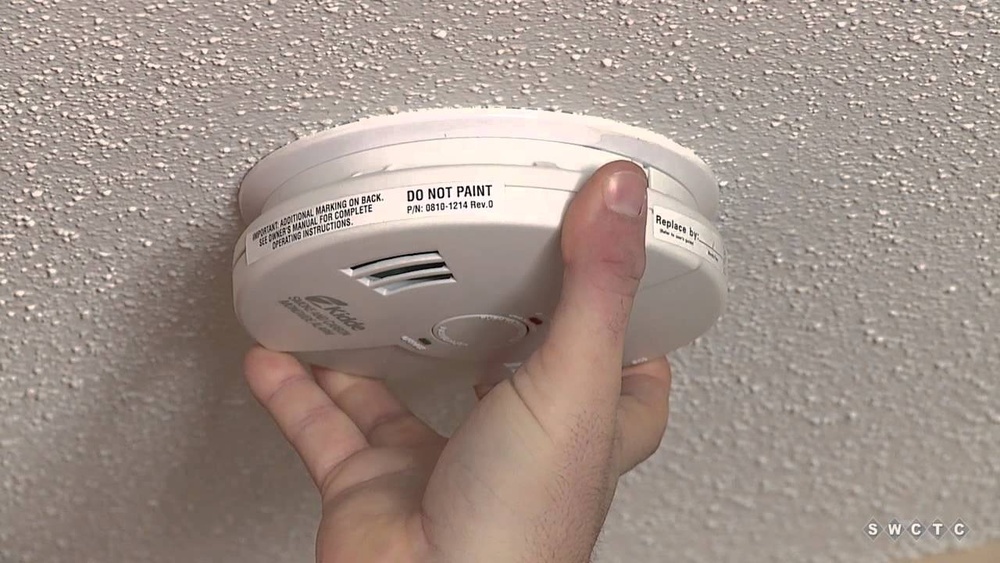
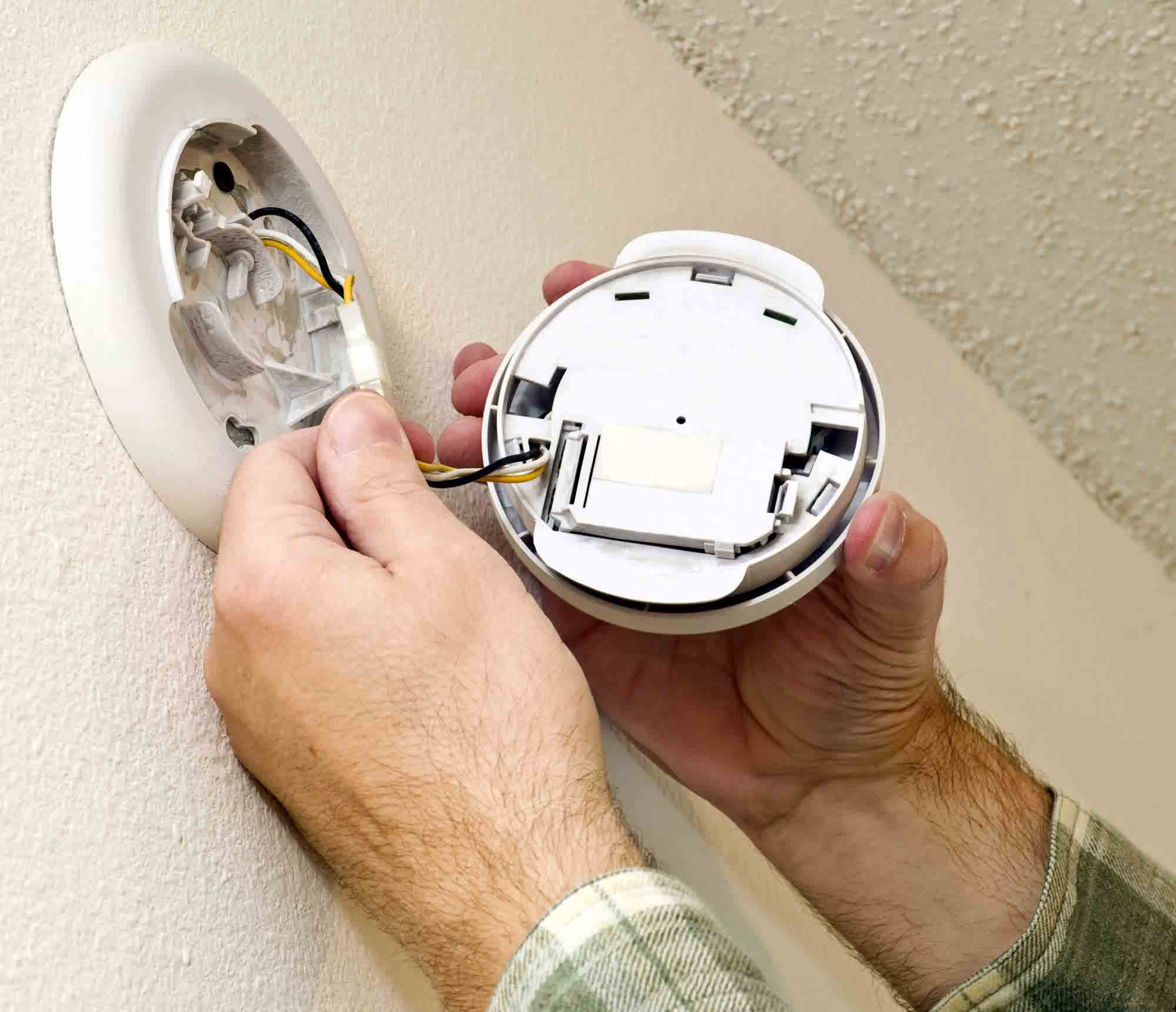
Next, remove the smoke detector from its mounting bracket. Hold the detector firmly and twist it counterclockwise. It should come loose easily.
If it feels stuck, do not force it. Check for screws or clips holding it in place. Use a screwdriver if needed to loosen them.
Open The Battery Compartment
Opening the battery compartment of a smoke detector is the first step to replace or remove the battery. This part holds the battery securely inside the device. You need to open it carefully to avoid damage.
Most smoke detectors have a small door or cover that protects the battery. This cover often snaps or slides open. Knowing how to open it will make battery removal easy and safe.
Locate The Battery Compartment
Look for a small door on the back or side of the smoke detector. It may have a small tab or latch. Sometimes the compartment is marked with a battery symbol.
Use Your Fingers Or A Tool
Try opening the cover with your fingers first. If it is tight, use a flathead screwdriver. Gently pry the cover open without forcing it.
Slide Or Lift The Cover
Some compartments slide open sideways. Others lift up like a small hatch. Move the cover slowly to avoid breaking it.
Check For Clips Or Locks
Some battery compartments have clips or locks. Press or release these to open the cover. Do not use sharp tools that can damage the detector.

Credit: www.housebeautiful.com
Remove The Old Battery
Removing the old battery from a smoke detector is an important safety step. It helps keep your home safe and ensures the device works properly. This process is simple and quick.
Take your time to avoid any damage. Follow the steps carefully to remove the battery without trouble.
Find the smoke detector on your ceiling or wall. Most are easy to spot. Use a ladder if needed. Make sure you have a stable place to stand.
Look for a small door or cover on the detector. It may slide or flip open. Use your fingers to gently open it. Avoid using sharp tools to prevent damage.
Take out the battery by lifting or sliding it out. Note the battery’s position and how it fits. Dispose of the old battery properly. Do not throw it in the regular trash.
Inspect And Clean The Compartment
Inspecting and cleaning the battery compartment is a key step when removing the battery from a smoke detector. Dust and dirt can build up inside. This may cause poor contact or false alarms. Taking time to clean ensures the smoke detector works well and lasts longer.
Careful inspection helps spot any damage or corrosion. Corroded contacts can stop the battery from powering the device properly. Cleaning removes debris that might block connections. This simple task improves safety and device reliability.
Locate the battery cover on your smoke detector. Usually, it slides or snaps open. Use gentle force to avoid breaking the cover. Keep the cover safe for reassembly. Opening the compartment allows access to the battery and interior.
Check For Dirt And Corrosion
Look inside the compartment carefully. Check for dust, dirt, or sticky residue. Inspect the metal contacts for white or green corrosion. Corrosion weakens the connection and can stop the detector from working. Identifying these issues helps decide the cleaning method.
Clean The Compartment Safely
Use a soft cloth or a cotton swab to clean inside. For corrosion, gently rub contacts with a pencil eraser. Avoid using water or liquid cleaners inside the compartment. Remove loose dust and dirt carefully. Cleaning ensures better contact for the new battery.
Credit: support.firstalert.com
Insert New Battery
Inserting a new battery into your smoke detector is a key step to keep it working well. It ensures the alarm stays ready to warn you of danger. Take care during this step to avoid mistakes that could stop the detector from working.
Match Battery Orientation
Check the battery slot carefully. You will see plus (+) and minus (-) signs. Place the battery so the positive end matches the plus sign. The negative end must touch the minus sign. Wrong placement can stop the detector from working. Take your time to align it right.
Use Recommended Battery Type
Use the battery type the smoke detector needs. Most detectors use 9-volt or AA batteries. Using the wrong type can cause damage or poor performance. Look at the user manual or inside the battery compartment for the correct type. Always pick fresh batteries for best results.
Test The Smoke Detector
Testing your smoke detector is a key step after removing the battery. It confirms the device works well and keeps you safe. A simple test can show if the smoke alarm is ready to alert you in an emergency.
Always test the smoke detector right after replacing or removing the battery. This helps avoid any false sense of security. A working alarm can save lives by warning you early about smoke or fire.
How To Perform A Smoke Detector Test
Press and hold the test button on the detector. The alarm should sound loudly within a few seconds. If it does not, check the battery and connections. Try testing again after fixing any issues.
Signs The Smoke Detector Needs Battery Replacement
A weak or missing battery causes a chirping sound. The alarm may fail to sound during the test. Replace the battery immediately to restore full function. Regular testing helps catch this problem early.
What To Do If The Smoke Detector Fails The Test
Double-check the battery installation. Clean the detector from dust and debris. If the alarm still fails, replace the entire unit. Never ignore a smoke detector that does not respond to testing.
Reinstall The Smoke Detector
Reinstalling the smoke detector is the final step after replacing or removing the battery. This step ensures your home stays safe and your alarm works properly. Take care to place the detector back correctly. A loose or wrong fit can cause it to stop working.
Follow these simple steps to reinstall the smoke detector safely and securely.
Align The Smoke Detector With The Mounting Plate
Check the mounting plate on the ceiling or wall. Hold the smoke detector near it. Match the slots on the detector with the hooks on the plate. This alignment is important for a secure fit.
Twist The Detector To Lock It In Place
Once aligned, gently twist the smoke detector clockwise. You will feel it lock into place. Do not force it. Twisting too hard can break the device or the plate.
Press the test button on the smoke detector. Listen for a loud beep or alarm sound. This confirms the battery is working and the detector is on. If no sound, check the battery or connections again.
Clean Around The Smoke Detector
Remove dust or cobwebs near the detector. Use a soft cloth or brush. Clean surroundings help the detector sense smoke better. Keep this area free from dirt regularly.
Frequently Asked Questions
How Do I Safely Remove Battery From Smoke Detector?
First, turn off the power if hardwired. Twist or slide the detector off its base. Open the battery compartment and gently pull out the battery. Avoid using sharp tools to prevent damage.
What Type Of Battery Does A Smoke Detector Use?
Most smoke detectors use 9-volt batteries. Some models use AA or AAA batteries. Always check the manufacturer’s label for the exact battery type required.
How Often Should I Change Smoke Detector Batteries?
Replace batteries at least once a year. Change immediately if the detector emits a low battery warning beep. Regular replacement ensures proper functionality and safety.
Can I Remove Battery Without Disabling Smoke Alarm?
Removing the battery disables the alarm temporarily. For hardwired models, turn off the circuit breaker first. Removing the battery without precautions may cause false alarms or no alarm during emergencies.
Conclusion
Removing a battery from a smoke detector is simple and safe. Always turn off the alarm first. Use gentle pressure to open the battery compartment. Take out the old battery carefully and replace it with a new one. Test the smoke detector after changing the battery to ensure it works.
Regular checks keep your home safe. Remember, a working smoke detector can save lives. Stay safe by maintaining your device well.