
Are you dealing with a hardwired smoke detector that keeps beeping or needs to be replaced? Knowing how to disconnect it safely is essential to avoid accidents and electrical problems.
In this guide, you’ll learn simple, clear steps to turn off your hardwired smoke detector without any hassle. Keep reading to protect your home and yourself while handling this important task.
Credit: www.familyhandyman.com
Safety Precautions
Handling a hardwired smoke detector requires careful attention. Safety comes first to avoid accidents and damage. Following simple safety steps helps protect you and your home.
Before disconnecting, know the risks and prepare properly. Always plan ahead and stay cautious during the process.
Turn Off Power Supply
Cut the power to the smoke detector at the circuit breaker. This prevents electric shock while working on the device. Double-check that the power is off before touching any wires.
Gather Necessary Tools
Collect all tools needed before starting. Common tools include a screwdriver, voltage tester, and wire nuts. Having tools ready makes the job faster and safer.
Use Protective Gear
Wear safety gloves to protect your hands from sharp edges. Use safety glasses to shield your eyes from dust or debris. Simple gear reduces the chance of injury during the task.
Locate The Smoke Detector
Before disconnecting a hardwired smoke detector, you must first locate it. Finding the exact unit helps ensure safety and makes the process easier. Smoke detectors are usually installed on ceilings or high on walls. Check common areas like hallways, kitchens, and bedrooms.
Identify Hardwired Units
Hardwired smoke detectors connect directly to your home’s electrical system. They often have a small backup battery inside. Look for wires attached to the back of the smoke detector. Battery-only units do not have any wiring. Identifying the right type avoids confusion and prevents electrical hazards.
Check Circuit Breaker Panel
Turn off the power to the smoke detector at the circuit breaker panel. The panel is usually found in a basement, garage, or utility room. Look for labels indicating the smoke detector circuit. Switching off the power stops electric current and keeps you safe during disconnection.
Disable The Smoke Detector
Disabling a hardwired smoke detector is a careful process. It helps avoid false alarms during home projects or maintenance. Follow the steps below to safely disable your smoke detector.
Remove The Detector Cover
Start by gently twisting or pulling the cover off the smoke detector. This exposes the internal parts. Be careful not to break any clips or wires. Removing the cover gives access to the battery and wiring.
Disconnect The Battery Backup
Inside the detector, find the small battery. This battery keeps the alarm working during power outages. Carefully unplug or remove the battery to cut power. This step stops the detector from sounding due to battery power.
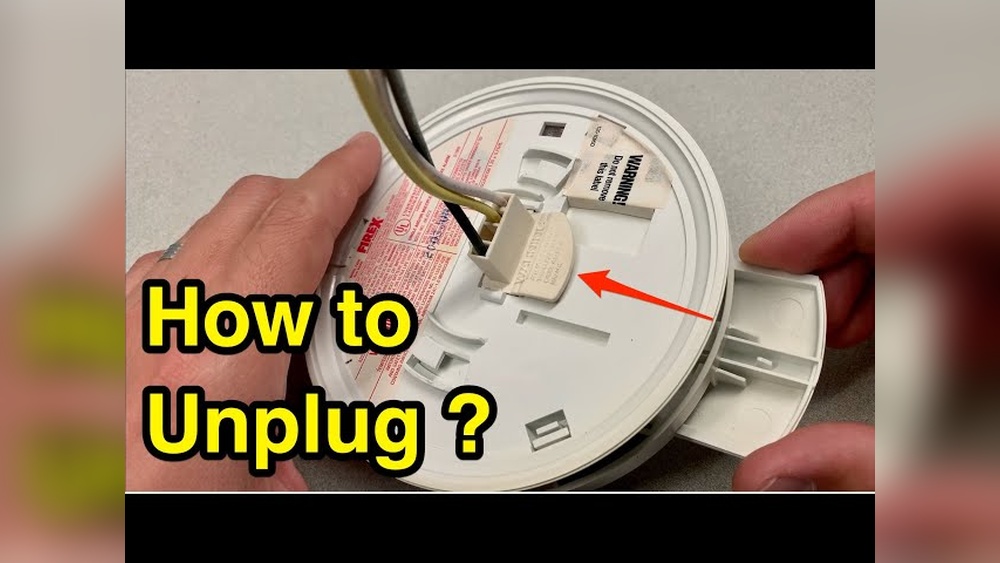
Unplug The Wiring Harness
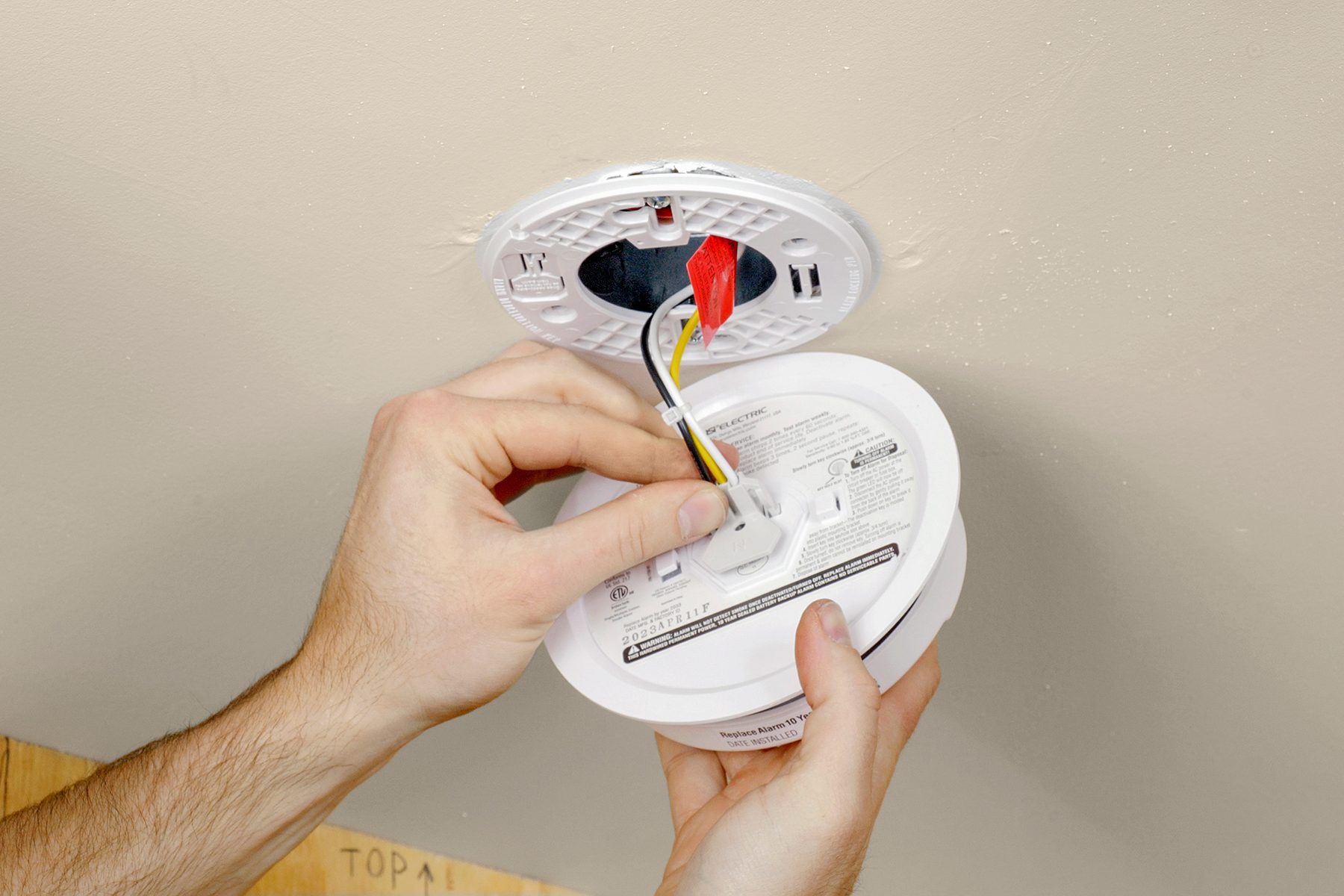
Locate the wiring harness that connects the detector to your home’s power. Press the tab or release clip to unplug it. This disconnects the hardwired power source. With no power, the detector will stay off.
Remove The Smoke Detector
Removing a hardwired smoke detector is a key step before disconnecting it safely. This part needs care and patience. Follow clear steps to avoid damage or injury.
Start by loosening the fixture that holds the detector to the ceiling or wall. Then, handle the device gently to prevent breaking any parts.
Unscrew The Mounting Bracket
Locate the screws that secure the mounting bracket. Use a screwdriver to turn them counterclockwise. Keep the screws in a safe place for reinstallation. Gently pull the detector away from the ceiling or wall once the screws are loose. Avoid forcing it off.
Handle The Detector Carefully
Hold the smoke detector firmly but gently. Do not drop or shake the unit. The wiring inside is fragile and may break easily. Place the detector on a soft surface while working. This protects it and helps prevent damage.
Test The Circuit
After disconnecting a hardwired smoke detector, testing the circuit is vital. This step ensures everything works safely and correctly. Testing helps confirm the power is back and no alarms sound unexpectedly. Follow simple steps to avoid hazards and keep your home safe.
Restore Power
Turn the circuit breaker back on. This restores electricity to the smoke detector wiring. Check the breaker panel carefully. Make sure the switch is fully in the ON position. Power must flow to complete the test.
Verify No Alarms
Listen near the smoke detector wiring. No alarm sounds mean the disconnection worked properly. If you hear beeping, there might be an issue. Double-check the wiring and connections. Ensure the smoke detector is safely disabled before moving on.

Credit: www.youtube.com
Replace Or Reinstall Options
After disconnecting a hardwired smoke detector, you have two main options: replace it with a new one or reinstall the old unit. Both choices are important for safety. A working smoke detector helps protect your home and family from fire risks. Choose the option that fits your situation best.
Install New Detector
Start by turning off power at the breaker. Remove the old smoke detector from its mounting bracket. Detach the wiring harness carefully. Connect the new detector’s wiring to the existing wires. Match the wire colors to avoid errors. Secure the new detector to the mounting bracket. Turn the power back on and test the new detector. Make sure the alarm sounds loud and clear.
Reattach Old Detector Safely
Inspect the old smoke detector for damage before reattaching. Clean any dust or debris from the unit. Reconnect the wiring harness carefully, matching wire colors. Attach the detector back to its mounting bracket. Restore power at the breaker. Test the detector by pressing its test button. Confirm the alarm works properly. Replace batteries if the detector uses them. Safety comes first in every step.
Credit: support.firstalert.com
Frequently Asked Questions
How Do I Safely Disconnect A Hardwired Smoke Detector?
Turn off the power at the circuit breaker first. Remove the detector from its mounting bracket. Disconnect the wiring harness carefully. Avoid touching any exposed wires to prevent shocks.
Can I Disconnect A Hardwired Smoke Detector Without Tools?
No, you typically need a screwdriver to remove the detector. You may also need to disconnect wiring connectors. Using proper tools ensures safety and prevents damage.
What Precautions Should I Take Before Disconnecting Smoke Detectors?
Always switch off the power supply at the breaker panel. Use a voltage tester to confirm no current flows. Handle wires gently to avoid damage or electrical shock.
Will Disconnecting A Hardwired Smoke Detector Affect Fire Safety?
Yes, disconnecting the detector disables fire detection in that area. Replace or repair it promptly to maintain home safety. Consider temporary alternatives like battery-powered detectors.
Conclusion
Disconnecting a hardwired smoke detector is simple with the right steps. Always turn off the power before starting. Carefully remove the detector and disconnect the wires. Keep safety in mind throughout the process. Testing the detector after reconnecting power is important.
This guide helps you handle the task confidently. Stay safe and ensure your home’s protection. Remember, working carefully prevents accidents and keeps everyone secure.