
Have you ever wondered how long your hardwired smoke detectors actually last? You rely on these devices every day to keep your home and loved ones safe.
But do you know when it’s time to replace them before they stop working? Understanding the lifespan of your smoke detectors can make a big difference in preventing fire hazards. Keep reading to discover how long these important safety tools last and what signs you should watch for to keep your home protected.

Credit: annarborwithkids.com
Lifespan Of Hardwired Smoke Detectors
Hardwired smoke detectors play a crucial role in home safety. Knowing their lifespan helps ensure they work properly. These detectors are wired directly into your home’s electrical system. They often have a battery backup for power outages. Understanding how long these devices last prevents unexpected failures.
Typical Duration
Most hardwired smoke detectors last about 10 years. This is the average time they function well. After 10 years, sensors can wear out or become less sensitive. Old detectors might not detect smoke quickly. Replace your device to keep your home safe.
Manufacturer Recommendations
Manufacturers suggest replacing smoke detectors every 10 years. This advice comes from safety tests and product design. Some brands include a date on the device to track age. Follow these guidelines to maintain reliable protection. Regular checks and timely replacement reduce risks.
Factors Affecting Durability
The lifespan of hardwired smoke detectors depends on several key factors. These factors influence how long the device remains reliable and effective. Knowing what affects durability helps in proper care and timely replacement. The following sections explain important elements that impact their lifespan.
Environmental Conditions
Smoke detectors exposed to extreme temperatures may wear out faster. High humidity can cause moisture buildup inside the device. Dust and dirt can block sensors and reduce sensitivity. Areas with frequent electrical surges may damage internal parts. Installing detectors in clean, dry, and stable environments extends their life.
Maintenance Practices
Regular testing ensures the smoke detector works properly. Cleaning the device removes dust and debris that cause false alarms. Changing backup batteries prevents power loss during outages. Ignoring maintenance can lead to sensor failure and shorter device life. Good upkeep is essential for long-lasting performance.
Quality Of Components
Smoke detectors made with high-quality parts last longer. Reliable sensors and circuit boards resist wear and tear. Cheap models may use lower-grade materials that fail sooner. Certified devices meet safety standards and offer better durability. Investing in quality products reduces replacement frequency and improves safety.
Signs It’s Time To Replace
Hardwired smoke detectors are built to last many years. Still, they do not last forever. Knowing the signs that tell you it’s time to replace your smoke detector is important. This keeps your home safe and your family protected.
Smoke detectors show clear signs when they start to fail. These signs help you decide if a replacement is needed. Pay attention to unusual behavior or visible damage. These clues mean your smoke detector may not work properly anymore.
Frequent False Alarms
Smoke detectors that go off without smoke or fire cause frustration. Frequent false alarms signal the sensor is failing. Dust, insects, or old sensors can cause this issue. A detector that constantly alarms may not protect you in a real emergency.
Sensor Malfunctions
Smoke detectors rely on sensors to detect smoke. Over time, these sensors can stop working right. If the alarm fails to sound during tests, the sensor may be broken. A malfunctioning sensor means the detector cannot warn you of danger.
Physical Wear And Tear
Check your smoke detector for cracks, corrosion, or loose parts. Physical damage can harm its ability to work. Wiring issues in hardwired models also affect performance. Any visible damage is a clear sign to replace your unit soon.
Credit: www.familyhandyman.com
Maintenance Tips To Extend Life
Hardwired smoke detectors keep homes safe by alerting us early to fire dangers. To make sure they work well for many years, regular care is important. Simple maintenance steps can help you avoid false alarms and keep the detectors reliable.
Regular Testing
Test your smoke detectors once a month. Press the test button until you hear the alarm sound. This check makes sure the alarm and wiring work correctly. If the alarm does not sound, fix or replace the detector fast.
Cleaning Procedures
Dust and dirt can block smoke sensors. Clean your detectors every six months with a soft brush or vacuum. Gently remove dust from vents and the surface. Avoid using water or spray cleaners to protect the electronics inside.
Battery Backup Care
Hardwired detectors usually have a battery backup. Replace these batteries once a year or when the low battery beep sounds. Use fresh, high-quality batteries for best results. Check battery contacts to keep them clean and free of corrosion.
Comparison With Battery-operated Detectors
Hardwired smoke detectors connect directly to a home’s electrical system. Battery-operated detectors run on replaceable batteries. Both types protect homes from fire risks. Their lifespan and reliability differ in key ways. Understanding these differences helps in choosing the right detector.
Lifespan Differences
Hardwired smoke detectors often last 10 years or more. They have a steady power source, reducing battery-related issues. Battery-operated detectors usually last about 8 to 10 years. The battery needs regular replacement to keep the detector working. A dead battery means no protection. Hardwired units sometimes include a backup battery for power outages. This backup extends their effective life and safety.
Reliability Factors
Hardwired detectors stay powered as long as electricity flows. They sound alarms consistently without battery worries. Battery-operated detectors depend fully on battery health. Batteries can fail or be forgotten during replacement. This risk makes battery detectors less reliable over time. Hardwired detectors also link together, sounding alarms throughout the home. This feature boosts safety by alerting everyone faster. Battery detectors may not have this interconnect feature. Proper maintenance is vital for both types to ensure reliability.
Disposal And Replacement Guidelines
Hardwired smoke detectors last about 10 years. After this time, they should be replaced. Safe disposal helps protect the environment and your safety. Follow these simple guidelines for removing, recycling, and choosing a new detector.
Safe Removal
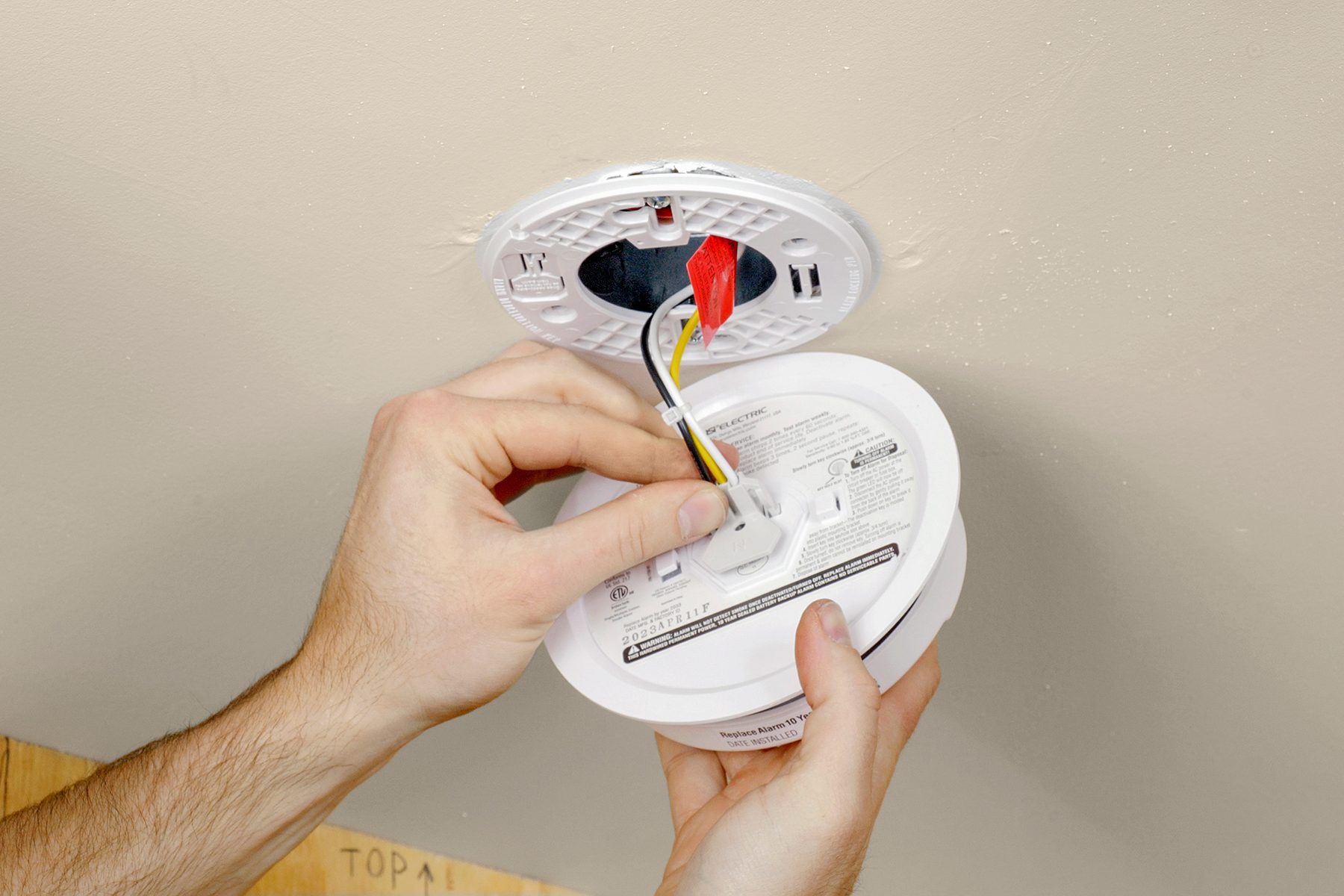
Turn off the power at the circuit breaker before removing the detector. Carefully disconnect the wires from the back. Avoid pulling on the wires to prevent damage. Remove the detector from its mounting bracket gently. Place the old detector in a safe container until disposal.
Recycling Options
Smoke detectors contain small amounts of radioactive material. Do not throw them in regular trash. Take them to a recycling center that accepts smoke detectors. Some local waste programs offer special collection days. Check with your local waste authority for instructions.
Choosing A New Detector
Select a smoke detector with good reviews and safety certifications. Choose a model with a long battery backup for power outages. Consider detectors with easy test and silence buttons. Match the new detector’s type with your home’s wiring system. Install it following the manufacturer’s instructions carefully.

Credit: www.youtube.com
Frequently Asked Questions
How Long Do Hardwired Smoke Detectors Last?
Hardwired smoke detectors typically last 8 to 10 years. Over time, sensors degrade, reducing effectiveness. Regular replacement ensures optimal safety and compliance with fire safety standards.
When Should I Replace My Hardwired Smoke Detector?
Replace your hardwired smoke detector every 8 to 10 years. Check the manufacturer’s date inside the unit. Early replacement prevents malfunction and ensures reliable fire detection.
Can Hardwired Smoke Detectors Fail Over Time?
Yes, hardwired smoke detectors can fail due to sensor wear or electrical issues. Regular testing and timely replacement are crucial to maintain proper functionality and home safety.
How To Test Hardwired Smoke Detectors Regularly?
Test your hardwired smoke detector monthly by pressing the test button. Ensure the alarm sounds loud and clear. This simple check verifies the device’s operational status.
Conclusion
Hardwired smoke detectors usually last about 10 years. After that, they may not work well. Test them monthly to ensure safety. Replace the entire unit, not just the battery. Keep your home safe with working smoke detectors. Don’t wait for signs of damage or failure.
Regular checks help protect your family and property. Remember, a good smoke detector saves lives every day. Stay alert and maintain your devices well. Safety starts with simple, smart steps.