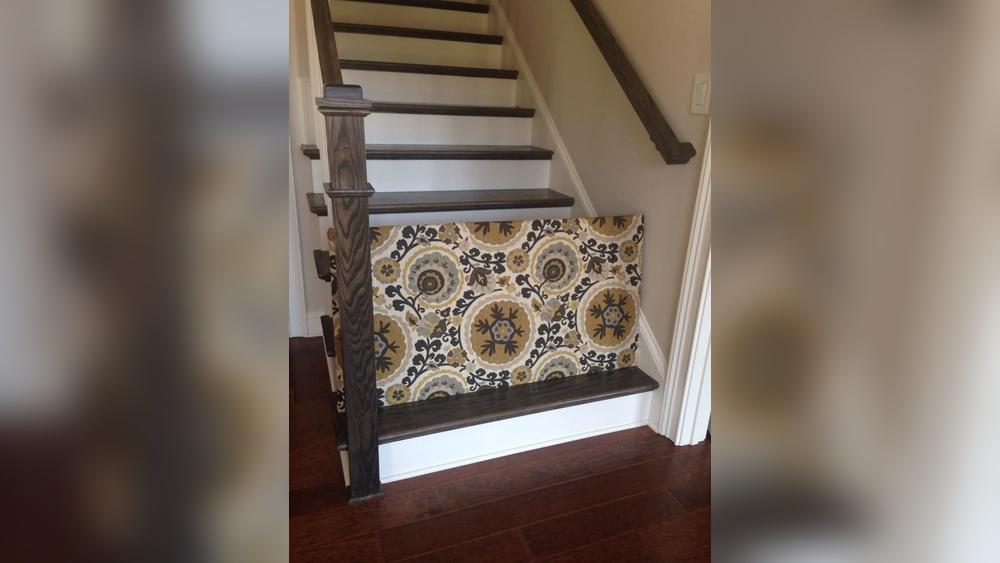

If you have pets at home, you know how important it is to keep them safe—especially around stairs. A pet gate can be the perfect solution to prevent accidents and give you peace of mind.
But buying one can be expensive or not fit your space well. What if you could build your own pet gate, tailored exactly to your stairs and style? In this guide, you’ll discover simple, step-by-step instructions to create a sturdy, effective pet gate.
By the end, you’ll have a custom gate that keeps your furry friends safe and your home looking great. Ready to get started? Let’s dive in!
Choosing The Right Materials
Choosing the right materials is key to building a strong and safe pet gate for stairs. The materials must hold up to daily use and keep pets secure. Good materials also make the gate look nice and fit well with your home decor.
Focus on materials that are sturdy but easy to work with. Think about the size and weight of your pet. These factors help decide the best wood and hardware. Proper tools make the project smoother and faster.
Types Of Wood And Hardware
Wood is the main part of the gate. Pine is affordable and easy to cut. Oak is stronger and lasts longer but costs more. Cedar has natural resistance to moisture and bugs.
For hardware, choose strong hinges and latches. Metal hinges provide smooth opening and closing. A latch with a lock keeps pets from opening the gate. Use screws that fit the wood type for firm fixing.
Tools Needed For The Project
Basic tools include a saw to cut wood to size. A drill helps make holes for screws and hinges. Screwdrivers or a power driver are needed to fasten hardware.
Sandpaper smooths rough edges for safety. A tape measure ensures accurate wood cuts. A pencil marks measurements clearly on wood.
Credit: kdfoundation.org
Measuring Your Staircase
Measuring your staircase correctly is key to building a safe pet gate. Precise measurements ensure the gate fits well and stays secure. Take your time to measure carefully before starting the project. This helps avoid mistakes and saves materials.
Determining Gate Width And Height
Measure the width of the stair opening from wall to wall. Use a tape measure for accuracy. Note the narrowest point to ensure the gate fits. For height, measure from the stair tread to the desired gate top. The gate should be tall enough to keep pets from jumping over.
Accounting For Stair Angles And Space
Staircases are often not perfectly straight. Check the angle of the stairs with a protractor or angle finder. This helps in designing a gate that fits snugly. Also, measure any space between the stairs and walls. This space might affect how the gate mounts or swings open.
Designing The Gate
Designing a pet gate for stairs means thinking about style and safety. The gate should fit your home’s look. It must also keep your pet secure. Careful planning helps build a gate that works well and looks good.
Selecting A Gate Style
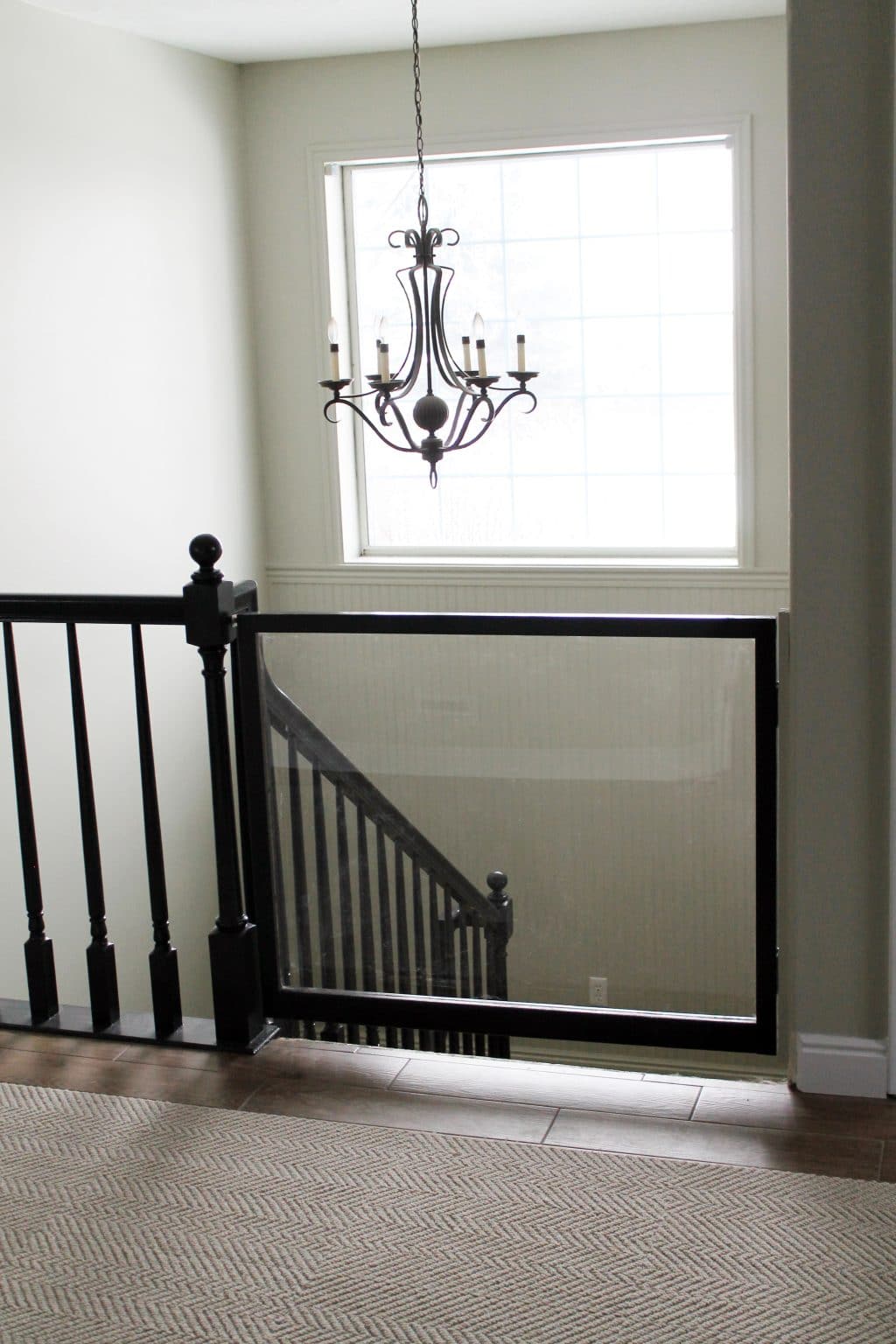
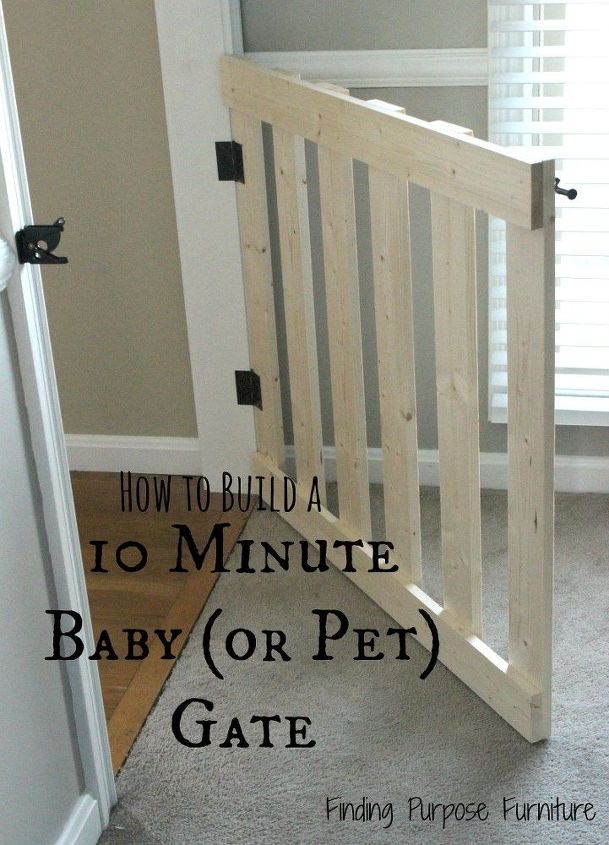
Choose a gate style that matches your home decor. Wooden gates offer a classic, warm look. Metal gates provide a modern and sturdy feel. Some gates fold or slide for easy use. Think about how the gate opens and closes. Pick a style that suits your space and pet.
Planning For Safety Features
Safety is the top priority in gate design. The gate should be tall enough to stop pets from jumping over. Make sure bars or slats are close together. This keeps small pets from squeezing through. Use secure locks that pets cannot open. Check for sharp edges or points to avoid injuries.
Credit: www.shoshitamam.com
Cutting And Preparing Components
Cutting and preparing the components is an important step in building a pet gate for stairs. Accurate cutting ensures the gate fits well and works safely. Preparing the wood pieces correctly makes assembly easier and improves the gate’s look. This section covers how to cut wood to size and how to sand and finish the edges.
Cutting Wood To Size
Measure the space at the top or bottom of your stairs carefully. Mark the wood pieces according to these measurements. Use a saw to cut each piece straight and clean. Take your time to avoid mistakes. Double-check each cut before moving on. Properly sized wood parts will make the gate strong and stable.
Sanding And Finishing Edges
Sanding smooths rough edges and removes splinters. Use medium-grit sandpaper first, then fine-grit for a soft finish. Sand all edges, corners, and surfaces that will be touched. This step keeps your pet safe from scratches. Clean the wood dust after sanding. A neat finish also helps paint or stain stick better.
Assembling The Gate Frame
Assembling the gate frame is the key step in building a pet gate for stairs. It creates the basic structure that holds the gate together. A strong frame keeps your pet safe and prevents accidents on the stairs. Take your time to make sure all parts fit well and are sturdy.
Joining Pieces Securely
Start by lining up the wood pieces for the frame. Use wood glue at the joints for extra strength. Clamp the pieces together tightly. Screw the parts using long wood screws. Make sure the screws go deep enough to hold well. Check that the frame is square by measuring the diagonals. The frame should not wobble or move.
Installing Hinges And Latches
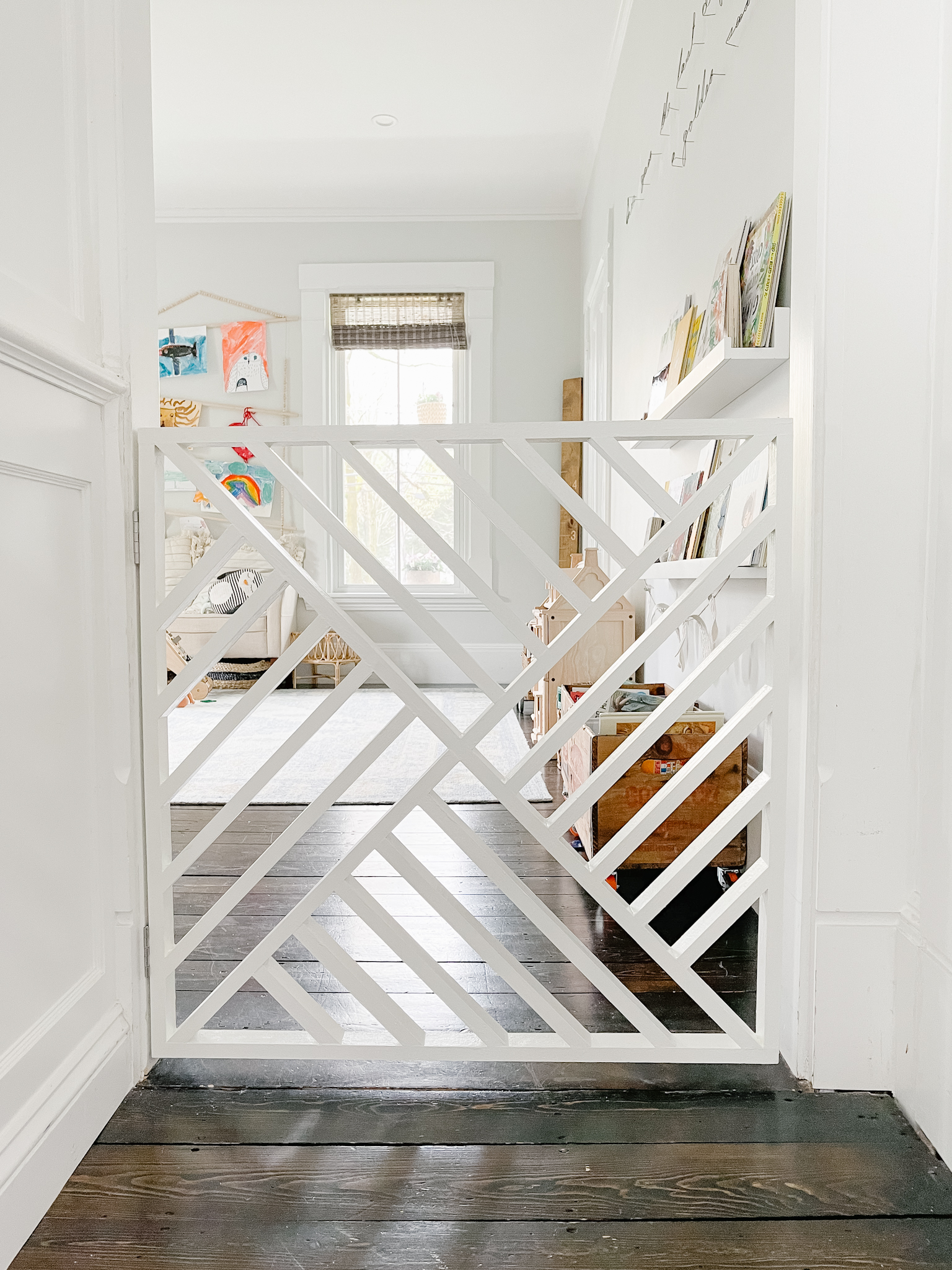
Choose hinges that can support the gate’s weight. Attach the hinges on one side of the frame. Use screws that match the hinge holes. Test the gate by opening and closing it smoothly. On the opposite side, fix the latch where it can lock easily. Pick a latch that your pet cannot open. Check that the latch secures tightly to keep the gate closed.
Credit: colourmix.kiwi
Installing The Gate On Stairs
Installing a pet gate on stairs needs care and attention. The gate must fit well and hold firmly. This keeps your pet safe from falls or accidents. Follow simple steps to make sure the gate stays strong and stable.
Mounting Brackets And Supports
Choose mounting brackets designed for stair gates. These brackets hold the gate tightly against the wall or banister. Use screws that fit the bracket and the stair material. Mark the spot for each bracket carefully. Drill small pilot holes before screwing in. This stops wood from splitting. Place brackets on both sides of the gate for balance. Check that brackets line up with the gate’s hinges or latch.
Ensuring Stability And Safety
Test the gate’s stability after installation. Push and pull gently to see if it moves. Tighten screws if the gate wobbles. Use extra supports if needed, like L-brackets or tension rods. Make sure the gate swings smoothly and locks firmly. Check there are no sharp edges or gaps. The gate should block pets fully without leaving space to squeeze through. Repeat these checks regularly to keep the gate safe over time.
Testing And Adjustments
After building your pet gate for stairs, testing and adjustments are crucial. This step ensures the gate works safely and smoothly. Taking time here prevents accidents and makes the gate reliable for daily use.
Checking Gate Operation
Open and close the gate several times. Watch for smooth movement without sticking or dragging. Check if the latch locks firmly every time. Make sure the gate stays in place when pushed gently. Test both sides to confirm easy access and secure closure.
Making Necessary Modifications
Adjust hinges or screws if the gate does not swing evenly. Tighten loose parts to avoid wobbling. Sand rough edges to prevent splinters. If the latch is hard to use, reposition it for easier reach. Small changes improve safety and comfort for your pet and family.
Maintenance Tips
Keeping your pet gate in good condition is important for safety and durability. Regular care helps the gate last longer and work properly. Follow simple maintenance tips to avoid problems and keep your pet safe.
Regular Inspection
Check the gate often for any loose parts or damage. Look at hinges, latches, and the frame carefully. Tighten screws and bolts if you find any that are loose. Watch for cracks or splinters in wooden gates. Spot issues early to fix them quickly.
Cleaning And Repairs
Clean the gate regularly to remove dust and dirt. Use a damp cloth and mild soap for wooden or metal surfaces. Avoid harsh chemicals that could harm the gate or your pet. Fix small damages like scratches or dents right away. Replace broken parts to keep the gate strong and safe.
Frequently Asked Questions
How Do I Measure Stairs For A Pet Gate?
Measure the width between the stair railings or walls. Note the height from the floor to the top of the stairs. Accurate measurements ensure a secure and well-fitting pet gate that effectively blocks your pet from stair access.
What Materials Are Best For Building A Pet Gate?
Use durable wood or metal materials for strength and safety. Choose smooth finishes to avoid splinters. These materials provide stability and last longer, making them ideal for stair pet gates.
How Can I Make A Pet Gate Safe For Stairs?
Securely fasten the gate to the wall or banister. Avoid sharp edges and gaps that may trap paws. Ensure the gate latch is childproof and pet-friendly to prevent accidental openings.
Can I Build A Pet Gate Without Drilling?
Yes, pressure-mounted gates use tension to stay in place. They are ideal for renters or temporary setups but may be less sturdy on stairs. Choose a gate with rubber pads to protect surfaces.
Conclusion
Building a pet gate for stairs keeps your pets safe and secure. You can use simple tools and materials found at home. Follow each step carefully to make a sturdy gate. This project saves money and fits your space perfectly.
Your pets will stay away from dangerous stair areas. Enjoy peace of mind knowing your pet is protected. Try this easy DIY project and see the benefits yourself. Safe stairs mean happy pets and happy owners. Give it a go today!