
Have you ever wondered how those tiny LED string lights create such a magical glow? Whether you use them to brighten up your room or add charm to your outdoor space, understanding how LED string lights work can help you choose the best ones and use them safely.
You’ll discover the simple science behind these lights and learn why they are so energy-efficient and long-lasting. Keep reading, and you’ll see how these little bulbs can transform your space while saving you money and effort.
Basics Of Led Technology
Understanding how LED string lights work starts with knowing the basics of LED technology. LEDs, or light-emitting diodes, are tiny devices that produce light in a very efficient way. They have changed how we light up our homes and outdoor spaces. This section explains what LEDs are, how they make light, and why they save energy.
What Is An Led?
An LED is a small electronic component that lights up when electricity passes through it. It is made from materials called semiconductors. Unlike traditional bulbs, LEDs do not have a filament that can burn out. They are very durable and last a long time. LEDs come in many shapes and colors. This makes them perfect for string lights and other decorations.
How Leds Emit Light
LEDs produce light through a process called electroluminescence. When electric current flows through the semiconductor, it releases energy in the form of light. This process creates very little heat compared to old bulbs. The light appears almost instantly when switched on. Because of this, LEDs work well for lights that turn on and off often.
Energy Efficiency Of Leds
LEDs use much less electricity than traditional bulbs. They convert most of the energy into light, not heat. This efficiency helps reduce electricity bills. LED string lights can stay on longer without using a lot of power. Their low energy use also makes them better for the environment. Using LEDs means less waste and fewer replacements over time.
Credit: www.energy.gov
Components Of Led String Lights
LED string lights have several key parts that make them work well. Each component plays a role in lighting up spaces efficiently and safely. Understanding these parts helps you choose the right lights for your needs.
Led Bulbs And Their Types
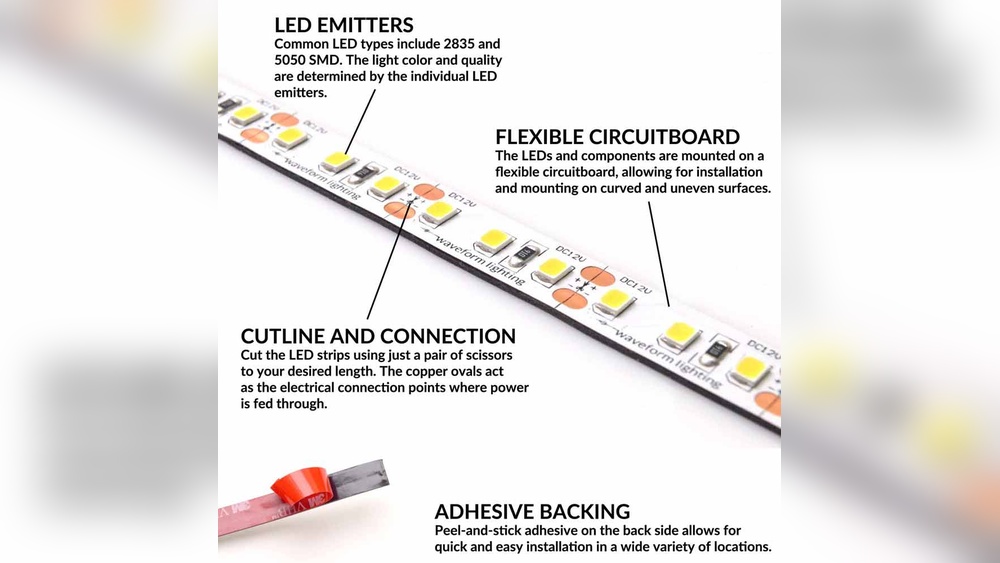
LED bulbs are the heart of string lights. They use light-emitting diodes to produce bright light with low power use. There are many types of LED bulbs. Some are small and round, perfect for delicate decorations. Others are larger and shaped like classic bulbs for a traditional look. Color options also vary, from warm white to vibrant colors. These bulbs last long and stay cool during use.
Wiring And Circuit Design
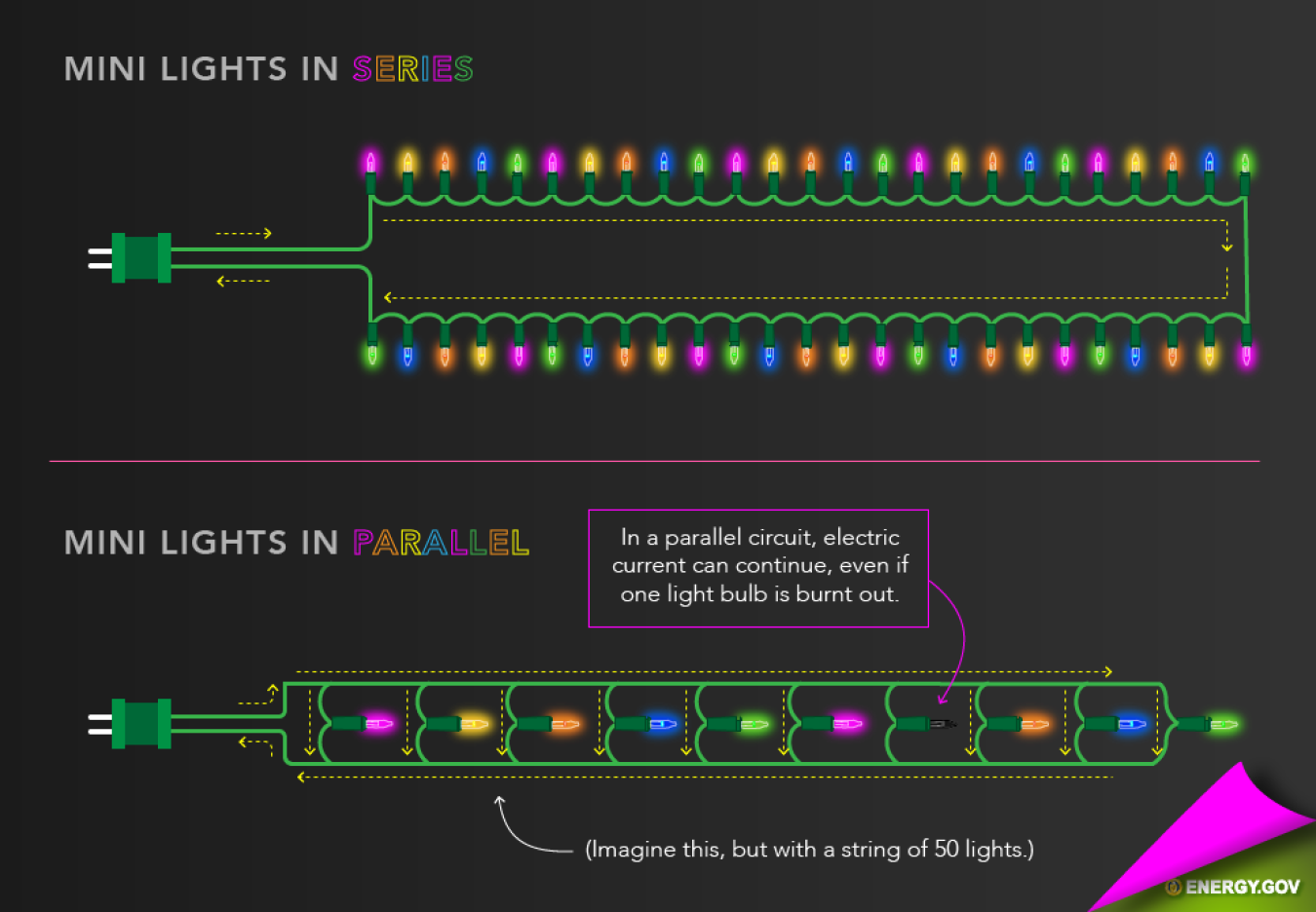
The wiring connects all LED bulbs in a string. It carries electricity safely from one bulb to another. Most LED string lights use parallel wiring. This design keeps all bulbs lit even if one burns out. The wires are thin but strong, often covered with plastic for protection. Inside, circuits control the flow of electricity to keep lights steady and avoid flickering.
Power Sources And Adapters
LED string lights need power to shine. They can run on batteries, USB plugs, or wall adapters. Battery-powered lights offer flexibility and can be placed anywhere. USB-powered lights are great for indoor use with computers or power banks. Wall adapters connect directly to electrical outlets for constant power. Some adapters also change voltage to protect the LEDs and extend their life.
How Led String Lights Operate
LED string lights are popular for decoration and lighting. They use tiny light bulbs called LEDs. These lights need a small amount of electricity to glow. Understanding how they work helps you choose and use them better.
LED string lights have a simple design. They connect many small LEDs on a wire. The electricity flows through the wire to light each bulb. The way these lights connect affects how they work and last.
Electrical Flow In The Circuit
Electricity flows through the string light circuit. It moves from the power source to each LED bulb. The wire carries this electric current to light the bulbs. LEDs use less power than regular bulbs.
The current makes the tiny LED inside each bulb glow. It creates light by passing through a semiconductor. This process uses very little energy and produces little heat.
Series Vs Parallel Connections
LED string lights use either series or parallel wiring. Series means all bulbs connect one after another. If one bulb breaks, the whole string may go out.
Parallel wiring connects each bulb directly to the power source. If one bulb fails, the others stay lit. Parallel circuits are more reliable but use more wire.
Control Mechanisms And Timers
Many LED string lights include controls. These controls let you turn lights on or off easily. Some have timers to set lighting times automatically.
Timers help save energy by turning lights off at set times. Some lights include remote controls for easy use. Control features make LED string lights more convenient.
Benefits Of Led String Lights
LED string lights offer many benefits that make them popular for decorating homes and events. They use less power and last longer than traditional lights. These features save money and reduce waste. LED string lights also come in many styles and colors. This allows for creative and flexible designs in any space.
Longevity And Durability
LED string lights last much longer than regular bulbs. They can work for tens of thousands of hours. These lights resist breaking easily because they are solid-state. This means they handle drops and bumps without damage. Long-lasting lights mean fewer replacements and less hassle.
Energy Savings
LED lights use very little electricity compared to old bulbs. They convert most energy into light, not heat. This lowers electric bills and saves power. Using less energy also helps the environment. It means less pollution from power plants. Energy savings make LED string lights cost-effective over time.
Design Flexibility
LED string lights come in many shapes, sizes, and colors. They can be very small or larger for different effects. Flexible wiring allows them to bend and twist easily. This helps fit lights in any space or shape. Color options let you create moods and themes. Design freedom makes LED string lights great for any style.
Choosing The Right Led String Lights
Choosing the right LED string lights can change the mood of any space. The perfect lights add charm and brightness. Several factors help pick the best fit for your needs. Focus on color, length, bulb count, and the place you plan to use them.
These points guide you to make a smart choice. Understanding each feature saves time and money. It also ensures the lights work well and last long.
Color Options And Effects
LED string lights come in many colors. Warm white creates a cozy feel. Cool white offers a clean, modern look. Multicolor lights bring fun and energy. Some lights have effects like flashing or fading. Choose colors that match your style and setting. Effects add excitement during parties or holidays.
Length And Bulb Density
Length matters for covering the right area. Short strings suit small spaces or tables. Longer strings work for walls and trees. Bulb density means how close bulbs are placed. More bulbs mean brighter and fuller light. Less density gives a softer, subtle glow. Pick length and density based on how bright you want the space.
Indoor Vs Outdoor Use
Indoor and outdoor lights are different. Outdoor lights must resist rain and wind. Look for waterproof or weatherproof labels. Indoor lights may not handle outdoor conditions. Using the wrong type can cause damage or hazards. Choose lights made for the place where you hang them. This keeps your lights safe and working well.

Credit: georgesworkshop.blogspot.com
Installation Tips
Installing LED string lights is simple with the right steps. Proper installation keeps the lights safe and bright. Follow these tips to get the best results and avoid common problems.
Safe Wiring Practices
Check the power source before plugging in the lights. Use a circuit that can handle the load. Avoid overloading electrical outlets. Keep wires away from water and sharp edges. Use outdoor-rated extension cords for outside setups. Make sure all connections are tight and secure. Turn off the power when installing or adjusting the lights.
Mounting And Positioning
Choose a stable surface to mount the lights. Use hooks or clips made for string lights. Space the lights evenly for a neat look. Avoid placing lights near flammable materials. Position lights out of reach from children and pets. Angle the lights to highlight your space well. Avoid tight bends to prevent wire damage.
Maintenance And Troubleshooting
Clean the lights gently with a soft cloth. Check for damaged bulbs and replace them quickly. Inspect wires for cuts or frays regularly. Test the lights before special occasions. Use a tester to find broken bulbs or sections. Store the lights properly when not in use. Keep the lights dry to prevent electrical issues.

Credit: electronics.stackexchange.com
Frequently Asked Questions
How Do Led String Lights Produce Light?
LED string lights use light-emitting diodes (LEDs) to produce light. Electric current passes through semiconductor material, causing it to emit photons. This process is energy-efficient and produces bright, long-lasting illumination.
Are Led String Lights Energy-efficient Compared To Bulbs?
Yes, LED string lights consume significantly less energy than traditional bulbs. They convert most electricity into light, reducing power waste and lowering electricity bills. This efficiency makes them eco-friendly and cost-effective for extended use.
Can Led String Lights Be Connected In Series Or Parallel?
Most LED string lights are wired in parallel. This setup ensures if one LED fails, others stay lit. Series wiring is less common as it can cause the entire string to go out if one LED breaks.
What Powers Led String Lights?
LED string lights are typically powered by low-voltage DC power sources, such as batteries or adapters. This low voltage enhances safety and energy efficiency, making them suitable for indoor and outdoor use.
Conclusion
LED string lights work by passing electricity through tiny diodes. These diodes emit light with low energy use. They last longer than traditional bulbs and stay cool to touch. You can use them for decoration indoors or outdoors. Understanding their simple design helps you choose the right lights.
Bright, efficient, and safe—LED string lights brighten any space easily. Now you know how they shine and why they save energy. Perfect for festive or everyday use.