
When was the last time you changed the battery in your smoke detector? If you’re not sure, you’re not alone.
Many people forget this simple but crucial task. Your smoke detector is your first line of defense in a fire emergency. A dead or weak battery can put you and your loved ones at serious risk. You’ll discover exactly how often you should change your smoke detector battery to keep your home safe and your mind at ease.
Don’t wait for the beep that signals danger—take action now to protect what matters most.

Credit: mammothsecurity.com
Importance Of Regular Battery Replacement
Smoke detector batteries should be replaced regularly to keep your home safe. Dead batteries mean no alarm during a fire. Changing them every six months ensures the device works properly.
Why Regular Battery Changes Matter
Smoke detectors save lives by alerting you to fire early. Their power comes from batteries. Old or dead batteries can stop alarms from working. Regular battery replacement ensures your smoke detector stays ready. It helps keep your home and family safe.
Preventing False Alarms And Failures
Weak batteries cause false alarms or silence. False alarms disrupt daily life and cause stress. A dead battery means no alarm during a fire. Changing batteries on time prevents these risks. It keeps the alarm reliable every day.
Extending Smoke Detector Life
Regular battery changes help smoke detectors last longer. Batteries that leak or corrode can damage the device. Fresh batteries reduce wear and tear on parts. This saves money by avoiding early replacements. It keeps your safety system working well.
Easy Maintenance Habit
Changing smoke detector batteries is quick and simple. Doing it twice a year fits into normal routines. It is a small task with big benefits. Regular checks help catch other issues early. This habit boosts safety without effort.
Credit: www.americanalarm.com
Recommended Battery Change Frequency
Knowing how often to change your smoke detector batteries is key for home safety. Batteries power the alarms that warn you of danger. Changing them regularly keeps the device working properly. Skipping battery changes can cause the alarm to fail silently. This section explains the recommended battery change frequency.
Standard Guidelines
Most experts say to change smoke detector batteries once a year. Choose a specific date to remember, like your birthday or a holiday. Some detectors beep when batteries run low. Still, do not rely only on the beep. Replace the batteries every 12 months to stay safe.
Factors Affecting Battery Life
Battery life can vary depending on the type of battery. Alkaline batteries usually last about one year. Lithium batteries can last up to ten years in some models. The detector’s usage also matters. Frequent testing and loud alarms drain batteries faster. Temperature and humidity can reduce battery life too. Check batteries more often in extreme conditions.
Types Of Batteries Used In Smoke Detectors
Smoke detectors need reliable batteries to keep your home safe. Different types of batteries work in smoke detectors. Each type has its own benefits. Knowing the battery types helps you choose the right one. This keeps your smoke detector working well for a long time.
Alkaline Batteries
Alkaline batteries are the most common choice. They are easy to find in stores. They usually last about one year in smoke detectors. These batteries cost less than other types. They work well for regular smoke detectors. Changing them every year keeps your detector ready.
Lithium Batteries
Lithium batteries last much longer than alkaline. They can power smoke detectors for up to 10 years. This means fewer battery changes. Lithium batteries are more expensive but save time. They work well in hard-to-reach places. Many new smoke detectors use lithium batteries.
Rechargeable Options
Rechargeable batteries reduce waste and save money. Some smoke detectors allow rechargeable battery use. These need to be recharged regularly to work well. They are eco-friendly and good for the environment. Make sure your smoke detector supports rechargeables before use. Proper charging keeps your smoke detector safe.
Signs Your Smoke Detector Needs A New Battery
Smoke detectors save lives by alerting you to fire dangers early. Their batteries need regular checks to keep the device working. Some signs clearly show when the battery runs low. Knowing these signs helps you act fast and stay safe.
Low Battery Chirping
A common sign is a soft, repeating chirp from the detector. This sound happens every minute or so. It warns the battery is weak and needs replacement. Ignoring this chirp can lead to the detector failing in an emergency.
Testing The Detector
Press the test button on your smoke detector monthly. A loud beep means the battery is good. If the sound is weak or missing, change the battery soon. Regular testing ensures the alarm works when you need it most.
Step-by-step Battery Replacement Process
Changing the smoke detector battery is simple and important. A working battery keeps your home safe. Follow this step-by-step battery replacement process to do it right.
Locate Your Smoke Detector
Find the smoke detector on your ceiling or wall. Most are in hallways or bedrooms. Make sure you have a stable ladder or chair to reach it.
Remove The Detector Cover
Hold the detector firmly and twist the cover counterclockwise. Some models have a small latch to press. Keep the cover safe while you work.
Take Out The Old Battery
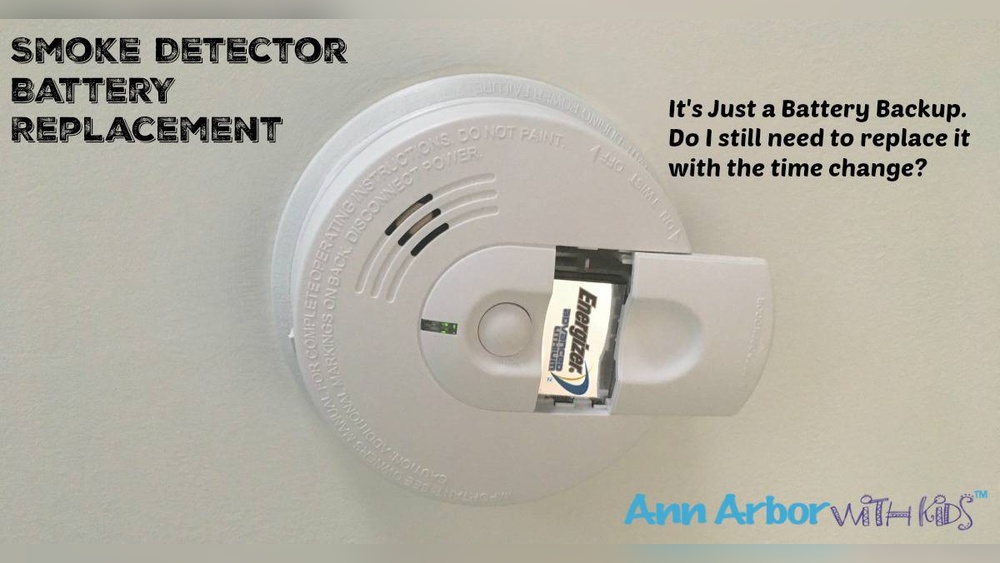
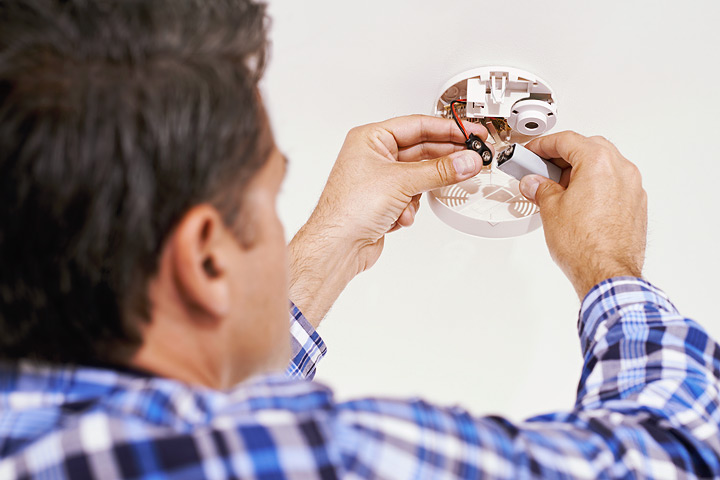
Look inside the detector. Gently pull out the old battery. Note the battery type and how it fits inside.
Insert The New Battery
Put in a new battery of the same type. Match the positive and negative ends correctly. Press it in firmly to ensure a good connection.
Test The Smoke Detector
Press the test button on the detector. It should beep loudly. If no sound, check the battery or try a new one.
Replace The Cover
Put the cover back on the detector. Twist it clockwise until it locks. Make sure it fits tightly and securely.
Set A Reminder For Next Change
Write down the battery change date. Set a reminder to replace batteries every 6 to 12 months. Regular checks keep your home safe.
Maintaining Your Smoke Detector For Optimal Performance
Maintaining your smoke detector is key to keeping your home safe. Regular care ensures it works when you need it most. Small steps make a big difference in performance. Follow these simple tips to keep your smoke detector in top shape.
Regular Testing
Test your smoke detector every month. Press the test button until the alarm sounds. This confirms the battery and sensor work well. If no sound, replace the battery or the unit immediately. Regular testing helps avoid false alarms and failures.
Cleaning Tips
Dust and dirt can block the sensor. Clean your smoke detector every six months. Use a soft brush or vacuum cleaner with a soft brush attachment. Avoid water or cleaning sprays. Clean detectors respond faster to smoke and fire.
Replacing The Detector
Smoke detectors do not last forever. Replace your unit every 10 years. Check the manufacture date on the back of the detector. Old detectors may fail even with new batteries. New detectors have better technology and improve home safety.
Common Mistakes To Avoid When Changing Batteries
Changing smoke detector batteries is simple but important. Many people make mistakes that can stop the detector from working. These errors can put your home at risk. Knowing what to avoid helps keep your family safe and your detector running well.
Using The Wrong Battery Type
Not all batteries fit every smoke detector. Using the wrong type can cause the device to fail. Always check the user manual for the correct battery size and type. Stick to recommended brands for best results.
Forgetting To Turn Off The Alarm
Changing batteries without silencing the alarm can be loud and shocking. Press the hush button or disconnect power if possible before starting. This keeps noise down and makes the job easier.
Not Cleaning The Detector Before Battery Change
Dust and dirt can block sensors inside the detector. Clean the device gently with a soft cloth before replacing batteries. This helps maintain proper function and extends the detector’s life.
Ignoring Battery Expiry Dates
Old batteries can fail quickly, even if they look fine. Check the date on the battery package before installing. Use fresh batteries to ensure long-lasting power.
Failing To Test The Smoke Detector After Battery Change
Changing the battery is not enough. Always press the test button to check if the alarm works. This confirms the device is ready to protect your home.
Additional Safety Tips For Smoke Detector Use
Changing smoke detector batteries regularly is crucial. Yet, there are more steps to keep your home safe. Following extra safety tips helps protect your family from fire risks. Proper use and setup of smoke detectors increase their effectiveness. Below are key tips to improve your smoke detector safety.
Placement Recommendations
Place smoke detectors on every floor of your home. Install one inside each bedroom and outside sleeping areas. Avoid placing detectors near windows, doors, or air vents. These spots can cause false alarms or miss smoke. Mount detectors on the ceiling or high on walls. Smoke rises, so higher placement helps early detection.
Interconnected Systems
Use interconnected smoke detectors for better safety. When one alarm sounds, all alarms in the house ring. This alerts everyone, even if they are far from the fire. Interconnected systems offer faster warnings and more time to escape. Wireless options are easy to install and connect without wiring.
Backup Power Solutions
Ensure smoke detectors work during power outages. Choose models with battery backup or install backup batteries. Regularly check and replace backup batteries as needed. A detector with backup power stays active even when electricity fails. This keeps your home protected all the time.
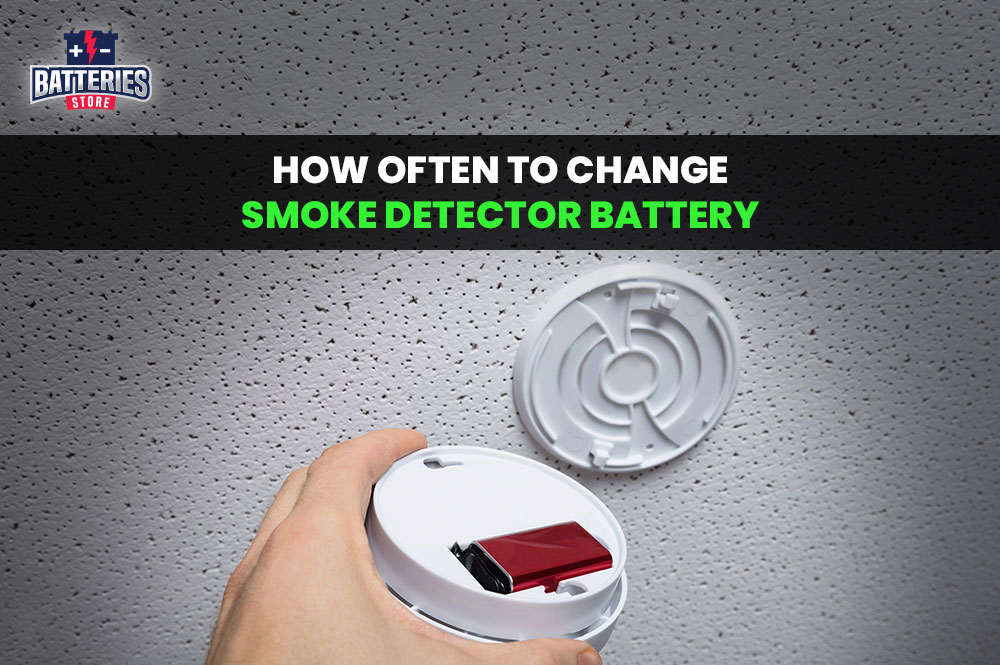
Credit: batteriesstore.ca
Frequently Asked Questions
How Often Should I Change Smoke Detector Batteries?
You should change smoke detector batteries at least once a year. Regular replacement ensures your detector works properly and keeps you safe.
Can I Use Any Battery For Smoke Detectors?
Use batteries recommended by the manufacturer, usually 9-volt or AA. Using the wrong battery can reduce detector performance and lifespan.
What Are Signs Of A Low Smoke Detector Battery?
A chirping sound every 30-60 seconds usually indicates a low battery. Replace batteries immediately to avoid false alarms or detector failure.
How Do I Safely Replace Smoke Detector Batteries?
Turn off the alarm before removing the old battery. Insert the new battery correctly, then test the alarm to confirm it works.
Conclusion
Changing smoke detector batteries every six months keeps your home safe. Test your alarms monthly to ensure they work well. Use the same type of battery recommended by the manufacturer. Don’t wait for the low battery beep to replace batteries.
Good habits protect your family and give peace of mind. Stay alert and keep your smoke detectors ready at all times. Safety starts with simple steps like regular battery changes. Stay safe, stay prepared.