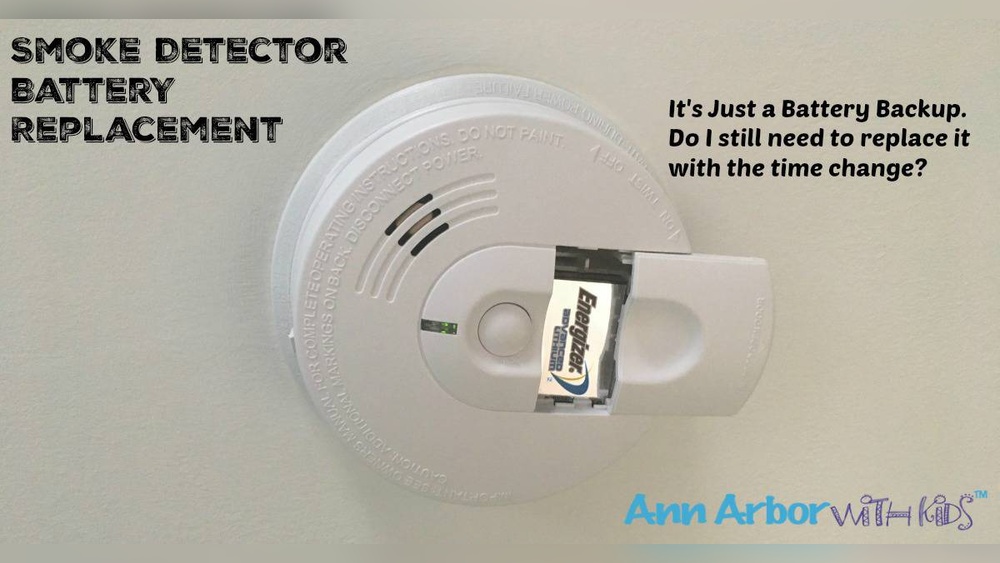

Your smoke detector is your first line of defense against fire, but how do you know when its battery needs changing? Ignoring this simple task could put your safety at risk without you even realizing it.
You might think it’s fine—until it’s too late. You’ll discover clear signs that tell you exactly when to replace your smoke detector’s battery. Keep reading to ensure your home stays safe and your peace of mind stays intact.
Importance Of Smoke Detector Batteries
Smoke detector batteries are vital for home safety. They power the device that alerts you to fire. Without working batteries, the smoke detector cannot warn you. This puts your family and property at risk.
Regularly checking and replacing batteries ensures the detector works properly. Many fires happen at night. A loud alarm can save lives by waking people up early. Good batteries keep the alarm loud and reliable.
Role In Fire Safety
Smoke detectors rely on batteries to function. They detect smoke and sound an alarm to alert you. Without power, the alarm won’t sound. This delay can cause serious harm.
Battery-powered smoke detectors work even during a power outage. This feature is crucial in emergencies. They provide constant protection and early warning.
Types Of Batteries Used
Most smoke detectors use 9-volt batteries or AA batteries. Some models use lithium batteries for longer life. Choose the battery type recommended by the manufacturer.
Regular alkaline batteries are common and affordable. Lithium batteries last longer and perform better in cold weather. Always replace batteries with fresh, quality ones for best results.
Common Signs Battery Needs Replacement
Knowing the signs that your smoke detector battery needs replacement is important. It helps keep your home safe and secure. Batteries don’t last forever, and your smoke detector will show clear signs when the battery runs low. Recognizing these signs lets you act quickly and avoid any risk of the alarm failing.
Low Battery Chirping
The most common sign is a soft chirping sound. It happens at regular intervals, usually every minute or so. This sound is a warning that the battery is weak. Ignoring the chirp can cause the alarm to stop working when you need it most. Change the battery as soon as you hear this noise.
Intermittent Alarms
Your smoke detector may sound the alarm randomly without any smoke. This can mean the battery is losing power. The alarm might stop and start on its own. This behavior is a clear sign that the battery is struggling. Replace the battery to keep your alarm reliable.
Dim Or No Indicator Light
Most smoke detectors have a small light to show they work. If this light is dim or off, it means the battery is low or dead. The light helps confirm the battery’s condition. Check the light regularly and change the battery if it fades or goes out.
How Often To Replace Batteries
Knowing how often to replace batteries in your smoke detector is key for safety. Batteries lose power over time. A dead battery means no warning in a fire. Regular replacement keeps your home safe and protected.
Manufacturer Recommendations
Check the smoke detector’s manual for battery replacement advice. Most makers suggest changing batteries once a year. Some newer models use long-life batteries lasting up to 10 years. Follow the instructions to keep your detector working well.
Seasonal Battery Changes
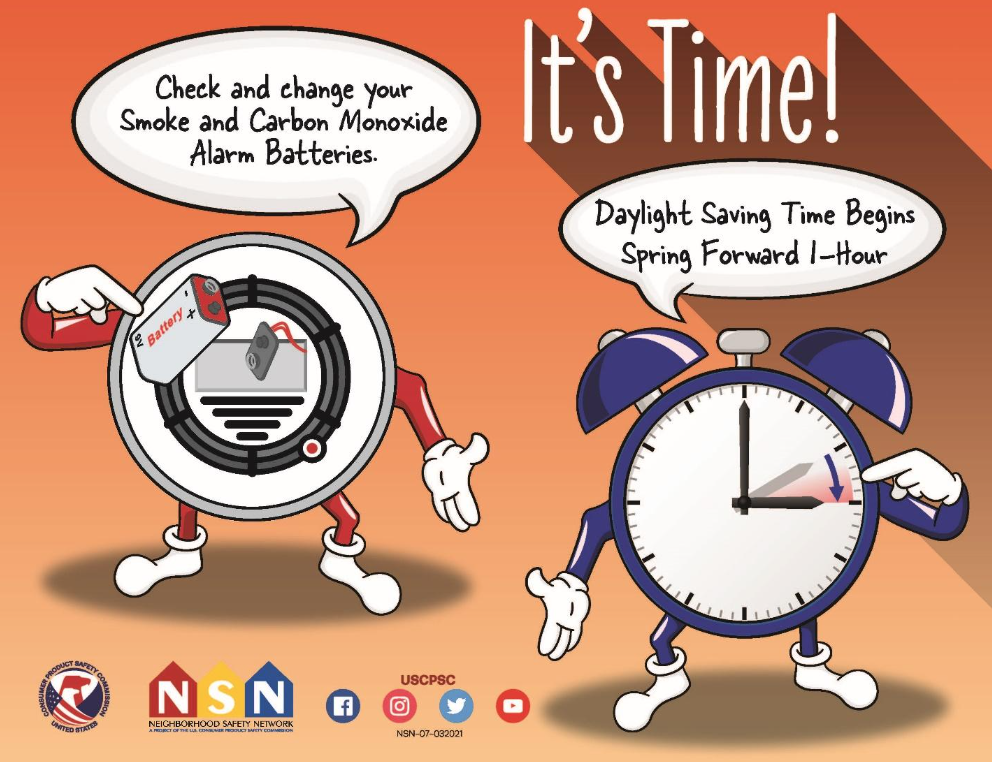
Change batteries twice a year to stay safe. Many people do this during daylight saving time changes. This habit helps you remember to replace batteries regularly. It keeps your smoke detector ready to alert you anytime.
Credit: support.firstalert.com
Testing Your Smoke Detector Battery
Testing your smoke detector battery is a simple but vital task. It ensures your alarm works correctly and keeps your home safe. Regular checks can catch weak batteries before they fail. Follow these easy methods to test your smoke detector battery at home.
Using The Test Button
Most smoke detectors have a test button on the front. Press and hold this button for a few seconds. A loud beep means the battery is good. No sound or a weak beep means the battery needs changing. Test your alarm once a month to stay safe.
Using A Battery Tester
A battery tester is a small device that measures battery power. Remove the battery from the smoke detector. Place the battery on the tester’s contacts. Read the tester’s display to see the battery level. Replace the battery if the tester shows low power. This tool helps you check batteries more accurately.
Tips For Battery Maintenance
Proper battery maintenance helps your smoke detector work well and last longer. It keeps you safe by making sure the alarm sounds when needed. Simple habits can stop battery problems before they start. Follow easy tips to keep your smoke detector ready.
Choosing The Right Battery
Pick batteries made for smoke detectors. Use lithium or alkaline types. Avoid rechargeable batteries as they may not last long. Check the battery size and power rating on the smoke detector. Buy fresh batteries from trusted brands. Replace batteries every year or as the alarm signals low power.
Safe Battery Disposal
Old batteries can harm the environment. Don’t throw them in regular trash. Take used batteries to a recycling center or a hazardous waste drop-off. Some stores accept old batteries for free. Store dead batteries in a safe place before disposal. Keep them away from children and pets.
Preventing Battery Corrosion
Corrosion can stop your smoke detector from working. Remove batteries if the detector won’t be used for a long time. Check batteries for leaks or rust often. Clean battery contacts with a dry cloth to remove dirt. Avoid mixing old and new batteries. This helps prevent damage and keeps power steady.
Credit: www.cpsc.gov
When To Replace The Entire Smoke Detector
Smoke detectors are vital for home safety, but they do not last forever. Knowing when to replace the entire smoke detector is as important as changing the battery. This ensures your home stays protected from fire risks.
Replacing the whole unit is necessary in some cases. It is not just about low battery signals or occasional beeps. Understanding the signs helps keep your family safe.
Detector Age Limits
Smoke detectors have a lifespan of about 8 to 10 years. After this period, sensors inside the device can wear out. This reduces their ability to detect smoke accurately. Check the date printed on the back of your detector. If it is older than 10 years, replace the entire unit. Old detectors may fail during an emergency.
Malfunction Despite Battery Change
Sometimes, smoke detectors beep or fail even with new batteries. This can mean internal parts are damaged or dirty. Test your detector regularly by pressing the test button. If it does not sound properly, it may need replacement. Continuous false alarms or no alarms at all are warning signs. Do not ignore these issues, as they reduce your safety.

Credit: www.belmontfd.com
Frequently Asked Questions
How Often Should I Change Smoke Detector Batteries?
Change smoke detector batteries at least once a year. Replace immediately if the low-battery warning chirps. Regular checks ensure your safety and detector functionality.
What Are Signs Battery In Smoke Detector Is Low?
A loud chirping sound every minute signals low battery. Dimming or no alarm sound can also indicate weak batteries. Replace batteries promptly to maintain protection.
Can Expired Batteries Affect Smoke Detector Performance?
Yes, expired batteries can cause detectors to fail or emit false alarms. Always use fresh, recommended batteries for reliable operation and safety.
How Do I Test If Smoke Detector Battery Is Working?
Press the test button on the detector. A loud beep confirms the battery works. No sound means replace the battery immediately.
Conclusion
Regularly checking your smoke detector’s battery keeps your home safe. A beeping sound means it’s time to replace the battery. Don’t wait for the alarm to stop working. Changing the battery every six months is a good rule. Always use the right battery type for your detector.
Test the alarm after each battery change to ensure it works. Staying alert helps protect your family from fire dangers. Simple steps make a big difference in safety. Keep your smoke detector ready at all times.