
If you love spending time outdoors, having a sturdy towel rack right outside can make a big difference. Imagine stepping out of the pool or shower and having your towels dry and within reach.
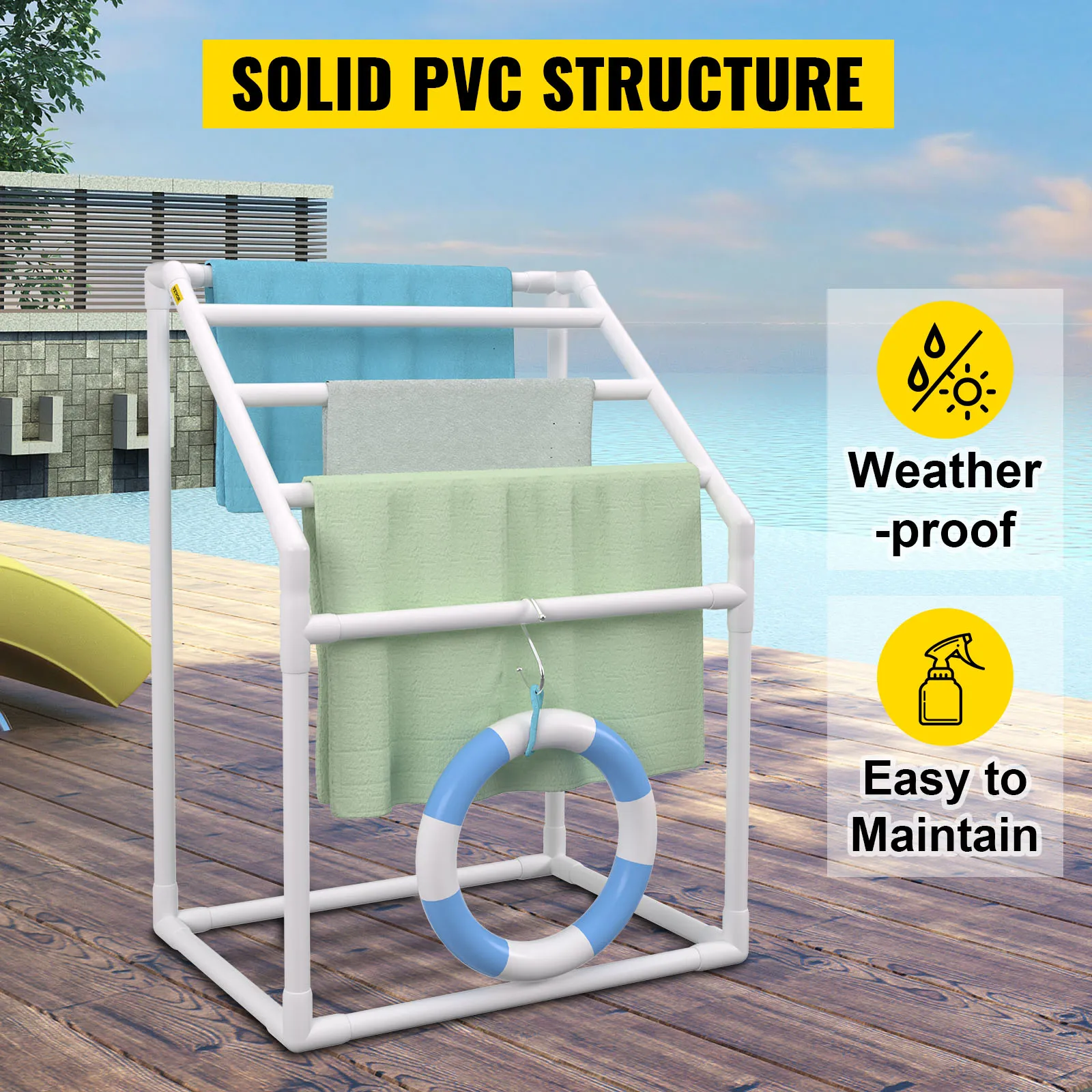
Building your own outdoor PVC towel rack is easier than you think—and it saves you money while adding a personal touch to your space. In this guide, you’ll discover simple steps to create a durable, weather-resistant rack that fits your needs perfectly.
Ready to get started? Let’s dive in and make your outdoor area more organized and stylish.

Credit: www.youtube.com
Materials Needed
Building an outdoor PVC towel rack needs specific materials. Picking the right parts helps create a strong and useful rack. This section covers all materials needed for the project.
Understanding the materials helps save time and money. It also makes the build easier and faster. Prepare everything before starting the work.
Choosing The Right Pvc Pipes
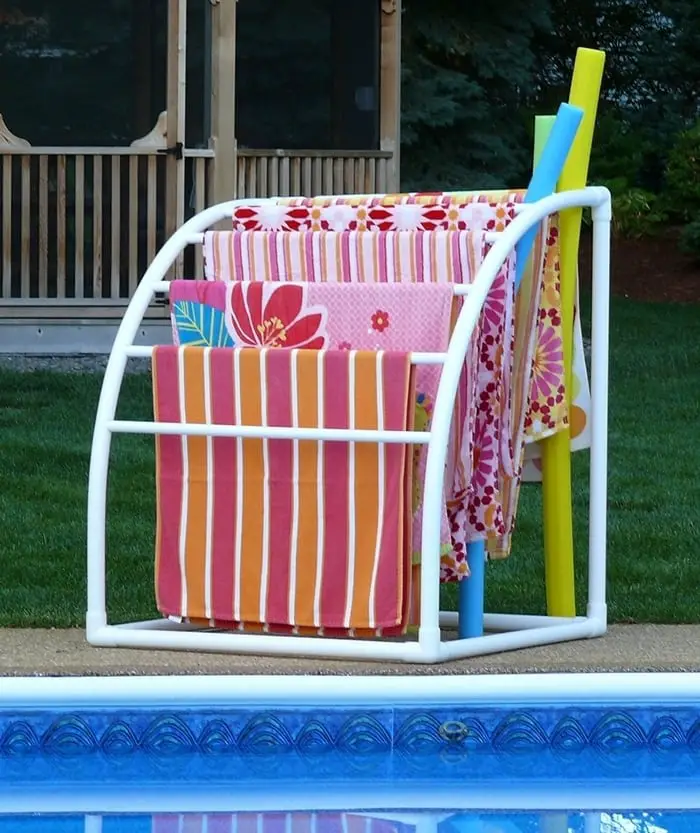
Select PVC pipes that are durable and weather-resistant. Schedule 40 PVC pipes work well for outdoor projects. Choose pipe diameter between 1/2 inch and 1 inch. Thicker pipes hold weight better and last longer.
Measure the length you need for the towel rack arms and base. Cut pipes into equal lengths for a neat look. White or light-colored PVC pipes reflect sunlight and stay cool.
Additional Supplies
Gather PVC connectors like elbows, tees, and crosses. These connectors join pipes securely and shape the rack. Use PVC cement to glue pipes and connectors firmly.
Sandpaper helps smooth pipe edges after cutting. A measuring tape and marker improve cutting accuracy. Optional: spray paint for a colorful finish.
Credit: www.pwmachineservices.com
Tools Required
Building an outdoor PVC towel rack requires a few basic tools. These tools help you cut and assemble the PVC pipes easily and safely. Having the right tools makes the project faster and more enjoyable. Below are the main tools needed for cutting and assembling your towel rack.
Cutting Tools
To cut PVC pipes, use a handsaw or a PVC pipe cutter. A handsaw works well for straight cuts. It is easy to handle and safe for beginners. A PVC pipe cutter gives cleaner cuts and saves time. Make sure the blade is sharp for smooth edges. Sandpaper or a file helps to smooth rough edges after cutting.
Assembly Tools
Assembly tools include a measuring tape and a marker. Measure the pipes carefully before cutting. Use the marker to mark the cutting points clearly. PVC cement or glue is needed to join the pipes firmly. A rubber mallet can help fit pipes tightly without damage. Clamps or weights keep parts steady while glue dries.
Design Planning
Design planning is the first step in building an outdoor PVC towel rack. It helps you organize ideas and materials. Good planning saves time and prevents mistakes.
Start by understanding the space and how you want the rack to look. Think about the number of towels it should hold and its location. A clear plan makes building easier and faster.
Measuring Space
Measure the area where you want to place the towel rack. Use a tape measure to get accurate length and width. Write down the measurements for reference.
Consider space for walking and towel hanging. Leave extra room for air circulation. Proper space helps towels dry faster and keeps the area neat.
Sketching The Layout
Draw a simple sketch of the towel rack layout. Include the frame, bars, and mounting points. Use your measurements to keep the sketch accurate.
Sketching helps you see the design and make changes easily. It also guides you when cutting and assembling PVC pipes. A clear layout reduces errors and saves materials.
Cutting Pvc Pipes
Cutting PVC pipes is an important step in building an outdoor towel rack. You need to cut the pipes to the right size for a strong and neat rack. Accurate cutting helps the parts fit well together. It also makes the towel rack look good and last longer.
Marking Measurements
First, measure the length of each pipe piece you need. Use a tape measure for accuracy. Mark the cutting points with a pencil or marker. Mark clearly so you see the lines while cutting. Double-check each measurement before cutting.
Safe Cutting Techniques
Use a fine-toothed saw or a PVC pipe cutter for clean cuts. Hold the pipe firmly on a flat surface. Cut slowly along the marked line. Keep your hands away from the blade. Wear safety glasses to protect your eyes from dust and chips. Smooth rough edges with sandpaper after cutting.
Assembling The Rack
Assembling the outdoor PVC towel rack is a simple process that anyone can do. This step brings together all parts to create a strong, useful rack. Follow clear steps to avoid mistakes and build a rack that lasts.
Joining Pipes And Fittings
Start by fitting the PVC pipes into the connectors. Push each pipe firmly into the fitting. Use PVC cement for a tighter hold. Apply the cement evenly on both pipe ends and fittings. Hold the pieces together for a few seconds. This ensures they stick well and do not come apart.
Work on one section at a time. Check all connections for a snug fit. Avoid gaps that may weaken the rack. Dry fit the parts before gluing. This helps confirm correct placement and length.
Ensuring Stability
Stability is key for a towel rack that stands well outside. Use a level to keep pipes straight during assembly. Add extra support by securing the rack to a wall or ground. Use brackets or screws for this purpose. Make sure the base is wide enough to prevent tipping.
Double-check all joints after assembly. Tighten any loose fittings. A stable rack holds towels securely without wobbling. This makes it safe and practical for daily use.
Mounting Options
Choosing the right mounting option for your outdoor PVC towel rack affects its use and durability. Some setups need strong support, while others offer more freedom in placement. Consider your space and needs before deciding.
Wall-mounted Setup
Wall-mounted racks save floor space. Attach the rack directly to a sturdy wall outside.
Use anchors or screws suitable for outdoor surfaces. They keep the rack secure during wind or rain.
This setup keeps towels off the ground and within easy reach. Ideal near pools or patios.
Freestanding Design
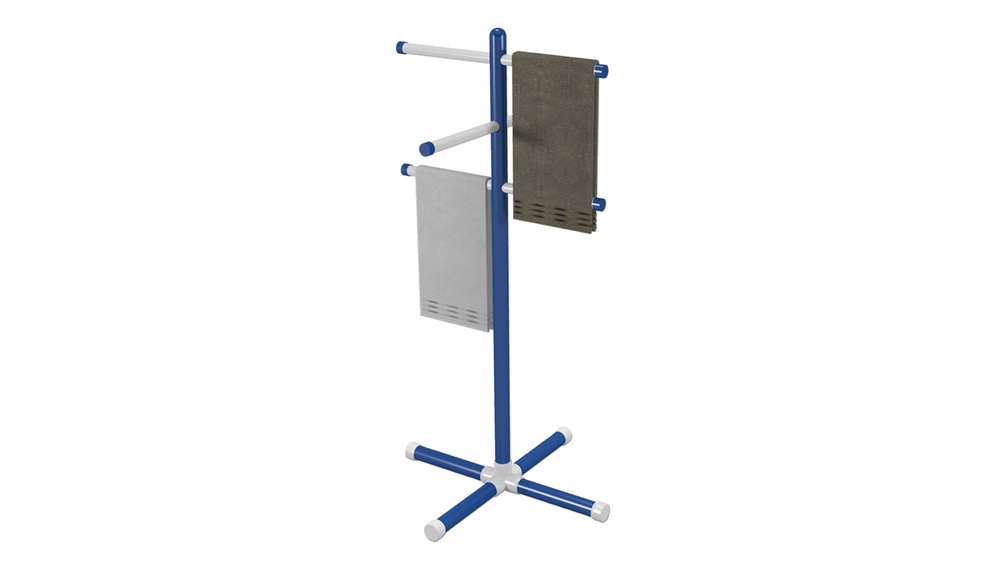
Freestanding racks do not need wall support. Place them anywhere on your patio or yard.
Build the base wide and stable to prevent tipping. Adding rubber feet improves grip on slippery surfaces.
This option is easy to move and store. Great for flexible outdoor setups or small spaces.
Finishing Touches
Finishing touches make your outdoor PVC towel rack safe and long-lasting. These final steps improve the look and protect it from weather. Focus on smoothing edges and adding paint or sealant. This helps your rack stay strong and attractive.
Sanding Rough Edges
Use fine-grit sandpaper to smooth all cut edges. This removes sharp spots that can cause injury. Sand gently until the surface feels smooth to touch. Pay close attention to corners and joints. Clean off dust with a dry cloth before moving on.
Painting And Sealing
Choose a paint designed for outdoor use and plastic surfaces. Paint evenly to cover all parts of the towel rack. Let the paint dry completely before applying a second coat. Add a clear sealant to protect against sun and rain. This step helps prevent cracks and fading. Allow the sealant to dry fully before use.
Credit: breezeresidency.com
Maintenance Tips
Maintaining your outdoor PVC towel rack keeps it strong and looking good. Simple care routines prevent damage and make it last longer. Follow these easy tips to keep your rack clean and weatherproof.
Cleaning The Rack
Use a soft cloth or sponge to wipe the rack regularly. Mild soap and water work well to remove dirt and grime. Avoid harsh chemicals that can damage the PVC surface. Rinse thoroughly with clean water to remove soap residue. Dry the rack with a towel to prevent water spots and mold growth. Clean at least once a month or more if needed.
Weatherproofing Advice
Apply a UV-resistant spray to protect the rack from sun damage. Check the spray instructions and reapply every few months. Cover the rack during heavy rain or snow to avoid water damage. Ensure proper drainage so water does not pool around the rack’s base. Store the rack indoors during extreme weather for extra protection. These steps keep the PVC strong and stop fading or cracking.
Frequently Asked Questions
What Materials Are Needed For An Outdoor Pvc Towel Rack?
You need PVC pipes, connectors, a saw, measuring tape, sandpaper, and PVC cement. Optional items include paint and hooks for added functionality.
How Do I Ensure The Towel Rack Is Sturdy Outdoors?
Use thick PVC pipes and secure all joints with PVC cement. Anchor the rack firmly into the ground or wall for extra stability.
Can I Customize The Size Of My Pvc Towel Rack?
Yes, PVC pipes can be cut to any length. Customize the height and width to fit your outdoor space and towel size.
Is Pvc Suitable For Outdoor Weather Conditions?
Yes, PVC is weather-resistant, lightweight, and durable. It withstands moisture, sunlight, and temperature changes, making it ideal for outdoor towel racks.
Conclusion
Building an outdoor PVC towel rack is simple and cost-effective. You only need basic tools and materials. This project helps keep towels dry and organized outside. It also saves space and adds convenience. You can customize the rack size to fit your needs.
Spend a little time building one. Enjoy having a handy spot for your towels after swimming or showering. Small projects like this make outdoor living more enjoyable. Give it a try and see the difference it makes.