
Your smoke detector is one of the most important safety devices in your home. But what happens when it starts beeping unexpectedly or stops working altogether?
Knowing how to troubleshoot smoke detectors can save you from unnecessary worry and keep your home safe. You will discover simple steps to identify and fix common smoke detector problems quickly. Keep reading to make sure your smoke detector is always ready to protect you and your loved ones.
Common Smoke Detector Issues
Smoke detectors are essential for home safety. They warn you early about fire risks. Sometimes, these devices face common problems that affect their function. Knowing these issues helps you fix them fast. It also keeps your home safe.
False Alarms
False alarms happen when the detector sounds without smoke. Dust or insects inside the unit can cause this. Cooking smoke or steam can also trigger false alarms. Clean the detector regularly to avoid this issue. Make sure it is away from kitchens and bathrooms.
No Sound During Tests
Sometimes, the smoke detector does not beep during tests. This problem may mean dead batteries. Check and replace the batteries if needed. The unit could be faulty or old, needing a replacement. Always test the detector monthly to ensure it works.
Intermittent Beeping
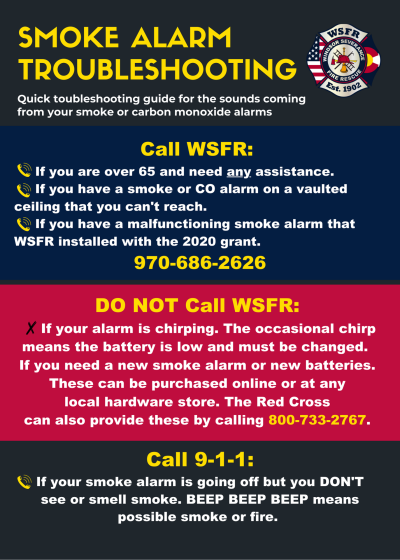
Intermittent beeping means the detector beeps at intervals. This usually signals low battery power. Replace the batteries immediately to stop the beeping. If the sound continues, the detector may have a wiring issue. Consult a professional if the problem persists.
Credit: www.wsfr.us
Battery Problems
Battery problems cause many smoke detector issues. A weak or dead battery can stop the alarm from working. It can also cause the detector to beep often. Knowing how to manage battery problems keeps your home safe. Check your smoke detector’s battery regularly to avoid risks.
Replacing Batteries Correctly
First, open the smoke detector’s cover carefully. Remove the old battery and dispose of it properly. Insert the new battery matching the correct polarity. Close the cover securely to ensure proper contact. Test the alarm by pressing the test button. Replace batteries once every year or when the alarm beeps.
Choosing The Right Battery Type
Use the battery type recommended by the smoke detector’s manufacturer. Most detectors use 9-volt or AA batteries. Avoid using cheap or old batteries to prevent failure. High-quality alkaline batteries last longer and perform better. Keep spare batteries at home for quick replacement.
Cleaning And Maintenance
Cleaning and maintenance keep smoke detectors working well. Dust and dirt block sensors and cause false alarms. Regular care helps your detector stay reliable and safe.
Removing Dust And Debris
Turn off the power to the smoke detector first. Use a soft brush or vacuum with a brush attachment. Gently remove dust and debris from the surface and vents. Avoid using water or cleaning sprays on the detector. Clean at least twice a year for best results.
Checking Sensor Condition
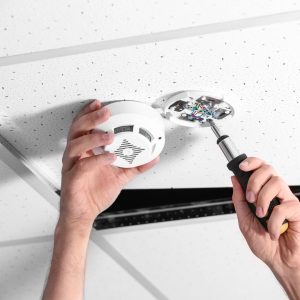
Open the smoke detector carefully to access the sensor. Look for any dirt, dust, or damage on the sensor inside. Use a clean, dry cloth or compressed air to clean the sensor. If the sensor looks damaged, replace the smoke detector. Regular sensor checks keep your alarm accurate and ready.
Resetting Your Smoke Detector
Resetting your smoke detector can fix many common problems. It helps clear errors and stops false alarms quickly. Knowing how to reset your device is important for safety and peace of mind.
Most smoke detectors have a simple reset process. It takes only a few minutes and needs no special tools. Follow the steps carefully to ensure your detector works properly again.
Manual Reset Steps
First, locate the reset button on your smoke detector. It is usually small and round. Press and hold this button for 15 to 20 seconds. You might hear a beep or see a flashing light.
If your model has a removable battery, take it out before pressing reset. Wait for a few seconds, then put the battery back in. This can help clear the detector’s memory.
After resetting, test the alarm by pressing the test button. It should sound loudly, confirming the reset worked. If not, try the steps again or check the user manual.
When To Reset
Reset your smoke detector after a false alarm stops. Smoke or steam from cooking often triggers false alarms. Resetting clears the detector so it can monitor air again.
Reset also after changing batteries or cleaning the unit. This ensures the detector restarts fresh without errors. Do not reset if the alarm signals a real fire. Always evacuate and call for help first.
Regular resets can keep your smoke detector in good shape. Make resetting part of your home safety routine. It helps your device stay ready for emergencies.
Wiring And Power Supply Checks
Checking the wiring and power supply is a key step in fixing smoke detectors. These devices need a steady power source to work right. Many smoke detectors are hardwired into your home’s electrical system. Others use batteries or both. Problems with wiring or power can cause false alarms or stop the detector from working.
This section helps you understand how to check the wiring and power supply safely. Simple steps can save time and keep your home safe.
Inspecting Hardwired Connections
Start by turning off the power at your circuit breaker. This stops any risk of electric shock. Remove the smoke detector from its mounting bracket. Look at the wires carefully. Check for loose connections or damaged wires. Tighten any loose wires with a screwdriver. If wires look burnt or frayed, call an electrician. Make sure the smoke detector’s connectors match the wires. Reattach the detector and turn the power back on. Test the smoke detector by pressing the test button. It should sound loudly.
Dealing With Power Outages
Power outages can stop hardwired smoke detectors from working. Most hardwired detectors have backup batteries. Check the backup battery regularly. Replace old or weak batteries. Keep spare batteries on hand. If your smoke detector does not have a backup battery, add one. Without backup power, your smoke detector is useless during outages. Test your smoke detector after restoring power. Ensure it works properly with both power sources.

Credit: www.youtube.com
Testing Your Smoke Detector
Testing your smoke detector is a key step to ensure it works properly. Regular tests help you stay safe. You can check if the alarm sounds loud and clear. It also helps find any issues early. Two common ways to test are using the test button and simulating smoke detection.
Using The Test Button
Most smoke detectors have a test button. Press and hold this button for a few seconds. The alarm should sound loudly. If it doesn’t, the battery might be dead or the unit may need replacement. Always test monthly to keep your detector ready. This method is quick and easy.
Simulating Smoke Detection
Simulating smoke detection means creating conditions that trigger the alarm. Use a smoke detector test spray for safe testing. Spray it near the detector following the instructions. The alarm should sound within seconds. This test checks the sensor’s ability to detect smoke. Avoid using real smoke or fire for safety reasons.
When To Replace Your Smoke Detector
Knowing when to replace your smoke detector is crucial for home safety. Over time, smoke detectors lose their ability to sense smoke properly. Old or damaged detectors may fail during a fire emergency. Regular checks help ensure your smoke detector works well. Below are key signs and guidelines to know when to replace it.
Signs Of Wear And Tear
Smoke detectors show signs of wear after years of use. Yellowing or discoloration on the detector’s surface means aging. Frequent false alarms or no alarms during tests indicate problems. Dust or dirt buildup inside can block sensors. Physical damage like cracks or broken parts also means replacement is needed.
Manufacturer’s Lifespan Recommendations
Most smoke detectors have a lifespan of 8 to 10 years. Manufacturers provide this information in the user manual or on the device label. After this period, sensors lose sensitivity and reliability. Replace the detector even if it looks fine or passes tests. Following manufacturer advice keeps your home safer from fire risks.
Credit: homesmiles.com
Safety Tips And Best Practices
Smoke detectors save lives by warning you about fire early. Knowing safety tips and best practices helps keep them working well. Proper care and setup lower false alarms and improve home safety.
Regular Maintenance Schedule
Test smoke detectors once a month. Press the test button until the alarm sounds loud. Replace batteries at least once a year. Clean detectors with a soft brush or vacuum to remove dust. Change the entire smoke detector every 10 years. Keep a maintenance calendar to track these tasks.
Proper Placement In Your Home
Install smoke detectors on every floor of your house. Put one inside each bedroom and outside sleeping areas. Mount detectors on the ceiling or high on walls. Avoid placing them near windows, fans, or kitchens. These spots cause false alarms or slow detection. Correct placement ensures fast alerts and safer homes.
Frequently Asked Questions
Why Is My Smoke Detector Beeping Intermittently?
Intermittent beeping usually indicates low battery power. Replace the battery immediately to stop the noise. If beeping continues, check for dust or dirt blocking the sensor. Clean the detector gently and test again to ensure proper function.
How Do I Reset A Smoke Detector After Testing?
To reset, press and hold the test button for 15-20 seconds. This clears any error or alarm state. If the detector doesn’t reset, replace the battery or consult the user manual for specific instructions.
What Causes False Alarms In Smoke Detectors?
False alarms can be triggered by steam, cooking fumes, or dust buildup. Place detectors away from kitchens and bathrooms. Regular cleaning and proper placement help reduce false alarms significantly.
How Often Should I Replace Smoke Detector Batteries?
Replace smoke detector batteries at least once a year. Some models recommend every six months. Regular replacement ensures reliable performance and prevents unexpected alarms due to low power.
Conclusion
Smoke detectors keep your home safe from fire risks. Regular checks help find common problems fast. Clean sensors and fresh batteries improve performance. Test alarms monthly to ensure they work well. Replace old units for better protection. Small steps make a big safety difference.
Stay alert and keep your family secure. Don’t ignore any warning signs from your smoke detector. Simple maintenance saves lives and prevents damage. Safety starts with a working smoke detector.