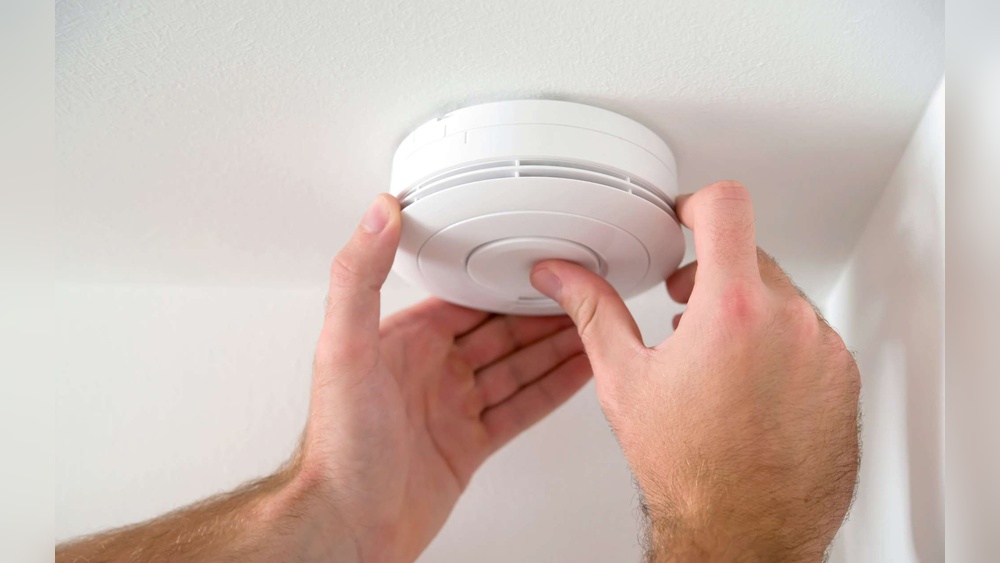

Have you ever been kept awake by that annoying beep from your smoke detector? You might wonder, how long will a smoke detector keep beeping without a battery?
That constant sound can be frustrating, but it’s also your device’s way of warning you. Understanding why it beeps and how long it will continue can save you stress and help keep your home safe. Keep reading, and you’ll learn exactly what to expect and what to do next when your smoke detector starts that persistent noise.

Credit: waynealarm.com
Smoke Detector Beeping Basics
Smoke detectors are important safety devices in every home. They warn you about fire or smoke early. Their beeping sound is a signal that something needs attention.
Understanding why smoke detectors beep helps you respond quickly. It also prevents unnecessary stress or confusion. Let’s explore the basics of smoke detector beeping.
Why Smoke Detectors Start Beeping
Smoke detectors beep to alert you to danger or maintenance needs. The most common reason is a low or dead battery. This beeping is a warning that the battery needs replacement soon.
Some detectors beep if they sense smoke or fire. This alarm is loud and continuous to get your attention immediately. Other times, beeping can mean a malfunction or a sensor issue inside the device.
Common Causes Of Beeping Sounds
Low battery is the top cause of smoke detector beeping. Most detectors beep every 30 to 60 seconds when batteries run low. The beeping usually continues for several hours or until the battery is replaced.
Dust or dirt inside the detector can also cause false alarms and beeping. Cleaning the device regularly helps prevent this problem. Sometimes, humidity or steam can trigger the sensor and cause beeping.
Battery Role In Smoke Detectors
Smoke detectors rely heavily on batteries to work properly. The battery powers the sensor inside the detector. This sensor senses smoke and triggers the alarm. Without a battery, the smoke detector cannot alert you to danger. The battery keeps the device active and ready to protect your home.
When the battery runs low or dies, the smoke detector starts to beep. This sound warns you to replace the battery. Knowing the types of batteries used and their life span helps you keep your home safe.
Types Of Batteries Used
Most smoke detectors use 9-volt batteries or AA batteries. Some models have built-in lithium batteries that last longer. Rechargeable batteries are less common in smoke detectors. Choose batteries recommended by the smoke detector manufacturer. Using the wrong battery can cause the device to fail.
Battery Life Expectancy
Battery life depends on the type and usage of the smoke detector. A typical 9-volt battery lasts about 6 to 12 months. Lithium batteries can last up to 10 years in sealed units. Alkaline batteries usually have a shorter life. Always check the battery regularly to avoid unexpected beeping.
Beeping Duration Without Battery
Smoke detectors are essential for safety. They warn you about smoke and fire. But what happens when the battery runs out? The detector starts to beep. This beeping warns you to change the battery soon. Understanding how long a smoke detector will beep without a battery helps you prepare.
How Long Smoke Detectors Can Beep
Smoke detectors can beep for different times without a battery. Some beep for a few hours. Others can beep for several days. The beeping usually starts as a short chirp. It repeats every minute or so. The sound continues until the battery is replaced or removed.
Factors Affecting Beep Duration
The beep duration depends on many things. The type of smoke detector matters. Some use backup batteries that last longer. The quality of the battery also affects the beep time. Older batteries may stop beeping sooner. Temperature and humidity can change how long the beep lasts. Dust or dirt inside the detector can cause longer beeping too.

Credit: inspiredhousewife.com
Silent Periods And False Alarms
Smoke detectors sometimes beep even without a battery. These sounds may come with silent periods that confuse many users. Understanding silent periods and false alarms helps you know when the device needs attention. It also prevents ignoring real danger signals.
Intermittent Beeping Explained
Intermittent beeping means the alarm sounds on and off. This can happen when the battery is low or missing. The smoke detector tries to warn you before it stops working. Beeps may last for a few seconds and then stop for minutes. This pattern repeats until the battery runs out or is replaced.
False alarms also cause intermittent beeping. Dust, insects, or steam can trigger the sensor. The device might beep even if there is no smoke or fire. Cleaning the detector often stops these false alarms and beeping.
When Beeping Stops Without Battery
Without a battery, the smoke detector will beep less over time. The device uses a small reserve power to send warning sounds. This power does not last long, usually a few minutes to an hour. After that, the smoke detector becomes silent until a new battery is installed.
Beeping stopping does not mean the detector is safe to ignore. It only means the device cannot alert you anymore. Always replace batteries immediately to keep your home safe. Silent smoke detectors are useless during an emergency.

Credit: www.wirechiefelectric.com
Frequently Asked Questions
How Long Does A Smoke Detector Beep Without A Battery?
A smoke detector typically beeps for 30 to 60 minutes after the battery dies. Some models may last longer, depending on the type and condition.
Why Does My Smoke Detector Beep Without A Battery?
The beep signals a low or dead battery. It alerts you to replace the battery promptly to ensure safety.
Can A Smoke Detector Work Without A Battery?
No, most smoke detectors need batteries to function. Without power, they cannot detect smoke or sound alarms.
How To Stop A Smoke Detector Beeping Without A Battery?
Replace the dead battery immediately. If beeping continues, reset the detector or check for dust and debris.
Conclusion
Smoke detectors beep for a short time without batteries. Usually, the sound lasts a few minutes to an hour. This noise warns you to replace the battery soon. Don’t ignore the beep—it protects your home and family. Always keep fresh batteries ready to avoid this problem.
Test your smoke detector regularly to ensure it works well. Safety starts with small actions like changing batteries on time. Stay safe and keep your smoke detector running smoothly.