
How many smoke detectors should you have in your house? It’s a question that could save your life.
Smoke detectors are your first line of defense against fire, giving you precious seconds to escape. But having too few means you might miss a warning when it matters most. Too many, and you could face constant false alarms that make you ignore the real danger.
You’ll discover the exact number of smoke detectors your home needs to keep you and your loved ones safe—without any guesswork. Keep reading to protect what matters most.
Credit: www.stamfordfire.com
Smoke Detector Basics
Smoke detectors save lives. They warn you early about fire and smoke in your home. Knowing the basics helps you choose the right smoke detectors and place them well. This knowledge keeps your family safe.
Types Of Smoke Detectors
There are two main types of smoke detectors: ionization and photoelectric. Ionization detectors react quickly to fast flames. Photoelectric detectors sense slow, smoldering fires better. Many homes use both types for full protection. Some detectors combine both technologies.
How Smoke Detectors Work
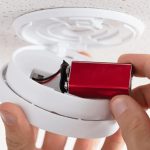
Ionization detectors use a small amount of radioactive material. It senses smoke by detecting changes in electrical current. Photoelectric detectors use a light beam inside. Smoke blocks the beam, triggering the alarm. Both types alert you with a loud sound. Battery-powered or hardwired options are available. Regular testing and battery changes keep them working well.
Recommended Number Of Detectors
Knowing the right number of smoke detectors in your house is very important. Smoke detectors save lives by alerting you early to fire dangers. The correct number depends on the size and layout of your home. Too few detectors can leave areas unprotected. Too many might cause false alarms and confusion. Following clear guidelines helps keep your home safer.
Guidelines By Room
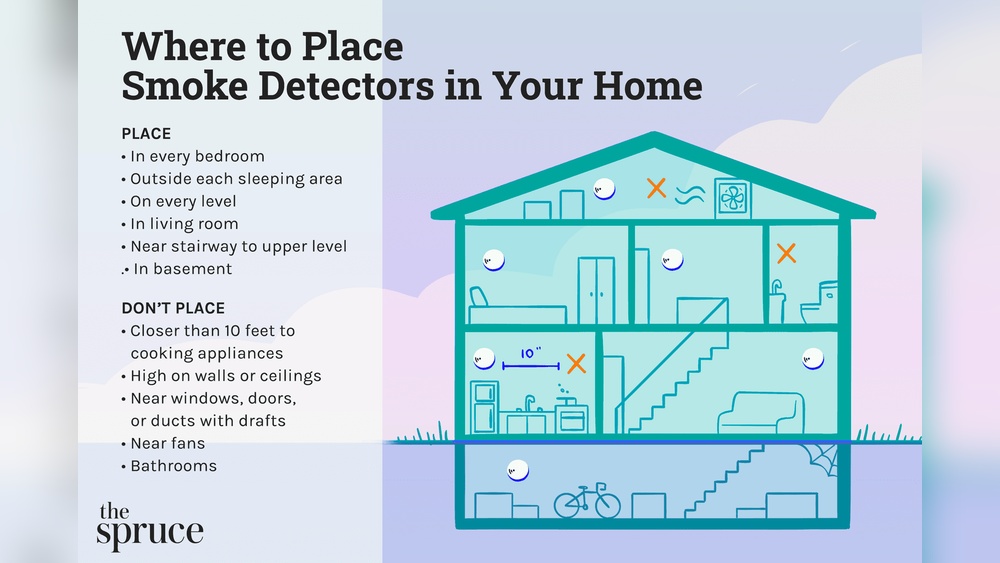
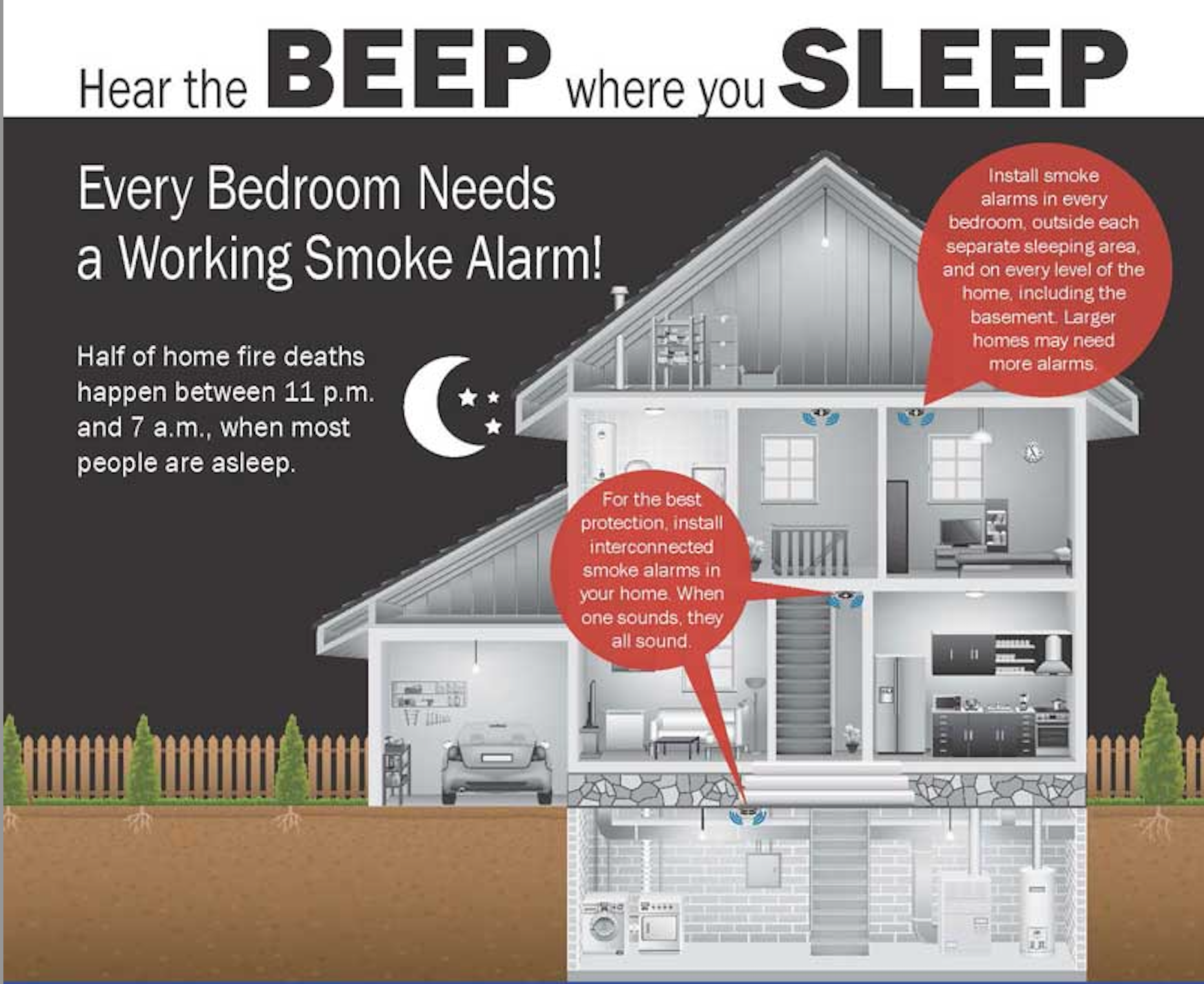
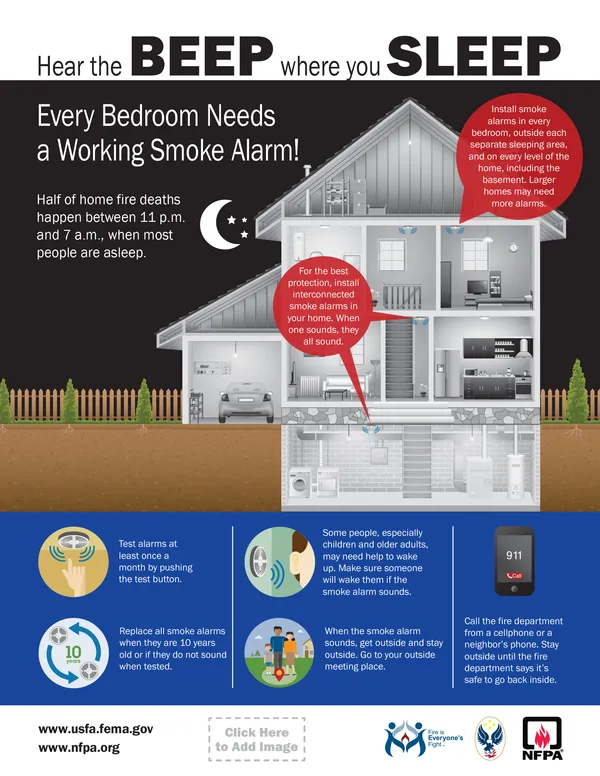
Place a smoke detector in every bedroom. Also, install one outside each sleeping area. Put detectors on every floor of the house, including basements and attics. Kitchens need special care—use a detector with a hush feature to avoid false alarms. Avoid placing detectors too close to windows or vents. This ensures smoke reaches them fast during a fire.
Square Footage Considerations
For every 1,000 square feet, plan to have at least one smoke detector. Large rooms over 1,000 square feet may need more than one detector. Spread detectors evenly throughout the space for full coverage. Small homes under 1,000 square feet still need detectors on each floor and near bedrooms. The total number should cover all rooms and hallways for best protection.
Placement Tips
Proper placement of smoke detectors is vital for home safety. Correct positioning ensures early fire detection. This saves lives and reduces property damage. Knowing where to install smoke alarms helps keep your family safe. Follow these tips for best results.
Ideal Locations
Install smoke detectors inside every bedroom. Place one outside each sleeping area too. Put alarms on every level of the house. This includes the basement and attic if used. Mount smoke detectors high on walls or ceilings. Smoke rises, so higher placement works best. Keep detectors at least 10 feet from cooking appliances.
Areas To Avoid
Avoid placing smoke detectors in kitchens. Steam and cooking fumes cause false alarms. Do not install near bathrooms for the same reason. Stay away from windows and vents. Drafts can stop smoke from reaching detectors. Avoid placing alarms in garages or dusty areas. Dust and exhaust may affect their function.

Credit: www.nfpa.org
Maintenance And Testing
Maintaining and testing smoke detectors is vital for home safety. Proper care ensures detectors work when needed. Regular attention keeps your family safe from fire risks.
Regular Testing
Test your smoke detectors every month. Press the test button until you hear the alarm. This confirms the device is working properly. Never skip this simple step.
Battery Replacement
Change batteries at least once a year. Some detectors use long-life batteries that last up to 10 years. Always replace batteries if the alarm chirps or beeps. Dead batteries make detectors useless.
When To Replace Detectors
Smoke detectors do not last forever. Replace them every 10 years or as the manufacturer says. Old detectors may not detect smoke well. Keep your safety gear updated for best protection.
Additional Safety Devices
Smoke detectors save lives by alerting you to fire. But other devices protect against different dangers. Adding these safety tools boosts your home’s defense. They help keep your family safer every day.
Carbon Monoxide Detectors
Carbon monoxide is a silent, deadly gas. It has no color, smell, or taste. This makes it very dangerous inside homes. Carbon monoxide detectors sense this gas early. They warn you before it reaches harmful levels. Install these devices near bedrooms and fuel-burning appliances. Regular checks keep them working well. These detectors are a must for every house.
Combination Alarms
Combination alarms detect smoke and carbon monoxide. They combine two safety devices in one unit. This saves space and simplifies installation. You get alerts for both fire and gas leaks. Place them in key areas like hallways or living rooms. Combination alarms offer broad protection with less hassle. They are a smart choice for modern homes.
Credit: www.usfa.fema.gov
Local Codes And Regulations
Local codes and regulations play a big role in deciding how many smoke detectors your house needs. These rules help keep your home safe from fire risks. They also guide where and how to place smoke alarms. Knowing these rules helps avoid fines and ensures safety for everyone living in your home.
Building Codes
Building codes set the minimum requirements for smoke detectors. They vary by state and city. Most codes require smoke alarms in bedrooms, hallways, and living areas. Some places also require detectors on every floor. Newer homes often need hardwired smoke detectors with battery backup. Older homes may allow battery-operated alarms. Following these codes helps protect your family and property from fire damage.
Insurance Requirements
Insurance companies often require smoke detectors in your home. They may ask for proof before approving your policy. Some insurers give discounts if your home has enough alarms. They may require detectors in certain rooms or areas. Checking your insurance rules can save money and improve safety. Installing the right number of smoke detectors meets these requirements and helps with claims if a fire occurs.
Frequently Asked Questions
How Many Smoke Detectors Are Recommended Per House?
Most experts recommend installing at least one smoke detector on every floor. Additionally, place detectors inside and outside sleeping areas for optimal safety.
Where Should Smoke Detectors Be Installed In A Home?
Install smoke detectors inside bedrooms, outside sleeping areas, and on every floor. Avoid placing them near kitchens or bathrooms to reduce false alarms.
Can Fewer Smoke Detectors Compromise Home Safety?
Yes, having fewer detectors reduces early fire detection chances. Proper placement ensures faster alerts and increases your family’s safety during emergencies.
How Often Should Smoke Detectors Be Replaced?
Smoke detectors should be replaced every 10 years. Regular testing and battery changes help maintain their effectiveness and ensure they function properly.
Conclusion
Every home needs enough smoke detectors to stay safe. Place one in each bedroom and outside sleeping areas. Also, install detectors on every floor, including the basement. Check them monthly to ensure they work well. Change batteries yearly or when the alarm beeps.
Smoke detectors save lives by giving early warnings. Don’t wait until it’s too late. Protect your family and home with the right number of smoke detectors. Safety starts with simple steps like these.