
When it comes to protecting your commercial space, knowing how many smoke detectors you need per square foot is crucial. You might think one or two alarms are enough, but the right number can make a big difference in keeping your building and everyone inside safe.
If you’re unsure about the exact requirements or want to avoid costly mistakes, this guide is for you. Read on to discover the clear, easy-to-follow rules that will help you place smoke detectors exactly where they belong—so you can protect your business without guesswork.
Credit: forbel.com
Smoke Detector Basics
Smoke detectors play a vital role in commercial safety. They alert people early during a fire. Understanding their basics helps in choosing the right number and type for your space. Proper placement and functioning save lives and reduce damage.
Types Of Smoke Detectors
Two main types exist: ionization and photoelectric smoke detectors.
Ionization detectors sense tiny smoke particles from fast flames. They react quickly to flaming fires.
Photoelectric detectors detect larger smoke particles from smoldering fires. They work well with slow-burning fires.
Some detectors combine both types for better coverage. Choosing the right type depends on the area and fire risk.
How Smoke Detectors Work
Smoke detectors sense smoke particles in the air. They use sensors to detect changes caused by smoke.
Ionization detectors contain a small amount of radioactive material. It helps detect smoke by measuring ion flow changes.
Photoelectric detectors use a light beam inside. Smoke blocks or scatters the light, triggering the alarm.
Both types send a loud sound to warn occupants. Regular testing ensures they work correctly and respond quickly.
Commercial Space Requirements
Commercial spaces need proper smoke detector placement for safety. The number of smoke detectors depends on the size and layout of the area. Regulations help guide how many detectors are needed per square foot. These rules protect people and property from fire hazards.
Fire Codes And Regulations
Fire codes set the minimum requirements for smoke detectors in commercial buildings. These codes are created by safety organizations and local authorities. They specify the distance between detectors and the total coverage area. Following these codes ensures early fire detection and quick response.
Regular inspections and maintenance keep smoke detectors working properly. Ignoring fire codes can lead to fines and increased risk. Compliance is essential for building safety and legal protection.
Common Standards By Region
Different regions have unique standards for smoke detector placement. The National Fire Protection Association (NFPA) provides guidelines widely used in the United States. It suggests one smoke detector per 1,000 square feet as a general rule.
In Europe, the standards vary by country but often follow similar principles. Some places require detectors in every room, while others focus on hallways and common areas. Checking local rules is important to meet all safety requirements.
Calculating Smoke Detector Coverage
Calculating smoke detector coverage is crucial for safety in commercial buildings. Proper coverage ensures early fire detection and saves lives. Knowing how many smoke detectors you need depends on the building’s size and layout. This section explains how to calculate coverage effectively.
Understanding the right number of detectors helps meet safety codes. It also prevents blind spots where smoke could go unnoticed. Let’s look at guidelines and placement strategies to keep your building safe.
Square Footage Guidelines
Smoke detectors cover a specific area, usually about 1,000 square feet. Larger rooms may need more than one detector to ensure full coverage. Divide the total square footage by the coverage area to find the number of detectors needed.
Some areas require extra detectors due to hazards or layout. High ceilings or obstacles can reduce detector effectiveness. Always follow local fire codes for exact spacing and coverage rules.
Placement Strategies
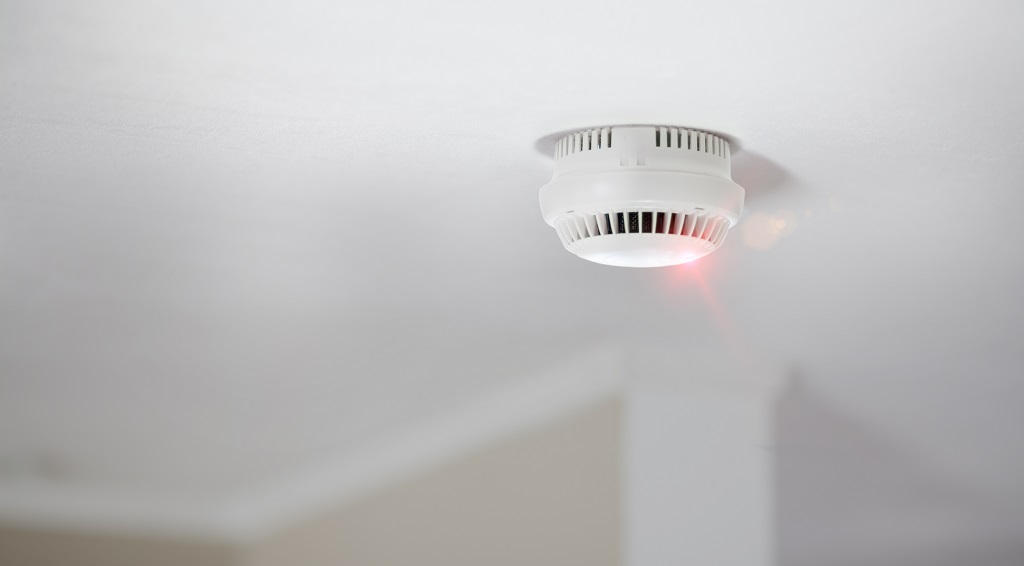
Place detectors on ceilings or high on walls where smoke rises first. Avoid areas near vents or windows where airflow may affect detection. Position detectors evenly to cover all parts of a room.
Do not place detectors too close to each other. Leave space to prevent false alarms and ensure better coverage. Hallways, stairwells, and large open spaces need careful planning for optimal placement.

Credit: getsafeandsound.com
Factors Affecting Detector Quantity
Determining the number of smoke detectors in a commercial space depends on several key factors. These factors influence how many detectors are needed to ensure safety and meet code requirements. Understanding these helps in planning effective fire detection systems.
Ceiling Height And Layout
Tall ceilings require more smoke detectors. Smoke takes longer to reach detectors on high ceilings. Large open areas may need extra units for full coverage. Complex layouts with many rooms also increase detector needs. Proper spacing ensures early smoke detection everywhere.
Hazardous Areas
Areas with high fire risk need more detectors. Kitchens, boiler rooms, and storage spaces are examples. These places may produce smoke or heat quickly. Installing detectors nearby helps detect fire early. Safety codes often demand extra protection in these zones.
Occupancy Type
The type of occupants affects detector quantity. Offices, retail stores, and factories have different risks. Places with many people need more detectors for safety. Buildings housing vulnerable people, like hospitals, require additional units. Detector placement must match the specific use of the space.
Installation Best Practices
Proper installation of smoke detectors is critical for commercial safety. Following best practices ensures the system works well and meets regulations. Each step matters from wiring to regular checks. This section covers key points for effective installation.
Wiring And Power Sources
Use dedicated circuits for smoke detectors to avoid power issues. Hardwired systems with battery backup offer reliable protection. Connect detectors in a series to enable alarm communication. Ensure wiring follows local electrical codes and standards. Keep cables away from heat or water sources to prevent damage.
Testing And Maintenance
Test smoke detectors monthly to confirm they work properly. Use the test button on each unit for checks. Replace batteries at least once a year or as needed. Clean detectors regularly to remove dust and dirt. Schedule professional inspections to maintain system integrity and compliance.
Common Mistakes To Avoid
Installing smoke detectors in commercial spaces is crucial for safety. Many make mistakes that reduce effectiveness. Understanding common errors helps avoid costly problems. This section highlights key mistakes to watch for.
Overcrowding Detectors
Too many smoke detectors in one area can cause false alarms. Overcrowding confuses the system and wastes resources. Each detector should cover a specific area. Proper spacing ensures accurate detection and fewer false alerts.
Ignoring Local Codes
Local fire codes set rules for smoke detector placement. Ignoring these can lead to fines and unsafe conditions. Always check local regulations before installation. Following codes keeps your building safe and compliant.
Upgrading And Integrating Systems
Upgrading and integrating smoke detector systems improves safety in commercial buildings. Modern systems offer better detection and faster alerts. They help protect people and property efficiently. Businesses must consider these upgrades during renovations or expansions.
Smart Detectors
Smart smoke detectors use advanced technology to detect smoke and fire. They connect to Wi-Fi and send alerts to phones or monitoring centers. These detectors can identify different types of fires and reduce false alarms. They also provide regular status updates to ensure they work properly. Smart detectors improve safety with quick, accurate responses.
Integration With Fire Alarm Systems
Integrating smoke detectors with fire alarm systems creates a complete safety network. This connection allows alarms to trigger sprinklers and emergency lights automatically. It also sends signals to fire departments instantly. Integration ensures all parts work together for faster response times. This system coordination helps reduce damage and save lives during a fire.

Credit: getsafeandsound.com
Frequently Asked Questions
How Many Smoke Detectors Per Square Foot Are Required?
Commercial buildings typically require one smoke detector per 1,000 to 1,500 square feet. Exact spacing depends on local fire codes and the building’s layout. Always consult local regulations to ensure compliance and optimal safety.
What Codes Regulate Smoke Detector Placement In Commercial Spaces?
Smoke detector placement in commercial buildings is regulated by NFPA 72 and local fire safety codes. These standards specify spacing, height, and location requirements to ensure effective detection and early fire warning.
Can Smoke Detector Spacing Vary By Commercial Building Type?
Yes, smoke detector spacing varies by building use, ceiling height, and occupancy. For example, warehouses need wider spacing than offices. Always follow specific guidelines for each building type to maximize safety.
How Often Should Commercial Smoke Detectors Be Inspected?
Commercial smoke detectors should be inspected at least annually. Regular checks ensure they function correctly and comply with safety codes. Many businesses also perform monthly visual inspections for added safety.
Conclusion
Proper smoke detector placement keeps everyone safer. Follow local rules for the number needed. Usually, one detector covers about 1,500 square feet. Larger spaces need more detectors to cover all areas. Test detectors often to ensure they work well. Replace batteries regularly to avoid false alarms.
Remember, safety depends on correct and enough detectors. Protect your business by installing the right amount. This small step can save lives and property. Stay safe, stay prepared.