
Have you ever wondered how your smoke detector knows when there’s smoke in the air? Understanding how a photoelectric smoke detector works can give you peace of mind about your safety at home.
These devices are designed to spot smoke early, giving you precious time to act. You’ll discover the simple but clever way these detectors keep you and your loved ones safe every day. Keep reading to learn how this small device plays a big role in protecting your home.
Photoelectric Smoke Detector Basics
Photoelectric smoke detectors are a common safety device in homes and buildings. They help alert people to smoke early, giving time to escape. Understanding their basics makes it clear how they protect lives.
Core Components
These detectors have a few main parts. A light source, usually an LED, shines inside a sensing chamber. A light sensor sits at an angle to the LED. A small fan or vents allow smoke to enter the chamber. The detector also has a buzzer or alarm to warn about smoke.
How It Detects Smoke
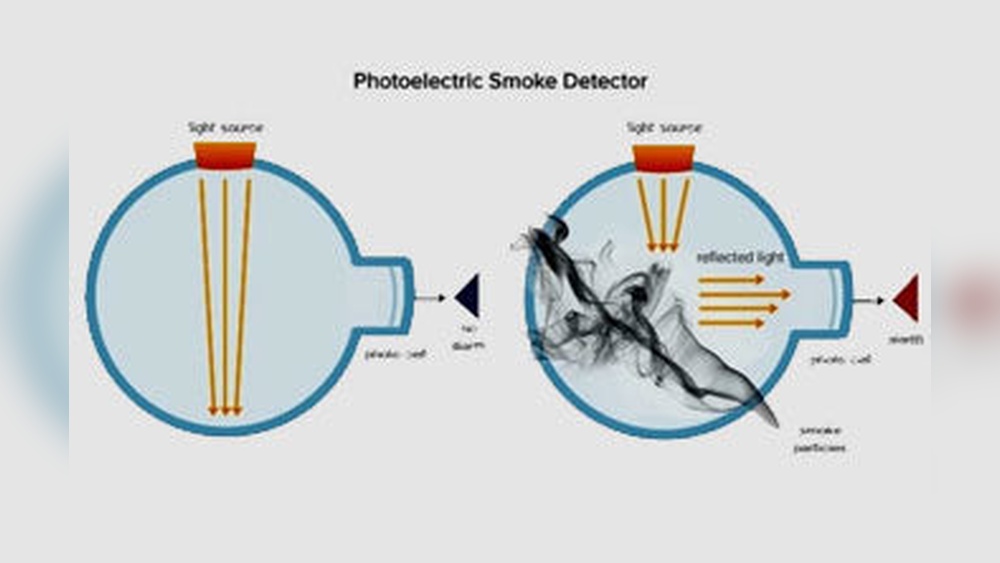
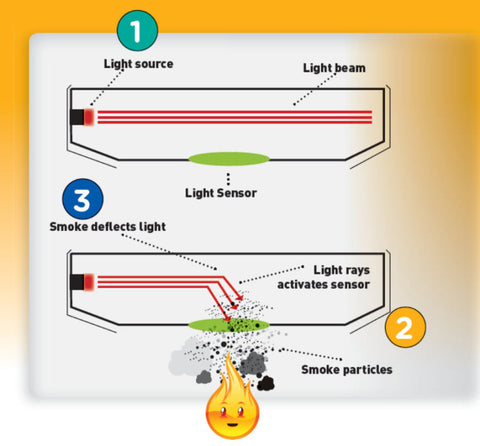
The LED sends a steady beam of light across the chamber. When no smoke is present, the light does not hit the sensor. Smoke particles entering the chamber scatter the light. This scattered light hits the sensor, triggering the alarm. The detector works best with smoldering fires that produce thick smoke.
Photoelectric Vs Ionization Detectors
Photoelectric and ionization smoke detectors are the two main types of smoke alarms. Both help keep homes safe by sensing smoke early. They use different ways to detect smoke particles. Understanding these differences can help choose the right detector for each space.
Detection Methods Compared
Photoelectric detectors use a light beam inside a sensing chamber. Smoke particles scatter the light, triggering the alarm. These detectors catch slow, smoldering fires well.
Ionization detectors have a small amount of radioactive material. It ionizes air inside the chamber, creating a small current. Smoke disrupts this current, setting off the alarm. They are better at detecting fast, flaming fires.
Best Uses For Each Type
Photoelectric detectors work best in kitchens, living rooms, and bedrooms. They avoid false alarms from cooking smoke or steam. They are great for detecting smoky fires that start slowly.
Ionization detectors fit well in hallways and rooms with little smoke. They react faster to sudden fires with flames. However, they can cause false alarms near kitchens or bathrooms.
Working Mechanism In Detail
The working mechanism of a photoelectric smoke detector is simple yet effective. It uses light and sensors to detect smoke early. This type of detector is very good at spotting slow, smoldering fires. Understanding how it works helps appreciate its role in home safety.
The detector has a small chamber where a light source and a sensor are placed. The system watches for changes caused by smoke entering the chamber. These changes trigger the alarm, alerting people to danger.
Light Scattering Principle
Inside the detector chamber, a tiny light shines in one direction. Under normal conditions, this light does not hit the sensor directly. The path of light is clear and uninterrupted. Smoke particles entering the chamber scatter the light. Scattered light changes direction and hits the sensor. This is the key to detecting smoke early.
Sensor Response To Smoke Particles
The sensor inside the detector is very sensitive. It notices even small amounts of scattered light. When smoke particles enter, the sensor detects more light than usual. This increase in light signals the presence of smoke. The detector then sounds the alarm quickly. This fast response can save lives by alerting people early.
Installation And Placement Tips
Proper installation and placement of a photoelectric smoke detector ensure it works effectively. Poor placement can cause the alarm to miss smoke or trigger false alarms. Follow simple tips to keep your home safe and your detector reliable.
Ideal Locations
Install smoke detectors on every level of your home. Place them inside each bedroom and outside sleeping areas. The ceiling is the best spot since smoke rises. Keep detectors at least 10 feet from cooking appliances to avoid false alarms. Avoid corners and areas near windows or vents where airflow can delay smoke detection.
Avoiding False Alarms
False alarms often come from steam or dust. Do not install detectors in bathrooms or near showers. Avoid placing detectors in kitchens or garages where smoke or fumes are common. Clean your detectors regularly to remove dust and debris. Test them monthly to ensure proper function without false alerts.
Maintenance And Testing
Proper maintenance and testing keep your photoelectric smoke detector working well. This ensures your safety by detecting smoke early. Regular care helps avoid false alarms and device failure. You can easily do some checks at home. Understanding these steps protects your home and family.
Regular Cleaning
Dust and dirt can block the sensor inside the detector. Clean your smoke detector every month using a soft brush or vacuum. Avoid spraying cleaner directly on the device. Wipe the outside gently with a dry cloth. This helps the detector sense smoke clearly.
Battery Replacement
Smoke detectors need fresh batteries to work properly. Replace the batteries at least once a year. Use the type recommended by the manufacturer. Some detectors have a low battery warning beep. Do not ignore this sound. Fresh batteries keep your detector active and reliable.
Testing Procedures
Test your smoke detector once a month. Press and hold the test button until you hear a loud beep. This sound means the alarm is working. If no sound comes, replace the batteries or the unit. Testing makes sure the smoke detector will alert you in time.

Credit: mammothsecurity.com
Common Issues And Troubleshooting
Photoelectric smoke detectors are reliable safety devices. Still, they sometimes face common problems. Understanding these issues helps keep your home safe.
Troubleshooting smoke detectors is simple. It saves time and prevents unnecessary worry. Below are frequent problems and easy fixes.
False Alarms Causes
Smoke detectors may sound alarms without real smoke. Dust or insects inside the detector can trigger false alarms. Steam from cooking or showers also causes them. Strong smells like paint or cleaning sprays can set off alarms. Placing detectors too close to kitchens or bathrooms increases false alarms.
Detector Malfunctions
Smoke detectors may stop working properly. Dead or weak batteries are a common cause. Dirt buildup blocks the sensor’s light beam. Faulty wiring or loose connections can disrupt power. Regular cleaning and battery checks keep detectors working well.
When To Replace
Smoke detectors have a limited lifespan. Most need replacement every 10 years. Older units may fail to detect smoke properly. If alarms sound without cause after cleaning, replacement is wise. Always check the manufacturer’s guidelines for your model.
Enhancing Home Safety
Photoelectric smoke detectors play a key role in keeping homes safe. They sense smoke early by using light to spot tiny particles. This early warning helps people act fast and avoid danger. These detectors do more than just sound an alarm. They connect with other safety devices to create a strong protection system.
By joining forces with other devices, photoelectric smoke detectors improve home safety. This teamwork makes sure everyone in the house stays alert and ready for any fire risk.
Integrating With Other Devices
Photoelectric smoke detectors can link with alarms, lights, and security systems. When smoke is detected, alarms ring loudly to alert everyone. Connected lights may flash to warn people who cannot hear well. Some systems send alerts to your phone or call emergency services. This quick response can save lives and reduce damage.
Smart Smoke Detectors
Smart smoke detectors use internet connections to improve safety. They send alerts to smartphones and tablets instantly. You can check your home’s safety from anywhere. These devices also perform self-tests and notify you if batteries run low. Smart detectors often combine smoke and carbon monoxide sensing. They offer more protection with less hassle.
Credit: www.x-sense.com

Credit: www.x-sense.com
Frequently Asked Questions
How Does A Photoelectric Smoke Detector Sense Smoke?
A photoelectric smoke detector uses a light source and sensor. When smoke enters, it scatters light onto the sensor. This triggers the alarm to warn of fire early.
What Are The Main Benefits Of Photoelectric Smoke Detectors?
Photoelectric detectors quickly sense smoldering fires. They reduce false alarms from cooking or steam. These detectors provide reliable early warning for slow, smoky fires.
How Is Photoelectric Different From Ionization Smoke Detectors?
Photoelectric detectors detect smoke particles using light scatter. Ionization detectors sense smaller particles using radioactive elements. Photoelectric models are better for slow, smoldering fires.
Where Should I Install Photoelectric Smoke Detectors?
Install them inside bedrooms, living rooms, and hallways. Avoid kitchens and bathrooms to reduce false alarms. Place detectors on ceilings or high walls for best detection.
Conclusion
Photoelectric smoke detectors sense smoke using light beams inside. When smoke enters, it scatters the light, triggering the alarm. This quick response helps keep homes safe from fires. Regular testing ensures the detector works well every day. Replace batteries yearly to avoid failures.
Understanding how these detectors work can save lives. Stay safe by installing and maintaining photoelectric smoke alarms properly. A small device with a big job. Safety starts with knowing and using the right tools.