
Have you ever wondered if your smoke detector is truly ready to protect you and your loved ones? A working smoke detector can save lives, but only if it’s functioning properly.
Checking your smoke detector is simple, quick, and something you can do yourself. You’ll discover easy steps to ensure your smoke detector is in top shape, giving you peace of mind every time you walk into your home. Keep reading to learn how to take control of your safety today.
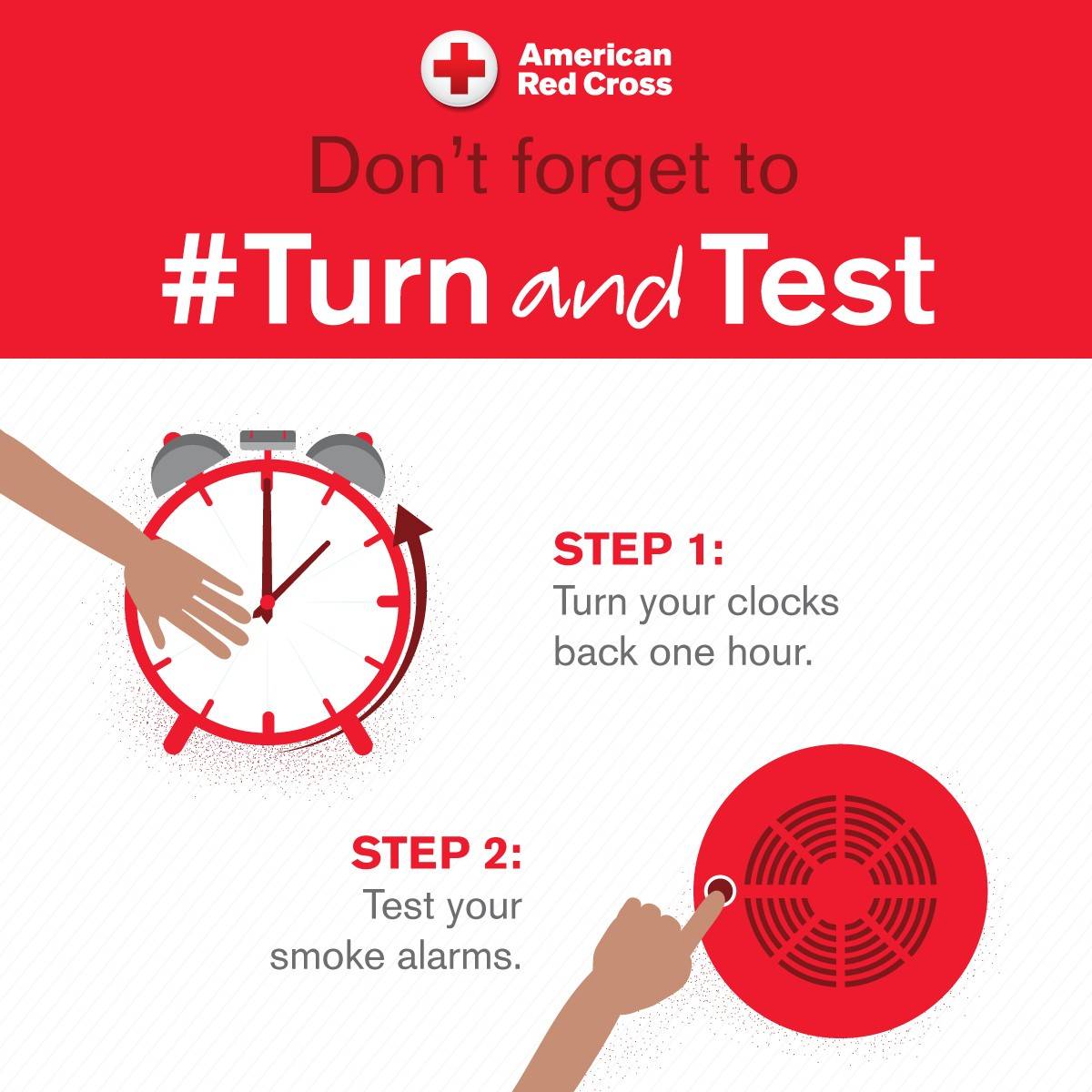
Credit: www.redcross.org
Importance Of Smoke Detectors
Smoke detectors save lives by warning people about fires early. They detect smoke and alert everyone in the house. This early warning gives people time to escape safely. Without smoke detectors, fire accidents can cause serious harm or death. Checking smoke detectors regularly ensures they work when needed most.
Role In Fire Safety
Smoke detectors act as a first line of defense against fires. They detect smoke before flames appear. This early alert helps reduce injuries and damage. Smoke alarms give families a chance to react quickly. They improve overall home safety and protect loved ones.
Legal Requirements
Many places require smoke detectors by law. Laws demand detectors in homes, schools, and workplaces. These rules help reduce fire risks and save lives. Following these laws avoids fines and legal problems. Installing and checking smoke detectors is a simple legal step.
Types Of Smoke Detectors
Smoke detectors help save lives by alerting people to fire early. They use different methods to sense smoke. Knowing the types helps you check and maintain them better.
Ionization Smoke Alarms
Ionization alarms detect small smoke particles from fast fires. They have a small amount of radioactive material inside. This material helps sense smoke quickly. These alarms are good for catching flaming fires early. They may give false alarms from cooking or steam sometimes.
Photoelectric Smoke Alarms
Photoelectric alarms use light to find smoke. They work well with smoldering fires that produce thick smoke. Inside, a light beam shines in a chamber. Smoke blocks the light, triggering the alarm. These alarms are less likely to false alarm from cooking.
Combination Alarms
Combination alarms use both ionization and photoelectric sensors. This design catches fast flames and slow smoldering fires. They offer broader protection in one device. These alarms are popular for homes because of their reliability. Checking these alarms regularly is important for safety.
Tools Needed For Checking
Checking a smoke detector is simple and requires only a few tools. Having the right tools makes the process quick and safe. Most tools are easy to find at home or a local store.
Basic Equipment
A small step ladder helps reach ceiling-mounted detectors safely. A screwdriver is needed to open the smoke detector cover. A fresh 9-volt battery is essential for replacing old batteries. A test button on the detector helps check if it works. Some models need a small brush to clean dust inside. A flashlight may help see inside dark spaces.
Safety Precautions
Turn off the power before starting any work on wired detectors. Use a sturdy ladder and avoid standing on unstable surfaces. Wear safety glasses to protect your eyes from dust. Avoid using wet hands near electrical parts. Test the detector after replacing batteries or cleaning. Keep children and pets away during the check.
Step-by-step Testing Process
Checking a smoke detector regularly keeps your home safe. A simple test can tell if it works well. Follow these clear steps to test your smoke detector.
Visual Inspection
Look at the smoke detector for dust or damage. Clean the cover gently with a soft cloth. Check for any cracks or loose parts. Make sure it is firmly attached to the ceiling or wall.
Battery Check
Open the battery compartment carefully. Remove the old batteries and replace them with new ones. Use the correct battery type recommended by the manufacturer. Close the compartment tightly to avoid errors.
Testing The Alarm Sound
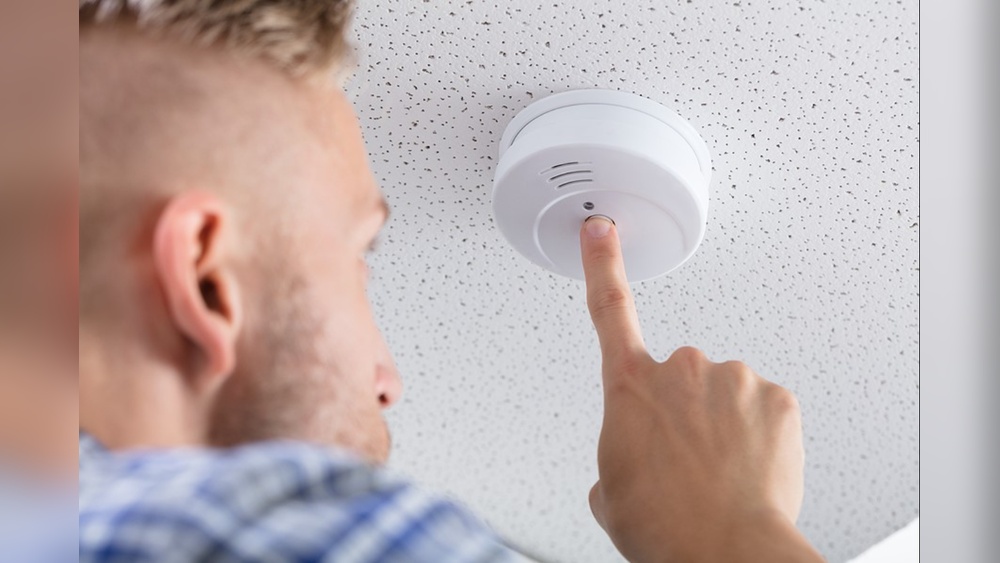
Press and hold the test button on the smoke detector. The alarm should sound loudly within a few seconds. If it does not, check the batteries again or replace the unit. This step confirms the alarm’s ability to alert you.
Using Smoke Test Spray
Buy a smoke test spray from a hardware store. Spray a small amount near the detector’s sensor. The alarm should activate, showing the sensor works well. Use this method to test the detector’s response to real smoke.
Common Issues And Fixes
Smoke detectors are vital for home safety. They need regular checks to work well. Sometimes, problems happen. Knowing common issues helps fix them fast. This keeps your home safe and sound.
False Alarms
False alarms happen often. Dust or steam can trigger the sensor. Cooking smoke may cause it too. Check the detector location. Avoid placing it near kitchens or bathrooms. Clean the device regularly to reduce false alarms. Replace old units if false alarms continue.
No Sound During Test
Test your smoke detector monthly. Press the test button and listen for the alarm. No sound means a problem. Check the battery first. Change old batteries with new ones. If the battery is fine, the unit may be broken. Replace the smoke detector immediately to stay safe.
Sensor Cleaning Tips
Clean sensors to keep detectors working well. Use a soft brush or vacuum cleaner. Remove dust and cobwebs gently. Avoid using water or sprays. Clean inside the device carefully. Do this every six months to prevent errors. Clean sensors catch smoke faster and stop false alarms.
Credit: www.hanovernh.org
Maintenance Tips For Longevity
Smoke detectors save lives by alerting you to fire early. Proper care keeps them working well for years. Following simple maintenance steps helps your detector last longer and stay reliable. These tips cover testing, battery care, and replacement timing.
Regular Testing Schedule
Test your smoke detector every month. Press the test button until the alarm sounds. This confirms the alarm and battery work correctly. If no sound, replace the battery or unit immediately. Regular tests ensure the device stays ready to warn you.
Battery Replacement Guidelines
Change the battery at least once a year. Use the battery type recommended by the manufacturer. Some models have long-life batteries that last up to 10 years. If the detector beeps often, replace the battery right away. Always keep spare batteries at home.
When To Replace The Unit
Smoke detectors do not last forever. Replace the entire unit every 10 years. Check the manufacture date on the back of the device. Old detectors may fail to detect smoke properly. A new unit keeps your home safe and alert.
Additional Safety Measures
Checking your smoke detector is important. Taking extra steps can improve your home’s safety. These measures help protect your family better during emergencies.
Installing Multiple Detectors
Place smoke detectors in every bedroom and on each floor. This helps detect smoke early, no matter where it starts. More detectors mean more chances to catch smoke fast. Don’t forget areas like hallways and basements.
Interconnected Systems
Interconnected smoke detectors sound an alarm together. If one detects smoke, all alarms ring. This alerts everyone quickly, even in far rooms. It improves your chance to escape safely during a fire.
Emergency Preparedness
Have a fire escape plan for your family. Practice it often and make sure everyone knows the route. Keep emergency numbers handy and teach children how to call for help. Preparedness saves lives during smoke or fire incidents.

Credit: rainbowtech.net
Frequently Asked Questions
How Often Should I Test My Smoke Detector?
You should test your smoke detector at least once a month. Regular testing ensures it functions properly and keeps you safe.
What Is The Best Way To Test A Smoke Detector?
Press and hold the test button on the detector until the alarm sounds. This confirms the battery and sensor work correctly.
Can I Use Smoke To Test A Detector?
Avoid using real smoke; it may damage the sensor. Use the built-in test button for accurate, safe testing.
How Do I Know If My Smoke Detector Needs New Batteries?
If the alarm chirps intermittently, it signals low battery power. Replace batteries immediately to maintain optimal detector performance.
Conclusion
Checking your smoke detector saves lives. Test it monthly using the test button. Replace batteries at least once a year. Clean dust and debris from the unit. If the alarm does not sound, fix or replace it quickly. A working smoke detector warns you early of danger.
Stay safe by making checks a regular habit. Don’t wait for an emergency to learn your smoke detector fails. Small steps protect your home and family. Stay alert and keep your smoke detector ready.