Have you ever wondered how wired smoke detectors keep your home safe? These devices are more than just simple alarms—they work quietly in the background, ready to alert you the moment danger strikes.
Understanding how wired smoke detectors work can give you peace of mind and help you protect your loved ones better. You’ll discover the secrets behind their operation and why they are a crucial part of your home safety system. Keep reading to find out how this small device can make a big difference when it matters most.
Credit: www.familyhandyman.com
Types Of Wired Smoke Detectors
Wired smoke detectors are important for home safety. They connect directly to your home’s electrical system. These detectors come in different types. Each type works in its own way to detect smoke and fire early. Understanding these types helps you choose the right one for your home.
Ionization Detectors
Ionization detectors use a small amount of radioactive material. This material ionizes the air inside a sensing chamber. When smoke enters, it disrupts the ion flow. The detector senses this change and sounds the alarm. Ionization detectors respond quickly to fast, flaming fires.
Photoelectric Detectors
Photoelectric detectors use a light source and sensor inside a chamber. Smoke particles scatter the light beam. The sensor detects this scattered light and triggers the alarm. These detectors work best for slow, smoldering fires. They provide early warning of smoky fires.
Combination Models
Combination models include both ionization and photoelectric sensors. They offer broader detection coverage. These models can sense both fast flames and smoldering smoke. Combination detectors increase safety by covering different fire types. Many homeowners prefer these for reliable protection.
Key Components Inside
The inner parts of wired smoke detectors work together to spot smoke early. These parts help the detector sense danger and alert you fast. Understanding these key components shows how the device keeps your home safe.
Each part has a special job. They work as a team to detect smoke and sound the alarm. Let’s look closely at the main pieces inside a wired smoke detector.
Sensors And Circuitry
Sensors detect smoke particles in the air. Most wired detectors use ionization or photoelectric sensors. Ionization sensors catch small smoke particles. Photoelectric sensors spot larger particles from slow fires.
The circuitry processes signals from the sensors. It decides if smoke is present and triggers the alarm. The circuit is designed to avoid false alarms while staying sensitive to real threats.
Power Supply And Backup
Wired smoke detectors get power from your home’s electrical system. This ensures they work all the time. A backup battery powers the detector if the electricity goes out. This backup keeps the alarm working during power failures.
Alarm System
The alarm system produces a loud sound to alert people. It uses a speaker or buzzer inside the detector. The alarm is loud enough to wake sleeping people. This helps everyone get out safely in an emergency.
Detection Mechanisms
Wired smoke detectors protect homes by sensing smoke early. They use special detection mechanisms to find smoke particles. These mechanisms help the alarm sound before fire spreads. Two main types detect smoke: ionization and photoelectric. Each works differently but both keep you safe.
How Ionization Senses Smoke
Ionization detectors contain a small amount of radioactive material. This material ionizes air inside the detector. It creates a small electric current between two plates. When smoke enters, it disrupts this current. The drop in current triggers the alarm. Ionization detectors respond quickly to fast, flaming fires. They are sensitive to tiny smoke particles.
Photoelectric Smoke Detection Process
Photoelectric detectors use a light source and a sensor inside. The light beam shines in a chamber with no smoke. When smoke enters, it scatters the light. The sensor detects scattered light, triggering the alarm. These detectors react well to slow, smoldering fires. They spot larger smoke particles early.
Wiring And Interconnection
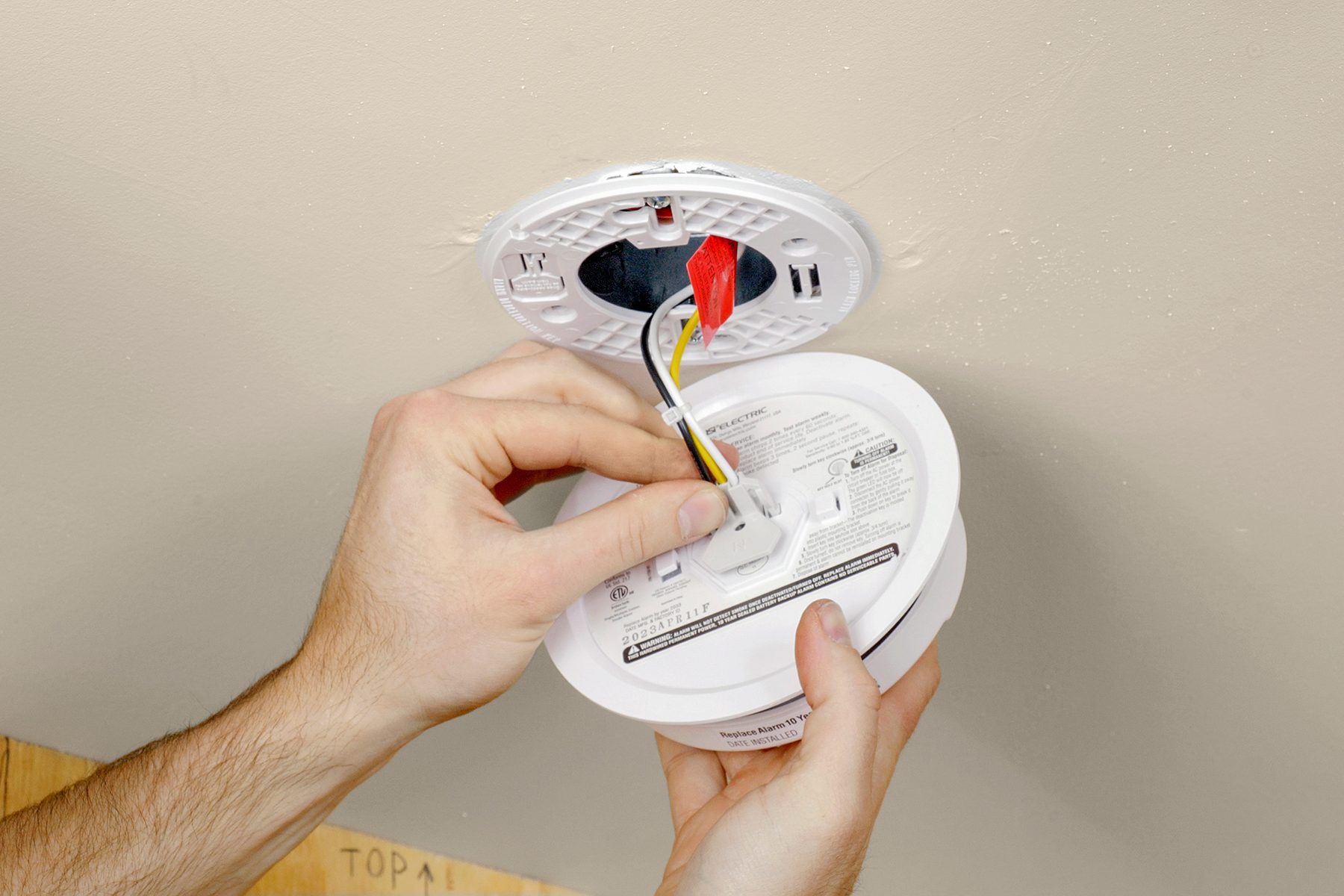
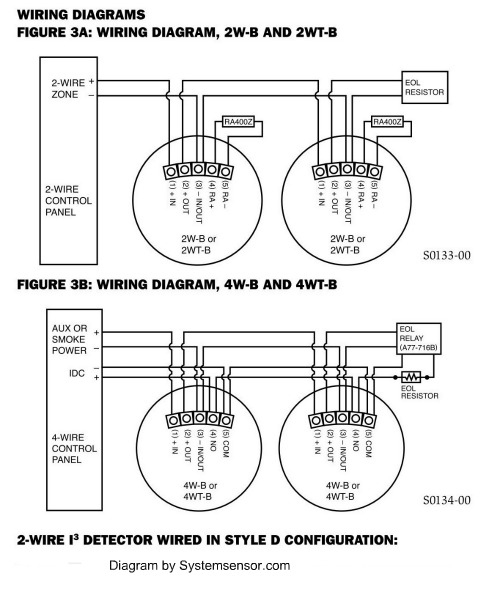
Wired smoke detectors are connected through a system of wires inside walls. This wiring allows alarms to communicate with each other. When one detector senses smoke, all alarms sound together.
This interconnection improves safety. It alerts everyone in the building at the same time. Understanding how wiring and interconnection work helps explain why wired smoke detectors are reliable.
Hardwiring Basics
Hardwired smoke detectors connect directly to the home’s electrical system. They use wires that run through walls and ceilings. This connection provides constant power to the alarms.
The wiring also connects detectors in different rooms. This setup requires professional installation to ensure safety and code compliance. Hardwiring reduces the chance of dead batteries.
Interlinked Alarm Features
Interlinked alarms are connected by wires or wireless signals. In wired systems, a special interconnect wire links all detectors. When one detector activates, the signal triggers all others.
This feature warns everyone, no matter where the fire starts. It is especially useful in large homes or buildings. Interlinked alarms increase the chance of early evacuation.
Power Source Requirements
Wired smoke detectors need a steady power source. They draw power from the home’s electrical system. A backup battery is also included to protect against power outages.
This dual power source ensures the alarms work at all times. The battery keeps the system active during blackouts. Regular battery checks are important to maintain safety.
Installation Best Practices
Proper installation of wired smoke detectors ensures they work effectively and keep homes safe. Following best practices helps avoid common problems and ensures detectors respond quickly in emergencies. Careful placement and correct wiring are key to reliable operation.
Ideal Placement Tips
Install smoke detectors on ceilings or high on walls. Smoke rises, so higher placement detects smoke sooner. Avoid corners and areas near windows or vents. These spots can cause air flow that delays smoke detection. Place detectors in every bedroom, outside sleeping areas, and on each floor of the house. Keep detectors at least 10 feet from cooking appliances. This reduces false alarms caused by normal cooking smoke.
Avoiding False Alarms
False alarms reduce trust in detectors. Avoid placing units near kitchens, bathrooms, or heating vents. Steam and cooking fumes often trigger false alarms. Clean detectors regularly to remove dust and insects. Dust buildup can block sensors and cause false alerts. Test detectors monthly to ensure they work properly. Replace batteries if the detector chirps often.
Compliance With Safety Codes
Follow local building and fire codes for installation. Codes specify the number and placement of detectors. Use certified smoke detectors that meet safety standards. Connect detectors to the home’s power supply with battery backup. This keeps detectors working during power outages. Hire a licensed electrician for wiring to ensure safety and code compliance.
Maintenance And Testing
Wired smoke detectors need regular care to work well. Proper maintenance and testing keep them ready to alert you to danger. Skipping checks can lead to device failure or false alarms. Safe homes depend on active and functional smoke detectors.
Routine Inspection
Check your smoke detectors every month. Look for any signs of damage or loose wiring. Ensure the unit is firmly attached to the ceiling or wall. Replace detectors that are older than 10 years for best safety.
Battery Backup Checks
Wired detectors often have battery backups. Test the battery at least twice a year. Press the test button and listen for a loud beep. Replace batteries immediately if the alarm sounds weak or silent.
Cleaning Guidelines
Dust and dirt can block sensors and cause false alarms. Use a soft brush or vacuum cleaner to clean the detector gently. Avoid spraying any liquid or cleaner directly on the unit. Clean the device every six months for reliable performance.
Advantages Over Wireless Models
Wired smoke detectors offer clear benefits over wireless models. They provide steady protection without the common issues found in wireless systems. Their design helps maintain safety and reduces worries about device failure.
Reliability And Consistency
Wired smoke detectors connect directly to your home’s electrical system. This connection ensures constant power without relying on batteries. They work continuously, even during power surges or outages if backed by a battery. This steady power source means fewer false alarms and better detection.
Reduced Interference
Wireless smoke detectors use radio signals to communicate. These signals can face interference from other wireless devices. This interference may cause delays or missed alerts. Wired detectors avoid this problem by using physical wiring. Their signals are clear and uninterrupted, improving safety.
Long-term Cost Benefits
Wired detectors often cost less over time. They don’t need frequent battery replacements, saving money and effort. Their durable design lasts many years with little maintenance. This makes wired smoke detectors a smart, budget-friendly choice for home safety.
Credit: www.home-security-systems-answers.com
Common Issues And Troubleshooting
Wired smoke detectors are reliable safety devices, but they can face common problems. Knowing these issues helps you keep your home safe. Troubleshooting these problems is simple with the right steps.
Power Failures
Wired smoke detectors need constant power from your home’s electrical system. Power outages or loose wiring can stop them from working. Check the circuit breaker first. Ensure wires connect tightly to the detector. Backup batteries must be fresh and properly installed. Without power, the detector cannot alert you to danger.
Sensor Malfunctions
The sensor inside the smoke detector detects smoke particles. Dust, dirt, or insects can block the sensor and cause malfunctions. Clean the detector regularly with a soft brush or vacuum. Avoid using water or cleaning sprays. Replace the detector every 10 years, as sensors wear out over time.
Alarm False Triggers
False alarms can be frustrating and cause people to ignore real warnings. Cooking smoke, steam, or strong chemicals often trigger false alarms. Place detectors away from kitchens and bathrooms. Use detectors with a hush button to silence false alarms safely. Regular cleaning also reduces false triggers.
:max_bytes(150000):strip_icc()/install-hardwired-smoke-detectors-1152329_FINAL-5233cb01c4f34ee1bae5860132624788.png)
Credit: www.thespruce.com
Frequently Asked Questions
How Do Wired Smoke Detectors Detect Smoke?
Wired smoke detectors use sensors to detect smoke particles in the air. When smoke enters the sensing chamber, it triggers the alarm immediately, alerting occupants of fire hazards.
Why Are Wired Smoke Detectors More Reliable?
Wired smoke detectors are connected directly to the home’s power supply, ensuring continuous operation. They also often have battery backups to work during power outages, increasing reliability.
Can Wired Smoke Detectors Interconnect With Others?
Yes, wired smoke detectors can interconnect. When one detector senses smoke, all connected alarms sound simultaneously, providing comprehensive alerts throughout the building for enhanced safety.
How Is Wired Smoke Detector Installation Done?
Installation involves connecting the detector to the home’s electrical wiring and mounting it on ceilings or walls. Proper placement ensures optimal smoke detection and compliance with safety codes.
Conclusion
Wired smoke detectors help keep homes safe by sensing smoke early. They connect directly to your home’s power, so batteries last longer. When smoke appears, the detector sends a loud alarm to warn you. Many models link together, so all alarms sound at once.
This quick alert gives you more time to act during a fire. Regular testing and maintenance keep these devices working well. Understanding how wired smoke detectors work helps you protect your family better. Safety starts with knowledge and simple devices like these.