
Have you ever stopped to think about how old your smoke detector is? You rely on it to keep you and your loved ones safe every day, but like any device, it doesn’t last forever.
Knowing if your smoke detector is expired isn’t just about ticking a box—it could be the difference between early warning and danger. You’ll discover simple ways to check if your smoke detector is still working as it should, and what to do if it’s time for a replacement.
Keep reading to make sure your home stays protected.
Smoke Detector Lifespan
Smoke detectors protect homes by warning about fires early. Knowing their lifespan helps keep your family safe. Smoke detectors do not last forever. Over time, their parts wear out and become less reliable. Checking their age and condition is important.
Typical Expiration Period
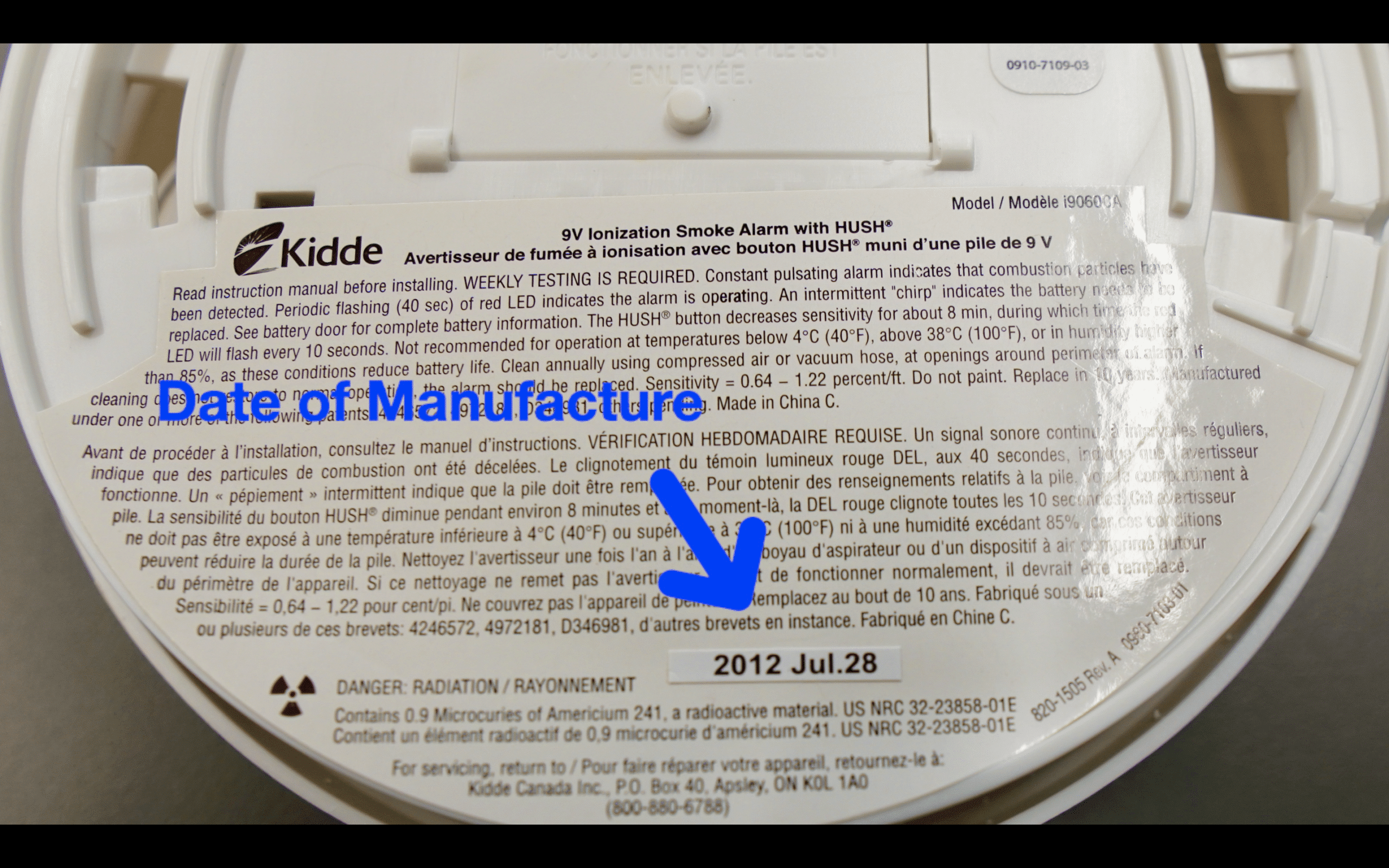
Most smoke detectors work well for about 8 to 10 years. After that, they might stop detecting smoke properly. The manufacturer usually prints the date of manufacture on the back. Use this date to know when to replace the unit. Some newer models have a built-in expiration warning.
Factors Affecting Durability
Heat, dust, and humidity can reduce a smoke detector’s life. Poor maintenance, like not cleaning the unit, also causes problems. Frequent false alarms may signal sensor issues. Electrical surges or battery leaks can damage the device. Regular testing and cleaning help extend its lifespan.
Check The Manufacturing Date
Checking the manufacturing date is a key step to know if your smoke detector is expired. Smoke detectors do not last forever. Over time, their sensors lose sensitivity. This can put your safety at risk. The manufacturing date tells you the age of your device. It helps decide when to replace it.
Where To Find The Date
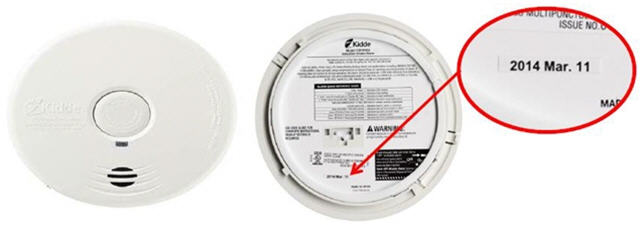
Look at the back or side of the smoke detector. The date is often printed on a label or stamped into the plastic. Sometimes, it is inside the battery compartment. It may be a small number, so check carefully. If you cannot find the date, check the user manual. Some models list the manufacturing date there.
Interpreting The Date Code
The date usually shows the month and year of production. It can be written as MM/YYYY or MM-YY. For example, 07/2018 means July 2018. Some brands use a code with letters and numbers. Look online for your model’s date format. Remember, smoke detectors should be replaced every 10 years. If your detector is older than 10 years, it is time to get a new one.
Physical Wear And Tear
Physical wear and tear is a clear sign your smoke detector may be expired. Smoke detectors face daily exposure to dust, heat, and moisture. These elements cause damage that affects their function. Checking for physical issues helps keep your home safe.
Discoloration And Damage
Yellow or brown stains on the smoke detector show aging. Plastic parts can crack or become brittle over time. These changes may stop the detector from working well. Dirt buildup can also block sensors, reducing sensitivity.
Corrosion Signs
Look for rust or white powder on metal parts. Corrosion can damage the wiring inside the detector. Moisture in the air speeds up corrosion. Corroded detectors might fail during a fire emergency.
Credit: firerescue.richmond.ca
Performance Issues
Performance issues can signal that your smoke detector is expired or failing. These problems reduce safety and need quick attention. Pay close attention to how your smoke alarm behaves. Faults may show up as unusual alarms or silence during danger.
False Alarms
False alarms happen when the smoke detector sounds without real smoke. This can be caused by old sensors or dust buildup inside. Frequent false alarms mean the detector might be worn out. An expired alarm often cannot tell the difference between smoke and harmless particles. Constant false alerts can make you ignore real dangers.
Failure To Sound
A smoke detector that does not sound during a test or smoke presence is very dangerous. This failure can happen if the device is old or the battery is weak. Expired detectors lose sensitivity and may not alert you in time. Regular testing is key to check if your alarm still works well. No sound means your safety is at risk.
Testing The Detector
Testing your smoke detector is a simple way to check if it works properly. Regular tests help find problems early. This keeps your home safe from fire risks. You need to test the alarm and check its battery often.
Using The Test Button
Most smoke detectors have a test button on the front. Press and hold this button for a few seconds. The alarm should sound loudly. If you do not hear a sound, the detector may be faulty. This means it might need replacement or repair. Testing with this button shows if the detector’s electronics are working.
Battery Check
Battery health is vital for your smoke detector’s function. Remove the detector from the ceiling or wall carefully. Check the battery type and look for corrosion or damage. Replace old batteries with new ones. Some detectors have sealed batteries that last up to 10 years. For these, check the date printed on the detector. Weak or dead batteries cause false alarms or no alarm at all.
Credit: www.spotoninspection.com
When To Replace Your Smoke Detector
Smoke detectors are vital for home safety. They alert you to fire dangers early. Knowing when to replace them keeps your family safe. Smoke detectors don’t last forever. Over time, their sensors wear out. This reduces their ability to detect smoke quickly. Replace your smoke detector at the right time to ensure it works well.
Manufacturer Recommendations
Check the smoke detector’s label for the manufacture date. Most brands suggest replacing detectors every 10 years. Some models may have shorter lifespans. Follow the specific instructions from the manufacturer. They test their products for safety and reliability. Ignoring these recommendations can risk your safety. Manufacturers design these rules to keep you protected.
Safety Best Practices
Replace smoke detectors every 10 years as a safety rule. Test your smoke alarms monthly to check if they work. Change batteries at least once a year. Replace batteries immediately if alarms beep. Clean detectors regularly to remove dust and debris. If your alarm fails a test, replace it right away. Stay alert to signs of wear or damage. Keeping detectors in good condition saves lives.
Upgrading To New Models
Upgrading to new smoke detector models can improve home safety significantly. Old detectors may fail to alert you in time. New models offer better technology and features. They provide reliable warnings and easier maintenance.
Benefits Of Modern Detectors
Modern smoke detectors use advanced sensors for faster response. They can detect different types of fires more accurately. Many models have longer battery life for less hassle. Some come with silence buttons to stop false alarms. These detectors often require less frequent testing. They help keep your family safer every day.
Smart Smoke Detectors
Smart smoke detectors connect to your phone or smart home system. They send alerts even when you are away from home. Some models can tell the difference between smoke and steam. You can test or silence alarms through an app. These devices often include carbon monoxide detection too. Smart detectors add convenience and peace of mind.
Credit: support.firstalert.com
Frequently Asked Questions
How Long Do Smoke Detectors Last Before Expiring?
Smoke detectors typically last 8 to 10 years. Check the manufacture date on the back. Replace them once they reach this age to ensure safety.
What Are Signs My Smoke Detector Is Expired?
Expired detectors may beep irregularly or fail to sound alarms. Yellowing plastic or malfunctioning tests also indicate expiration. Replace immediately if any signs appear.
Can I Test If My Smoke Detector Is Expired?
Testing only checks the alarm function, not expiration. Always check the manufacture date for expiration. Replace detectors that are 10 years or older regardless of test results.
Why Is It Important To Replace Expired Smoke Detectors?
Expired detectors may not detect smoke properly, risking lives. They lose sensitivity and reliability over time. Replacing them ensures your home stays protected from fire hazards.
Conclusion
Smoke detectors keep your home safe from fire risks. Check the date on your device to know its age. Replace detectors every 10 years for best protection. Test them monthly to ensure they work well. Don’t ignore strange sounds or no alarms during tests.
A working smoke detector saves lives and reduces damage. Stay alert and update your detectors on time. Safety starts with simple steps you can do today. Trust your smoke detector to warn you when danger is near.

