
Have you ever wondered how your smoke detector knows when there’s danger? Understanding how a photoelectric smoke detector works can give you peace of mind about your safety at home.
This simple device uses clever technology to spot smoke early, giving you crucial time to act. By the end of this article, you’ll see why this type of smoke detector might be the best choice for protecting your family. Keep reading to learn how it works and why it matters for your safety.
Credit: www.x-sense.com
Basics Of Photoelectric Smoke Detectors
Photoelectric smoke detectors are vital for home safety. They detect smoke early to warn you of fire. These detectors work differently than other types, making them very reliable. Understanding their basics helps you know why they are important.
Key Components
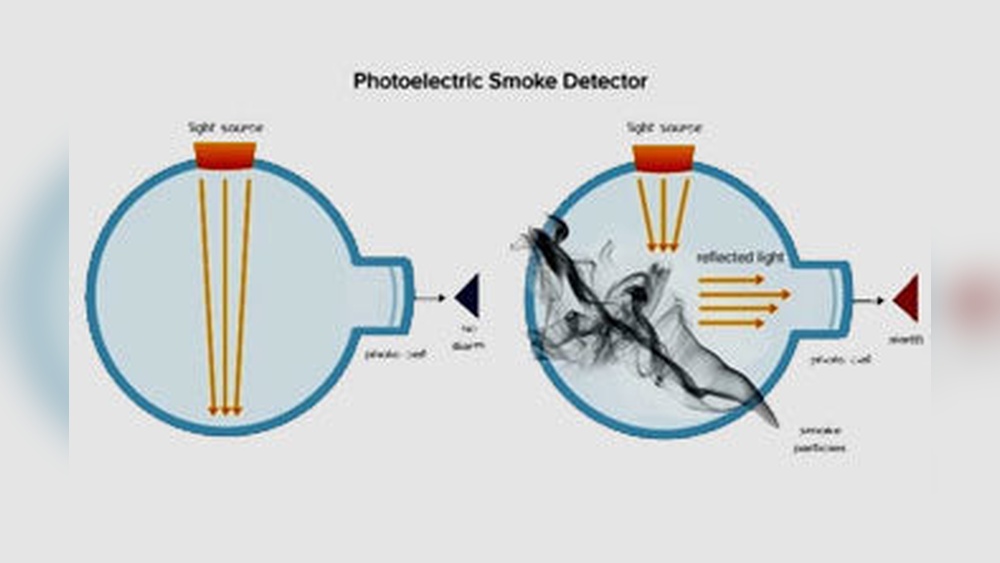
Photoelectric smoke detectors have a few main parts. They include a light source, usually an LED. There is also a light sensor inside the detector. A chamber holds smoke particles for detection. These parts work together to find smoke quickly.
Working Principle
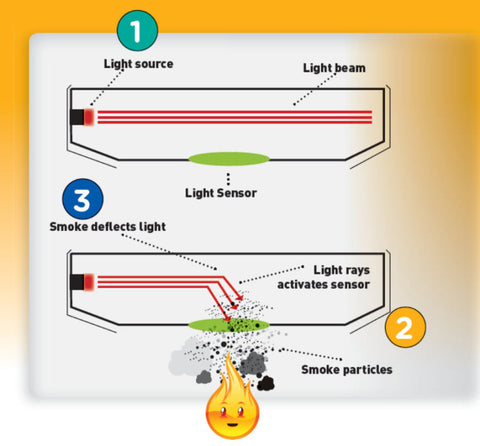
The detector works by shining light inside the chamber. Normally, the light does not hit the sensor. When smoke enters, it scatters the light. The scattered light hits the sensor and triggers the alarm. This method detects smoldering fires well. It reacts fast to thick, smoky fires.
Detection Process
The detection process in a photoelectric smoke detector is smart and simple. It senses smoke by using light and how particles affect it. This process helps the detector alert you early about fire.
Light Scattering Mechanism
Inside the detector, a small light beam shines in a chamber. The light usually travels without hitting anything. When smoke enters the chamber, the light hits smoke particles. The light scatters, changing its path. A sensor inside the detector notices this scattered light. This change tells the detector that smoke is present.
Smoke Particle Interaction
Smoke particles are tiny bits from burning materials. These particles float into the detector’s chamber through small openings. As the particles move through the light beam, they reflect and scatter the light. This interaction triggers the sensor. The detector then sends a signal to alert you about the smoke. This process happens quickly, helping keep you safe.
Advantages Over Other Detectors
Photoelectric smoke detectors offer clear benefits compared to other types of detectors. These advantages make them a popular choice for home safety. They work well in many situations and reduce common issues found in other alarms.
Response To Smoldering Fires
Photoelectric detectors are very good at sensing slow, smoldering fires. These fires produce a lot of smoke before flames appear. The detector uses a light beam that scatters when smoke enters the chamber. This triggers the alarm early, giving more time to react. Other detectors may miss these fires because they rely on heat or fast-burning flames.
Reduced False Alarms
False alarms can be annoying and unsafe. Photoelectric detectors are less likely to cause false alarms. They are not triggered by cooking smoke or steam as easily. This reduces unnecessary noise and helps people take alarms seriously. This feature improves trust and safety in homes and offices.
Installation Tips
Installing a photoelectric smoke detector correctly is key for safety. Proper setup ensures early smoke detection and timely alerts. Follow simple steps to place and maintain your detector for best results.
Optimal Placement
Place detectors on ceilings or high on walls. Smoke rises, so higher spots catch it first. Avoid corners or near air vents that can block smoke flow. Install in every bedroom, outside sleeping areas, and on each floor. Keep detectors at least 10 feet from cooking appliances to avoid false alarms.
Maintenance Practices
Test detectors monthly to ensure they work. Replace batteries once a year or when low battery alerts sound. Clean detectors regularly with a vacuum or soft brush. Dust can stop sensors from detecting smoke. Replace the entire unit every 10 years for reliable protection.
Common Issues And Troubleshooting
Photoelectric smoke detectors are reliable safety devices. Still, they can face some common problems. Knowing these issues helps keep your home safe. Troubleshooting can often fix small problems quickly. This section explains common faults and how to handle them.
False Alarm Causes
False alarms happen when the detector senses smoke without fire. Dust or insects inside the detector can trigger this. Steam from showers or cooking smoke also causes false alarms. Low batteries may lead to frequent alarms. Strong sunlight shining directly on the sensor can confuse it. Regular cleaning reduces false alarms. Replace batteries every six months for best results.
Sensor Malfunctions
The sensor inside the detector can stop working properly. Aging detectors may lose sensitivity over time. Dirt buildup blocks the sensor’s light beam. This prevents accurate smoke detection. A faulty sensor can cause no alarm during a real fire. Test your detector monthly using the test button. Replace the detector every 10 years to avoid sensor failure.

Credit: www.x-sense.com
Enhancing Home Safety
Photoelectric smoke detectors play a key role in keeping homes safe from fire. They detect smoke early by sensing particles in the air. This early warning can save lives and reduce property damage.
Installing these detectors in the right places helps protect every room. They work best when combined with other safety measures. Regular care and checks keep them ready to alert you fast.
Combining Detector Types
Photoelectric detectors catch slow, smoldering fires well. Ionization detectors spot fast, flaming fires better. Using both types covers more fire risks. This combination increases home safety significantly.
Place photoelectric detectors in bedrooms and living areas. Use ionization detectors near kitchens and hallways. Together, they give a stronger shield against different fire threats.
Regular Testing
Test smoke detectors at least once a month. Press the test button to check the alarm sound. Replace batteries every six months or when low.
Clean detectors gently to remove dust and dirt. Dust can block sensors and cause false alarms. Keep detectors free from paint and stickers.
Working detectors mean early alerts and safer homes. Regular testing helps keep your family protected all year.

Credit: mammothsecurity.com
Frequently Asked Questions
How Does A Photoelectric Smoke Detector Sense Smoke?
A photoelectric smoke detector uses a light source and sensor. Smoke particles scatter the light, triggering the sensor. This activates the alarm, warning occupants of smoke presence early.
What Makes Photoelectric Detectors Better For Smoldering Fires?
Photoelectric detectors excel at detecting slow, smoldering fires. They sense smoke particles before flames appear. This early detection reduces risk and improves safety in homes.
How Often Should Photoelectric Smoke Detectors Be Tested?
Test photoelectric smoke detectors monthly to ensure functionality. Press the test button until the alarm sounds. Replace batteries yearly or as needed for optimal performance.
Can Photoelectric Smoke Detectors Reduce False Alarms?
Yes, photoelectric detectors are less prone to false alarms. They react mainly to smoke, not steam or cooking fumes. This makes them reliable for everyday home use.
Conclusion
A photoelectric smoke detector senses smoke quickly and warns you early. It uses light to spot smoke particles in the air. This helps prevent fires from spreading unnoticed. Installing these detectors can keep your home safer. Test them regularly to ensure they work well.
Small steps can make a big difference in safety. Remember, early alerts save lives and property. Stay aware and protect what matters most.