
Have you ever wondered how to make your home safer with smoke detectors that actually work together? When smoke detectors are interconnected, they all sound the alarm at once, giving you and your family precious extra seconds to react.
But how do you connect them properly? If you want a clear, step-by-step guide that makes this task simple and stress-free, you’re in the right place. Keep reading to discover exactly how you can interconnect your smoke detectors and boost your home’s safety like a pro.

Credit: www.firstalert.com
Benefits Of Interconnected Smoke Detectors
Interconnected smoke detectors offer several important benefits that improve home safety. These devices work together to alert everyone quickly during a fire. This feature can save lives and reduce property damage.
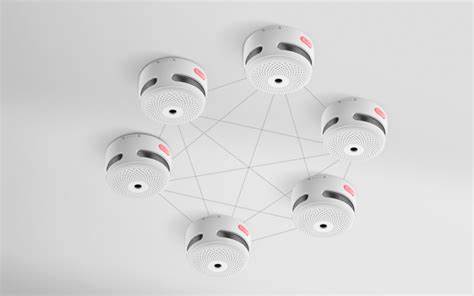
Each detector communicates with the others. When one detects smoke, all alarms sound. This system ensures that no one misses the warning, even in large or multi-story homes.
Enhanced Home Safety
Interconnected smoke detectors increase safety by alerting every room. This gives people more time to escape. The early warning reduces the risk of injury or worse. Families can feel safer knowing alarms work as a team.
Early Fire Alert System
These detectors provide fast alerts across the whole house. Smoke in one area triggers alarms everywhere. This early detection helps prevent fire spread. Quick responses can stop small fires from becoming dangerous.
Compliance With Safety Codes
Many building codes require interconnected smoke alarms. Following these rules helps avoid legal issues. It also ensures the home meets safety standards. Using interconnected detectors supports safer living environments.
Credit: simpli.govt.nz
Types Of Smoke Detectors
Smoke detectors play a vital role in home safety. Different types detect smoke in various ways. Understanding these types helps in choosing the right one for your home. Each type has unique features and uses. Knowing them aids in effective interconnection.
Ionization Smoke Alarms
Ionization smoke alarms detect fast, flaming fires. They use a small amount of radioactive material. This material ionizes the air inside the sensing chamber. When smoke enters, it disrupts the ion flow. The alarm then sounds to warn you. These alarms react quickly to small smoke particles.
Photoelectric Smoke Alarms
Photoelectric smoke alarms sense slow, smoldering fires. They use a light beam inside the sensing chamber. Smoke particles scatter the light beam. This triggers the alarm to sound. These alarms work well for detecting thick smoke from smoldering fires. They often reduce false alarms from cooking smoke.
Combination Alarms
Combination alarms include both ionization and photoelectric sensors. They provide broad fire detection coverage. These alarms detect fast flames and slow smoldering fires. Combination alarms offer better protection than single sensor types. They are ideal for whole-home safety.
Choosing The Right Interconnected System
Choosing the right interconnected smoke detector system is key for home safety. The system must fit your home’s layout and your needs. It should be easy to install and reliable. Picking the right type helps you stay alert in case of fire. This section explains the main options and what to consider.
Wired Vs. Wireless Detectors
Wired detectors connect using electrical wires. They offer steady power and strong signals. Installation can be harder, especially in older homes. Wireless detectors link by radio signals. They are easier to install and move. Batteries power wireless units, so regular checks are needed. Both types alert all alarms when one detects smoke.
Power Source Options
Smoke detectors use battery, hardwired, or dual power. Battery-powered units work without wiring but need battery changes. Hardwired detectors connect to home electricity and have battery backup. Dual-powered detectors combine both for extra safety. Choose a power source that matches your home’s wiring and maintenance ability.
Compatibility Considerations
All detectors in an interconnected system must work together. Use detectors from the same brand or those that support universal interconnection. Mixing different brands can cause communication issues. Check product manuals for compatibility details. Proper matching ensures all alarms sound at once for full protection.
Tools And Materials Needed
Interconnecting smoke detectors requires specific tools and materials. Having the right items ensures a smooth installation. It helps avoid mistakes and saves time. Below is a list of tools and supplies needed for the job. Follow this guide to prepare properly.
Essential Tools List
- Voltage tester to check electrical power
- Wire stripper for removing insulation
- Screwdriver set for mounting detectors
- Drill with bits for making holes
- Wire cutters to trim wires
- Electrical tape for securing connections
- Fish tape for pulling wires through walls
Safety Gear
- Insulated gloves to prevent electric shock
- Safety goggles to protect your eyes
- Dust mask when drilling into ceilings
- Work boots for stable footing
Additional Supplies
- Smoke detectors with interconnect capability
- Wire connectors for safe joins
- Electrical cable suitable for smoke detectors
- Mounting brackets or plates
- Instruction manual for specific models
Step-by-step Installation Guide
Installing interconnected smoke detectors improves home safety by ensuring all alarms sound together. This guide breaks down the process into clear, simple steps. Follow each part carefully to set up a reliable system.
Planning Detector Placement
Start by choosing the right spots for each smoke detector. Place one inside every bedroom and outside sleeping areas. Install alarms on every level of your home, including the basement. Avoid kitchens and bathrooms to reduce false alarms. Keep detectors on ceilings or high on walls, away from corners.
Wiring The Smoke Alarms
Turn off the power before starting any wiring work. Connect the smoke alarms using the manufacturer’s wiring instructions. Use a dedicated circuit if possible. Run wires between each alarm to link them. Secure connections with wire nuts and electrical tape. Double-check all wires are tight and safe.
Connecting Wireless Devices
Wireless smoke detectors connect using radio signals. Follow the instructions to pair each device. Make sure all units are within range of each other. Test the signal strength before final installation. Place devices where signals travel without blockages like thick walls.
Testing The System
Restore power to the smoke alarms. Press the test button on one alarm. All alarms should sound at the same time. If not, check wiring or wireless connections. Test each device regularly to ensure proper function. Replace batteries as needed to maintain safety.
Maintaining Interconnected Smoke Detectors
Maintaining interconnected smoke detectors ensures your home stays safe. Proper care keeps devices working well and alerts you in emergencies. Regular checks prevent failures and false alarms. Follow simple steps to keep all units connected and functional.
Regular Testing
Test your smoke detectors once a month. Press the test button until the alarm sounds. Check all detectors respond together. This confirms the interconnection works properly. Replace any unit that does not respond.
Battery Replacement Tips
Change batteries at least twice a year. Use fresh, high-quality batteries only. Replace batteries immediately if the alarm beeps. Keep spare batteries nearby for quick changes. Never ignore low battery signals.
Cleaning And Upkeep
Dust and dirt can block sensors. Clean smoke detectors every three months. Use a soft brush or vacuum cleaner gently. Avoid harsh chemicals or water on detectors. Keep vents and openings clear for best performance.
Troubleshooting Common Issues
Troubleshooting common issues with interconnected smoke detectors helps keep your home safe. These devices protect lives but can face problems that reduce their effectiveness. Identifying and fixing these issues quickly ensures your smoke detectors work well together. Below are some frequent problems and ways to solve them.
False Alarms
False alarms can be annoying and cause unnecessary panic. Dust, steam, or insects inside the detector often trigger false alarms. Clean the smoke detector regularly with a soft brush or vacuum. Avoid placing detectors too close to kitchens or bathrooms. Check the sensitivity settings if your model allows it. Replace old or faulty detectors to reduce false alarms.
Connectivity Problems
Interconnected smoke detectors rely on strong connections to work properly. Loose wires or poor wireless signals cause communication failures. Inspect all wiring for damage or loose ends. For wireless models, keep devices within range of each other. Remove obstacles that block signals, like thick walls or metal objects. Reset the system if detectors stop signaling each other.
Power Failures
Power problems can stop smoke detectors from working. Check batteries regularly and replace them at least once a year. Use high-quality batteries for longer life. For hardwired detectors, inspect the electrical connections and circuit breakers. Backup batteries should be in place for power outages. Test each detector after power restoration to ensure it functions correctly.

Credit: www.anka-security.com
Upgrading And Expanding Your System
Upgrading and expanding your smoke detector system improves safety at home. A larger system covers more areas. It also keeps everyone aware of danger. Expanding your system can be simple and cost-effective. It helps protect your family and property better.
Adding More Detectors
Adding more smoke detectors increases coverage in your home. Place detectors in bedrooms, hallways, and living rooms. Connect new detectors to the existing system. Interconnected detectors sound alarms together. This alerts everyone immediately, no matter where the fire starts. Use compatible models for easy connection. Follow the manufacturer’s guide for installation and wiring. Test detectors regularly to ensure they work well.
Integrating With Smart Home Devices
Integrating smoke detectors with smart home devices adds convenience. Smart detectors send alerts to your phone. This helps you respond quickly, even when away. They can connect with other devices, like lights and alarms. For example, lights may flash when smoke is detected. Choose smart detectors that work with your system. Setup usually involves an app and Wi-Fi connection. Regular updates keep your system secure and effective.
Frequently Asked Questions
How Do You Wire Smoke Detectors Together?
You wire smoke detectors using interconnect cables or wireless signals. Hardwired detectors connect via a special interconnect wire. This allows all alarms to sound simultaneously when one detects smoke.
Can I Interconnect Smoke Detectors Myself?
Yes, if you have basic electrical skills and follow manufacturer instructions. Turn off power before wiring. For safety and compliance, consider hiring a licensed electrician.
What Types Of Smoke Detectors Can Be Interconnected?
Only smoke detectors designed for interconnection can be linked. These include hardwired, wireless, or a combination. Check product specifications to ensure compatibility before installation.
Why Is Interconnecting Smoke Detectors Important?
Interconnection ensures all alarms sound simultaneously during a fire. This improves early warning, giving occupants more time to evacuate safely. It is a vital safety feature in larger homes.
Conclusion
Connecting smoke detectors keeps your home safer and alerts everyone quickly. You only need basic tools and clear steps to link them. Wired or wireless, interconnection helps all alarms sound together. This means you can hear warnings no matter where you are.
Check each device regularly to ensure they work well. Simple care and proper setup protect your family better. Stay safe by making your smoke detectors talk to each other. It’s a smart step for every home.

