
Your smoke detector is one of the most important devices in your home. It keeps you and your loved ones safe by alerting you to danger.
But what happens when the battery runs low? Knowing how to change the battery in your smoke detector is a simple skill that can make a big difference. You’ll learn easy steps to replace the battery quickly and keep your home protected.
Don’t wait for a warning beep—take control now and ensure your smoke detector is always ready to work when you need it most.
Tools Needed
Changing the battery in a smoke detector is simple with the right tools. Having the correct items ready saves time and avoids frustration. Most smoke detectors need just a few basic tools. These tools help you open the unit and replace the battery safely.
Battery Type
Check your smoke detector for the correct battery type. Most use 9-volt or AA batteries. Using the right battery ensures the detector works properly.
Step Ladder
A small step ladder helps reach ceiling-mounted detectors. Choose a sturdy ladder for safety. Avoid standing on chairs or unstable objects.
Flathead Or Phillips Screwdriver
Some smoke detectors need a screwdriver to open the cover. Know if your device uses flathead or Phillips screws. This tool helps access the battery compartment.
Soft Cloth
Use a soft cloth to clean the detector’s surface. Dust can affect sensor performance. Cleaning keeps your smoke detector in good condition.
Replacement Battery
Always have a fresh battery ready. Old batteries may leak or fail quickly. Replace the battery every year for safety.

Credit: annarborwithkids.com
When To Replace Battery
Knowing when to replace the battery in your smoke detector is very important. A working battery keeps your home safe by alerting you to smoke or fire early. Dead or weak batteries can cause the alarm to fail or beep frequently. This section explains clear signs and best times to change the battery.
Signs Your Smoke Detector Battery Needs Replacement
One common sign is a loud beep every minute or so. This sound warns that the battery is low. Another sign is the alarm not working at all. Test your smoke detector monthly to check the battery. If it does not respond, replace the battery immediately.
Recommended Battery Replacement Schedule
Change the battery at least once every year. Some experts suggest doing it when you change clocks for daylight saving. This makes it easier to remember. Using a fresh battery helps the alarm work properly and last longer.
Replacing Battery After Power Outage
Power outages can drain backup batteries in hardwired detectors. After a blackout, check your alarms. Replace the battery if the alarm beeps or does not respond to tests. This ensures your smoke detector stays reliable.
Safety Precautions
Safety comes first when changing the battery in a smoke detector. Taking the right steps protects you and your home. Always prepare before starting the task. Follow simple rules to avoid accidents or damage.
Turn Off Power Supply
Switch off the power connected to the smoke detector. This stops electrical shocks or false alarms. Use the main circuit breaker or remove the fuse for safety.
Use A Stable Ladder
Choose a steady ladder or step stool to reach the detector. Avoid standing on chairs or unstable objects. Make sure the ladder is on a flat surface.
Handle Battery Carefully
Take out the old battery with care. Do not mix old and new batteries. Dispose of used batteries properly to protect the environment.
Check For Dust And Debris
Clean the smoke detector before inserting the new battery. Use a soft cloth or a vacuum cleaner. Dust can stop the detector from working well.
Test The Detector
Press the test button after battery replacement. Ensure the alarm sounds loudly. Regular tests keep your home safe.
Locate The Smoke Detector
Locating the smoke detector is the first step in changing its battery. Knowing the exact spot helps you act fast and keep your home safe.
Smoke detectors are often placed in key areas. These include hallways, bedrooms, and near kitchens. Finding them is simple with a quick look around your home.
Check The Ceiling
Most smoke detectors are mounted on the ceiling. Look for small, round devices with vents. They often sit in the center of rooms or hallways.
Inspect Near Bedrooms
Smoke detectors are usually near bedrooms. This placement helps alert you during the night. Walk through your hallways and bedroom doors to find them.
Look In The Kitchen Area
Some homes have detectors near kitchens. These protect against fires starting while cooking. Check walls and ceilings close to the cooking space.
Use A Ladder Or Step Stool
Smoke detectors can be high up. Use a ladder or stool to reach them safely. Always ask for help if needed to avoid falls.
Remove The Smoke Detector
Removing the smoke detector is the first step to change its battery. This step lets you safely access the battery compartment. Take your time and follow each instruction carefully.
Most smoke detectors are easy to remove. They usually twist or snap off the mounting plate. You do not need special tools for this task.
Turn Off The Power Source
Before you remove the detector, turn off its power. This means switching off the circuit breaker for hardwired alarms. It prevents any electrical shocks or damage.
Locate The Detector
Find the smoke detector on your ceiling or wall. It is often round and white. Check the room’s corners or hallway ceilings as common spots.
Twist Or Unclip The Detector
Hold the base of the detector firmly. Turn the detector counterclockwise to unlock it. Some models snap off with a gentle pull instead.
Disconnect The Wiring (if Needed)
Hardwired smoke detectors have wires attached. Carefully disconnect the wiring plug from the back. Do not pull on the wires themselves.
Remove The Detector From The Mounting Plate
After unlocking, gently pull the detector away from the mounting plate. Place it on a flat surface with the battery side up. Now it is ready for battery replacement.
Take Out The Old Battery
Taking out the old battery is an important step in changing a smoke detector’s power source. This process keeps your home safe by ensuring the detector works properly. Removing the old battery is simple and quick. Follow these steps carefully to avoid damage or confusion.
Locate The Battery Compartment
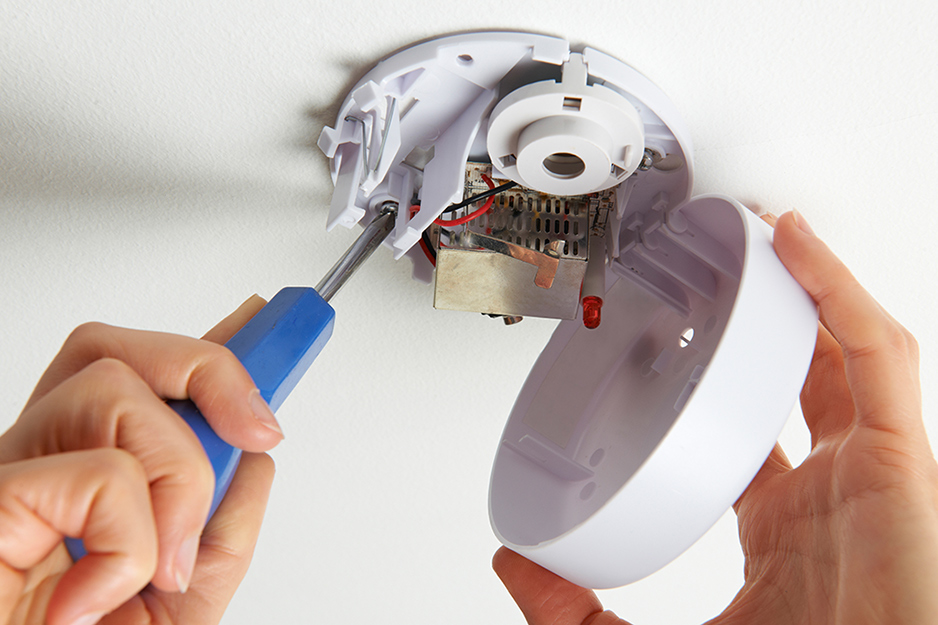
First, find the battery compartment on your smoke detector. It is usually on the back or side of the device. Some models have a small door or cover that you can open by sliding or pressing a latch.
Open The Battery Cover
Gently open the cover to access the battery. Use your fingers or a small tool like a screwdriver if needed. Be careful not to force it open, which can break the cover or the detector.
Remove The Old Battery
Take out the old battery by pulling it straight from the compartment. Note the battery’s orientation to help insert the new one correctly. Dispose of the old battery safely according to local rules.
Insert The New Battery
Inserting the new battery into your smoke detector is a simple but important step. It ensures your device stays ready to alert you in case of smoke or fire. Follow clear steps to place the battery correctly and safely.
Incorrect placement can cause the smoke detector to fail. Take your time and handle the battery carefully.
Check Battery Type
Identify the correct battery type for your smoke detector. Most use 9-volt or AA batteries. Using the wrong battery can damage the device or reduce its lifespan.
Align Battery Terminals
Match the positive (+) and negative (-) ends of the battery with the contacts in the smoke detector. Proper alignment ensures the device receives power.
Insert Battery Firmly
Push the battery into the compartment until it fits snugly. Loose batteries may cause the alarm to beep or stop working.
Close The Battery Cover
Securely close the battery compartment cover. This protects the battery and keeps it in place during daily use.
Press the test button to check if the smoke detector works. A loud beep means the battery is correctly installed and the device is ready.
Credit: www.homedepot.com
Test The Smoke Detector
Testing your smoke detector is an important step after changing the battery. It checks if the device works properly. This step helps keep your home safe. A working smoke detector can alert you to fire early.
How To Perform The Test
Press the test button on the smoke detector firmly. Hold it for a few seconds. The alarm should sound loudly. If you hear the beep, the detector works well. If no sound comes, check the battery again.
When To Test The Smoke Detector
Test the detector right after installing a new battery. Also, test it once every month. Regular checks ensure the device stays functional. Do not skip this simple safety step.
What To Do If The Alarm Fails
Replace the battery with a fresh one first. Test the alarm again. If it still fails, clean the smoke detector gently. Dust can block sensors and stop alarms. If it still does not work, replace the entire unit.
Reinstall The Smoke Detector
Reinstalling the smoke detector is the final step after changing its battery. Proper reinstallation ensures the device works correctly and keeps your home safe. This step is quick but important. Follow these simple instructions to place the smoke detector back securely.
Align The Smoke Detector With The Mounting Bracket
Hold the smoke detector close to the ceiling or wall. Match the slots on the back of the detector with the tabs on the mounting bracket. This alignment helps the device fit snugly. Take your time to position it right.
Twist The Smoke Detector To Lock It In Place
Once aligned, gently twist the smoke detector clockwise. You will feel it click or stop turning. This twist locks the detector firmly on the bracket. Make sure it does not move or wobble after locking.
Test The Smoke Detector After Reinstallation
Press the test button on the smoke detector. Listen for a loud beep or alarm sound. This test confirms the battery and device work well. If no sound comes, check the battery or reinstall the detector again.

Credit: www.youtube.com
Regular Maintenance Tips
Regular maintenance keeps smoke detectors working well. It helps protect your home and family from fire risks. Simple care steps can extend the device’s life and ensure it alerts you on time.
Check your smoke detector every month. This quick check shows if it still works. Replace the battery at least once a year. Some models need new batteries more often.
Test The Alarm Monthly
Press the test button on the smoke detector. It should sound loudly. If no sound comes, change the battery or the whole unit. Testing keeps the detector ready for emergencies.
Clean The Smoke Detector
Dust and dirt can stop sensors from working. Use a soft brush or vacuum cleaner. Clean gently around the vents and outer cover. Do this once every few months to avoid false alarms.
Replace Batteries On Time
Use fresh batteries recommended by the manufacturer. Write the replacement date on the battery or device. This helps track when to change it next. Avoid mixing old and new batteries in one unit.
Inspect The Detector’s Location
Place smoke detectors on ceilings or high on walls. Keep them away from kitchens or bathrooms. Steam and smoke from cooking or showers can cause false alarms. Clear any objects blocking the detector.
Frequently Asked Questions
How Often Should I Change Smoke Detector Batteries?
You should change smoke detector batteries at least once a year. Replace them immediately if the detector chirps, signaling low battery power.
What Type Of Battery Do Smoke Detectors Use?
Most smoke detectors use 9-volt batteries, but some models require AA or lithium batteries. Check your device’s manual for exact type.
How Do I Safely Change A Smoke Detector Battery?
Turn off the alarm, remove the cover, take out the old battery, and insert the new one. Test the alarm after replacement.
Can I Use Rechargeable Batteries In Smoke Detectors?
Rechargeable batteries are not recommended for smoke detectors. They may not provide consistent power, risking device failure during emergencies.
Conclusion
Changing the battery in your smoke detector keeps your home safe. Check the battery every six months to avoid surprises. Use the right battery type for best results. Always test the detector after changing the battery. This small task helps protect your family from fire risks.
Stay alert and keep your smoke detector working well. Simple steps make a big difference in safety. Don’t wait—replace old batteries as soon as you can. Safety starts with a working smoke detector.

