
Fire accidents at home can happen unexpectedly, putting you and your loved ones at serious risk. But here’s the good news: many fire incidents are preventable with simple, smart actions.
Imagine feeling completely safe and confident in your own space because you know exactly how to protect your home from fire dangers. You’ll discover easy and effective ways to prevent fire accidents at home. By following these practical tips, you’ll not only safeguard your property but also create a secure environment for everyone you care about.
Keep reading—your safety depends on it.
Smoke Alarm Installation
Smoke alarms are essential tools to detect fires early and save lives. Installing smoke alarms properly helps give crucial warning time. This allows everyone in the home to escape safely. It is important to place smoke alarms in the right spots and keep them working well.
Optimal Placement
Install smoke alarms on every floor of the house. Place them in hallways near bedrooms. Put alarms inside each bedroom for extra safety. Avoid placing alarms near windows or vents. Smoke may not reach the alarm quickly in those spots. Mount alarms on the ceiling or high on walls. Smoke rises, so high placement detects smoke sooner.
Regular Testing And Maintenance
Test smoke alarms once a month by pressing the test button. Replace batteries at least once a year or when the alarm beeps. Clean alarms with a vacuum or soft cloth to remove dust. Dust can block smoke sensors and cause false alarms. Replace smoke alarms every 10 years for best protection. Working alarms increase the chance of escaping a fire safely.

Credit: cypressvets.com
Fire Escape Planning
Fire escape planning is a key step to protect your family from fire dangers. It helps everyone know how to leave the house quickly and safely. Creating a clear plan reduces panic and confusion during emergencies. Practicing the plan often makes sure all family members remember what to do.
Every home should have a detailed fire escape plan. It must include safe routes from every room and a meeting point outside. The plan should consider young children, elderly, and pets. Good planning saves lives by guiding your family out of harm’s way.
Designing Multiple Exits
Design at least two exits from every room. Doors and windows can both serve as escape routes. Make sure windows open easily and are not blocked. Check that all exits lead to safe outdoor areas. Clear paths of furniture or obstacles that might slow escape. Label each exit clearly so everyone knows the way out.
Family Practice Drills
Hold fire drills at least twice a year. Practice escaping through all exits. Teach family members to stay low to avoid smoke. Choose a safe meeting spot outside the house. Use a timer to see how fast you can get out. Review the drill and talk about what went well and what to improve. Repeating drills builds confidence and readiness for real emergencies.
Kitchen Fire Safety
The kitchen is a common place for fire accidents at home. Cooking involves heat, flames, and flammable materials. Taking simple safety steps reduces fire risks. Focus on supervising cooking and storing flammable items safely.
Supervising Cooking Activities
Never leave cooking food unattended. Stoves and ovens can start fires quickly. Stay in the kitchen while frying, grilling, or boiling. Use a timer to remind you when food is cooking. Keep children and pets away from hot surfaces. Turn pot handles inward to avoid spills. Clean grease buildup regularly to prevent flare-ups.
Safe Storage Of Flammable Items
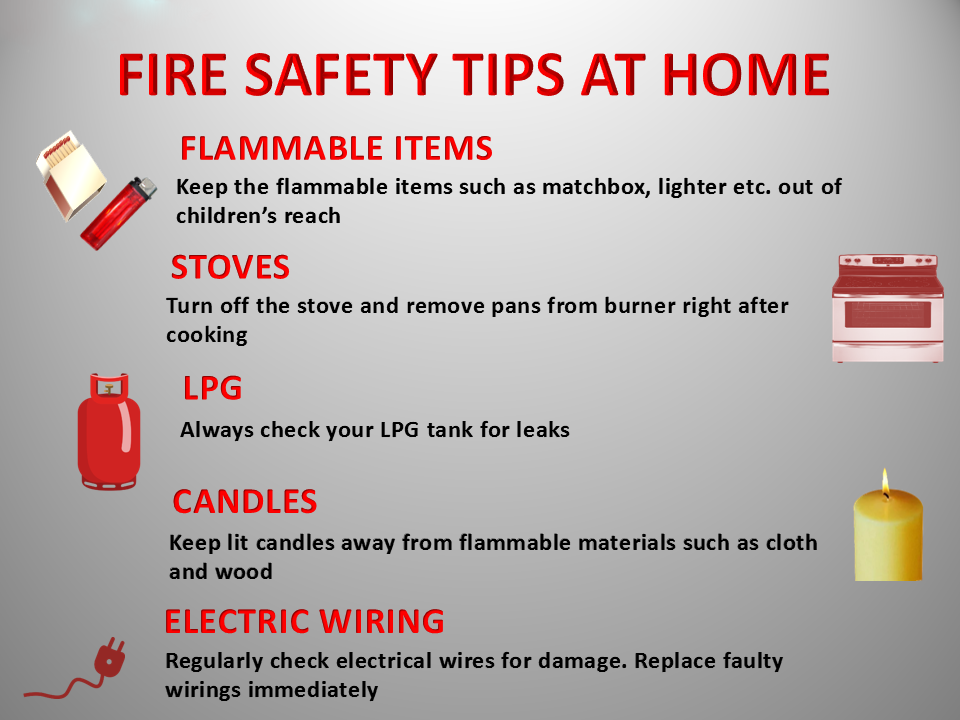
Keep flammable items away from heat sources. Store cooking oils, sprays, and paper towels in cabinets. Avoid placing dishcloths or oven mitts near the stove. Use airtight containers for flammable liquids like lighter fluid. Check that matches and lighters are out of children’s reach. Proper storage lowers the chance of accidental fires.
Managing Open Flames
Open flames can add warmth and charm to any home. They also pose a real risk if not handled carefully. Managing these flames with care helps prevent fire accidents. Simple habits can keep your home safe.
Always stay alert around open flames. Never leave them unattended. Keep flammable materials far from flames. Teach family members about fire safety with open flames.
Candle Safety
Place candles on stable, heat-resistant surfaces. Keep candles away from curtains and papers. Trim wicks to about 1/4 inch to avoid large flames. Extinguish candles before leaving the room or going to sleep. Use candle holders that catch dripping wax. Avoid burning candles near children or pets. Opt for flameless LED candles for safer alternatives.
Using Oil Burners Carefully
Fill oil burners only as much as recommended. Never leave oil burners burning without supervision. Place burners on flat, sturdy surfaces away from drafts. Keep oils and burners out of children’s reach. Extinguish oil burners completely after use. Clean burners regularly to prevent build-up and overheating. Use only oils made for burners to avoid hazardous fumes.
Electrical Safety
Electrical safety plays a big role in preventing fire accidents at home. Faulty wiring and damaged electrical devices often cause fires. Simple steps can lower these risks significantly. Understanding how to handle electricity safely protects your family and home.
Replacing Damaged Cords
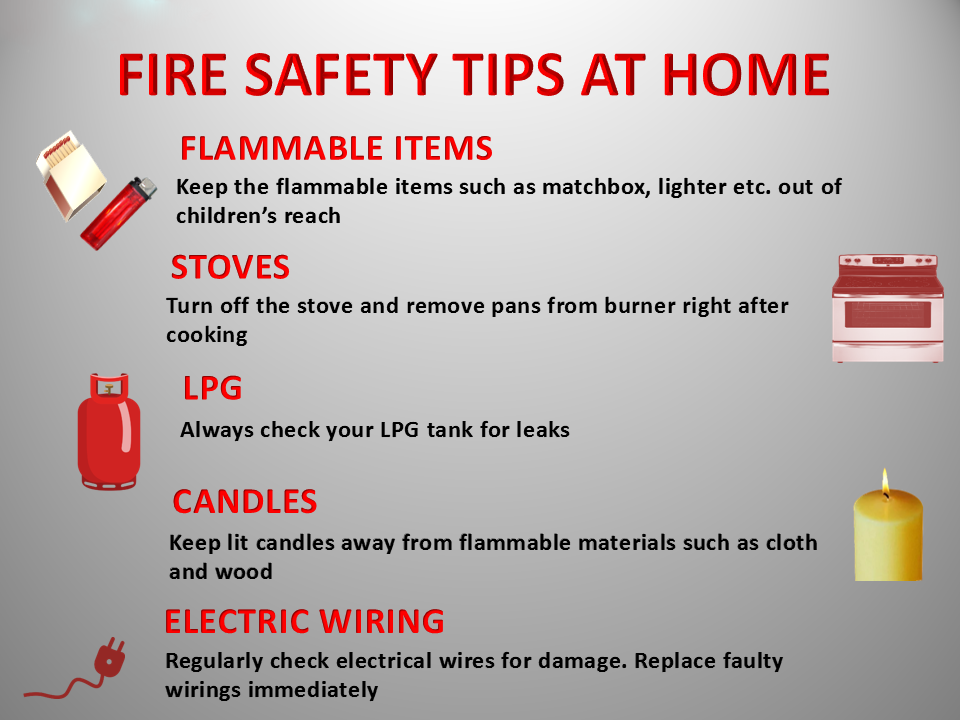
Damaged cords cause sparks that may start fires. Replace any cord that is frayed, cracked, or has exposed wires. Do not use temporary fixes like tape. Always use cords that fit your devices properly and meet safety standards.
Avoiding Outlet Overloads
Overloading outlets makes them overheat and catch fire. Plug only one high-power device per outlet. Use power strips with built-in circuit breakers. Spread out appliances across different outlets to avoid too much load on one.
Proper Cord Placement
Placing cords under rugs or heavy furniture can cause damage. This leads to short circuits and fires. Keep cords visible and away from walking paths. Arrange cords to prevent tripping and accidental unplugging. Regularly check cords for wear and tear.
Credit: www.variex.in
Space Heater Precautions
Space heaters provide warmth during cold months but can cause fires if used carelessly. Taking simple precautions reduces fire risks significantly. Understanding how to use them safely keeps your home secure.
Safe Distance Guidelines
Keep space heaters at least three feet away from flammable items. These include curtains, furniture, bedding, and papers. Avoid placing heaters near anything that can catch fire easily. Use heaters on a flat, stable surface to prevent tipping. Never block heater vents or cover them with clothes or blankets. Follow the manufacturer’s instructions for safe placement and use.
Turning Off When Unattended
Always turn off space heaters before leaving a room or going to sleep. Unattended heaters increase the chance of fire. Avoid running heaters all night or when no one is home. Use heaters with automatic shut-off features for extra safety. Regularly check heaters for damage and unplug them when not in use.
Safe Storage Practices
Safe storage practices reduce fire risks in your home. Properly storing hazardous items prevents accidental fires. Keep dangerous materials away from children and heat sources. Organize items to avoid clutter, which can fuel fires. Follow simple steps to secure flammable objects safely.
Matches And Lighters
Store matches and lighters in a locked container. Keep them out of children’s reach and sight. Avoid leaving these items on tables or counters. Choose child-resistant lighters for extra safety. Always check that matches are fully extinguished before disposal.
Flammable Liquids And Materials
Place flammable liquids in their original containers with labels. Store these containers in cool, dry places away from heat. Keep flammable materials like gasoline and paint far from electrical devices. Use metal cabinets if possible for extra protection. Dispose of old or unused flammable liquids properly to reduce risk.
Smoking Safety
Smoking is a common cause of house fires. Taking simple safety steps reduces risks. Being careful with smoking materials keeps your home safe and secure.
Smoking safety means controlling where and how you smoke. It also means making sure cigarettes and ashes are fully out before leaving them. These habits protect your family and property from fire accidents.
Smoking Outdoors
Always smoke outside your home. Smoking indoors increases fire chances. Smoke on a porch or balcony, away from flammable items. Use a deep, sturdy ashtray to catch ashes. Never smoke near curtains, furniture, or dry plants. Keep your smoking area clean and free of clutter.
Proper Extinguishing
Put out cigarettes completely before discarding them. Press the tip into a non-flammable surface until no smoke appears. Stir ashes in the ashtray to check for hidden embers. Never toss cigarettes into trash cans without checking. Use water to soak cigarette butts if unsure. Properly extinguished smoking materials stop fires from starting.
Fire Extinguisher Use
Using a fire extinguisher correctly can stop small fires from growing. It helps protect your home and family from serious harm. Knowing how to pick and use the right extinguisher is important for safety.
Choosing The Right Extinguisher
Select a fire extinguisher based on the type of fire risks in your home. Common classes include A, B, and C. Class A works on wood, paper, and cloth fires. Class B is for flammable liquids like grease and gasoline. Class C handles electrical fires safely. Many homes benefit from a multipurpose extinguisher labeled ABC. Check the size and pressure to ensure it fits your needs. Keep the extinguisher in an easy-to-reach spot, such as the kitchen.
Learning The Pass Method
The PASS method is a simple way to use a fire extinguisher effectively. First, Pull the safety pin to unlock the extinguisher. Next, Aim the nozzle at the base of the fire. Then, Squeeze the handle to release the extinguishing agent. Finally, Sweep the nozzle side to side across the fire’s base until the flames go out. Practicing this method helps you act quickly and with confidence during an emergency.
Credit: www.lakeholcombe.k12.wi.us
Frequently Asked Questions
How Can We Prevent Fire Accidents In Our Home?
Install and test smoke alarms monthly. Create and practice a fire escape plan twice yearly. Stay attentive while cooking. Keep flammable items away from heat. Use electrical devices safely and store matches out of children’s reach. Keep a fire extinguisher accessible and know how to use it.
What Are The 10 Tips To Prevent House Fires?
Install smoke alarms on every level and test monthly. Create and practice a fire escape plan twice yearly. Stay in the kitchen while cooking. Keep flammables three feet from heat. Replace damaged cords and avoid overloading outlets. Keep space heaters clear.
Store matches and flammables safely. Smoke carefully. Have a fire extinguisher ready.
What Is The 30/30/30 Rule For Fire?
The 30/30/30 rule for fire means evacuate if flames are within 30 feet, heat feels hotter than 30 seconds, or smoke causes difficulty breathing within 30 seconds.
What Are The 5 E’s Of Fire Prevention?
The 5 E’s of fire prevention are Education, Engineering, Enforcement, Emergency Response, and Environmental Management. These focus on awareness, safety design, law compliance, quick action, and reducing fire risks.
Conclusion
Preventing fire accidents at home protects your loved ones and property. Simple steps like checking smoke alarms regularly save lives. Planning and practicing fire escape routes prepare everyone for emergencies. Always stay alert when cooking or using open flames. Keep electrical cords safe and avoid overloading outlets.
Store matches, lighters, and flammable items away from children and heat. Using heaters carefully reduces fire risks. Fire safety equipment like extinguishers helps control small fires quickly. Taking these actions creates a safer home environment for all. Safety starts with you—stay aware and act wisely every day.